Confessions II is not nostalgia-mining, and the double standard is showing
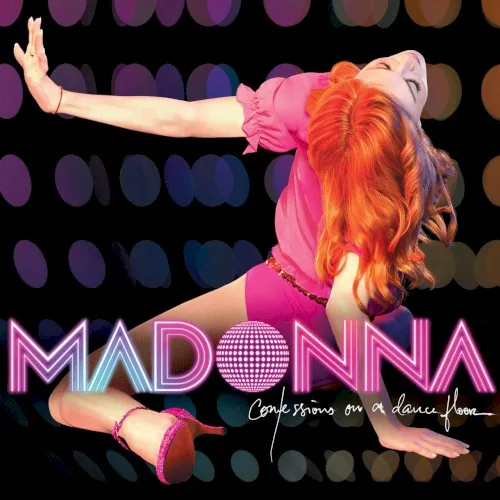
Madonna's Confessions II arrives July 3: a direct sequel to 2005's Confessions on a Dance Floor and her 15th studio album. NME's review calls it her most vital record in two decades. The counterargument is already circulating, and it always says the same thing: nostalgia-mining, a legacy act retracing a twenty-year-old triumph because the present got hard.

Apply that standard anywhere else and watch it collapse. Deep Purple release "SPLAT!" the very same day, and nobody frames a rock band making another rock record as strip-mining its own past. Guitar bands are allowed to work in their genre for fifty years and it is called consistency. A 67-year-old woman goes back to the dancefloor she helped build and it is suddenly a museum exhibit. The charge only ever gets filed against certain artists, and the pattern of who gets charged is not subtle.
Whether Confessions II fully matches the 2005 record is a question for the dancefloor, and the NME verdict suggests it gets close. What matters is the posture. Madonna is not covering her younger self; she is picking up an argument she started twenty years ago and finishing it at full volume. Dance music is her genre, not her phase. "Vital" is the right word, and the sequel framing is not a crutch. It is a flex.