Supergirl's Ending Has Fans at War, and Both Sides Have a Point
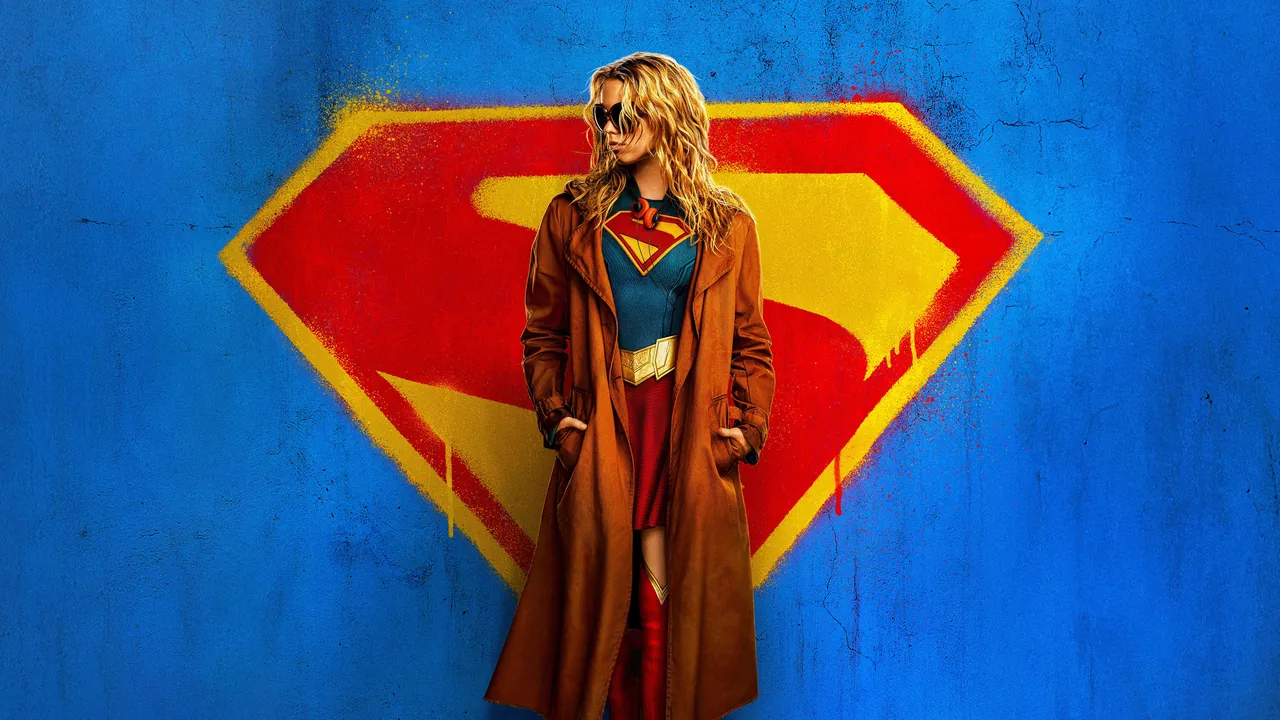
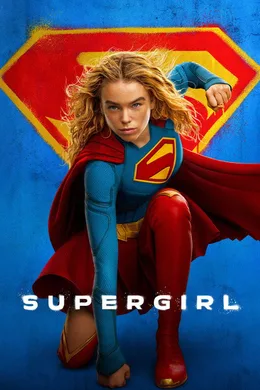
Supergirl opened June 26 through 28 to $38 million, about 30 percent of what Superman managed in its 2025 bow, alongside a 56 percent Tomatometer. Those numbers would normally be the story. They are not. The story is the ending, and the week-long war among fans over whether the film was allowed to change what it changed. No spoilers here: what matters is that the final minutes make a choice the source comic deliberately refused to make.
Here is why it stings without saying what it is. Tom King's comic, the source material, builds its whole spine on refusing a certain kind of resolution. The film goes the other way, on purpose, and director Craig Gillespie has been candid about where the call came from: "James Gunn was adamant about" the change.



As drama, the choice is defensible. Films answer to pressures comics never feel, and the new ending is a legitimate piece of storytelling on its own terms. But defensible drama and faithful adaptation are separate questions, and on the second one this film simply loses. The comic's ending was not a plot detail that could be swapped for a punchier one. It was the argument the whole book existed to make. Pretending the two endings say roughly the same thing insults the people who loved the source precisely for what it refused to do.
Adaptations owe their sources an argument, not obedience. Gunn and Gillespie clearly have one; the film makes it with a straight face, and there is real conviction in that. What they owe the audience now is to own the inversion out loud rather than framing it as a tweak. Change the ending if you must. Just do not tell us it is the same story. The fans arguing this week are not being precious. They noticed the thesis got swapped, and they are right.