Paul Won Everything. The New Dune Wants You to Feel How Badly.
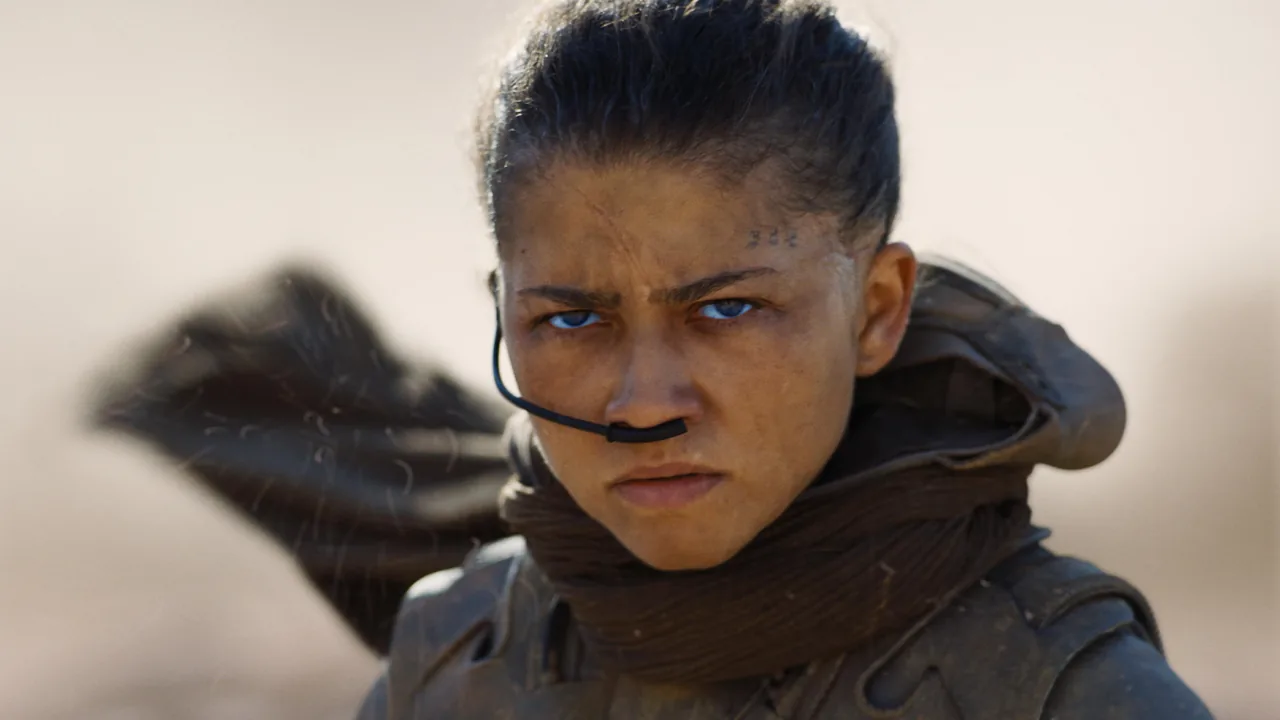
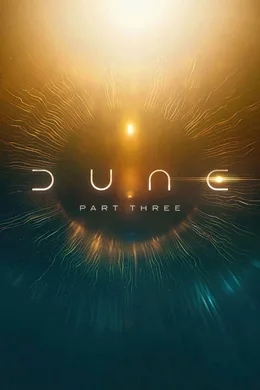
Warner Bros. dropped the second trailer for Dune: Part Three on July 8 at a global IMAX fan event, and the @dunemovie post blew past 8.2 million views within hours. The number was expected. The mood was not. The footage finds Paul Atreides 17 years into his reign as ruler of the known universe, and Denis Villeneuve frames the throne as a burden rather than a prize. The film adapts Frank Herbert's 1969 novel Dune Messiah and reaches theaters and IMAX screens on December 18, 2026.
That mood is the whole point of the book. Herbert wrote Dune Messiah because too many readers took Dune as a straight hero story, and he wanted them to sit with what Paul's victory cost: a holy war waged in his name across the galaxy, a legend he can no longer steer. It is the sequel that exists to argue with its predecessor. The trailer puts that argument on screen. Timothée Chalamet's emperor stands torn between Zendaya's Chani and Florence Pugh's Princess Irulan. His two children appear. So does Hayt, a clone of the dead Duncan Idaho, the kind of ghost a guilty regime builds for itself.







No franchise this size markets doubt. The playbook says sell escalation: bigger worms, bigger battles, a hero rising. Warner is selling a ruler who got everything he wanted and cannot live with it. That is a real risk for a December tentpole, and the studio appears to be hedging where it can by stacking the cast. Robert Pattinson and Anya Taylor-Joy join returning players Javier Bardem, Rebecca Ferguson, and Charlotte Rampling, alongside Chalamet, Zendaya, and Pugh.
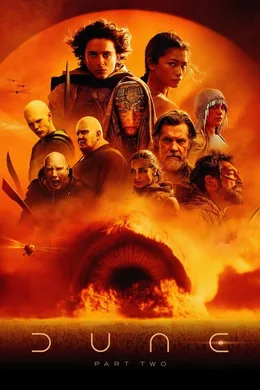
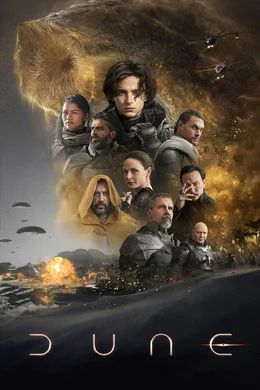
It deserves to work. Dune: Part Two closed with Paul sending his legions into holy war while Chani walked away from him, a victory staged as a loss. Part Three exists to pay that debt. On this evidence, Villeneuve intends to pay it in full. If audiences follow him into the sour half of the myth, December 18 will prove a blockbuster can end on a reckoning instead of a coronation.