
Denis Villeneuve builds films the way architects build cathedrals: enormous, unhurried, and designed to make you feel small in the best possible way. The Quebecois director made his name with gut-punch thrillers like Incendies and Prisoners before revealing a gift for science fiction on a scale Hollywood rarely attempts seriously. What his fans chase is a specific sensation: the weight of a world realized with absolute conviction, a score that hums under your skin long after the credits roll, and moral questions that stay unresolved because the film respects you enough to leave them there. From the desert sands of Arrakis to the rainy streets of small-town America, Villeneuve's cinema rewards patience.
Essential Denis Villeneuve
His own films, ranked by the obsessives

Directors Who Share the Temperature
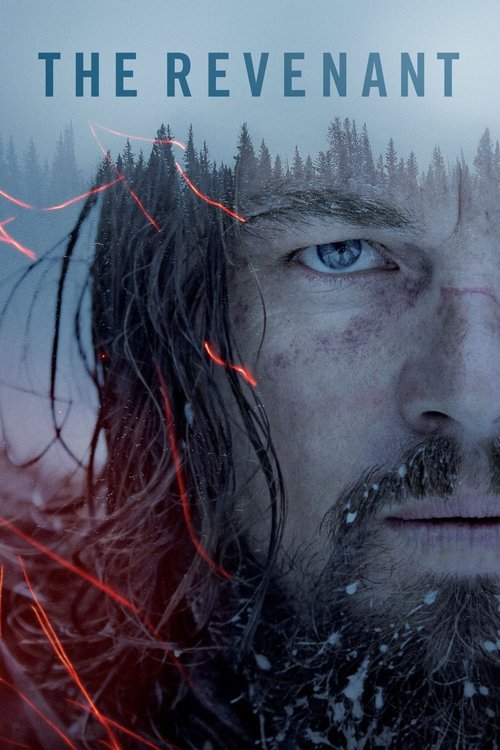
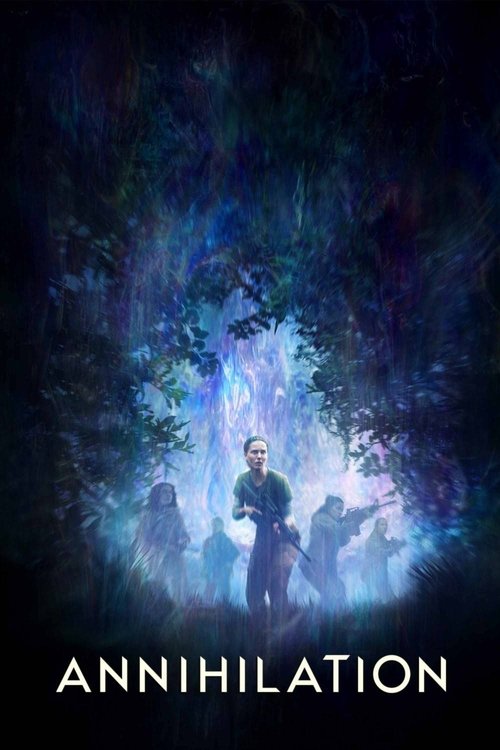
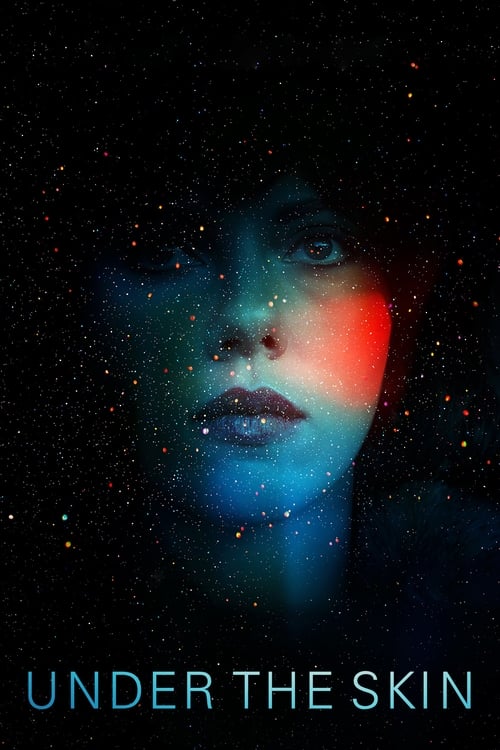
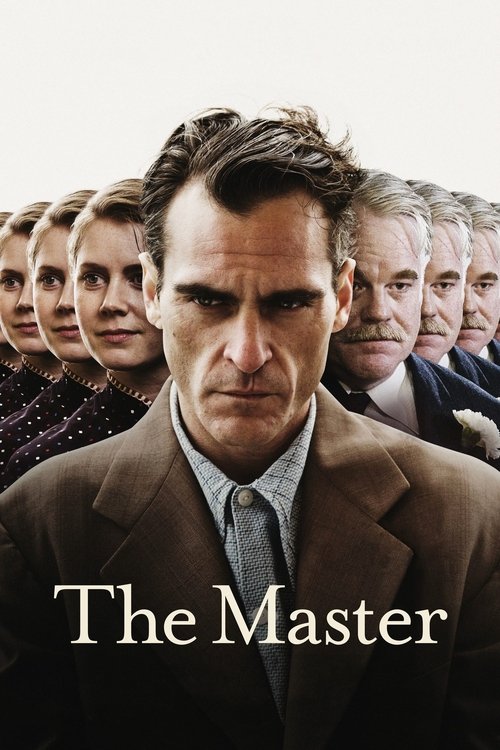
Films by auteurs who work in the same register: deliberate, gorgeous, uncompromising



Series That Match the Patience
Television that earns its slow burn
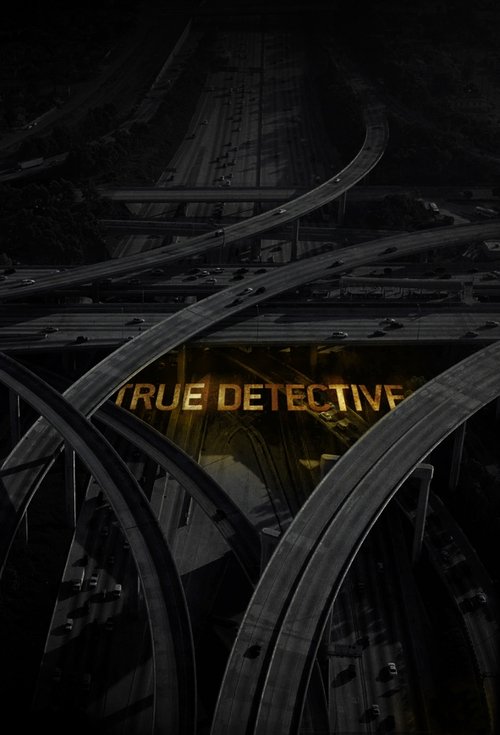
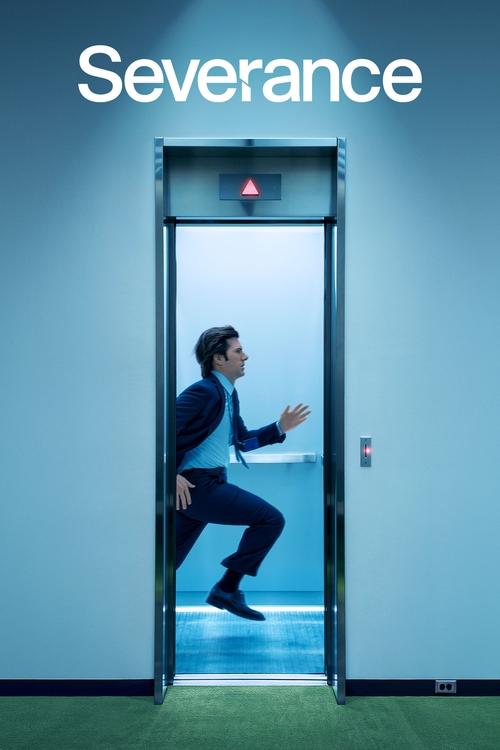

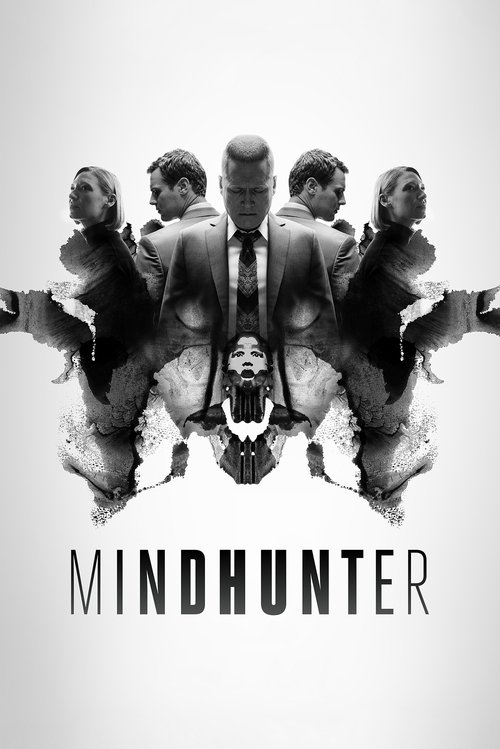
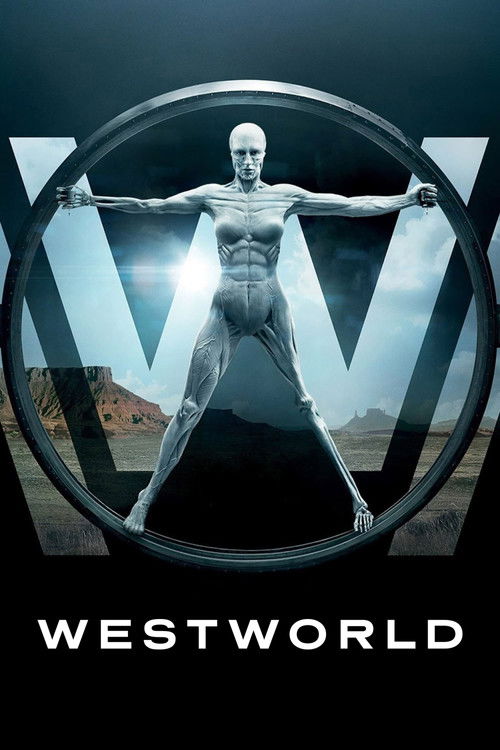


The Books Behind the Films
Source novels and thematically aligned fiction his fans read next


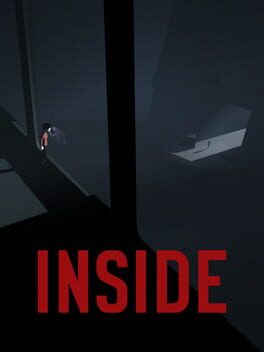
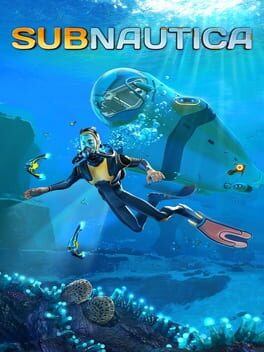
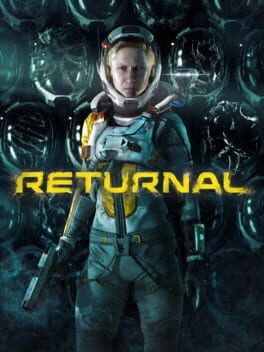
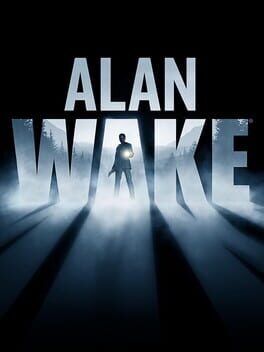
Games That Live in the Same Silence
Atmospheric, deliberate games where dread and awe share the screen

Scores Worth Listening to Alone
The music that defines his worlds, and composers in the same sonic space
Arrival Is the Best First-Contact Film Ever Made
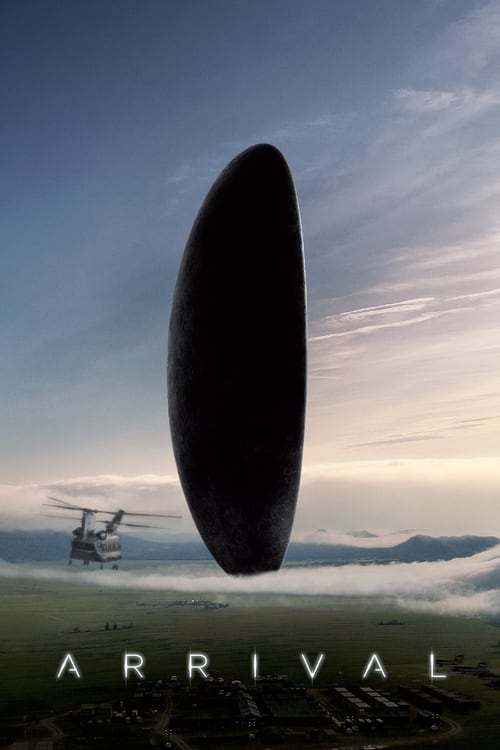
First-contact films usually treat the alien as threat or miracle. Arrival does something harder: it treats language as the real unknown. Amy Adams navigates grief, cognition, and time-perception while the world prepares for war. The film earns its third-act revelation because it has spent 90 minutes making you care about the logic of how minds understand each other. It is also, quietly, a film about parenthood and loss that hits harder on rewatching than it does the first time.
Dune Finally Got the Adaptation It Deserved
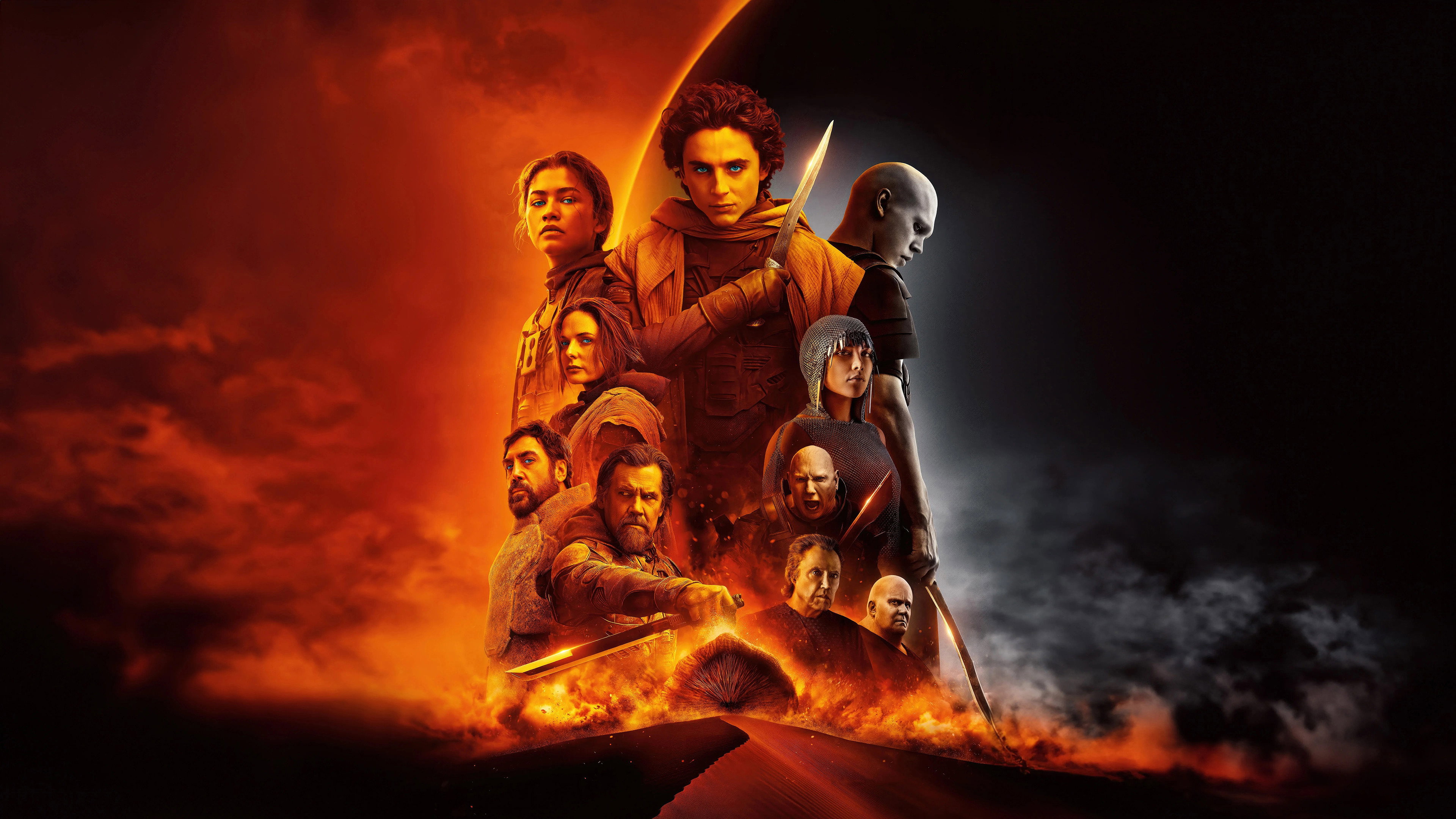
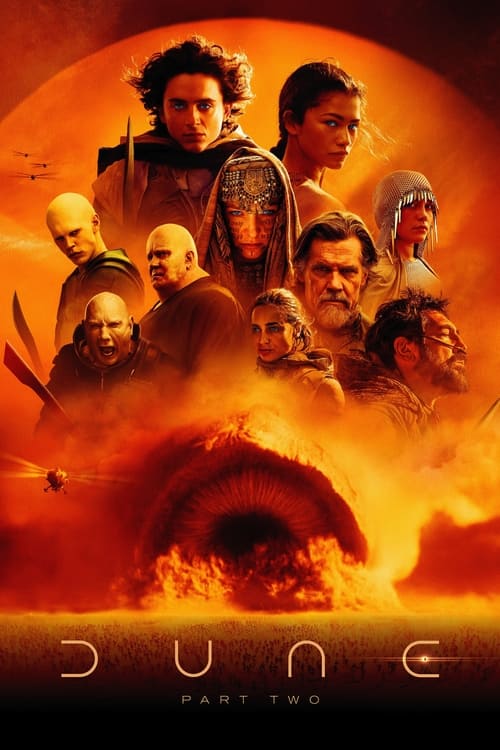
Frank Herbert's novel defeated David Lynch and Alejandro Jodorowsky for good reason: its politics, ecology, and mythology resist the adventure-film template. Villeneuve succeeded by treating Arrakis as a place with a climate, not a backdrop. The scale is real (IMAX photography, practical locations in Jordan and Abu Dhabi) and the restraint is real: no comic relief, no franchise winking. Part Two deepens the political critique Herbert intended, making Paul's arc genuinely troubling rather than triumphant.
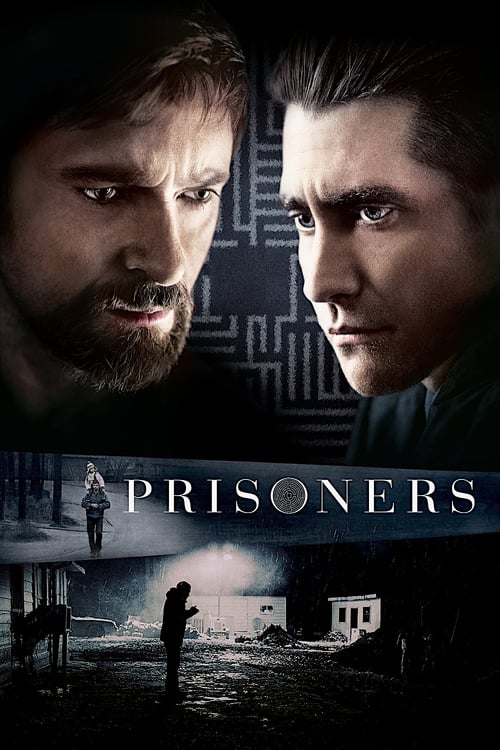
Prisoners Is His Most Emotionally Brutal Film
Before the sci-fi landmarks, Villeneuve made a kidnapping thriller that asked how far a parent would go and refused to answer comfortably. Hugh Jackman's vigilante father is not a hero and not simply a villain; he is a man whose certainty destroys him. Roger Deakins shot the Pennsylvania winter in grays and browns that feel like the inside of a panic attack. The film does not let the audience off the hook any more than it lets its characters off the hook.
A Career in Controlled Intensity
- 2000Maelstrom marks his international debut Maelström
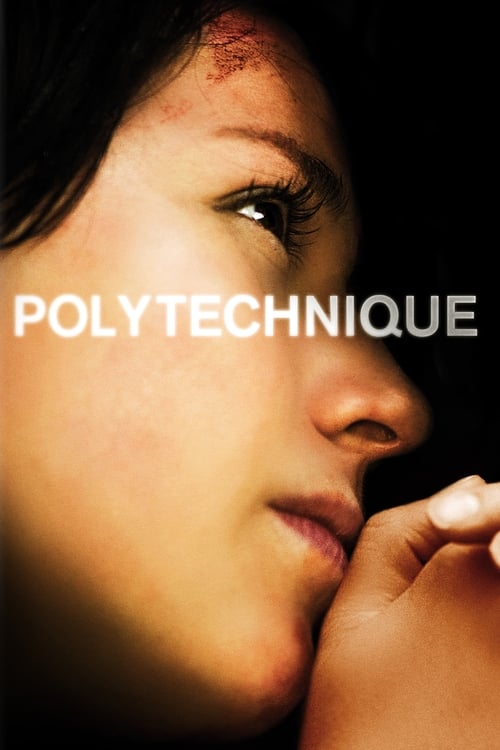
- 2009Polytechnique, based on the 1989 Montreal massacre, earns global attention Polytechnique
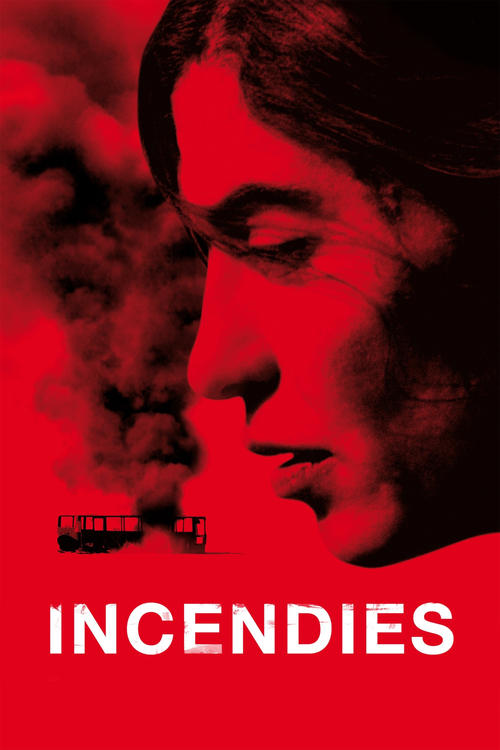
- 2010Incendies wins nine Jutra Awards and gets an Academy Award nomination Incendies
- 2013Prisoners, his Hollywood debut, establishes his thriller voice Prisoners
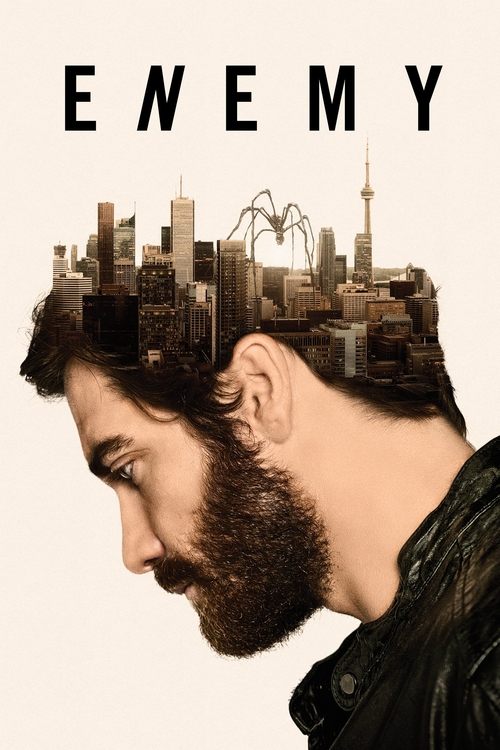
- 2013Enemy (filmed back-to-back with Prisoners) reveals his taste for psychological strangeness Enemy
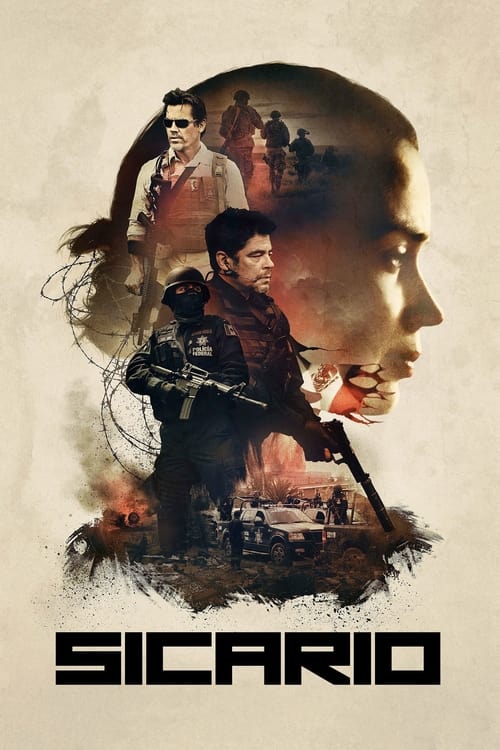
- 2015Sicario pairs him with Roger Deakins and expands his moral canvas Sicario
- 2016Arrival becomes a critical phenomenon and an Oscar contender Arrival
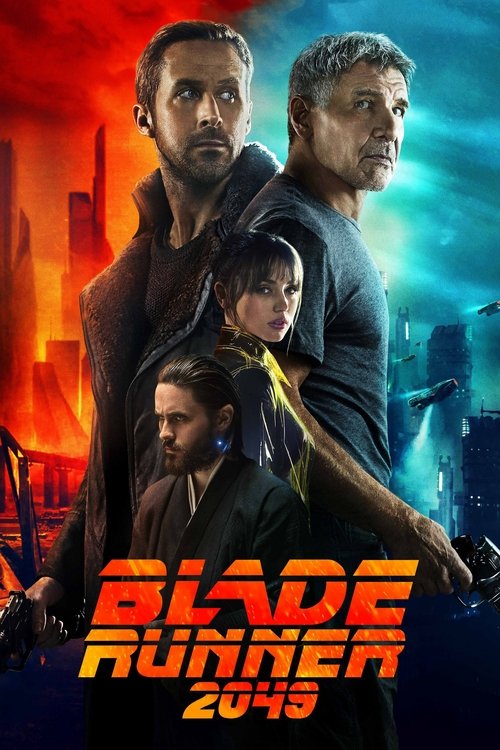
- 2017Blade Runner 2049 sets a new benchmark for prestige sci-fi world-building Blade Runner 2049
- 2021Dune: Part One opens to IMAX audiences worldwide
- 2024Dune: Part Two confirms his status as the defining sci-fi auteur of his generation Dune: Part Two
More slow-burn dread and monumental scale
For Fans of Arrival
Explore the For Fans of Arrival guide →I have always been interested in the beauty of dread. When something terrifies you and you cannot look away, that is cinema.Denis Villeneuve