Sam Neill Was Never a Movie Star. He Was Something Better.
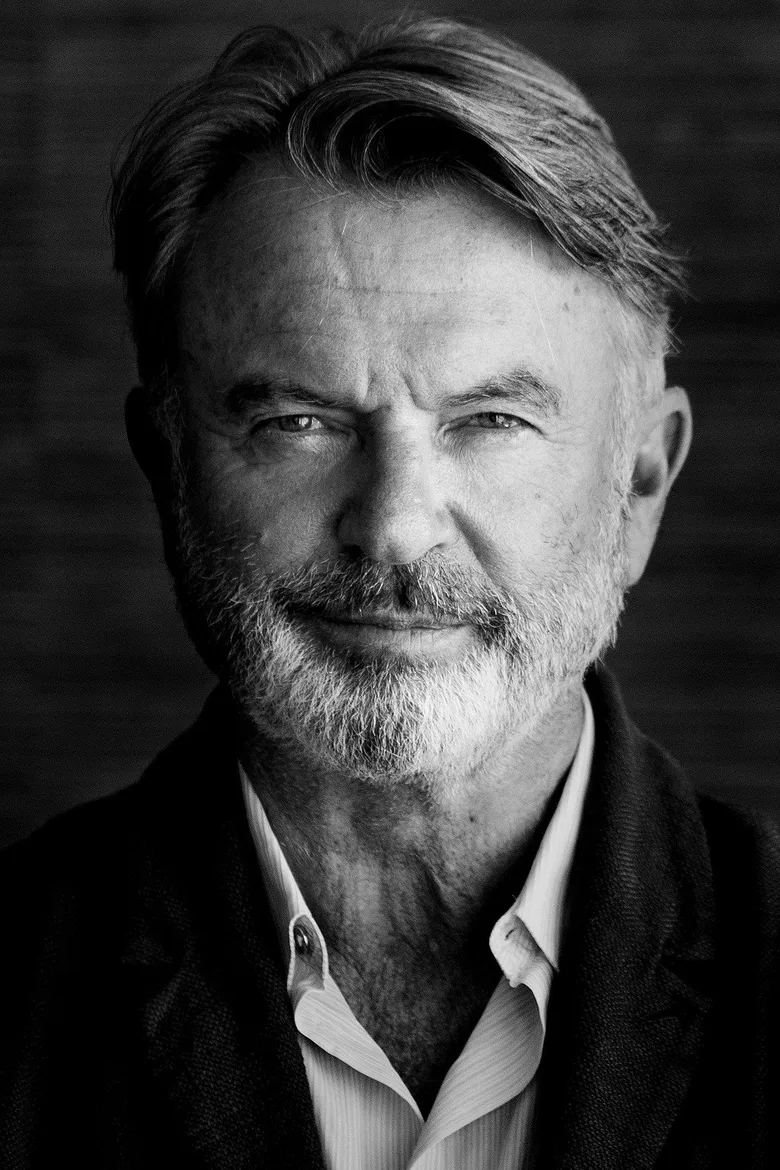
Sam Neill died on Monday in Sydney, at 78. His family said the loss was sudden and unexpected, and that he remained cancer free at the end: a cruel piece of timing for a man who spent four years fighting a rare blood cancer, told the world in April that a scan had found none left in his body, and appeared to have won. What remains is half a century of film and television in which he was, reliably, the one person on screen you believed.
Here is the claim, and we will defend it: Neill was never a movie star in the American sense, and that is exactly why he mattered. Stars ask you to watch them. Neill asked you to believe the movie. In Steven Spielberg's Jurassic Park he is the film's sanity: the wonder of that first brachiosaur lands because the man selling it looks like he came to work with a trowel and a bad grant application. If Alan Grant takes the dinosaur seriously, so do you. That is a harder job than charisma, and almost nobody else could do it.
Genre cinema understood this about him before the prestige world did. Terror reads better on a sensible face, so directors kept casting the most reasonable man in pictures into the most unreasonable situations: menaced on open water in Dead Calm, disintegrating in Andrzej Zulawski's Possession, swallowed by his own case file in In the Mouth of Madness, praying the ship's log is lying in Event Horizon. He even played the Antichrist, in The Final Conflict, and the scandal of that performance is how courteous it is. Nobody did quiet damnation better.
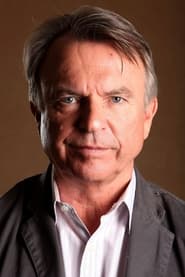
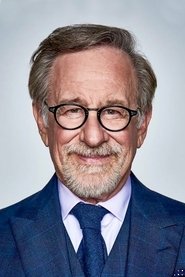
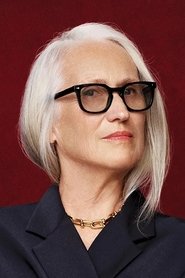
The career was there from the start. Sleeping Dogs in 1977 was the first feature-length 35mm film produced entirely in New Zealand, the landmark of that country's new wave, and it launched him; he later told the whole story himself in Cinema of Unease, the documentary he directed about his homeland's cinema. My Brilliant Career made him a leading man. Reilly: Ace of Spies earned him a Golden Globe nomination and a 1986 audition for James Bond that the Bond producers reportedly wanted him to win; decades later he said he had never wanted the part. Of course he didn't. Jane Campion's The Piano put him at the center of the New Zealand film the whole world saw, and television kept finding him: the wizard in Merlin, Cardinal Wolsey in The Tudors, the implacable Chester Campbell in Peaky Blinders, the juror in The Twelve. New Zealand knighted him in 2022. He kept working through the illness, returning as Grant one last time in Jurassic World Dominion, the shoot whose publicity rounds first revealed the swollen glands that became his diagnosis.
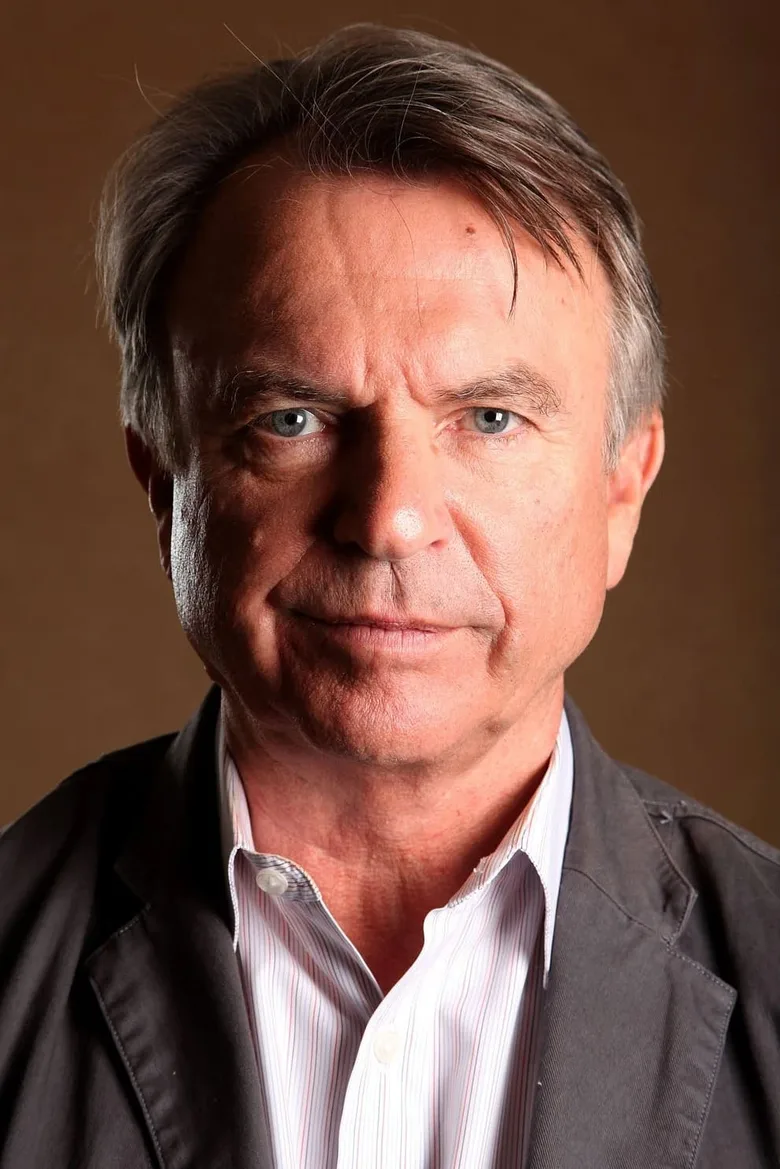
The off-screen life explains the on-screen one. He was born Nigel in Northern Ireland and renamed himself Sam in a New Zealand schoolyard because, he said, Nigel felt a little effete for the playground. He outgrew a childhood stutter but never forgot it. He poured decades and, by his own cheerful admission, ridiculous amounts of time and money into Two Paddocks, his Central Otago vineyard, and during chemotherapy he wrote Did I Ever Tell You This?, a memoir that reads the way he talked: funny, self-deprecating, incapable of self-pity. He treated stardom as a day job and life as the career. The order of those priorities is visible in every frame he ever shot.
The complete guide
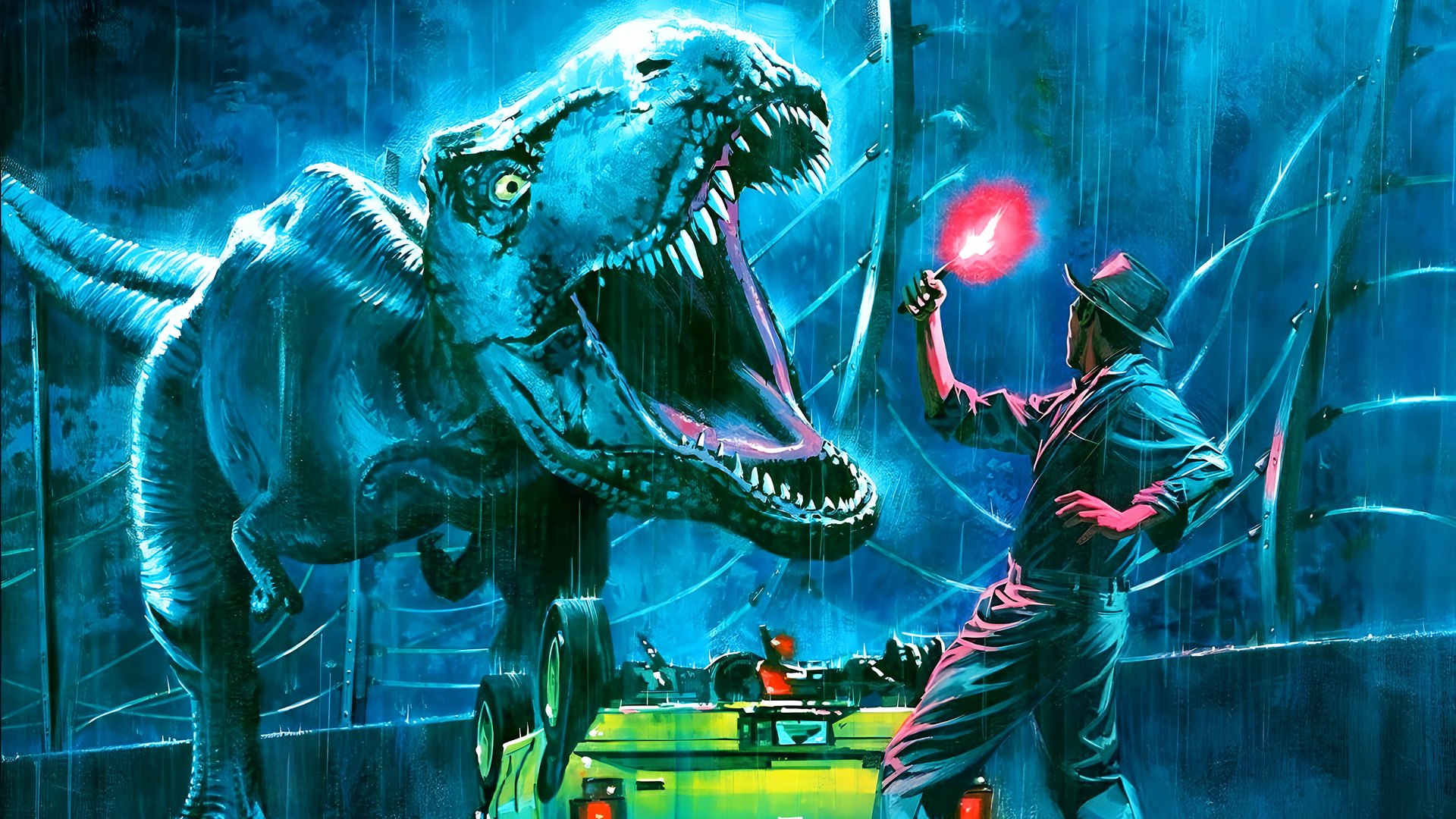
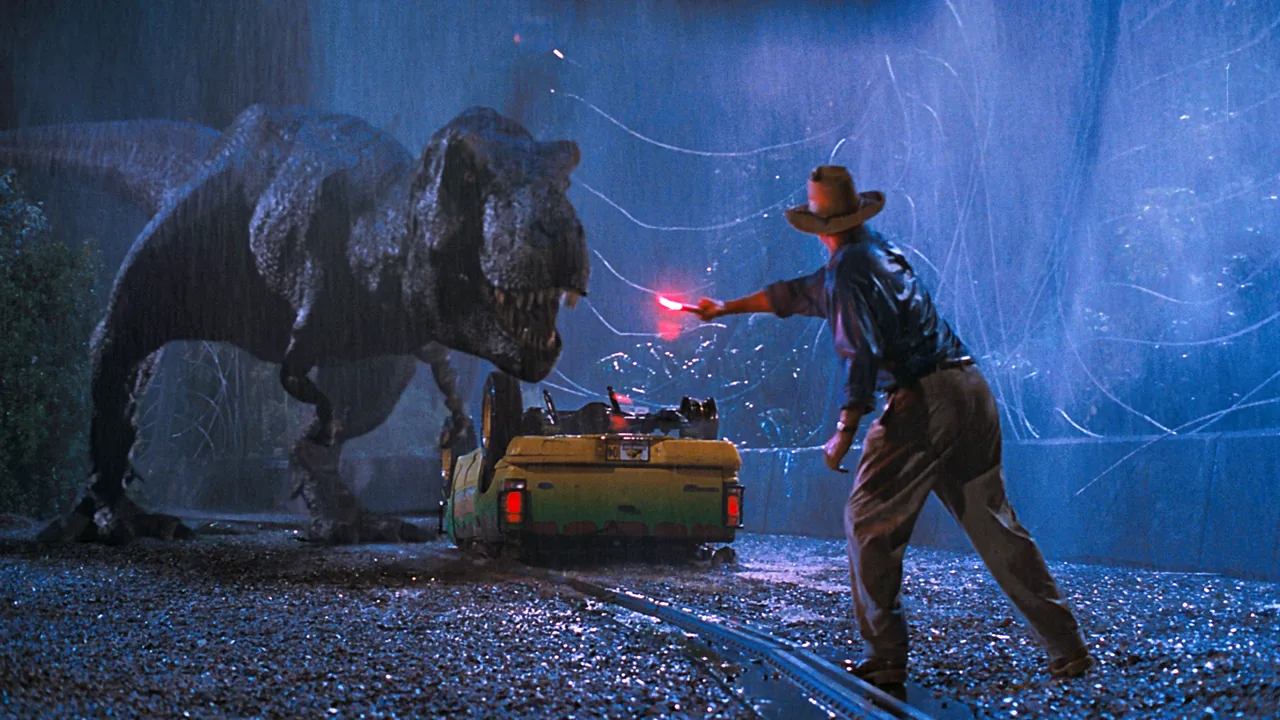
The image everyone will share this week is the right one: Grant in the rain, planting himself between the children and the tyrannosaur, holding up a flare. It is what Neill did in picture after picture for fifty years. He stood at the edge of the impossible, held up a light, and made you believe it. The light is out now, and belief just got more expensive.