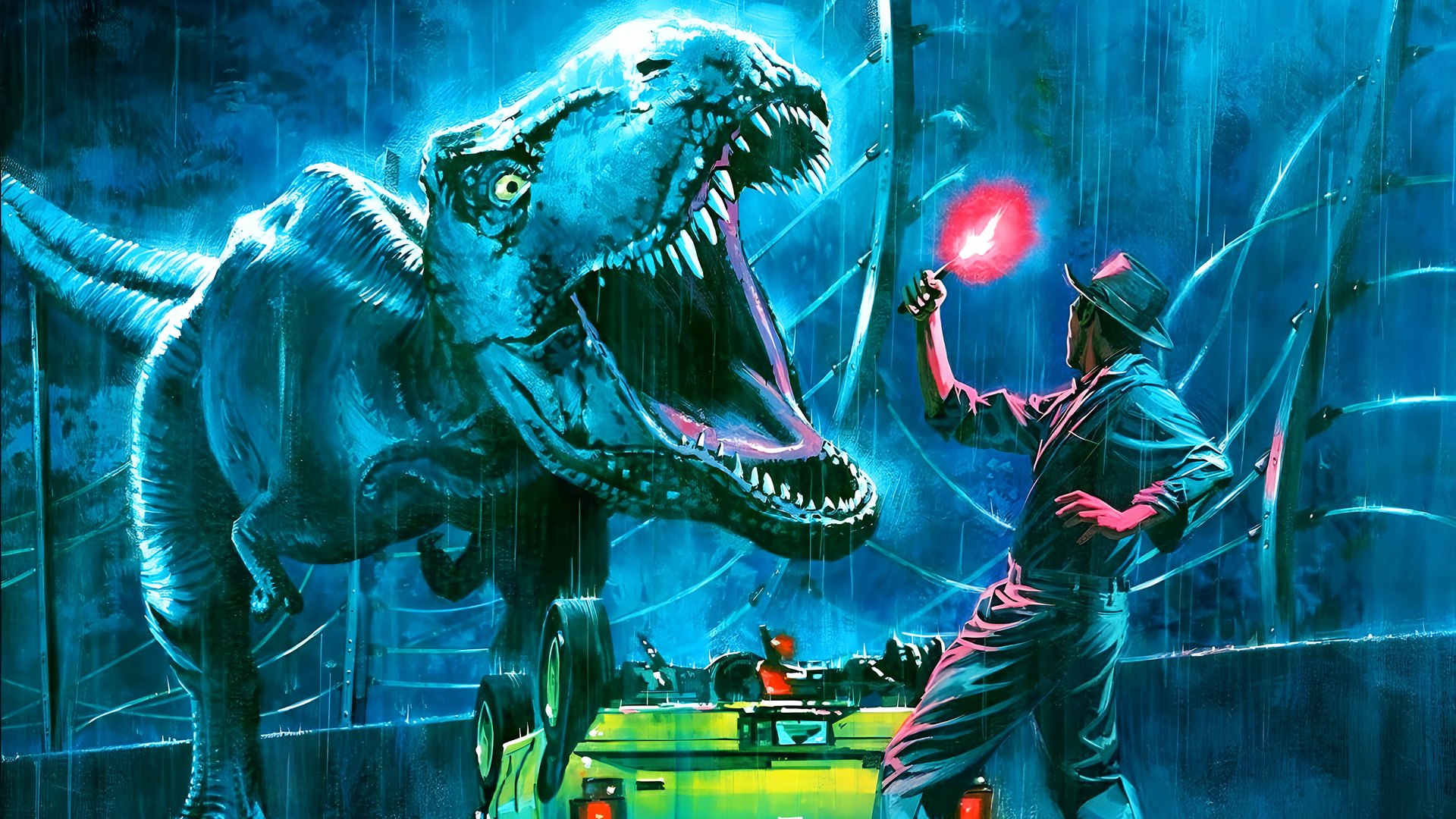

Sam Neill died on 13 July 2026 in Sydney, at 78. His family said the loss was sudden and unexpected, and that he was cancer free at the end, which is the cruelest detail in the statement: he fought a rare blood cancer for four years, announced in April that a scan had found none left in his body, and then ran out of time anyway. He leaves roughly two hundred works across film, television and one very good book, and a reputation nobody else in his generation quite matches. Neill was the actor you cast when the audience had to believe something impossible was happening.
That is the thread running through this guide. Call it the reasonable-man principle. Stars ask to be watched; Neill asked you to believe the movie. Directors handed him dinosaurs, haunted starships, cursed novels, the Antichrist, Birmingham razor gangs and a runaway foster kid, and he met every one of them with the same level, slightly weathered decency. The impossible thing became real because the most sensible man in the room was taking it seriously. Here is where that trick came from, and where to watch it.
Start here: the essential Sam Neill
Eight works, one career: the reasonable man meets the unreasonable world


The New Zealand story
He was born Nigel Dermot Neill in Omagh, Northern Ireland, in 1947, and became a New Zealander as a boy. The name Sam was his own invention: there were too many Nigels at school, and he judged the name a little effete for a New Zealand playground. He also grew up with a stutter, which he worked past but said he could still detect in himself decades later. It is not a coincidence that the adult Neill's screen presence is built on economy: the man wastes no words.
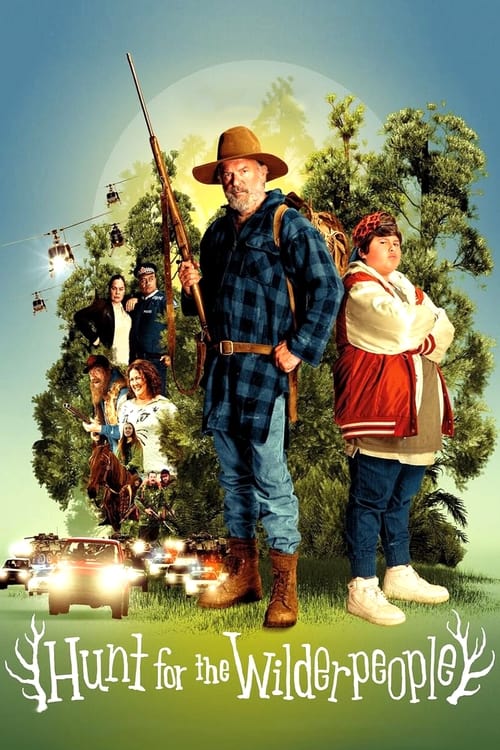
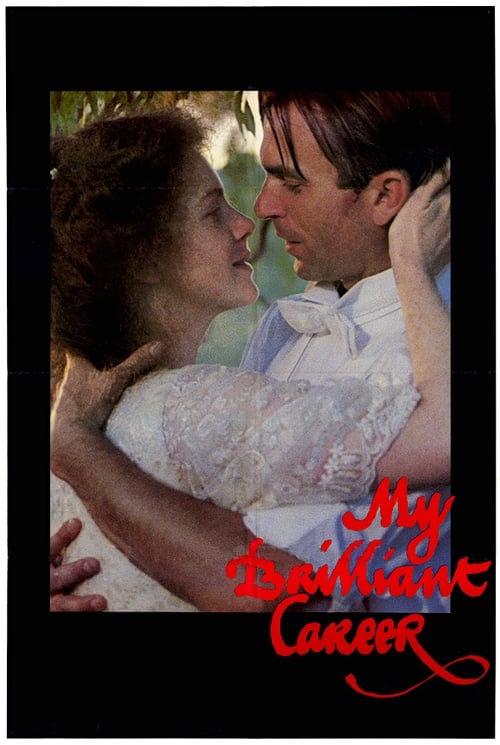
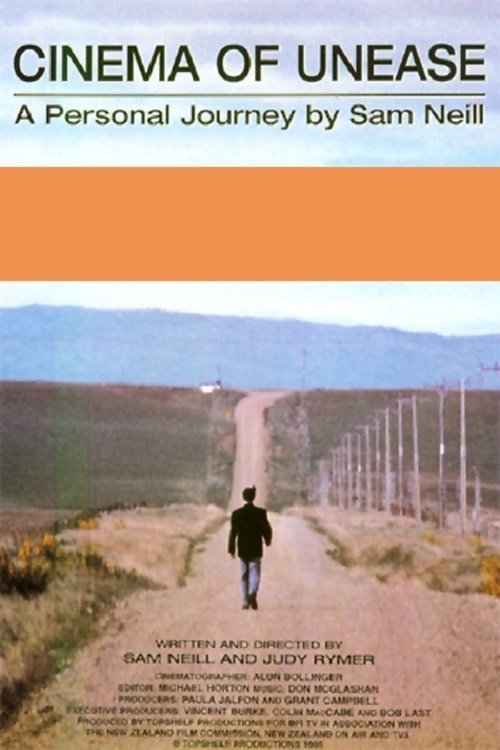
Sleeping Dogs in 1977 was the first feature-length 35mm film produced entirely in New Zealand, the landmark of the country's new wave, and it launched him. My Brilliant Career two years later made him a leading man opposite Judy Davis. He repaid the debt in 1995 by directing Cinema of Unease, a personal documentary about New Zealand film that doubles as the best commentary on his own instincts, and he came home constantly: to the Chamberlain case in Evil Angels, to Central Otago, and finally to Hunt for the Wilderpeople.
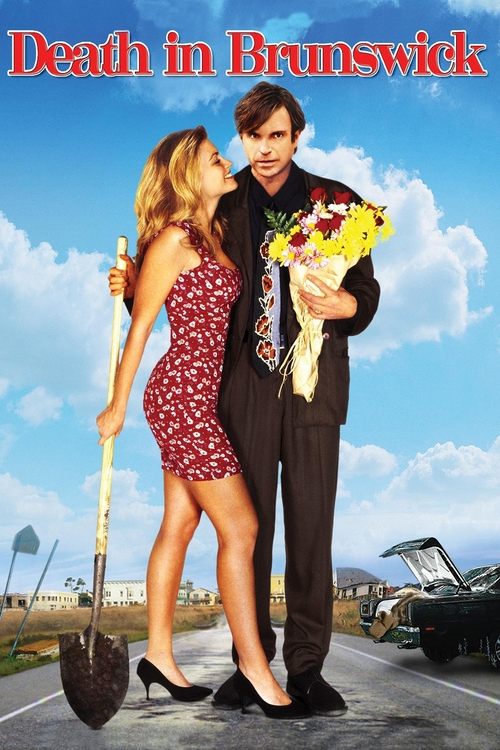
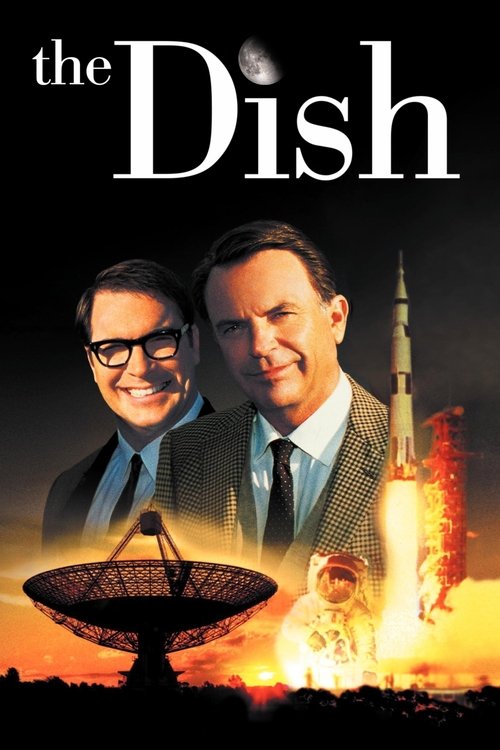
New Zealand and Australia
The new wave that made him, and the homecomings that kept him honest

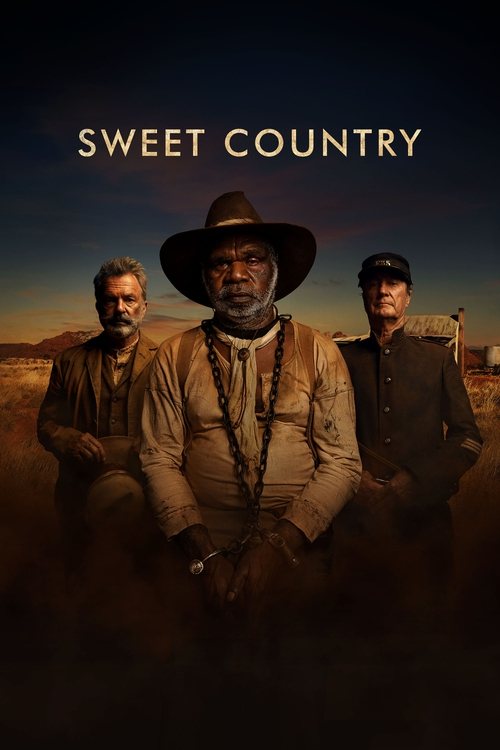
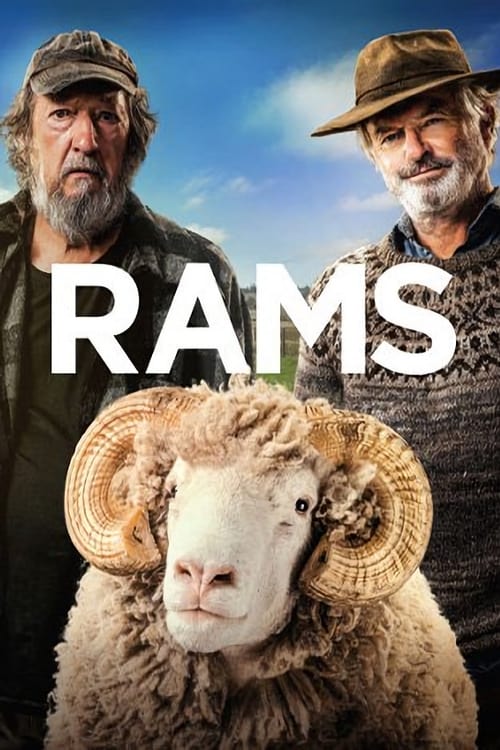
The genre years
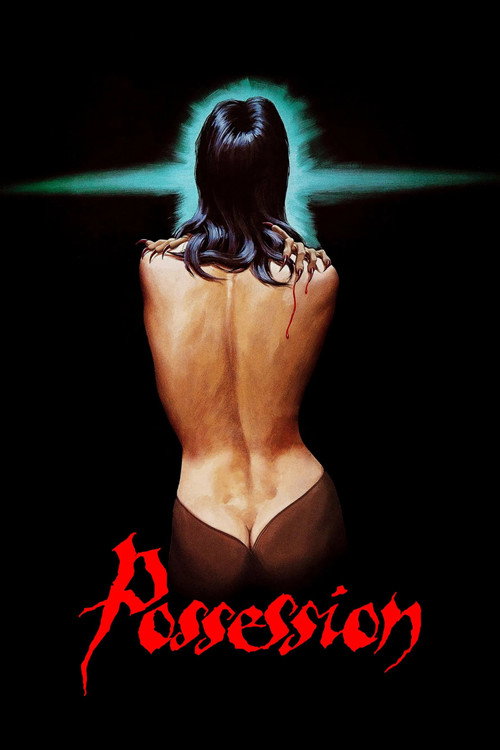
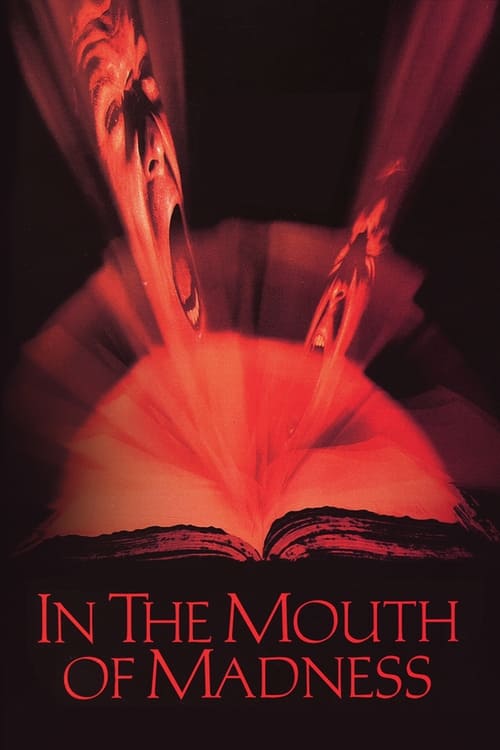
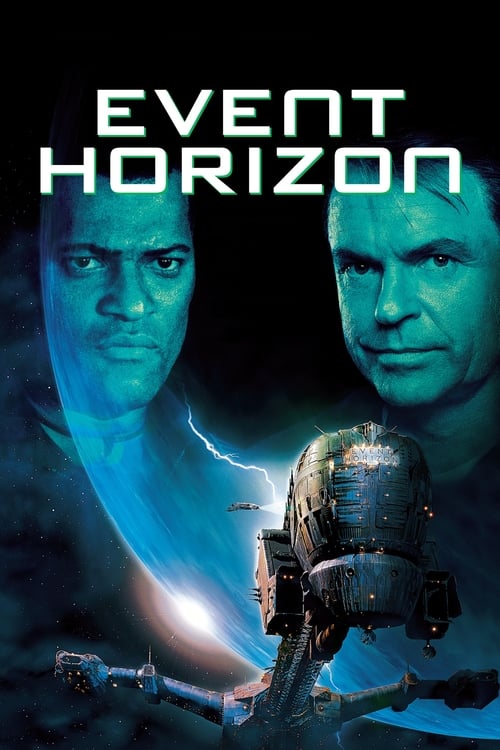
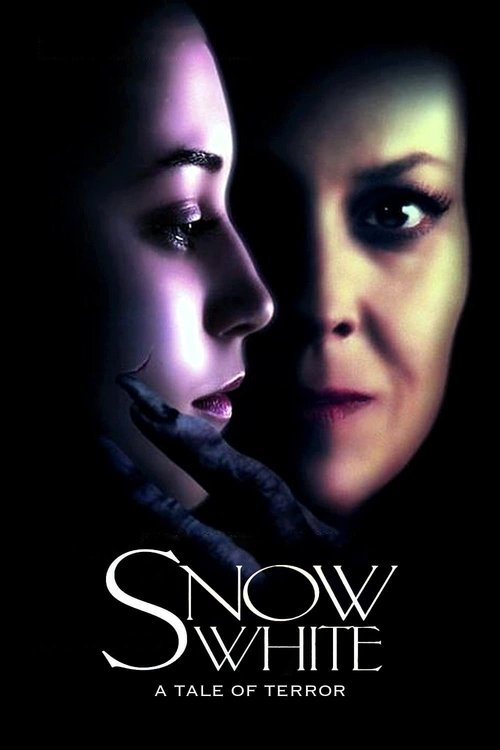
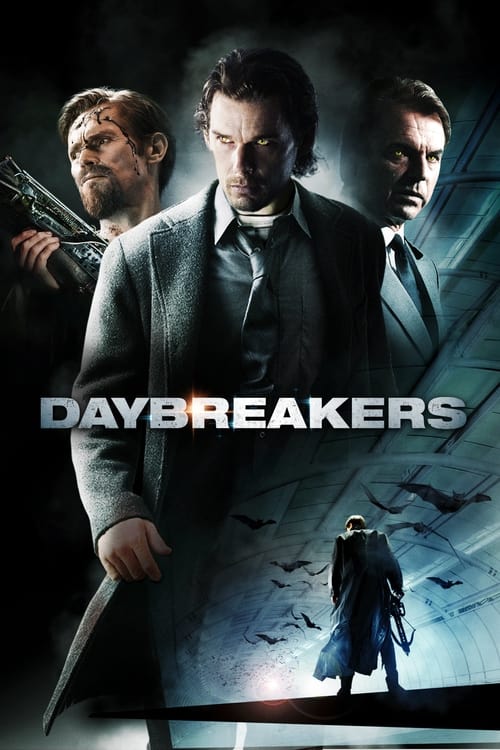
Terror reads better on a sensible face: horror and science fiction kept calling

Fifty years on screen
- 1977The first all-New Zealand 35mm feature opens the new wave Sleeping Dogs
- 1979A leading man, opposite Judy Davis My Brilliant Career
- 1981The genre years begin: a Berlin breakdown and the Antichrist Possession
- 1983The spy who made him famous brings a Golden Globe nomination Reilly: Ace of Spies
- 1989Menace on open water Dead Calm
- 1993The twin peaks arrive in a single year Jurassic Park
- 1995He directs a personal history of New Zealand cinema Cinema of Unease: A Personal Journey by Sam Neill
- 1997The haunted-starship years Event Horizon
- 1998A wizard conjures a US ratings hit Merlin
- 2007The doomed cardinal of prestige television The Tudors
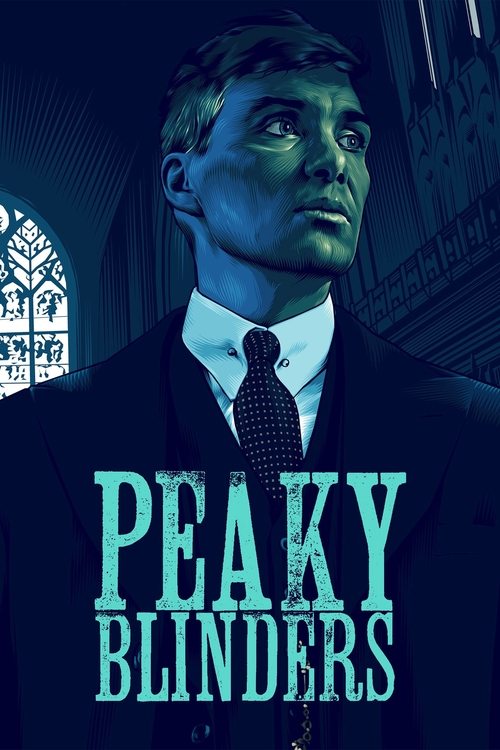
- 2013Chester Campbell gets off the train in Birmingham Peaky Blinders
- 2016The beloved late masterpiece Hunt for the Wilderpeople
- 2022Knighted; one last Grant; the diagnosis Jurassic World Dominion
- 2023The memoir, written mid-treatment Did I Ever Tell You This?
- 2026Dies in Sydney on 13 July, aged 78, cancer free
The television run
Television found Neill early and never let go. Reilly: Ace of Spies in 1983 made him famous, earned a Golden Globe nomination, and led to a 1986 James Bond audition the producers reportedly wanted him to win. He said much later that he had never wanted the part, which is the most Sam Neill sentence imaginable. Across the decades he collected three Golden Globe nominations and two Emmy nominations, played the wizard in Merlin, the doomed cardinal in The Tudors, and, in his sixties, walked into Peaky Blinders as Chester Campbell and gave the show its first real antagonist: a man utterly convinced of his own righteousness, which in the Neill toolkit is far more frightening than rage.
The television run
From Reilly to the final seasons: four decades of small-screen authority

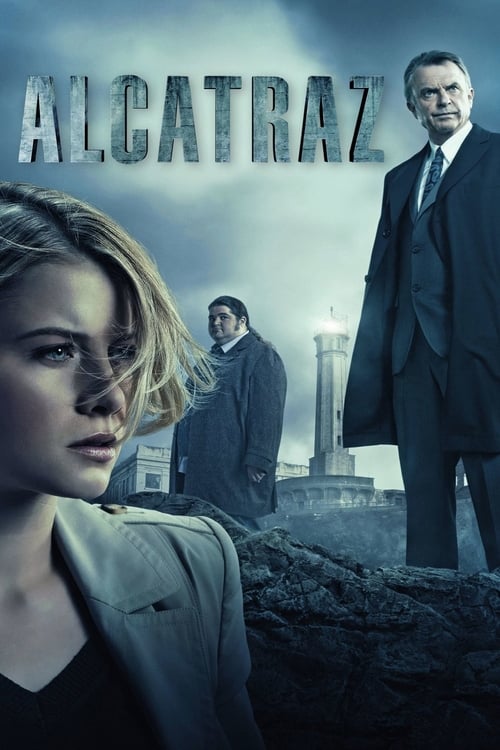
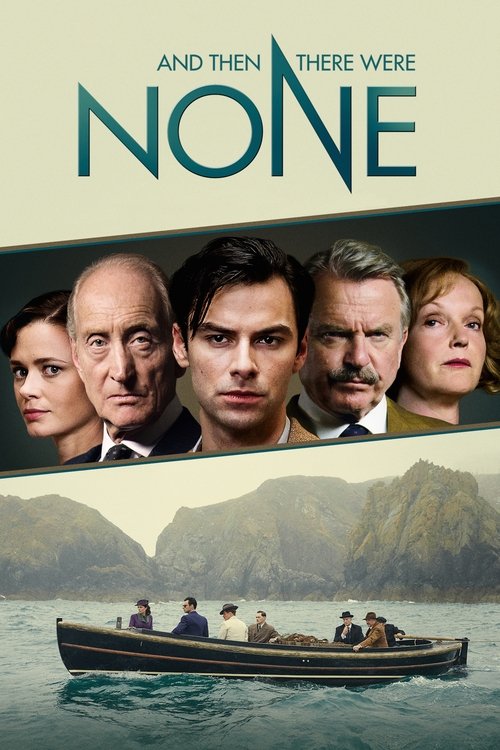

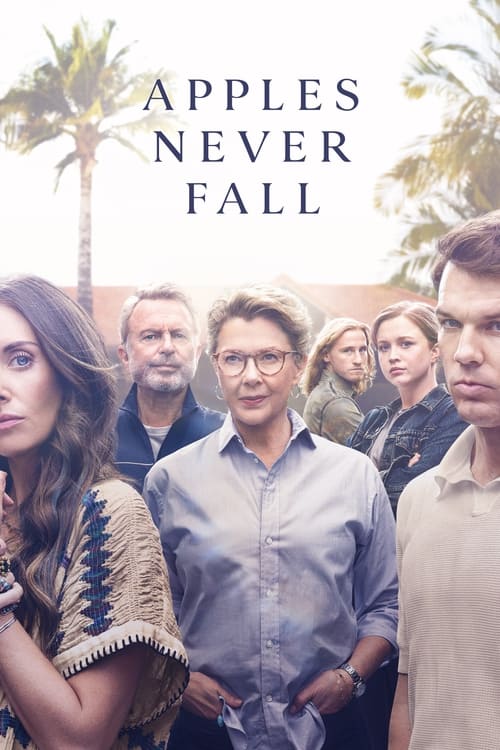
The company he kept
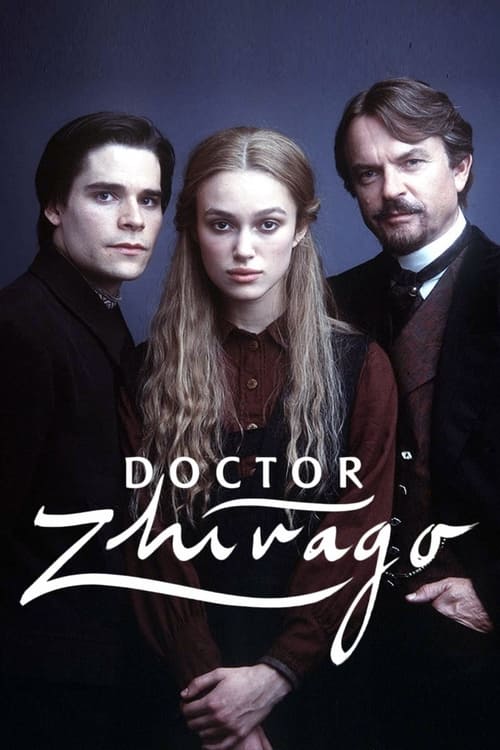
Follow the collaborators: the directors and co-stars who understood what a Sam Neill performance could hold.
1947-2026Sam NeillTwo hundred works across film, television and print, half a century of them, and one completely reliable promise: if Sam Neill is in it, you will believe it. His full filmography lives on his profile.View profile →The vineyard, the memoir, the man
The least secret secret about Neill was that acting funded the life rather than the other way around. From 1993 he built Two Paddocks, a Central Otago vineyard he described, fondly, as a ridiculously time and money consuming business. When stage-3 blood cancer arrived in 2022 he did not retreat; he wrote. Did I Ever Tell You This?, published in 2023, is the rare actor memoir with an actual voice: funny, digressive, allergic to self-pity, honest about fear without ever performing it. In April 2026 he told the world a scan had found no cancer in his body and called it an extraordinary thing. Three months later his heart simply stopped keeping the appointment. The whānau statement said he passed with the dignity that characterized his whole life, and for once the family statement is also the critical consensus.
The memoir is the best place to meet the man
Skip the profiles and go straight to the source. Written in hospital chairs during chemotherapy and never once maudlin about it, Did I Ever Tell You This? reads the way Neill talked: the dinner-guest raconteur who buries the sadness two layers under the joke. It is also, quietly, one of the best books ever written about being famous without being a star, which was his entire career in one sentence.

The Jurassic legacy
Grant's returns, and the films about the film
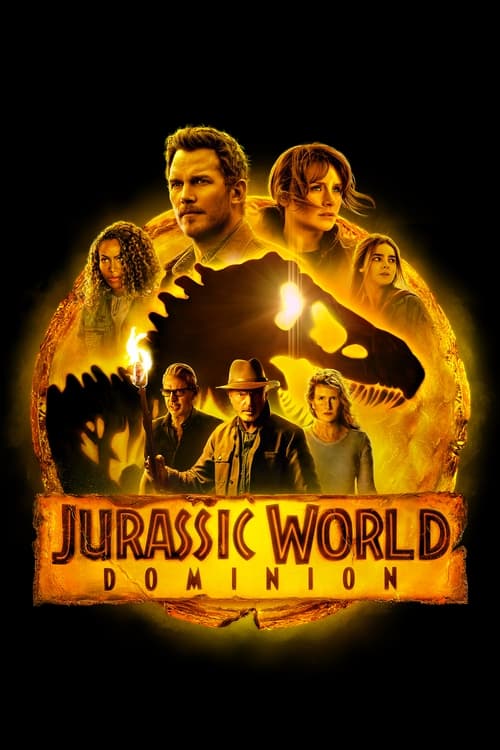
Stars ask to be watched. Sam Neill asked you to believe. That is the rarer gift, and it is why the dinosaur still works.
More guides in his orbit
Cosmic Horror
In the Mouth of Madness is one of the great Lovecraft films that never says Lovecraft. The full guide to indifferent gods and forbidden books.
Explore the Cosmic Horror guide →Frequently asked
How did Sam Neill die?
His family announced that he died suddenly and unexpectedly on Monday 13 July 2026 in Sydney, Australia, at 78. He was cancer free at the end: after four years of treatment for a rare blood cancer (angioimmunoblastic T-cell lymphoma, diagnosed in 2022), he had announced in April 2026 that a scan showed no cancer in his body.
What was Sam Neill's last major role?
His last major screen work included the Australian courtroom drama The Twelve, the Netflix series Apples Never Fall (2024) and the 2025 series Untamed. His final appearance as Dr. Alan Grant was Jurassic World Dominion (2022).
Was Sam Neill knighted?
Yes. He was appointed a Knight Companion of the New Zealand Order of Merit in 2022, redesignated from the Distinguished Companionship he received in 2007, for services to acting. He was also appointed an OBE in 1991.
Where should I start with Sam Neill?
Jurassic Park (1993) for the icon, Hunt for the Wilderpeople (2016) for the heart, Dead Calm (1989) for the thriller years, Possession (1981) for the wild card, and his memoir Did I Ever Tell You This? (2023) for the man himself.