The Perfect Apocalypse Binge
Next month, Ridley Scott puts Jacob Elordi in a small plane over a dead America in his film of Peter Heller's novel The Dog Stars. It is the latest proof of a stubborn truth: the end of the world is the most reliable story we have, and the reason is not the collapse. It is what people carry through it. The best of these are never really about the ruins. They are about the library someone rebuilds inside them.
The genre also loops across media better than almost any other, the same story handed from a novel to a film to a game and back. So here is a starter canon, sorted by how you want to spend the evening.
Read it
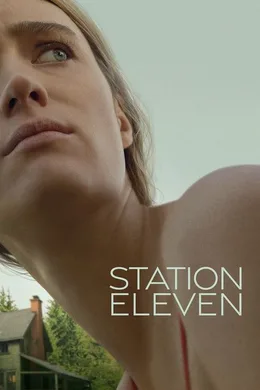
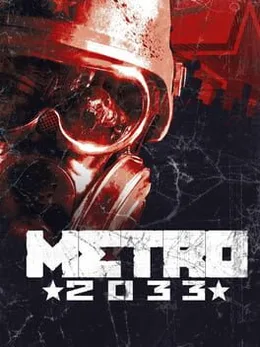
Start with Cormac McCarthy's The Road, the bleakest and most beautiful of them, a father and son and a shopping cart. Station Eleven is its warm opposite, a troupe of actors keeping Shakespeare alive after a flu. The Stand is the sprawling King epic that half this list is quietly descended from, A Canticle for Leibowitz is the strange, funny one about monks preserving knowledge across centuries, and Metro 2033 takes the whole thing underground into the Moscow tunnels.

Watch it
John Hillcoat filmed The Road with a grey that gets into your bones. Children of Men is the genre's technical high-water mark and its most hopeful ending. I Am Legend gave Will Smith an empty New York, Mad Max: Fury Road made the wasteland beautiful and furious, 28 Days Later rebooted the modern zombie, and Snowpiercer put the class war on a train. If you want the whole idea told as heartbreak, WALL-E does it in near silence.
Play it, and watch the loop close
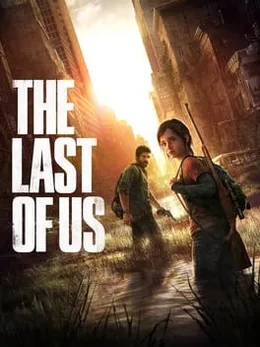
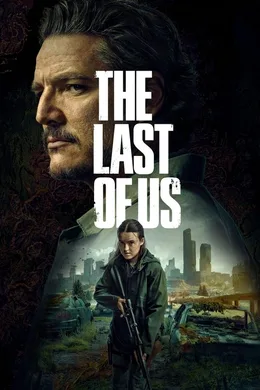
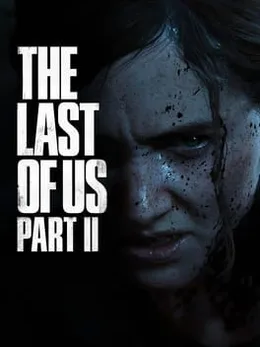
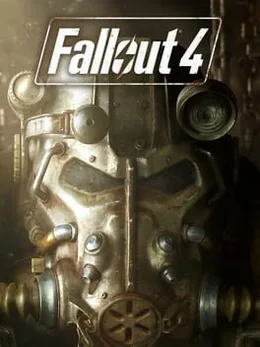
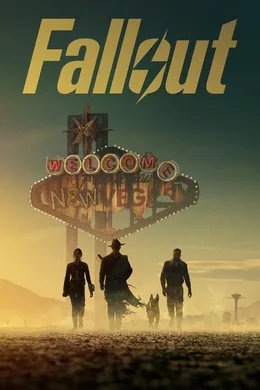
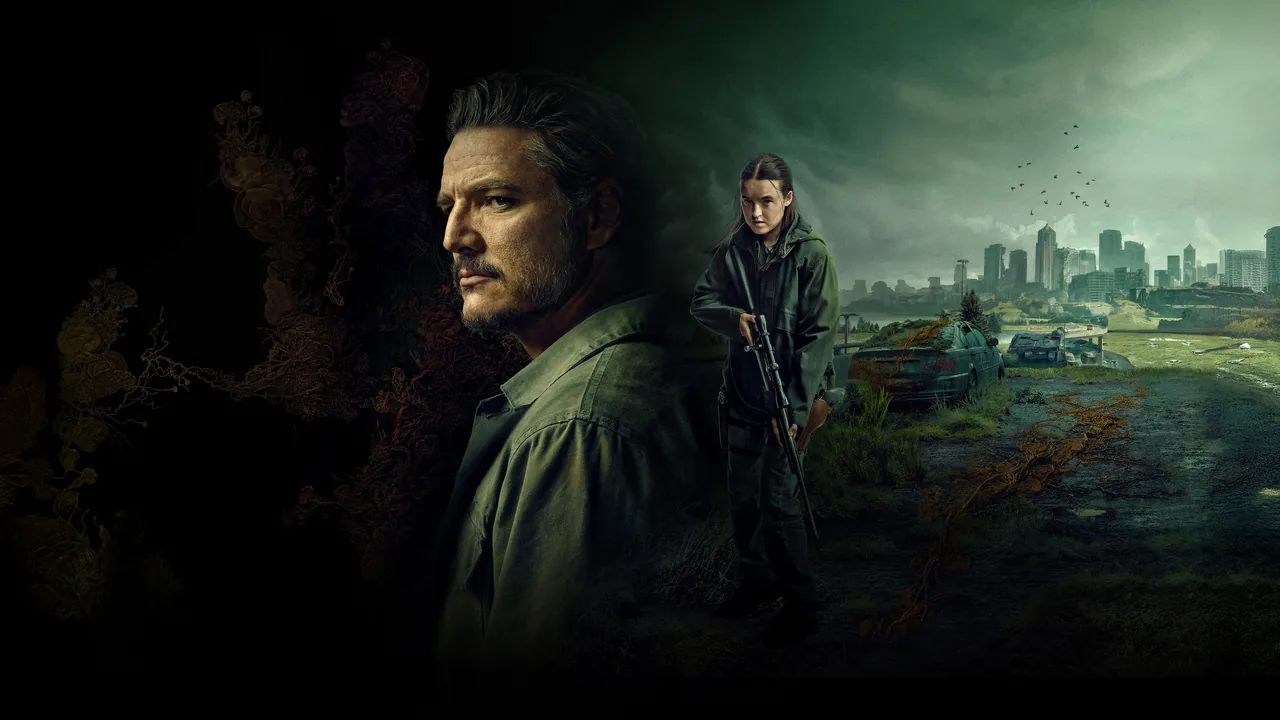
Here is where the genre shows off. The Last of Us was a game about a smuggler and a girl before it became the year's biggest show, and its sequel is the most divisive story in either medium. Fallout was a game world for decades before the television series proved it could translate. Station Eleven went the other way, novel to a quietly perfect miniseries, and Metro 2033 began as a Russian novel and became a beloved shooter. Follow any one of these across its forms and you get the same reward: not the end of the world, but the argument for carrying something through it.