The Unadaptable Novel Has Three Weeks Left
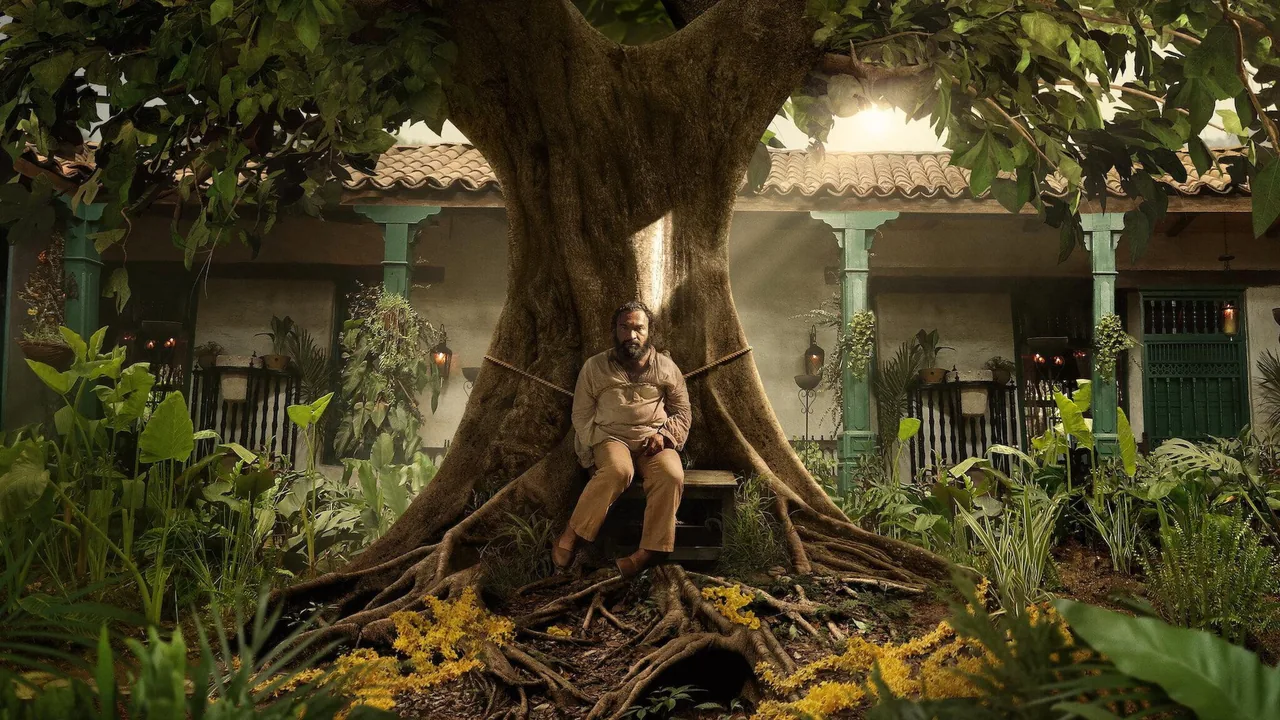
For half a century, Gabriel García Márquez said no. He refused to sell the screen rights to One Hundred Years of Solitude, convinced the story could not survive the time constraints of a feature film and that producing it in any language other than Spanish would not do it justice. His sons finally agreed to an adaptation on their father's terms: shot in Colombia, in Spanish, with the family executive producing. Part 1 of the series arrived in 2024, and Slate ran its review under a headline declaring that it "does the impossible." This Wednesday, August 5, Part 2 arrives: seven episodes spanning the fifty years after Colonel Aureliano Buendía's wars, from Fernanda del Carpio's arrival to the railroad and the banana company, the long slide toward the family's prophesied end.
Netflix is ending it the way Márquez always insisted the story had to be told: at full length. After Part 2, one final chapter remains. On Wednesday, August 26, the saga closes with a Grand Finale that Netflix describes as practically a feature-length film, directed by Laura Mora, who also helms four of Part 2's episodes (Carlos Moreno directs the other three). Francisco Ramos, Netflix's VP of content for Latin America, explained that "the right way to tell the novel in all its scope and ambition required a format beyond that of a standard episode." Sit with the irony for a second. The novel that could never be a movie is ending as one.
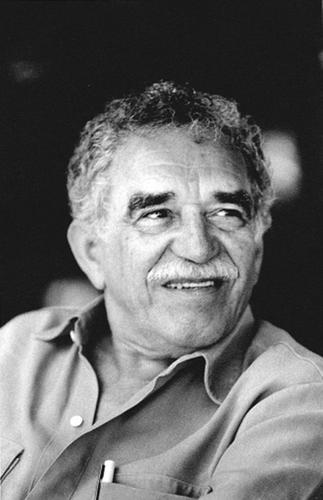
Those three weeks between Part 2 and the finale are the real opportunity here. The novel, published in 1967, translated into 46 languages and past 50 million copies sold, still does something no camera can. Márquez built the book on what he called "history as a circular phenomenon": 22 characters named Aureliano, four named José Arcadio, generations deliberately blurring into one repeating fate. On the page you lose track of who is who, and that confusion is the meaning; time in Macondo is a wheel, not a line. Television has to give every Aureliano a different face, which makes the saga legible and costs it exactly that vertigo. The series is good enough to retire the word unadaptable. It still cannot do what the book does.
So here is the plan for the month. Watch Part 2 this Wednesday. Then put the novel on your nightstand and read it before August 26, so the Grand Finale plays out over a Macondo you have already walked through twice, once in images and once in prose. Three weeks is enough. And when the finale ends and you want more Márquez on screen, the 2007 film of Love in the Time of Cholera is the natural next stop. Few books get a second life this loud six decades after publication. Fewer still hand you three clean weeks to catch up.