
Gabriel Garcia Marquez wrote as though the boundary between the waking world and the dreamworld had simply dissolved. His Macondo is not a fictional village so much as a fever-state, a place where the dead wander back to breakfast, where a plague of insomnia erases the names of things, where beauty and catastrophe arrive on the same afternoon. His prose, whether in a hundred-year family saga or a spare novella about love and cholera, carries the same quality: a lucid matter-of-fact voice reporting the impossible as though it were weather. To read him is to feel the whole of Latin America, its heat, its longing, its furious politics, condensed into a single sentence that refuses to end.
Essential Garcia Marquez
The core novels and stories, ranked for first-time readers and devotees alike


Garcia Marquez on Screen
Adaptations of his novels and original screenplays
If You Love the Magic: Novels Where Reality Bends
Books that treat the uncanny as an ordinary fact of life


Latin American Voices: Authors Who Share the Bloodline
The Boom and beyond, writers Garcia Marquez championed or inspired


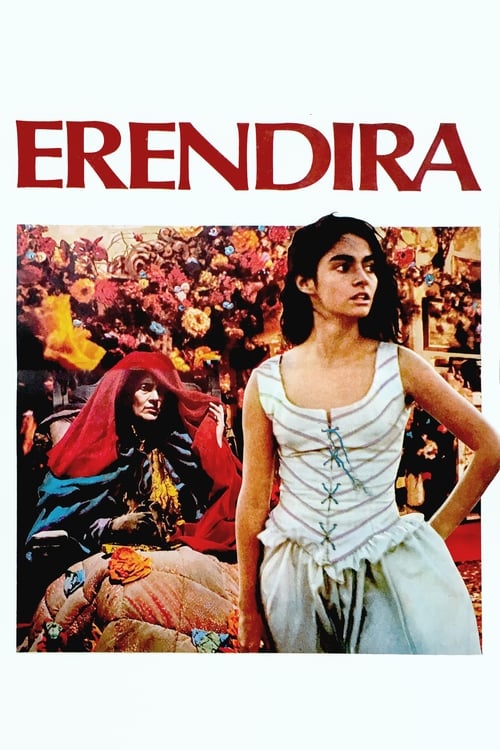
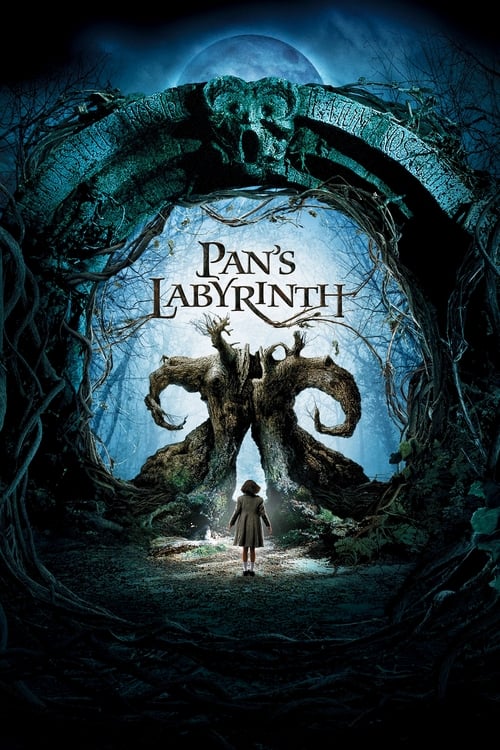
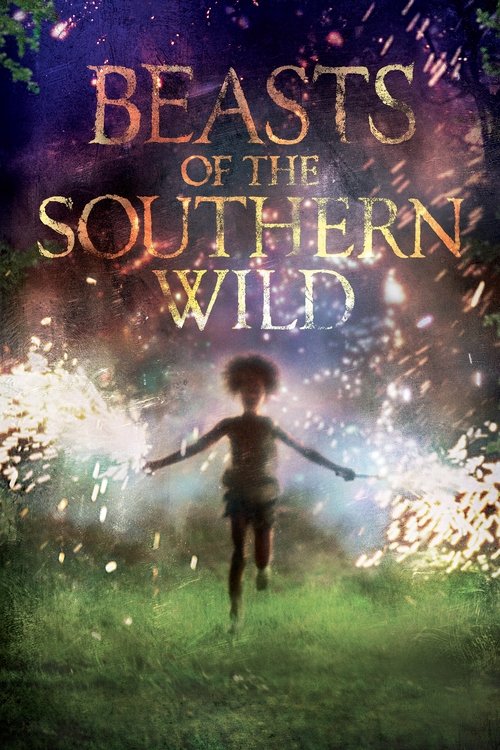
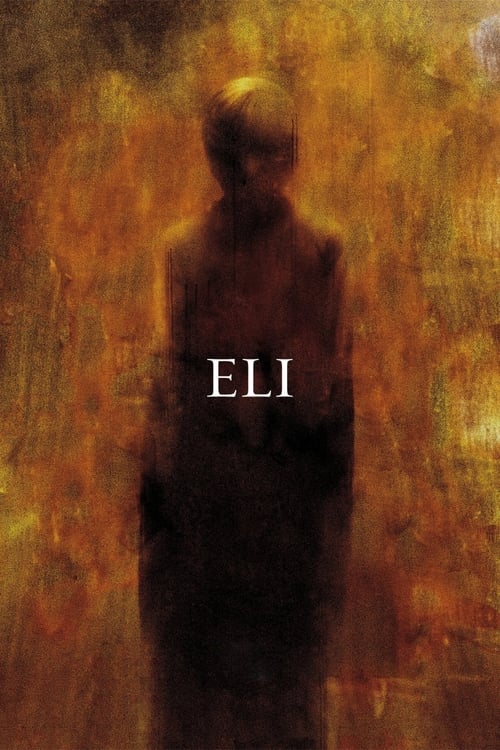
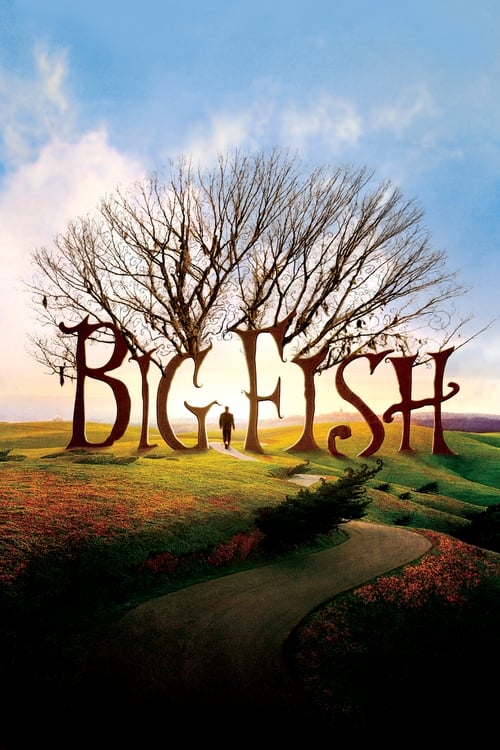
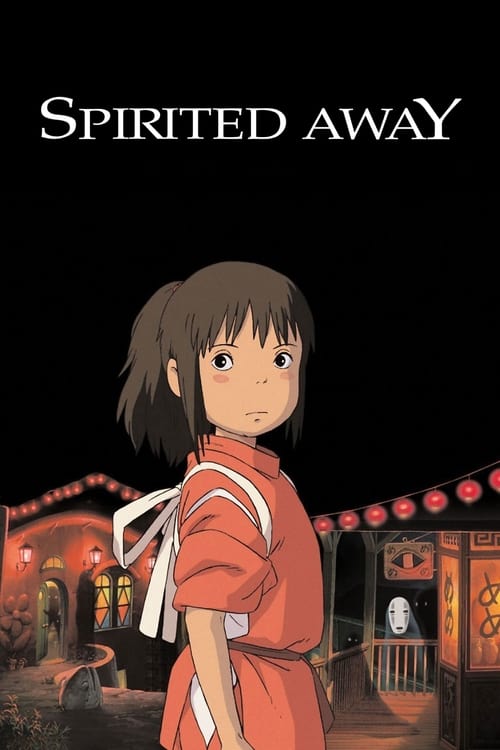
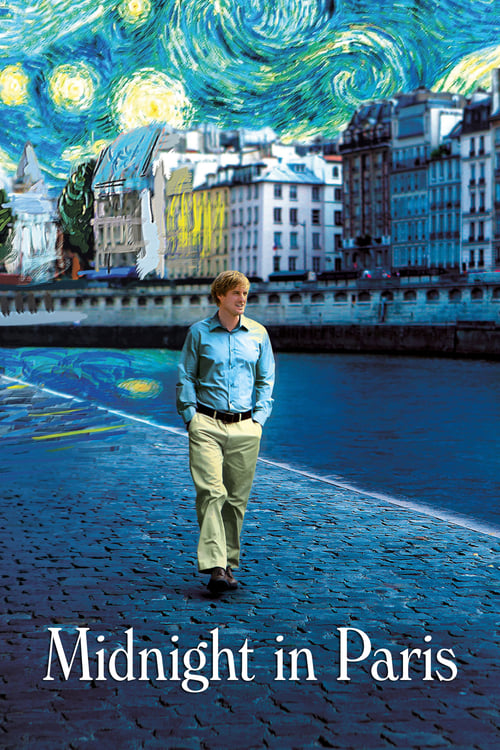
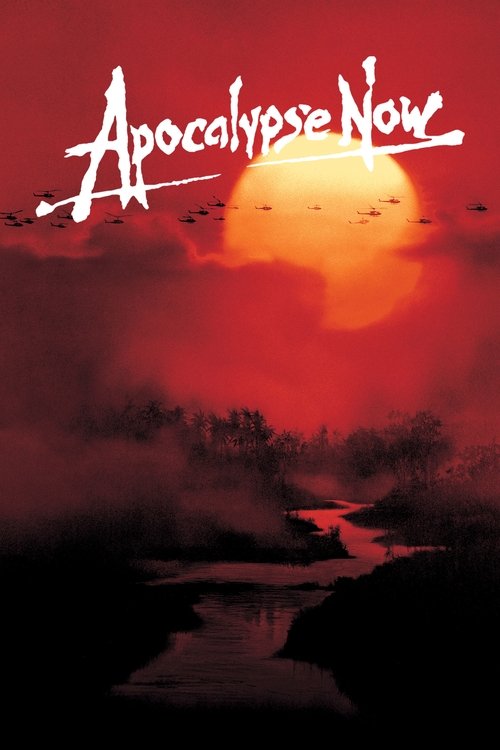
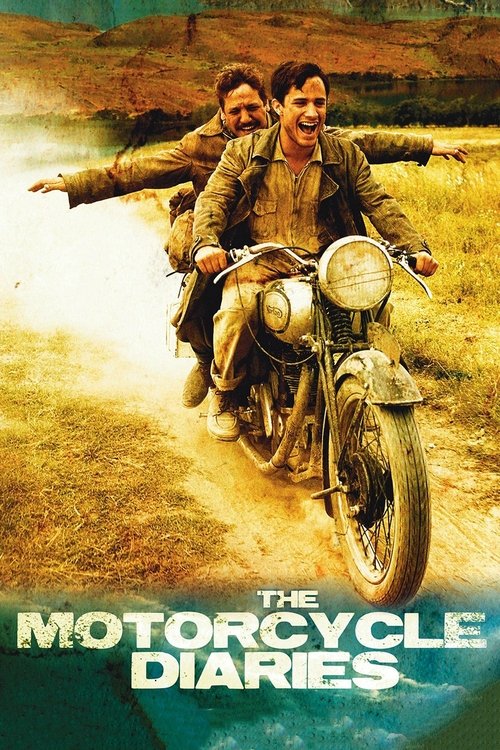
Magical Realism on Screen: Films and Series With the Same Dream Logic
Cinema that blurs myth, memory, and the everyday with the same breath as Macondo



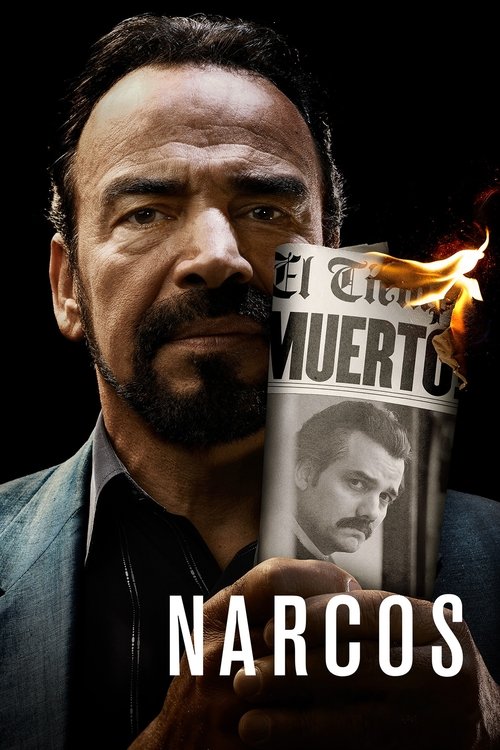

The Political Soul: Dictatorship, Memory, and Resistance
For readers drawn to Garcia Marquez's portrait of power and its wreckage




One Hundred Years of Solitude Is the Novel of the Twentieth Century
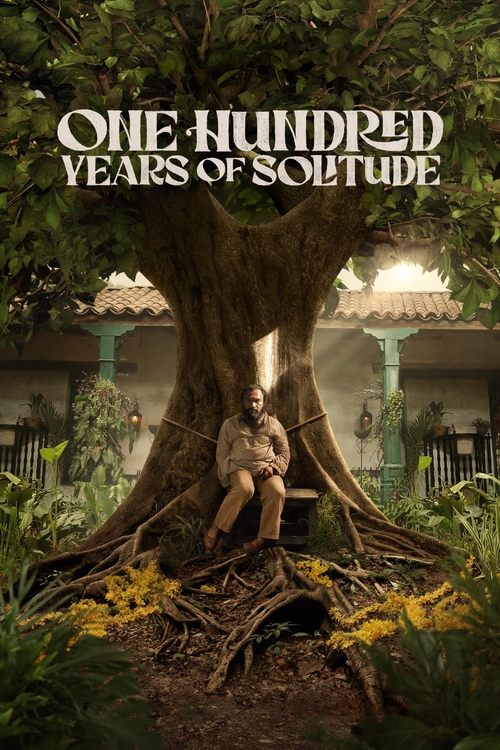
That claim is not hyperbole. No other novel of its era conjures an entire civilization, follows its rise and extinction across generations, and still manages to feel intimate, funny, and unbearably sad at the same time. The Buendia family tree is one of literature's great comic devices, a loop of repeated names and doomed fates, but Garcia Marquez makes you feel each life as singular. When Jose Arcadio Buendia ties himself to a tree to stop himself from going mad, you believe the tree. When Remedios the Beauty ascends to heaven while folding laundry, you believe the laundry.
Love in the Time of Cholera Rewrote What a Love Story Could Be
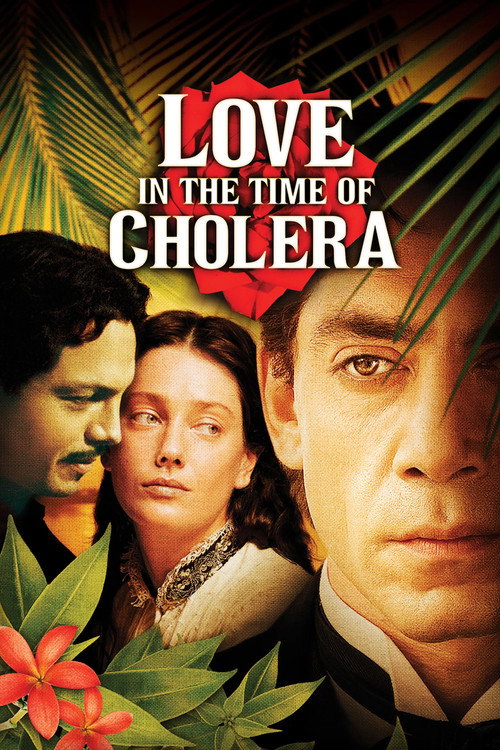
Most love stories end at the altar or in tragedy. Garcia Marquez's begins at old age and asks what 51 years of longing actually does to a man. Florentino Ariza is ridiculous and heroic in equal measure: a man who fills 622 notebooks waiting for Fermina Daza to be free to love him. The novel insists that passion does not burn out with youth, and that desire and dignity can coexist in a body that is failing. It is funnier than its reputation suggests, and more devastating than any summary can convey.
Chronicle of a Death Foretold Proves He Could Strip Everything Away
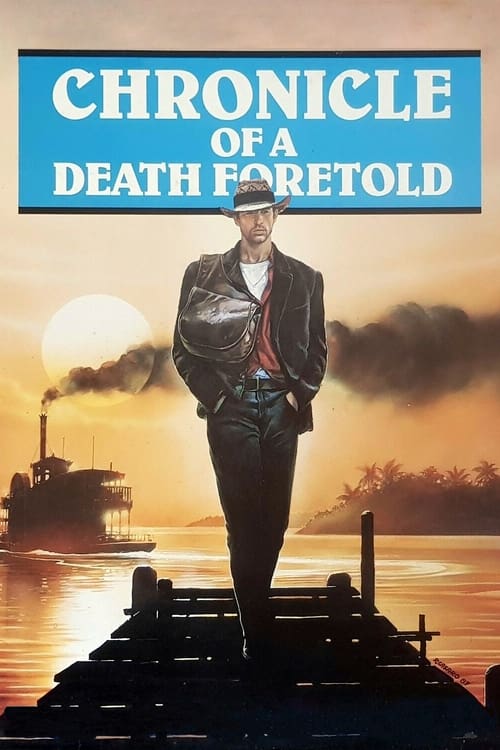
One Hundred Years of Solitude is maximalist. Chronicle of a Death Foretold is the opposite: a novella that announces the ending in the title and then spends 120 pages asking how a murder everyone knew was coming could not be stopped. It is Garcia Marquez as structural architect, as moral philosopher, as journalist (it is based on a real killing). The horror is not the act but the system, the codes of honor and collective paralysis that allowed it to happen. It reads like a thriller and lands like a verdict.
The Netflix Series Is the Adaptation Fans Waited 50 Years For
Garcia Marquez himself spent decades resisting adaptations of One Hundred Years of Solitude, fearing that no medium could hold it. The 2024 Netflix series, produced with the blessing of his family, proves the old fears were at least partly wrong. Shot entirely in Colombia with a Spanish-language cast, it captures the humid weight of Macondo, the repetition of names and fates, and the matter-of-fact magic that makes the novel so strange. Whether it can match the novel's final sentence is another matter entirely, but as television it is extraordinary.
Garcia Marquez: A Life in Works
- 1928Born in Aracataca, Colombia, the town that would become Macondo
- 1955Leaf Storm published, his first novel, introducing the Macondo world Storm
- 1961No One Writes to the Colonel published, spare and devastating No One Writes to the Colonel and Other Short Stories
- 1967One Hundred Years of Solitude published in Buenos Aires, changes Latin American literature
- 1975The Autumn of the Patriarch, his most experimental novel, a single 400-page sentence about tyranny The Autumn of the Patriarch
- 1981Chronicle of a Death Foretold, a novella that became an instant classic Chronicle of a Death Foretold
- 1982Awarded the Nobel Prize in Literature
- 1985Love in the Time of Cholera published
- 1989The General in His Labyrinth, a fictional account of Bolivar's last journey
- 2002Living to Tell the Tale, the first volume of his memoir, published
- 2014Dies in Mexico City, April 17
- 2024Netflix series of One Hundred Years of Solitude premieres, first authorized adaptation One Hundred Years of Solitude
Magical realism, myth and memory
Magical Realism
Explore the Magical Realism guide →A person does not belong to a place until there is someone dead under the ground.Gabriel Garcia Marquez, One Hundred Years of Solitude