Is John Carpenter's Third Act Real?
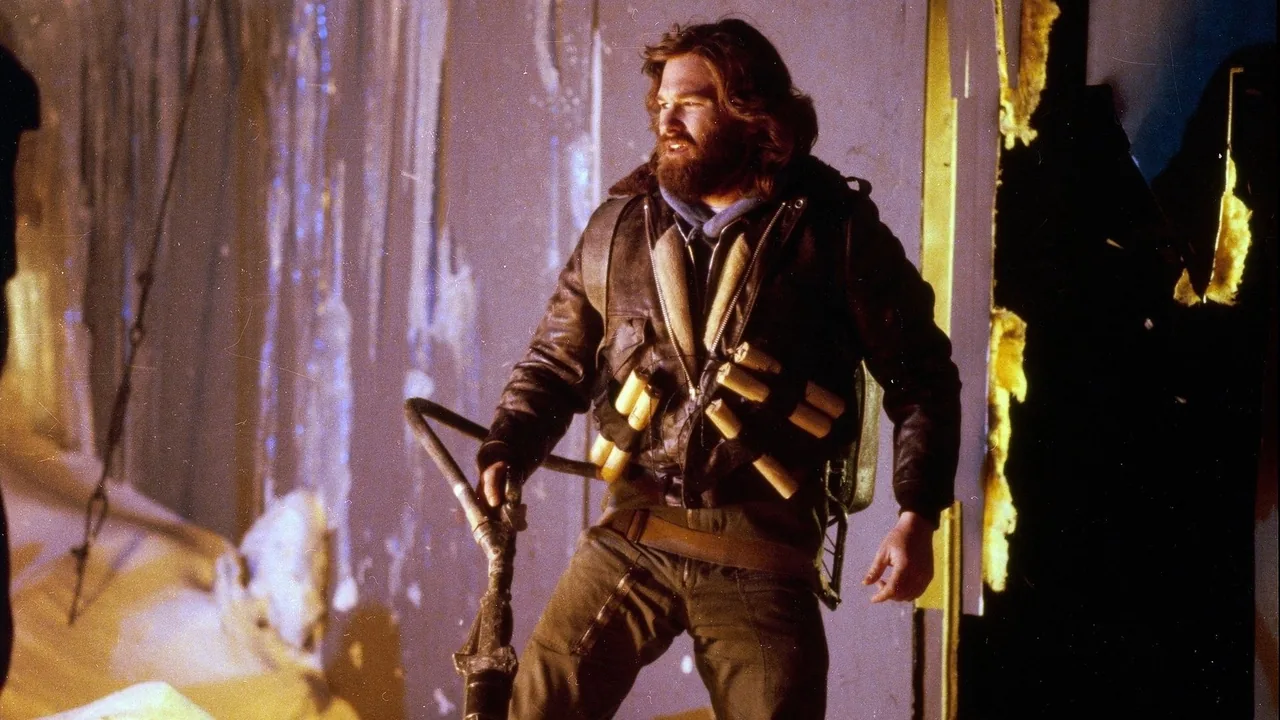
John Carpenter has not directed a feature film in over a decade. He has made records instead, toured them, and quietly built a second body of work. Last Friday, August 7, he released Cathedral on Sacred Bones, a fourteen-track synth-metal concept album written alongside a graphic novel of the same name from Storm King Comics, which he created with Sandy King and the writer Sean Sobczak. Album of the Year has the record at 74 across eight reviews, and not one of those eight reviews says 74. Spill Magazine handed it a perfect score. Far Out Magazine gave it a 40. A spread that wide is two groups of people arguing about what the man who wrote the Halloween theme is actually for.
Carpenter belongs to a very small group of people in entertainment who authored both halves of their own work. He wrote and directed the films, then wrote the music that tells you how to feel about them. Assault on Precinct 13 is a bassline and a hi-hat doing more for that siege than the budget ever could. Escape from New York sells a ruined Manhattan on synthesizer arpeggios and almost no visual effects. They Live runs on a slow blues shuffle that makes the whole conspiracy feel bored and inevitable. Christine gives a car a pulse. Even Big Trouble in Little China opens with a rock theme by Carpenter's own band, telling you exactly how seriously to take what follows.
Those films sound the way they do because the composer was standing behind the camera. One person, two decisions, no negotiation.

So is the record any good
Cathedral is the heaviest thing Carpenter has put his name to, and it is a genuine metal album rather than a synth album with guitars bolted on afterwards. Daniel Davies plays guitar, his son Cody Carpenter plays keyboards, and the three have toured together long enough to sound like a band instead of a project. Blabbermouth's Dom Lawson scored it 8 out of 10 and argued the heavier direction is no "lazy compromise", that these compositions "transcend genre and seem to pour directly from the auteur's brain". Spill Magazine went to full marks, writing that Carpenter "has always excelled at the 'less is more' approach to music, but it is here in Cathedral that this discipline is used to build something claustrophobic and heavy".
Far Out Magazine heard a tone problem in the same fourteen tracks. Whatever the metal adds, its reviewer wrote, it "robs the album of its Gothic dread". NARC put it more bluntly: "Synths and metal don't really mix well anyway, so while it builds tempo and atmosphere it lacks punch."
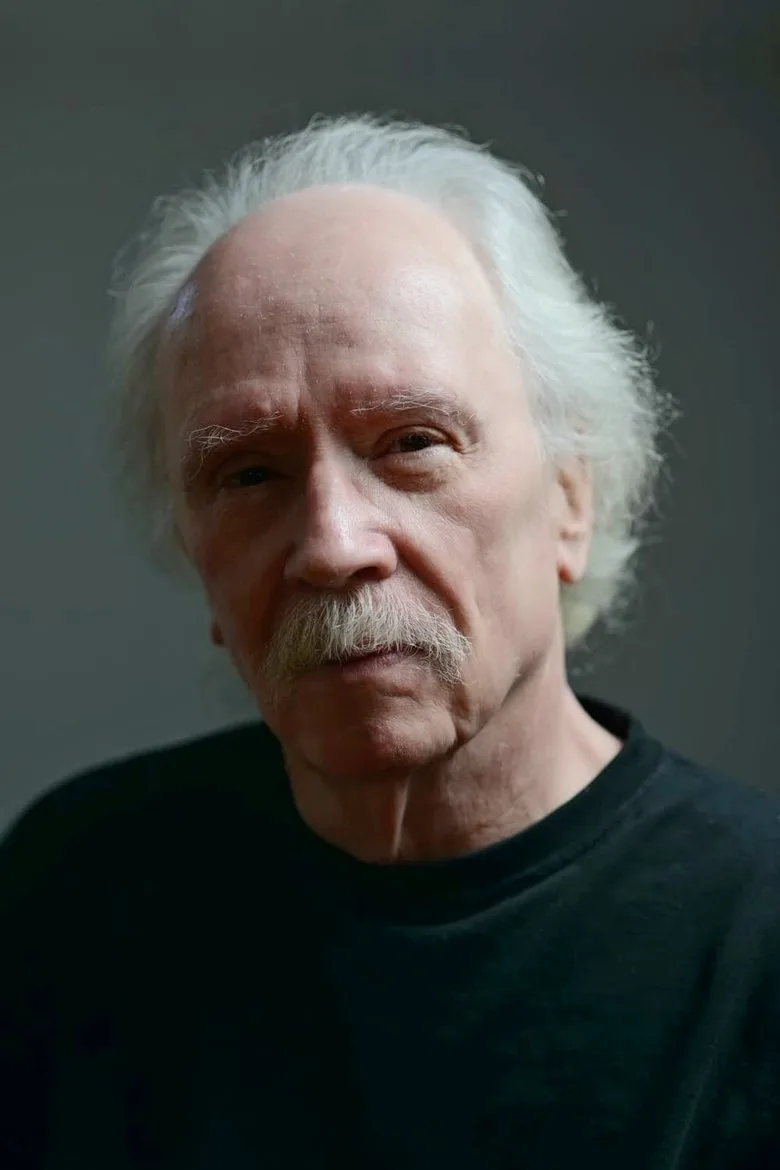
Here is my call. The third act is real. Cathedral is just not the best evidence for it.
The third act is real because Carpenter is visibly not coasting. He told EntertainmentNow that the album was not even his own idea: "I forget when, how soon I told the dream to Daniel Davies, my godson. And he eventually came up with the idea of doing an album. It was his idea. I hadn't thought of it." A legend cashing a name cheque does not let his guitarist set the brief and then write fourteen pieces of music to a comic script. The dream was his, from 2024, and so is the story: a gruesome murder in downtown Los Angeles, three officers following it into an abandoned cathedral that turns out to be a door to hell.
But Far Out has a point, and it is the one his defenders keep conceding by accident. Notice what everybody who likes this album praises. Restraint. Spill's compliment is literally the phrase "less is more". Carpenter's music was never frightening because it was loud. It was frightening because it left the room mostly empty and made you furnish it yourself. The strongest stretches of Cathedral still know that, and they are the quiet ones: "Abandoned Cathedral", "The Mapmaker", "The Ferryman". The weakest are the ones where a guitar arrives to occupy silence that was managing fine alone.
The way in
If you know the films but have never sat with the music on its own, start with Assault on Precinct 13. It arrived two years before Halloween and it is the blueprint: one bass figure, one drum pattern, absolute confidence. After it, the Halloween theme stops sounding like a horror cliche and starts sounding like the second draft of a very good idea.
If you want to rewatch one film specifically for what the score is doing, make it Escape from New York, and turn it up. The synthesizers are building sets the budget could not afford, and once you notice it you cannot stop. Then use The Thing as your control group. It is the one masterpiece here he handed to somebody else: Ennio Morricone wrote that score, with Carpenter and Alan Howarth adding a few electronic cues underneath, and it is still the most frightening thing on the list.
And Cathedral itself: worth the fourteen tracks if you already like this band, and best played the way Carpenter asks for it. Put it on, read nothing, let the film run behind your eyes. If you have never listened to a Carpenter record on purpose, though, this is the wrong door. Take the old scores first, and come back to the cathedral once you know what his silence sounds like.