
The Shape in the Dark
John Carpenter made a career out of the thing you almost see. His films are set in places you recognize: small towns, Antarctic research stations, Los Angeles alleys. But something has gone wrong there, quietly and completely. The threat is not supernatural so much as inexplicable, and that gap between what you can see and what you cannot is where Carpenter lives. His work is defined by a specific American dread: the feeling that institutions will not save you, the authorities will get it wrong or are themselves compromised, and the only honest response to evil is to admit how badly outmatched you are.
He is also a musician, and this matters. The synth scores he composed himself, spare arpeggios repeated until they burrow into the back of your skull, are as essential to the experience as anything on screen. Mood is architecture in Carpenter. He builds a room with a four-note loop and waits for you to realize you cannot leave.
A Carpenter fan is not drawn to his films for shock or gore. They are drawn to the texture: the amber and blue light, the widescreen compositions that refuse to give you what you want to see, the working-class protagonists who are competent and human without being heroic. And underneath all of it, a refusal to flatter the audience or soften the ending.
Essential John Carpenter
The films, in rough order of where to start


Start with The Thing, not Halloween
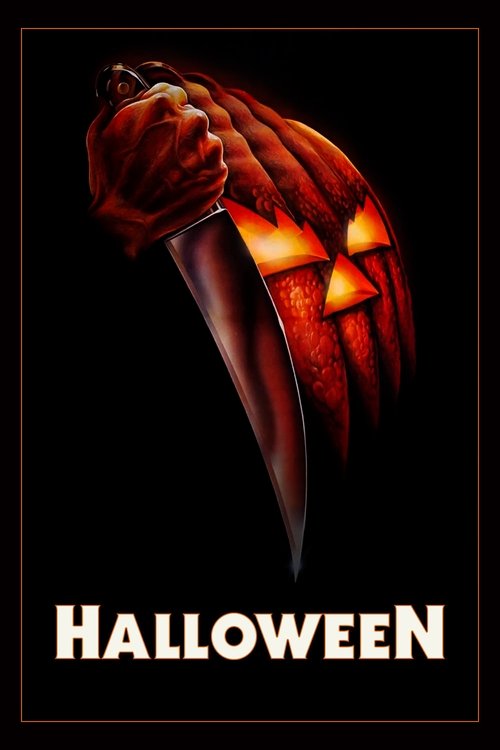
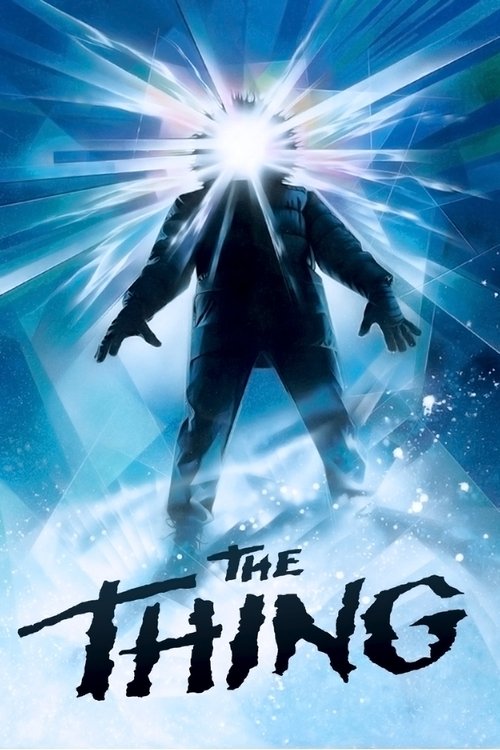
The Thing (1982) is the more complete film. It has the paranoia, the synth score, the practical effects that still hold up because they are wrong in exactly the way flesh should not be, and a final scene that is one of the great endings in horror cinema. Halloween is the essential primer on his technique, but The Thing is where the philosophy is fully formed: trust no one, read the evidence carefully, and accept that some situations have no good outcome.
Paranoia and Dread: Slow-Burn Horror
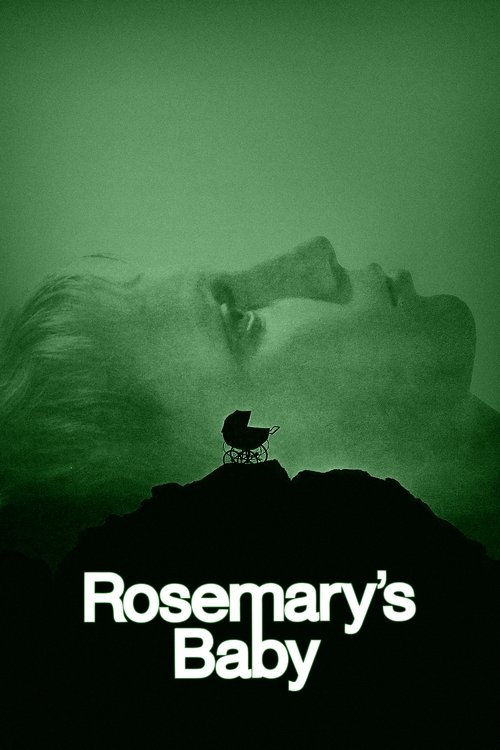
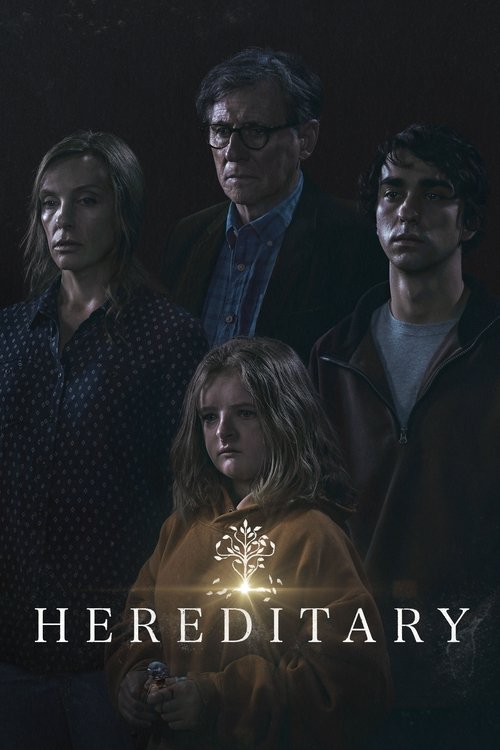
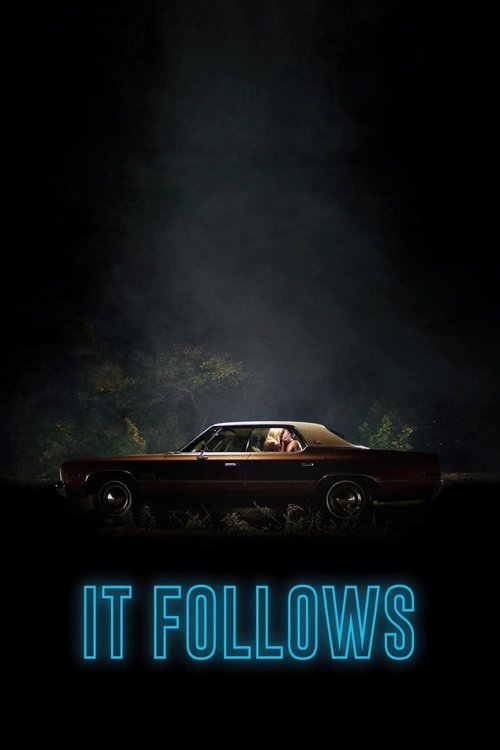
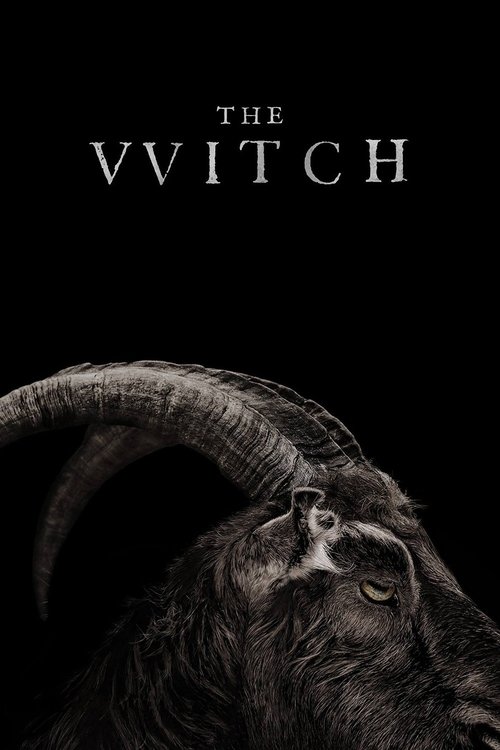
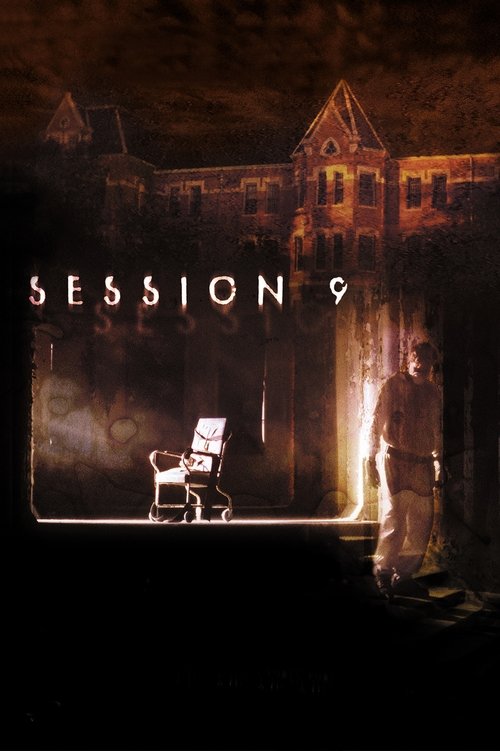
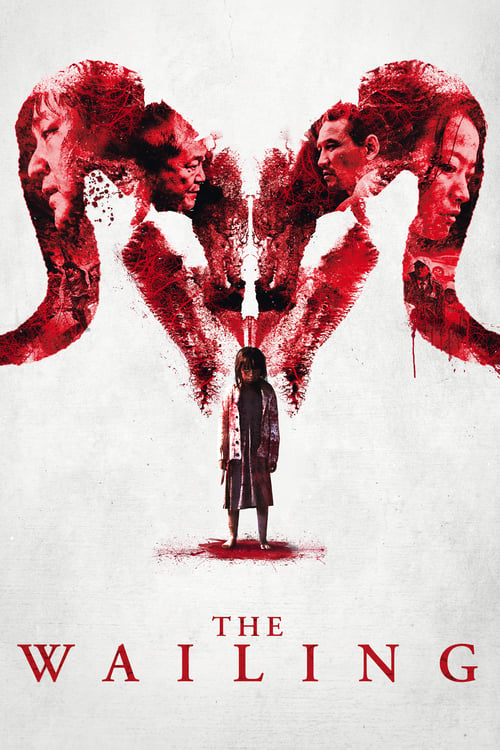
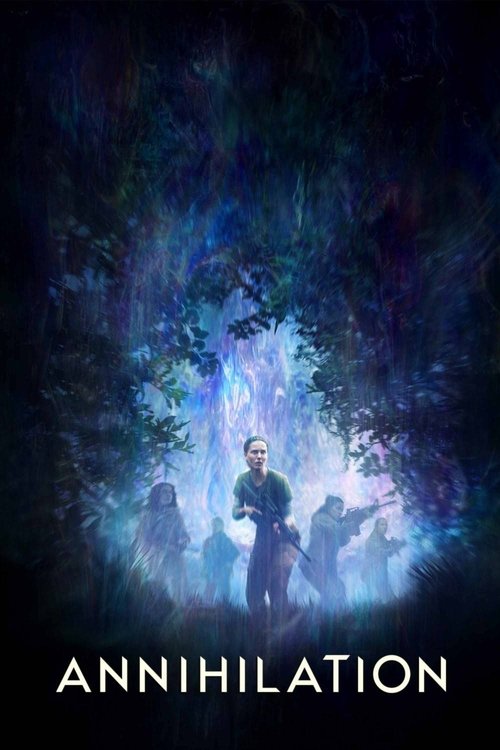
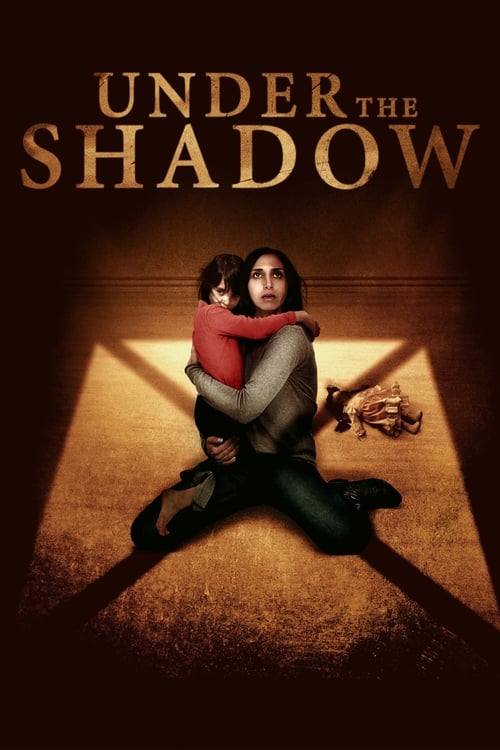
Films that share Carpenter's patience and refusal to reassure

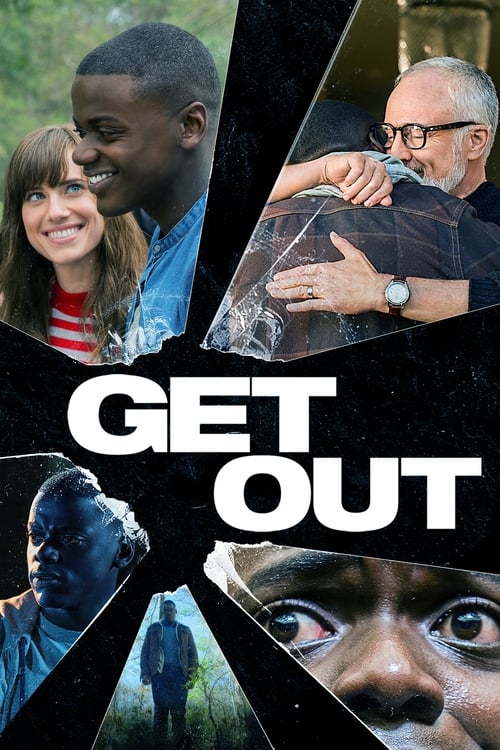
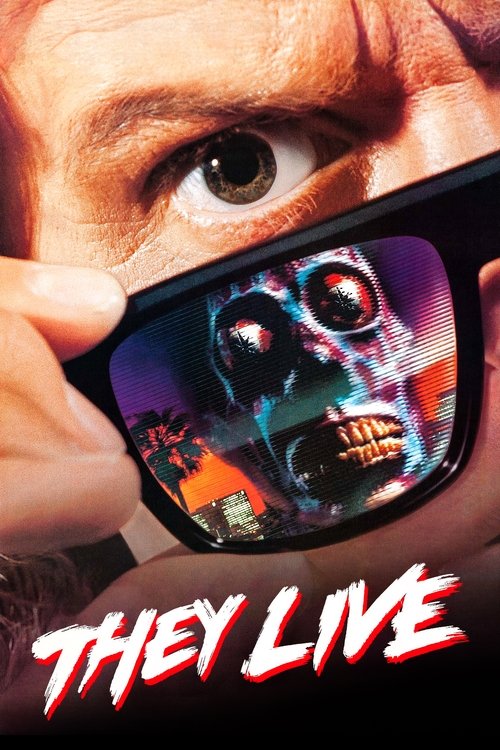
They Live is the most relevant film he made
Shot in 1988, They Live describes a world where the ruling class has brainwashed the population into compliance through mass media, and the only people who can see it are the ones with nothing left to lose. Carpenter spent very little money making it and did not intend it as subtle allegory. The sunglasses scene remains the most economical piece of political filmmaking in genre cinema, and the alley fight sequence is both very funny and somehow also serious.
Something Has Gone Wrong Here: Horror Fiction
Books that share his paranoia, his dread of the inexplicable, and his sympathy for the doomed


In the Mouth of Madness is the underrated peak
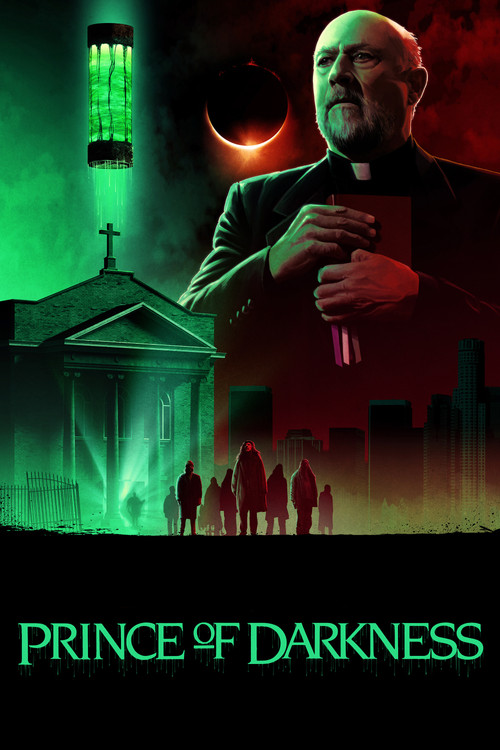
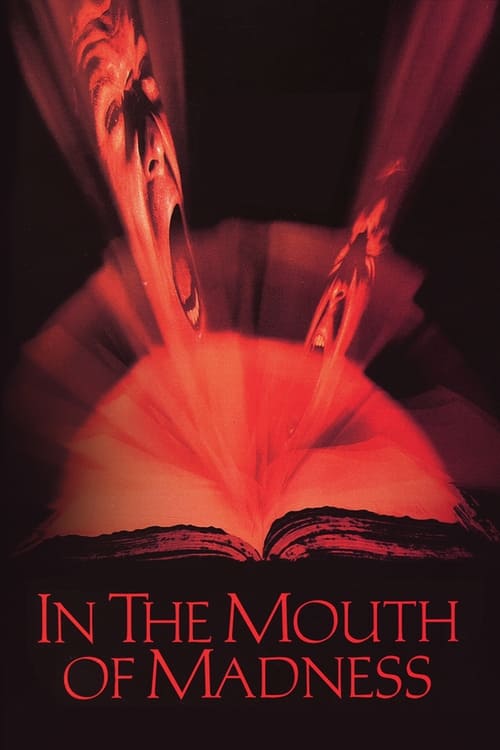
In the Mouth of Madness (1994) closes out his loose Apocalypse Trilogy (with The Thing and Prince of Darkness) and it is the most formally ambitious of the three. It asks whether reality is a collective agreement that can be rewritten by fiction, and it does not conclude reassuringly. Sam Neill is perfect here, and Carpenter's control of when to withhold and when to finally show is as precise as anything in his filmography. It gets mentioned less often than it should.
I make movies that scare me. If they don't scare me, they won't scare anyone.John Carpenter
Siege Mentality: Outgunned, Cornered, Surviving
The Carpenter protagonist is never a hero. Just a person who refuses to quit.
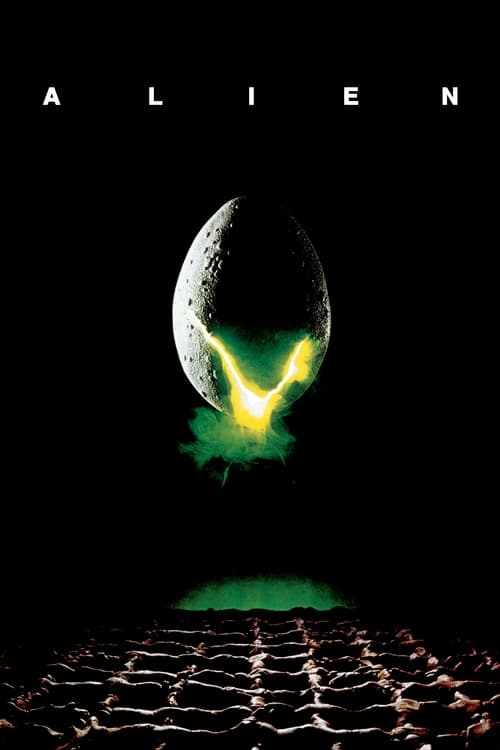

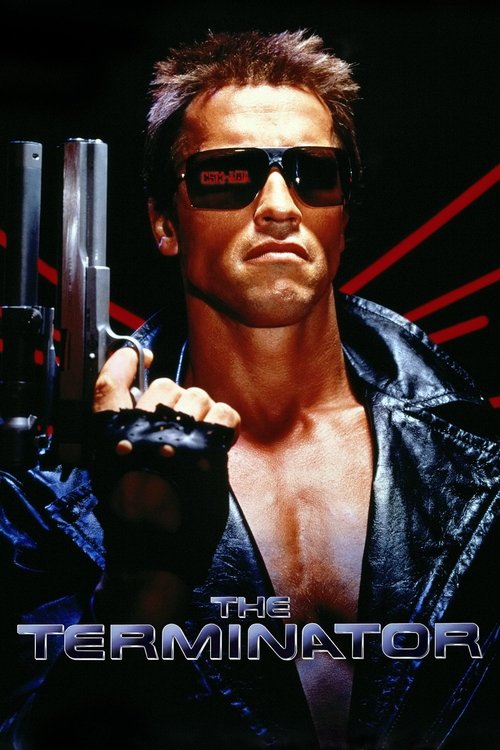
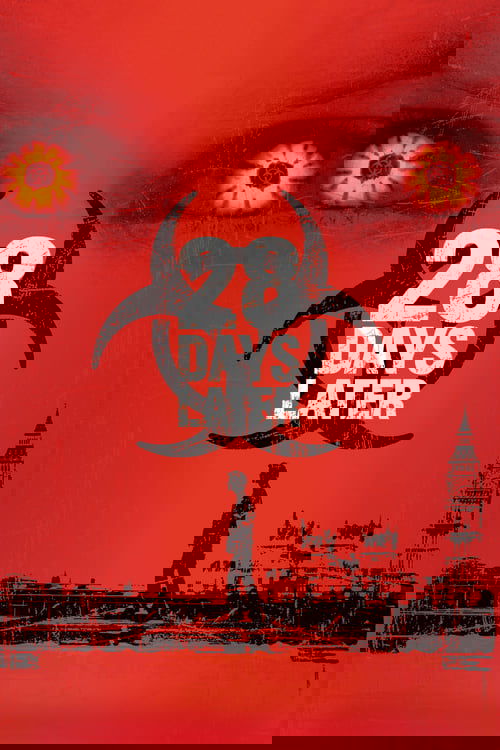
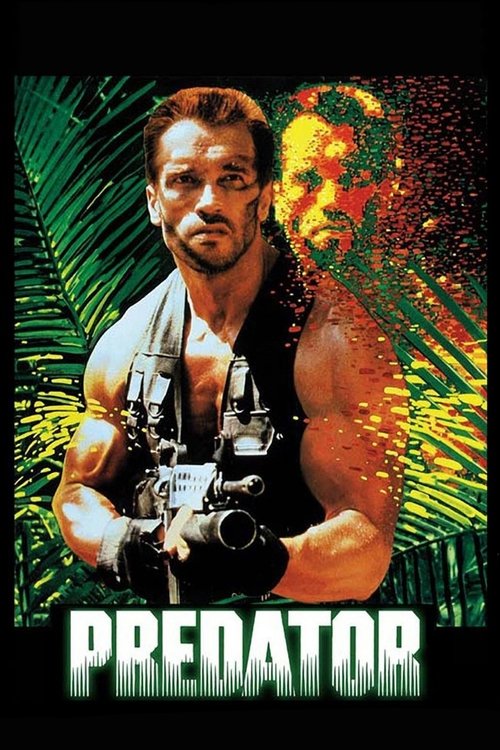

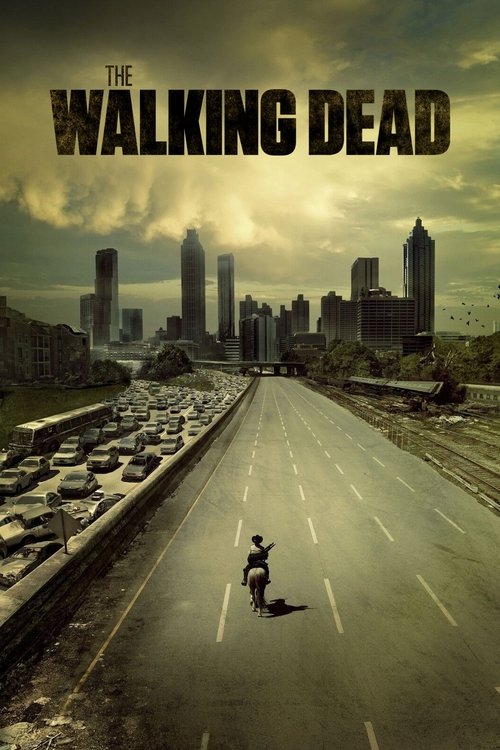
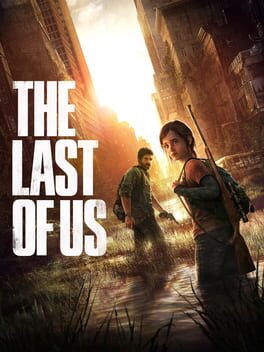
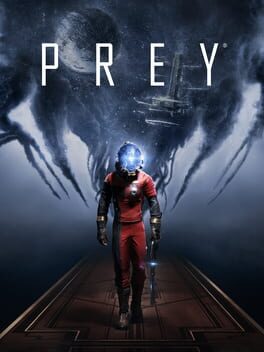
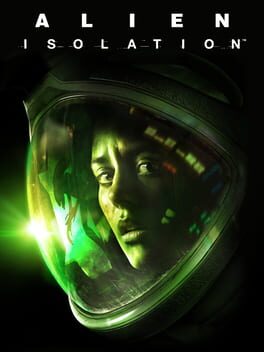
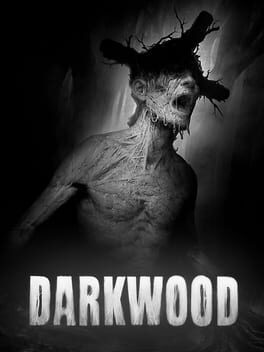
The spiritual successors are making games, not films
The aesthetic territory Carpenter pioneered has found its richest successors in survival horror games: isolated survivors, an enemy that cannot be fully known, atmosphere as the primary storytelling tool. Alien: Isolation and Prey specifically feel like Carpenter films you inhabit. The pacing, the refusal to hand you information you want, the sense that the environment itself is hostile: these games understand his work better than most of the films that cite him as an influence.
Four Decades of Dread
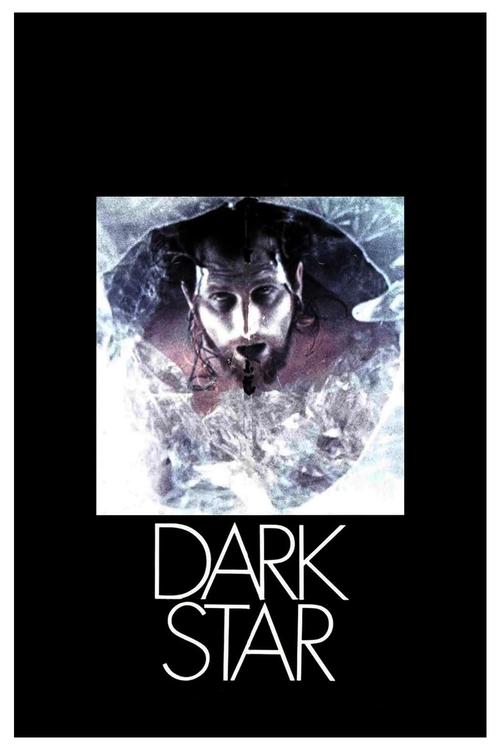
- 1974Debut feature Dark Star released Dark Star
- 1976Assault on Precinct 13 establishes the siege template Assault on Precinct 13
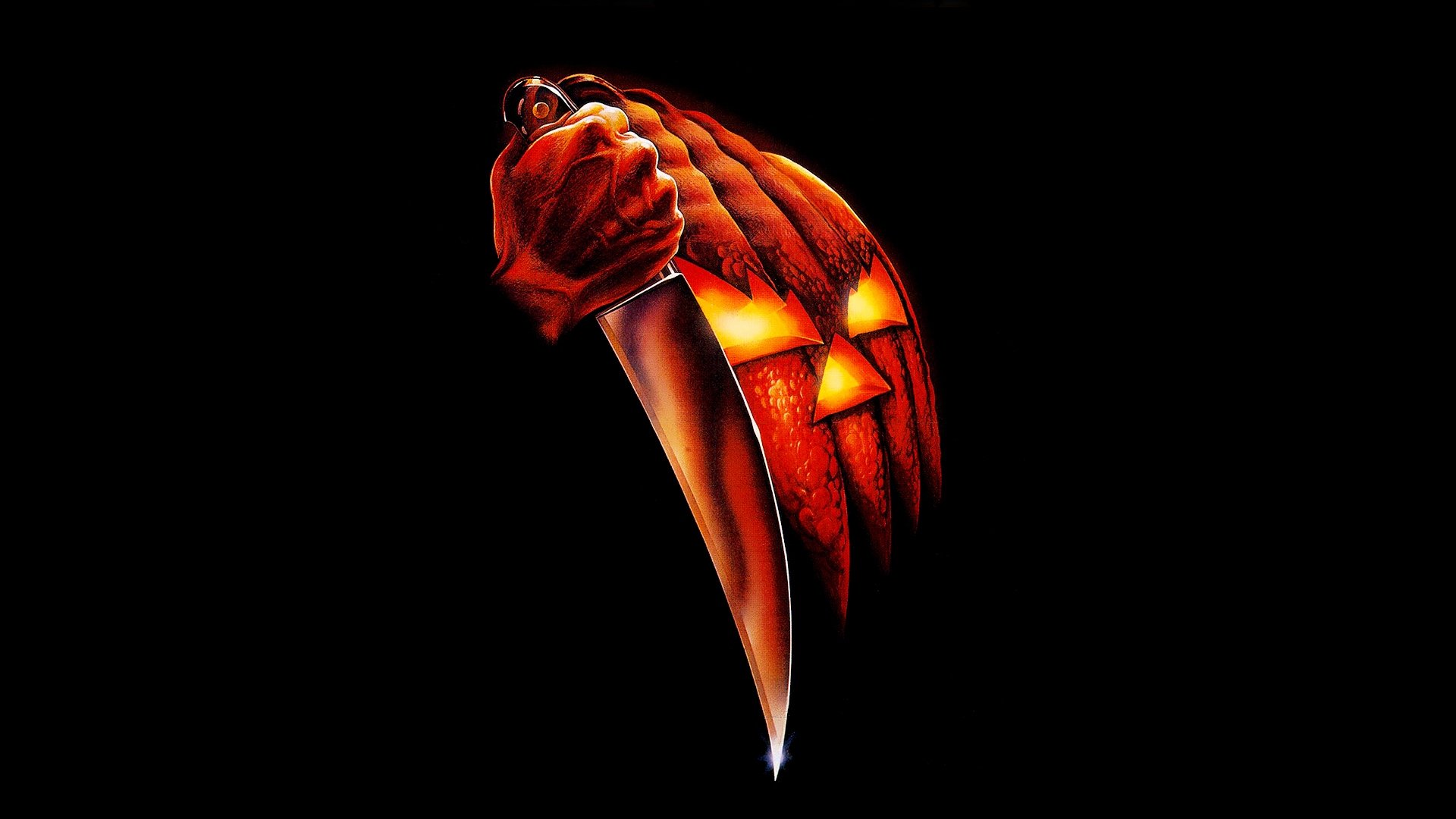
- 1978Halloween defines the slasher genre and the synth score Halloween
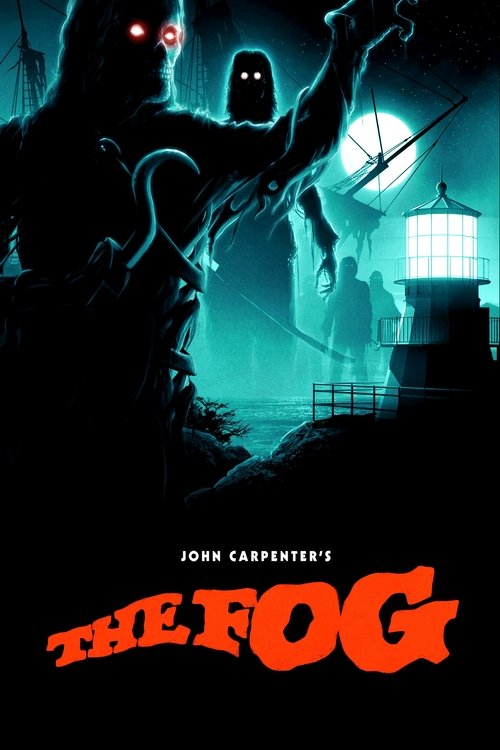
- 1980The Fog brings ghost-story atmosphere to the coast The Fog
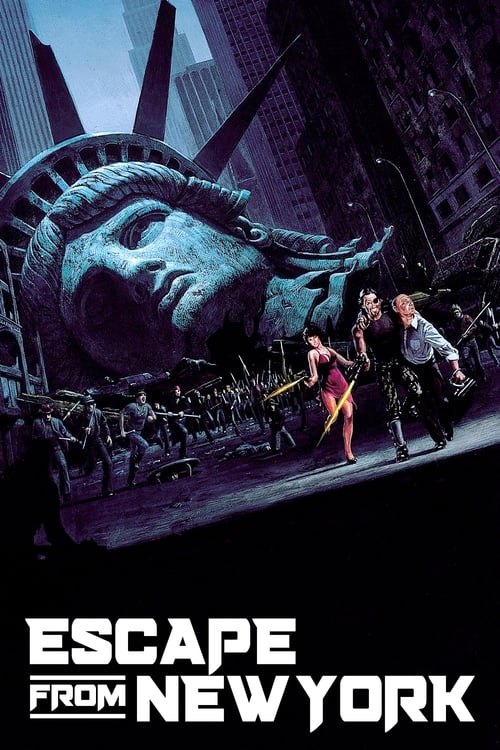
- 1981Escape from New York reinvents dystopian action Escape from New York
- 1982The Thing: his masterpiece of paranoid horror The Thing
- 1986Big Trouble in Little China, gleeful genre collision Big Trouble in Little China
- 1988They Live: satire wearing the clothes of a B-movie They Live
- 1994In the Mouth of Madness closes the Apocalypse Trilogy In the Mouth of Madness
- 2015Lost Themes debut album: pure Carpenter score, no film attached