Where Is All the Green?
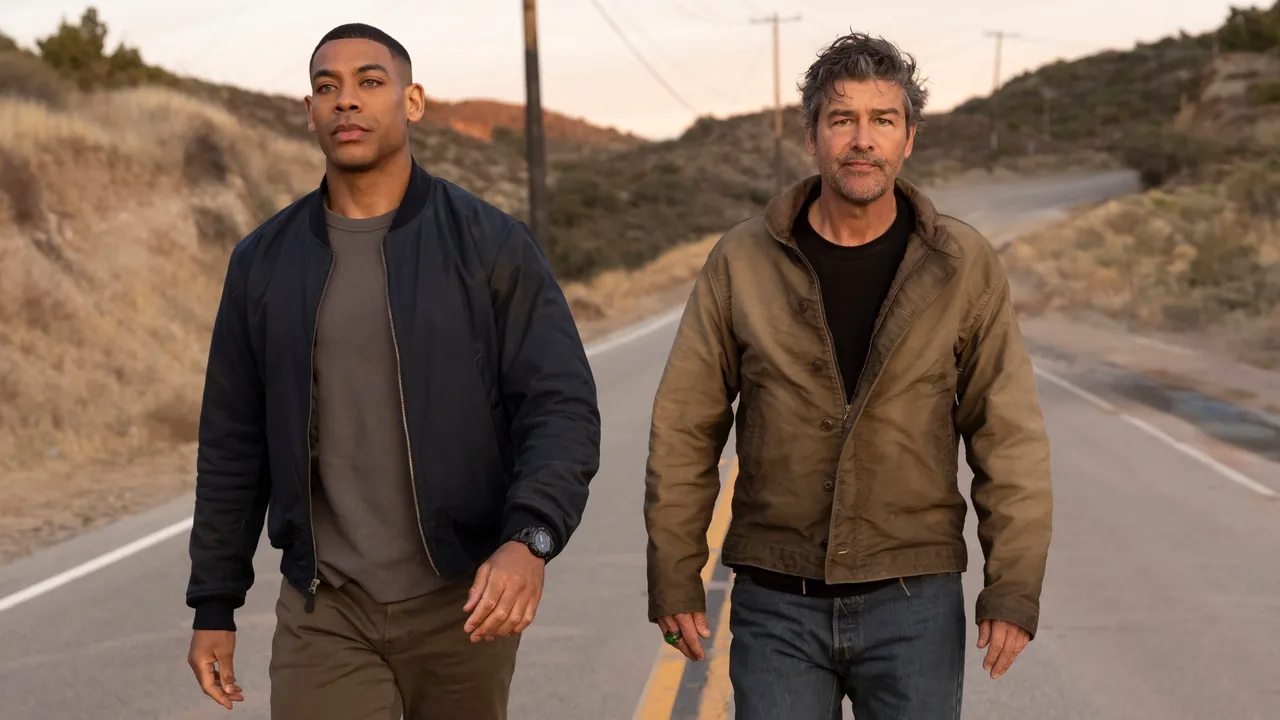
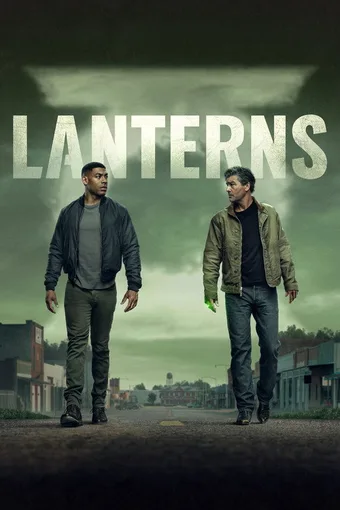
The first live-action series in the new DC Universe premieres this Sunday, August 16, and the loudest thing about its marketing has been a color that is mostly not in it. Lanterns lands on HBO and HBO Max as an eight-episode murder investigation in Rushville, Nebraska, told across two timelines, 2016 and 2026, running weekly through October 4. The first-look images showed two men in civilian clothes standing in a field. Fans counted the green and came up short. One widely shared reply asked why "we can't just see the green"; others simply called it a Yellowstone spinoff. That complaint is neither stupid nor bad faith. It is, I think, aimed at the wrong target.
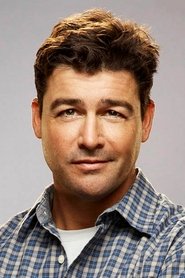
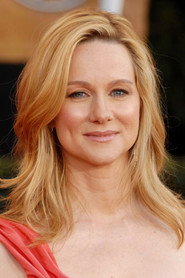
Here is the actual shape of the thing. Chris Mundy is the showrunner, and he created the series with Damon Lindelof and the comics writer Tom King. James Hawes directed the first two episodes. Kyle Chandler plays Hal Jordan, a former test pilot near the end of his run with the ring, his dusty leather jacket and white-streaked hair lifted from Pat Broderick's 1990s comics. Aaron Pierre plays John Stewart, a Marine and an architect, and an anomaly in the Corps: the Guardians recruited him rather than letting a ring choose him. Kelly Macdonald is Kerry, sheriff of the town where the body turns up. Nathan Fillion returns as Guy Gardner, whom he has called the last Lantern you want arriving in an emergency. Laura Linney plays a Guardian of the Universe, and Ulrich Thomsen plays Sinestro.
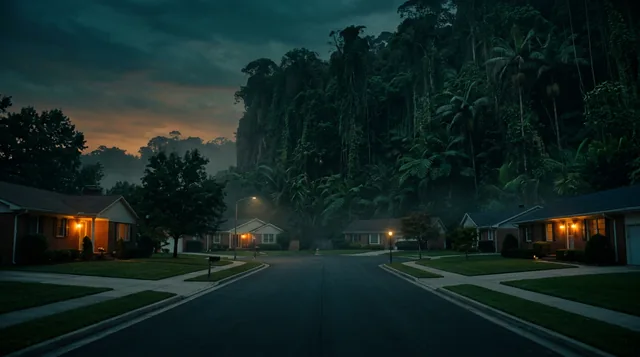
Mundy has described what he is chasing as "something really grounded inside this big, amazing mythology," and insists the show is "steeped" in the comics whatever a still frame suggests. The comparison that stuck from the first teaser onward is True Detective, and it is the right one: an emotional mystery carried by two men who irritate each other. The one we would add is Slow Horses, for exactly the same reason.
The cautionary tale everyone has backwards
Whenever this argument starts, somebody reaches for 2011, and almost everybody reaches for it upside down. The 2011 film did not fail from a shortage of green. It cost $200 million, leaned so hard on visual effects that critics made the effects the headline, and still landed at 25 percent on Rotten Tomatoes across 248 reviews. The consensus those reviews arrived at: noisy, overproduced and thinly written, a film that "squanders an impressive budget and decades of comics mythology." Squanders. The mythology was right there on screen and it bought nothing. Warner Bros. abandoned the sequel three months after release.
So the lesson of 2011 is not that Green Lantern needs to go bigger. It is that spectacle is worthless when nobody has given you a reason to care about the man inside the construct. The most honest verdict came from the director himself, a decade later, and it says nothing about scale.



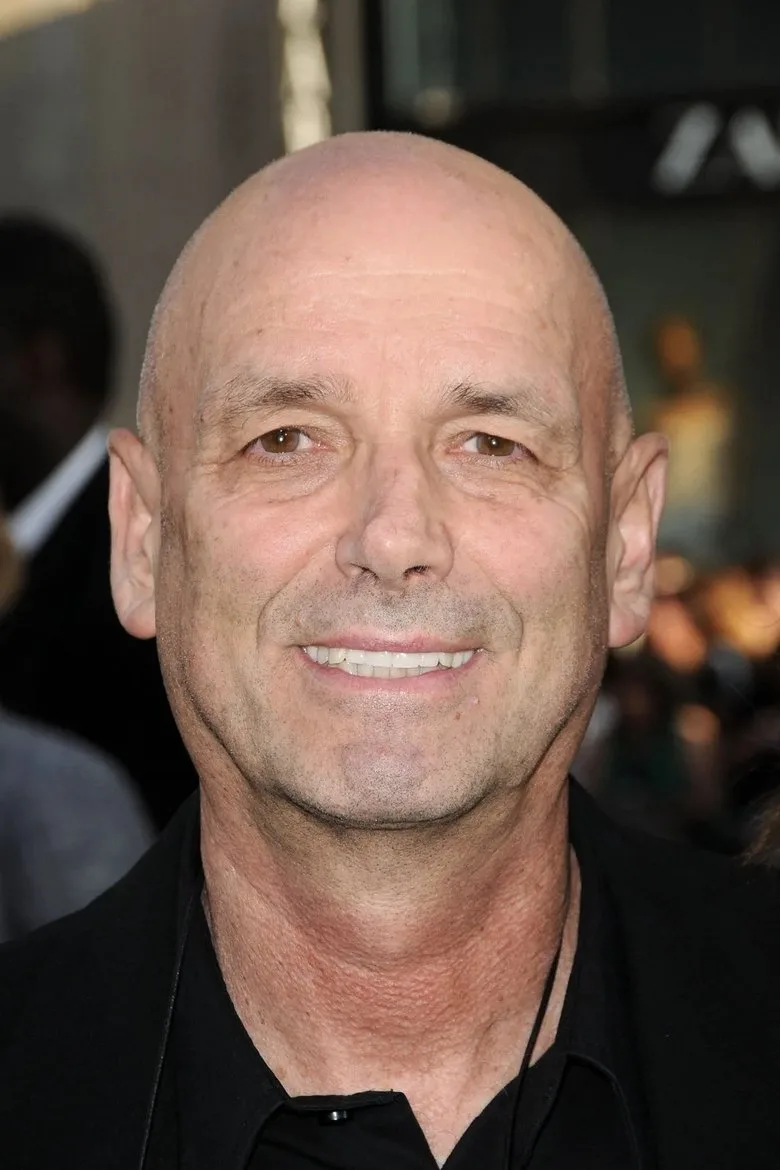
That is the failure mode worth fearing, and grounding is its opposite. So: yes, the rural detective frame is the right call, and the evidence that it is not a bait-and-switch is already public rather than promised. The second trailer, on May 18, had full suits, flight, glowing rings, bright green constructs and Sinestro talking about fear. The official Comic-Con trailer followed in July. Nobody casts Laura Linney as a Guardian of the Universe for a show that means to stay in Nebraska. The series carries Salvation, the interdimensional prison, and Checkmate, both seeded in the Peacemaker season two finale, and Aaron Pierre takes John Stewart straight on into the 2027 Superman sequel. The cosmic material is in the show. What changed is the frame around it, and the frame is precisely the part superhero television has always been worst at.
The risk worth worrying about is not the palette. It is arithmetic. Eight hours have to carry a murder case, two timelines a decade apart, an origin for a new Lantern, an exit for an aging one, and franchise dominoes other projects are already leaning on. True Detective's first season had eight hours and one case. This has eight hours and a shared universe. If Lanterns disappoints, that is where it happens. Not too little green. Too much plot.
What to do before Sunday
The required homework is short. Watch Superman if you somehow have not: its events fall between the two timelines, which makes it load-bearing rather than a courtesy. Then watch Peacemaker, the second season especially, for Guy Gardner, Salvation and Checkmate. That is the whole list.
The homework that does not matter is the 2011 film. It shares no continuity, no cast and no creative team with this, and the only thing it trains you to do is expect the wrong show. For the source, spend the evening on the Green Lantern comics instead, which say more about why a ring powered by willpower is interesting than any trailer has.
And for the flavor rather than the lore: Slow Horses for two professionals who cannot stand each other, True Detective for the slow rural murder that turns out to be about the detectives.
Skip it if what you want from Green Lantern is the Corps: a war across sectors, aliens in every frame, Oa inside the first hour. Eight episodes in Sheridan County are not going to hand you that, and pretending otherwise would be the real bait-and-switch. But if the part of Hal Jordan you have always liked is that a man with no fear is a man with something badly wrong with him, this is the first adaptation built to notice. HBO handed it the Sunday slot House of the Dragon vacated with its third-season finale last Sunday, August 9. That is not where you park a show you are hedging on.