The Reacher Book Nobody Starts With
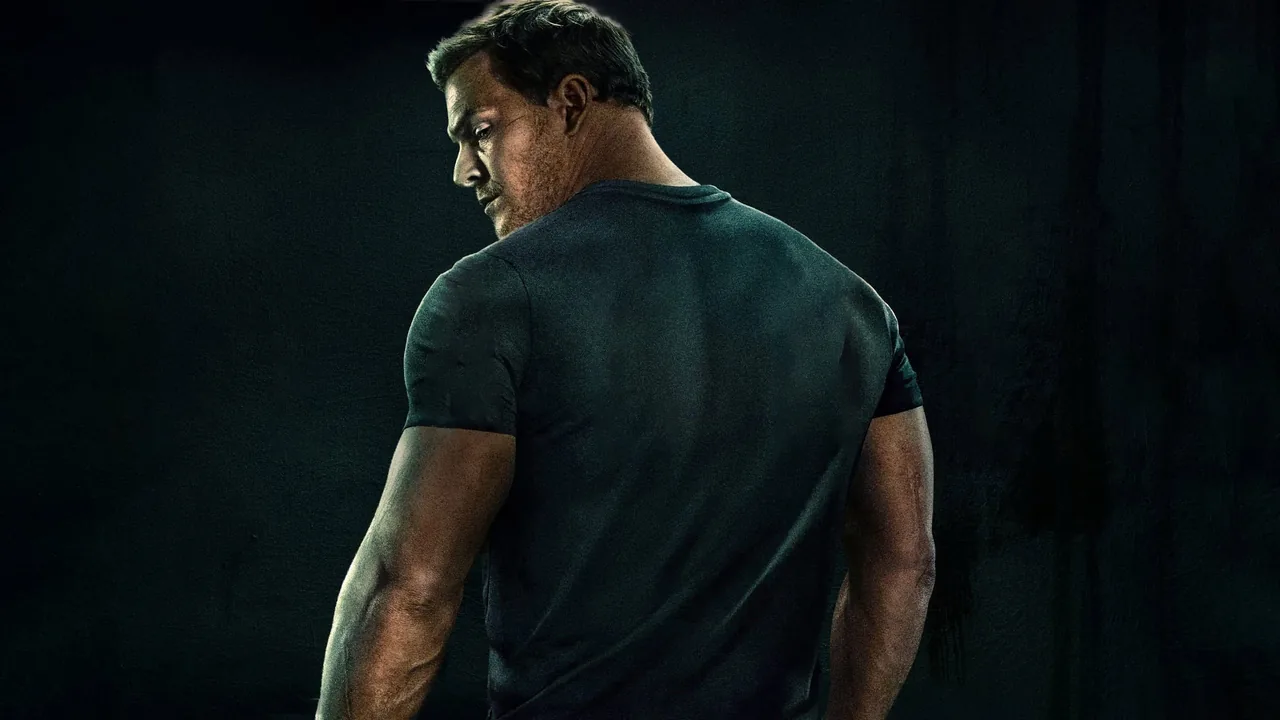
Three episodes of Reacher land on Prime Video this Wednesday, August 12, with the remaining five arriving weekly through the September 16 finale. Season four adapts Gone Tomorrow, which Lee Child published in 2009: Reacher on a 2 a.m. New York subway car, running a checklist of suicide-bomber tells against the woman sitting opposite him, and getting it catastrophically half right. It is one of the best openings Child has ever written, and it is going to send a lot of viewers to the novels for the first time. Nearly all of them will be told the same thing. Start at book one. Read forward. That is bad advice.
The publication-order trap
Start with the practical problem. Season one adapted Killing Floor, season two adapted Bad Luck and Trouble, and season three adapted Persuader. Those are books one, eleven and seven of the Jack Reacher series. Publication order therefore opens a show viewer's reading life with a case they have already watched solved, and puts a second one seven books later. You would be spending your first month with this series re-reading television.
Then there is the debut problem. Killing Floor came out in 1997 and reads like it. Reacher steps off a bus into a fictional Georgia town called Margrave, gets arrested for a murder he did not commit, and works his way into a counterfeiting operation run by the local money. It won Best First Novel at both the Anthony and Barry Awards, and that is exactly the right category for it. It is a superb first novel by a writer who had not yet worked out what the series was for. The sentences are stiffer, the coincidences do more of the lifting, and the Reacher inside it is closer to a delivery mechanism for the plot than a person you want to spend a whole shelf with.

Start with The Enemy
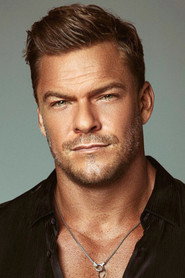
The Enemy is book eight by publication and book one by chronology, and it is where a new reader should open this series.
It runs across the last hours of 1989 and the days that follow. Reacher is a serving major in the Military Police Corps, on a base, in uniform, working the suspicious death of a general and following it up into a conspiracy among senior officers resisting the downsizing the end of the Cold War is about to force on them. It is narrated in the first person, which matters far more than it sounds like it should. The pleasure of these books is the inside of Reacher's head, the arithmetic he runs on a room before he walks into it, and roughly half the novels do not give you that.
And it won the 2005 Barry Award for Best Novel. Not best first novel. Best novel, with nothing qualifying it.
The obvious objection is that starting on a prequel is perverse. It is not, because this prequel is the chronological beginning: there is nothing ahead of it to be spoiled and no earlier book it assumes you have read. What it hands you instead is the version of the character the show keeps reaching backward for. Reacher with a rank, a chain of command and a case file is the foundation the 110th Special Investigations Unit sits on, and the 110th is the entire premise of the Neagley spinoff.


A shortcut for everything after these six
Child alternates, and the alternation is a better sorting tool than publication order. The Enemy, Persuader, Killing Floor and Gone Tomorrow are narrated by Reacher himself. Tripwire, One Shot and Bad Luck and Trouble are third person, and they cut away to the villains, the police and the people Reacher has not met yet.
Neither mode is the worse one, but they are doing different jobs. The first-person books are character books: you are locked in his skull for the duration and the appeal is the running commentary, the threat assessment, the dry contempt. The third-person books are machine books: several threads, a countdown, more moving parts, and Reacher functioning as the object that eventually walks into the middle of them. Once you are through the six above, pick by mood. That is the only rule you need.
Will reading ahead spoil the season?
Gone Tomorrow, book thirteen, is easy enough to find in paperback or audio, and the honest answer on spoilers is yes, mostly. It is a first-person novel with a puzzle at its center, the show has stayed close enough to its source plots across three seasons that knowing the solution flattens it, and the pleasure of that subway opening is watching Reacher be wrong in real time. Read it first and you will know who the woman on that train was and why she was on it.
Where the adaptation genuinely diverges is texture rather than plot. It keeps supporting characters alive across seasons that the novels drop after one appearance, it has built Alan Ritchson a standing ensemble the books never gave Reacher, and it has put Frances Neagley in front of an audience years before a publication-order reader would meet her. That is also why September 16 is worth planning around: the season four finale and all eight episodes of the Neagley spinoff land on the same day.
So watch the season cold. Then, when it is over and you want more, open The Enemy rather than book one, and come back to Margrave in about a month.