Which Elder Scrolls Should You Play?
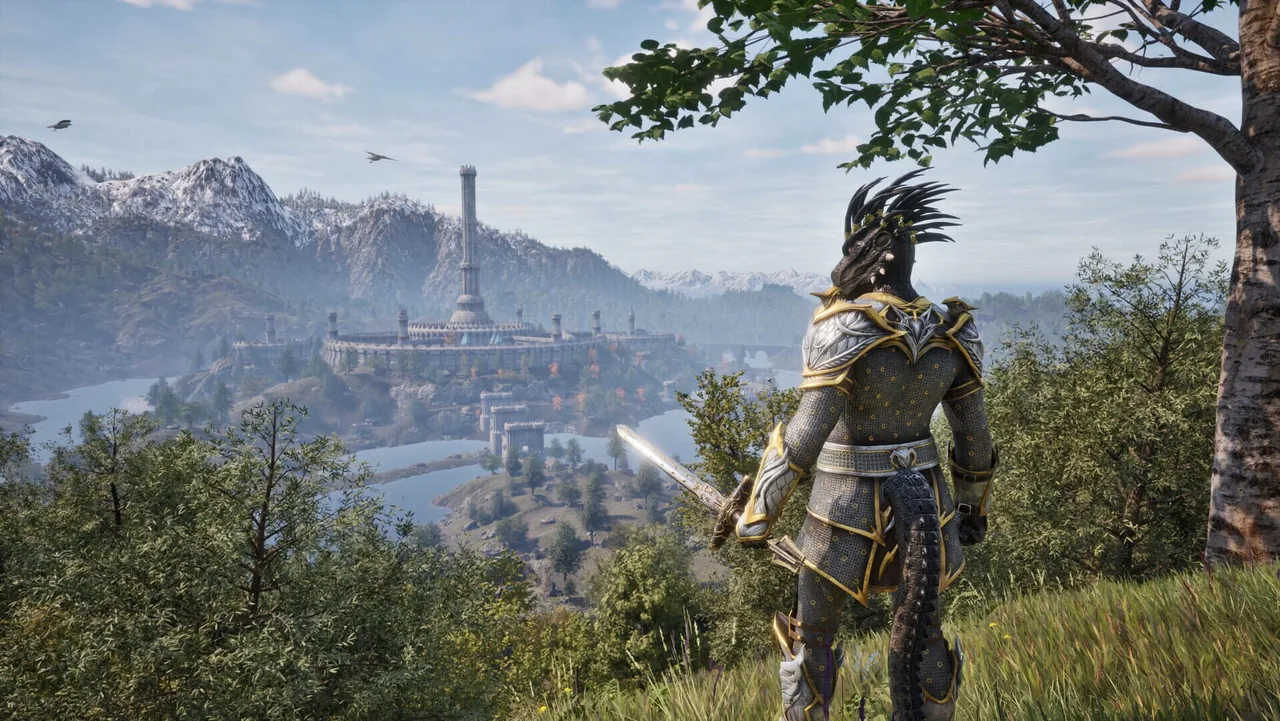
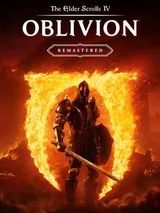
Cyrodiil fits in a bag now. Oblivion Remastered lands on Nintendo Switch 2 on Tuesday, August 11, carrying both story expansions and all eight legacy DLC packs with it, and for a lot of people that will be the first time one of Bethesda's enormous open worlds has been genuinely portable rather than technically portable. Which sets up the question every new owner is about to fire into a group chat: is this the Elder Scrolls I should be playing? Not the newest one. Not the one my friends still quote at me. The best one. We are going to answer that, and the answer will annoy somebody.
What you are actually buying
The standard digital edition is $49.99, the Deluxe $59.99. It runs at 900p and 30fps handheld, 1080p and 30fps docked, with DLSS handling the upscaling in both modes, and it adds motion aiming, touch input and a left or right hand mouse mode. Thirty frames on a portable Oblivion is not a sacrifice anyone who played this in 2006 is going to lose sleep over.
One detail deserves a sentence on its own. The physical release is a real cartridge with the full base game on it rather than a download key in a box, which is more than most third-party Switch 2 releases have managed this year.
Three games, one director, three philosophies
Todd Howard was game director on all three entries in question, which is what makes the Elder Scrolls argument a real argument rather than a taste poll. It is one studio's theory of what an open world owes you, revised twice, in public.
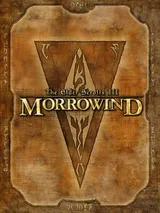
Morrowind (2002) owes you nothing. It hands you a parcel, a name and a rough direction, then expects you to read. Its world remains the strangest thing Bethesda has ever built: giant fleas as public transport, houses grown inside crab shells, a working theology you assemble yourself from books nobody obliges you to open. That refusal to point at things belongs to an older CRPG tradition, and it is glorious right up to the moment combat rolls dice behind your back and your first two hours are a sword passing cleanly through a mudcrab while a hidden number decides you missed.
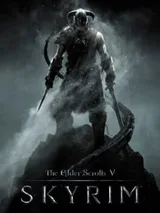
Skyrim (2011) owes you everything, immediately. It has the finest atmosphere in the series by a distance, and it is the one people actually finished, which counts for more than snobs allow. But its guilds are hollow. The College of Winterhold appoints you Arch-Mage after a handful of errands. The Companions arc concludes before it has properly started. Outside the Dark Brotherhood, very little in it asks you to think.
The 2006 Oblivion sits between those two and gets written off as the compromise. It is the opposite. Its landscape is genuinely the dullest in the series, a tidy green European forest after Morrowind's ash and mushroom towers, and its main quest is the chore of shutting the same orange hell portal for the ninth time. Ignore both. Walk away from the main story in your first hour and what remains is the best writing Bethesda has ever attached to a quest marker.
The Dark Brotherhood locks you inside a manor house with five strangers and instructs you to murder every one of them without being seen, an Agatha Christie parlour game played with a save file. The Thieves Guild finishes with a break-in to the Imperial Palace that is a proper heist plot, reversals included. Shivering Isles, bundled here, is an entire second game set in a realm made of madness, and it is still the strongest expansion the studio has produced. Under all of it runs Radiant AI, the scheduling system that made ordinary townspeople behave like unhinged improv performers, and which Bethesda carried straight into Fallout 3 two years later.
Yes, we are putting Skyrim third
The defence of Skyrim is that it is the one that works, and it is a good defence. Nothing else in the series matches cresting a ridge at dusk while a dragon picks a fight with a giant in the valley below. But atmosphere is what Skyrim has instead of quests, not in addition to them. Listen to how people describe their favourite Skyrim memory: it is almost always something the world did near them. Ask an Oblivion player and you get a story with a plot. The dinner party in the manor. The painting they got trapped inside. The guild master who turns out to be a cursed nobleman nobody can remember the name of, including his own wife. That is design, not weather.
Where to start on Tuesday
Take the standard edition at $49.99 unless you specifically want the cartridge. Then make a character, climb out of the sewer, and turn your back on the glowing marker entirely. Do not close a single gate for at least fifteen hours.
Instead, murder somebody who does not deserve it, and go to sleep. Lucien Lachance will be waiting at the foot of your bed when you wake, and the chain that follows runs roughly ten hours and contains the two best-written quests in any Bethesda game. One evening of it will tell you whether Cyrodiil is your sort of place. If it is, Morrowind is waiting and it is better than almost anyone remembers. If it is not, Skyrim is right there, being lovely at you, asking nothing.