Mark Rydell directed the film that won Henry Fonda and Katharine Hepburn their Oscars, and it is not his best
Mark Rydell died last Thursday, August 13, at 97, and every notice led with the same title. Fairly, too. He directed On Golden Pond, the 1981 film that won Henry Fonda and Katharine Hepburn their Academy Awards: Fonda's only Best Actor win, taken while he was terminally ill, and Hepburn's fourth. As epitaphs go, that is a good one to have. We think it is also the wrong film.
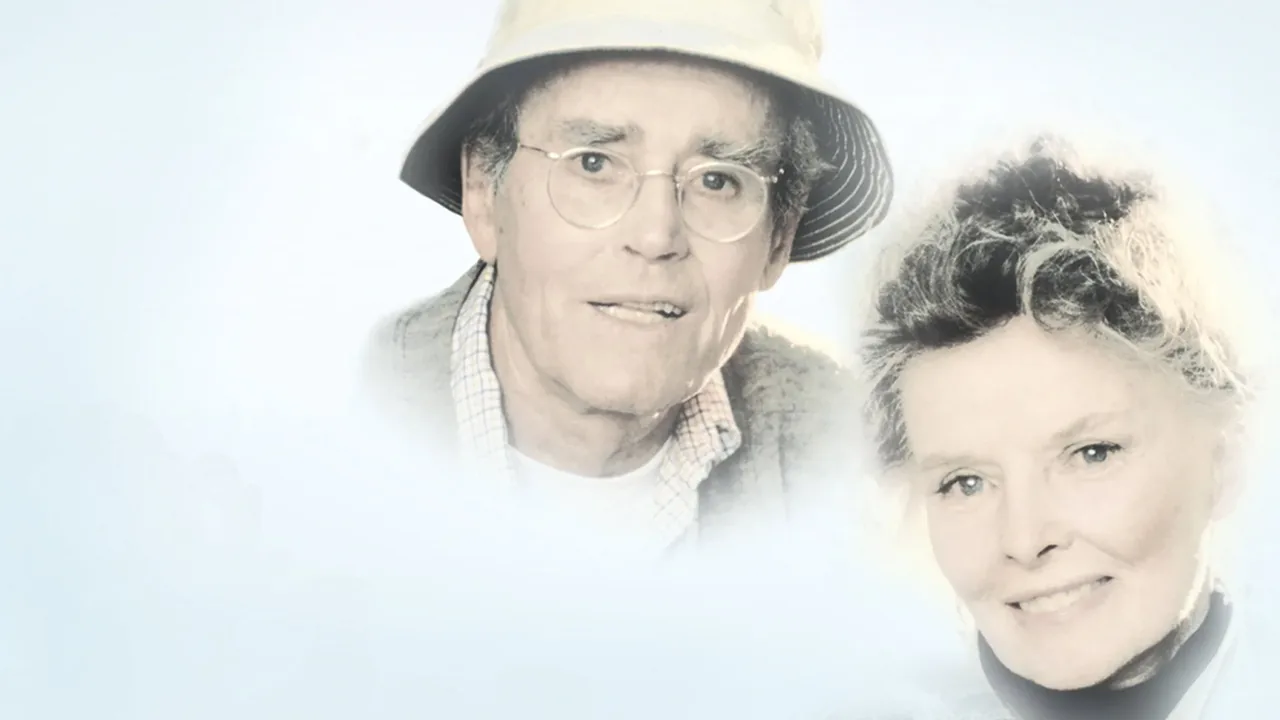
Not a bad film. A borrowed one. Some of its force arrives from outside the frame, from a dying man playing a man near the end and an audience that knew it. That lands, and it should. But it is a circumstance rather than a quality, and circumstances do not survive their moment intact. Put On Golden Pond on now and part of what you are watching is 1981 saying goodbye to Henry Fonda. Moving. Also not something the picture itself had to earn.
What he was actually good at
Look at the run and a pattern shows up that has nothing to do with prestige. Bette Midler had never been on a screen at all before Rydell built The Rose around her in 1979. Cinderella Liberty arrived in 1973 with no reputations riding on it. Six of his films drew Academy Award nominations, which is a strange record for a director almost nobody files under auteur.
A Faulkner adaptation. A singer with no screen credits handed a whole movie to carry. A picture built around two enormous actors near the end. Nothing connects those except the people standing in front of the lens, which is the point.
The explanation is unglamorous. Mark Rydell had been an actor first. He pointed a camera at people and then had the patience to wait for them to stop performing. That is not a style you can screengrab, which is roughly why he never got a critical cult, and it is also why his films hold their shape while flashier pictures from the same years now look like costumes.
The one that lasts
Our pick is The Reivers, from 1969, adapted from Faulkner's novel, the last one he published. On paper that is an unpromising sentence. Faulkner adaptations have a rough history, in our view, because what makes the prose great is the prose, and no camera has ever photographed a sentence. Rydell's answer was to stop trying to. He took the story, cast it well, and let performance carry the register the language used to carry.
It is also the only film in his filmography that hands you somewhere to go afterwards. Finish it and a book is waiting, and the book is not a novelization or a tie-in. It is the last novel William Faulkner published. One evening turns into a week. On Golden Pond sends you to a memory. The Reivers sends you to a library, which is a longer half-life than any Oscar has.
Start here tonight
The Reivers. It is the fastest way to understand what Rydell was for, and by the weekend you can have read the Faulkner and know exactly how much of it he got right. If you want a second, take Cinderella Liberty ahead of On Golden Pond: same director, none of the weight of an occasion on him, and the better argument for what he could actually do with actors.
And if you have never seen On Golden Pond, see it. Just see it second, once you already like him. It plays completely differently that way, less like a ceremony and more like a film.