Mortal Shell's Small Map Was the Point
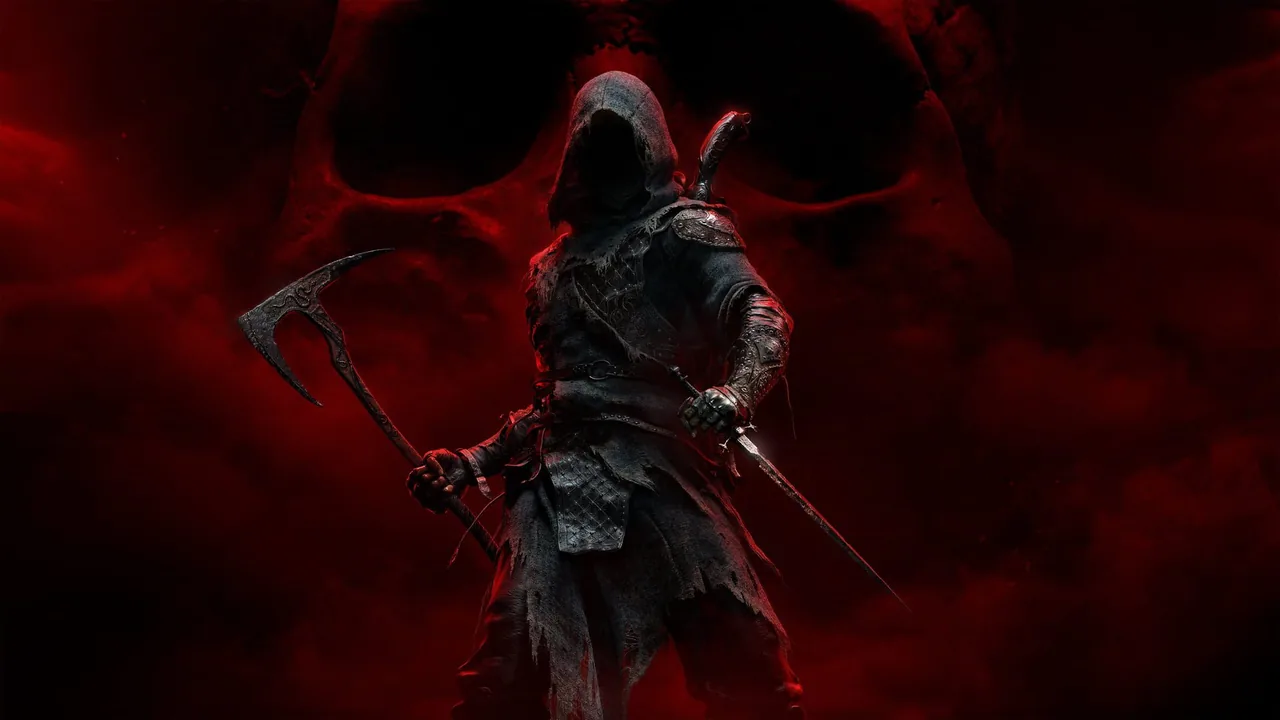
Mortal Shell II launches Thursday, August 20 on PS5, Xbox Series and PC at $49.99, and the biggest change is the map itself. Cold Symmetry, still a team of around 30, has traded the compact world of the 2020 original for an interconnected open one. Publisher Playstack has never funded a game close to this size, by an order of magnitude. That is a lot of money aimed squarely at the thing the first game was already best at.
The small map was doing the work
The compliment everyone reached for in 2020 was density. A studio of around 30 people made a soulslike that felt hand-placed because it was small enough to be hand-placed. You could hold the whole thing in your head by the fourth hour. Shortcuts landed because you already knew what they were shortcuts to. Getting lost meant something, because being found again meant something.
Compact was not a budget limit wearing a style. It was the reason a tiny team could stand on a stage owned by studios ten times its size. Every corner got attention because there was a countable number of corners.
The honest case for going bigger
Interconnected is the word doing the real work here, not open. Interconnected is a promise about loops, and about gates that swing backwards onto somewhere you walked past hours ago. That is a different discipline from a wide field with icons scattered on it, and historically it is the version of scale that suits this genre. If the map grew by adding connections rather than distance, the small-map pleasures survive the expansion. They just get more room to run.
The other version is the risk. Distance without density. Travel time where tension used to sit. A soulslike works because the stretch between checkpoints is frightening. Make that stretch longer and you have not made it more frightening, only longer.
So here is my side, stated before anyone has finished it: the compact map was the point, and the burden of proof sits with the sequel, not with the people who loved the small version. A second small, mean, memorable game would have been the braver art. I would be delighted to be wrong, and interconnected is the word that leaves that door open.
Play the first one before Thursday
Do it, and you can actually finish it in time. That is the whole argument in miniature. The 2020 original is short enough that four evenings will carry you through, which is not something you can say about most games worth arguing over. Start it Monday night and by Thursday you will own the one thing no review can hand you: a personal memory of what the small version felt like at full strength.
Then judge Thursday against it. If the open world buys discovery a compact map could never have given you, you will feel it inside the first few hours. If it mostly buys walking, you will feel that too, and you will know exactly what it cost.