Can Dawnwalker Escape The Witcher 3?

The Blood of Dawnwalker arrives September 3 carrying a comparison it has not yet earned. Its makers include veterans of The Witcher 3, its setting is a grim corner of medieval Europe, and its quests promise reactive consequences. That lineage explains the attention, but pedigree cannot make another landmark RPG by itself. The more persuasive reason to care is stranger and riskier: Coen has 30 days to save his family, and the clock is an actual resource rather than a dramatic number everyone politely ignores.
The first useful rule is also the most reassuring. Time does not pass while you simply run, explore, or look around Vale Sangora. Each day and night is divided into eight units, and particular quest actions consume one or more of them. The interface displays hourglass icons before those commitments. Read them. Accepting help, lingering with a character, advancing an objective, or even assigning certain skill points can cost time. Ordinary curiosity is free until the game marks a decision as consequential.
That distinction should shape your first hours. Scout a route before spending a unit. Open the map, learn where characters and exits sit, and investigate anything the game lets you inspect without showing an hourglass. When an action does display a cost, pause and ask what it advances. Early RPG habit says collect every quest and clear the nearest icons. Here, that instinct can quietly spend a morning on favors that do nothing for the plan you thought you were pursuing. The safest opening is reconnaissance first, commitments second.
The second rule is to plan for two versions of Coen. By day he is human, fighting with a sword and learning blood magic. At night his vampire side gains claws, wall-walking traversal, blood feeding, and other supernatural tools. Some quests and spaces are available only in one form. Do not spend the final daylight unit wandering toward a human-only lead, and do not burn a night action on work that could have been handled under the sun. Keep one small list for daylight business and another for nocturnal routes.
Vale Sangora changes with Coen
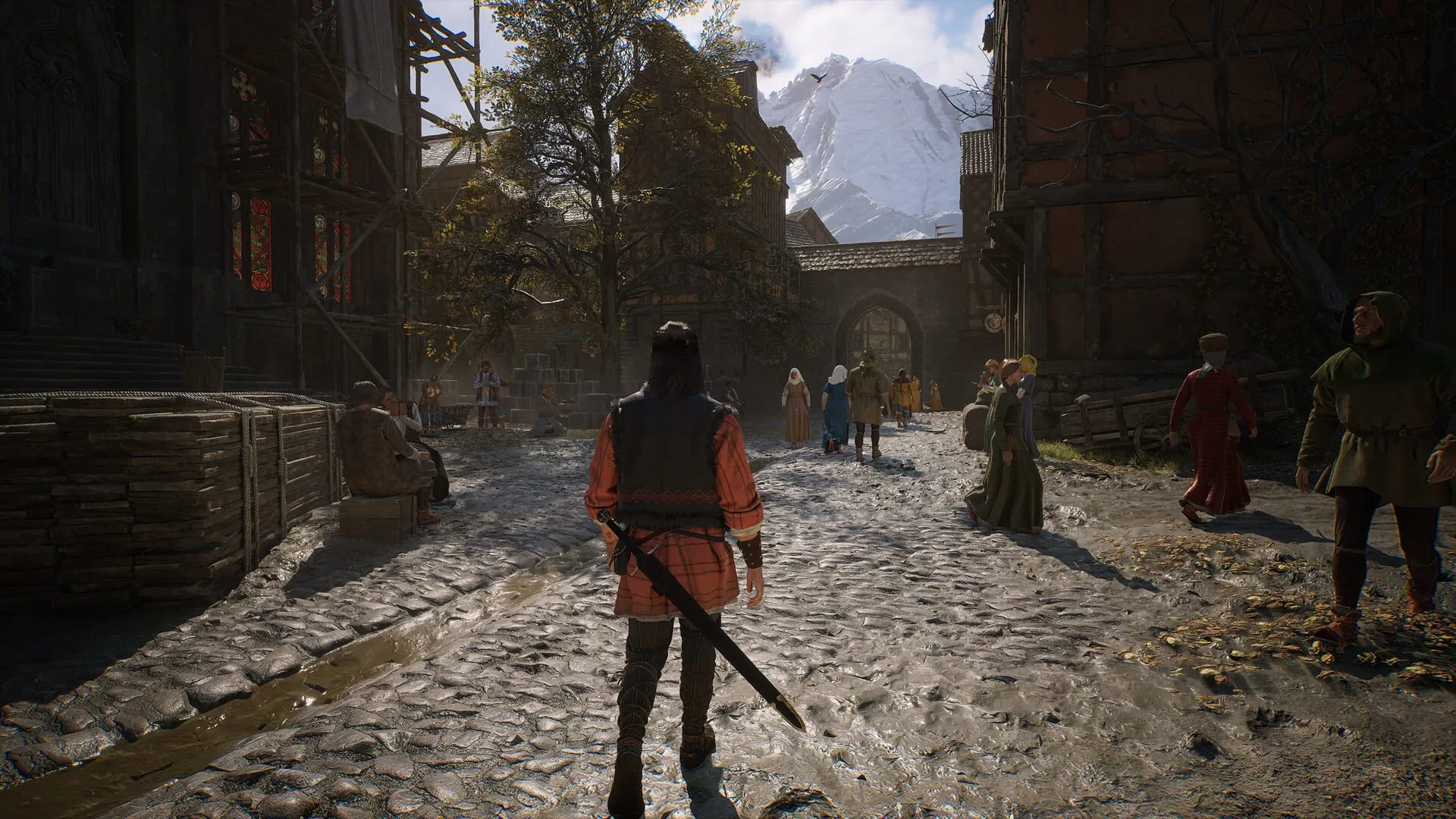
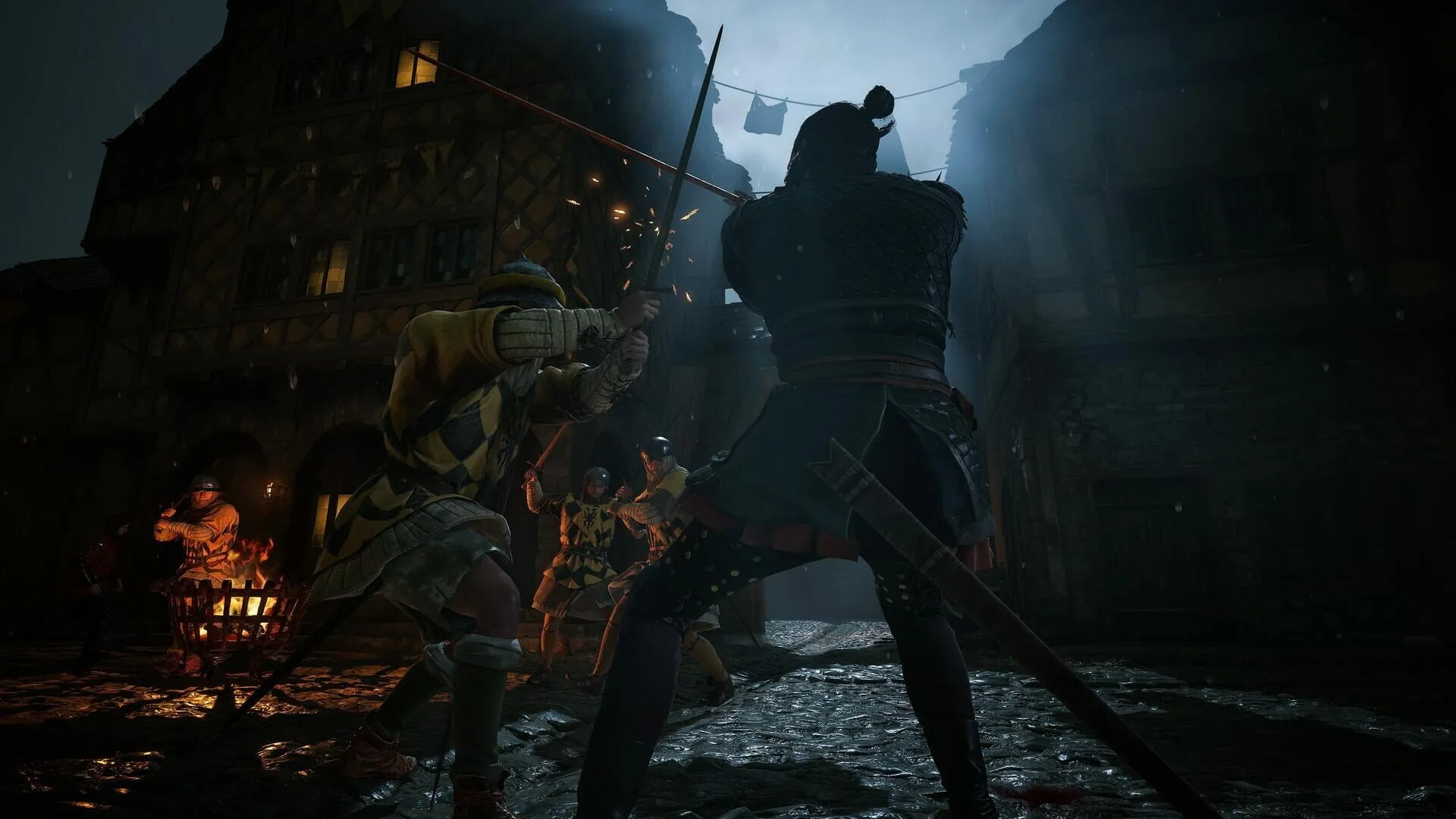
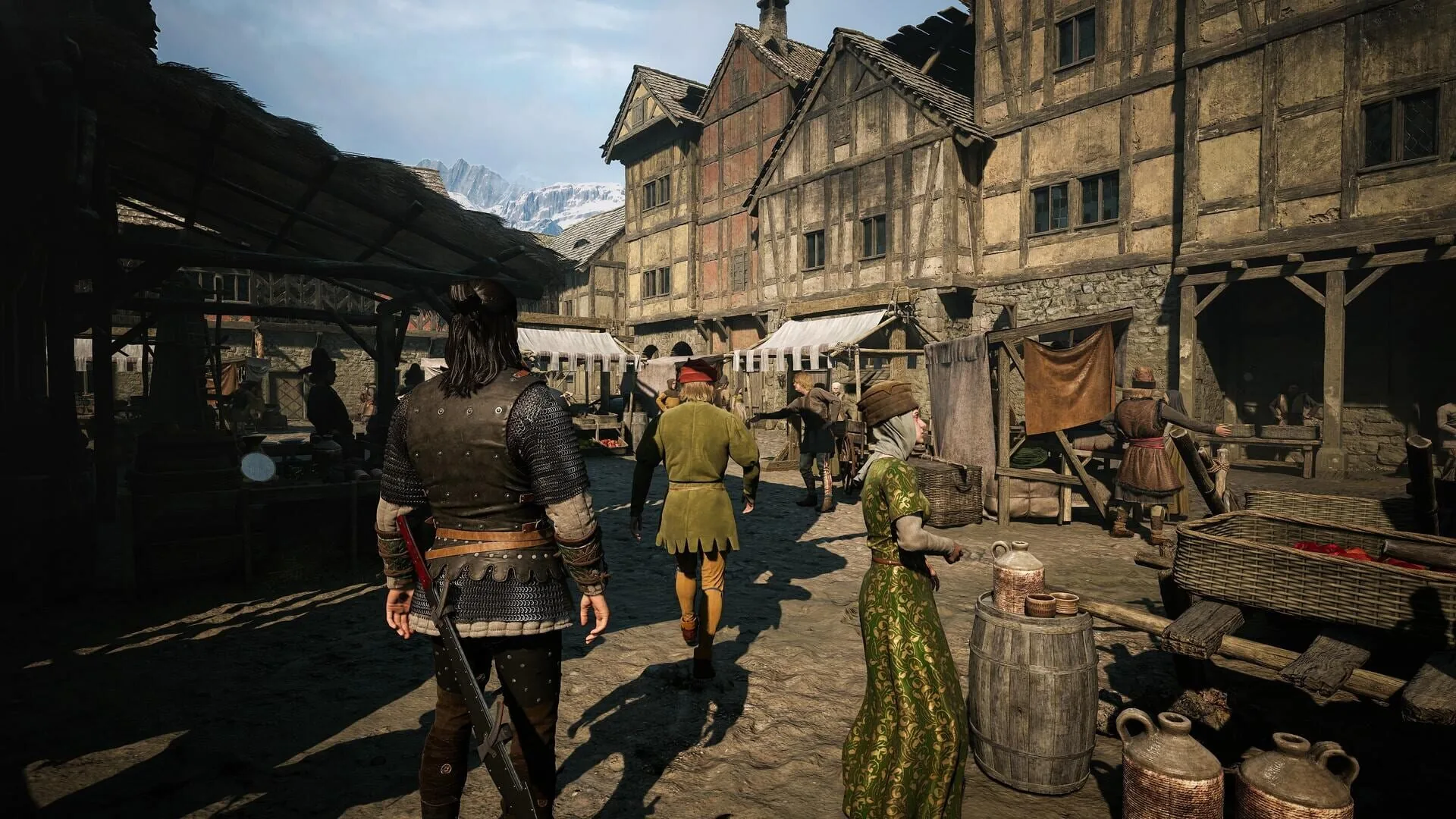
A practical opening routine follows. Explore until you have at least two plausible leads. Compare their hourglass costs. Choose one thread that improves Coen's power or reveals leverage against the vampires, then reserve the opposite half of the cycle for an objective that needs his other form. Save before a clearly priced commitment if you are still learning how the interface communicates consequences. Most important, abandon the completionist fantasy early. The game is built around people and opportunities you will not reach.
That is where comparing it with The Witcher 3 becomes useful. The question is not whether this new game can imitate a beloved combat rhythm or produce its own version of a famous side quest. It is whether a hard calendar can make reactivity feel personal, because choosing one story means knowingly losing another. On September 3, scout freely, spend time only when the hourglass earns it, and let one quest go on purpose. If that loss makes your chosen story feel personal, The Blood of Dawnwalker has escaped the comparison. If it feels like admin, pedigree will not save it.