Can Onslaught Make Adria Arjona Undeniable?
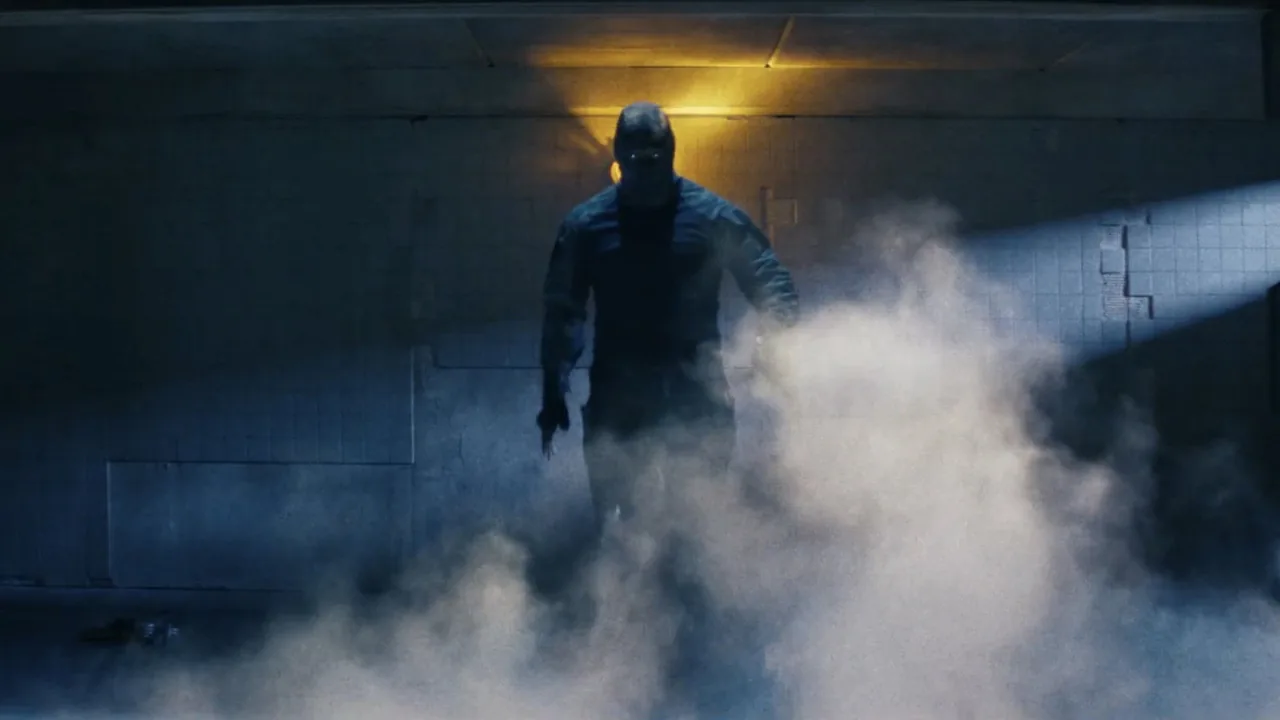
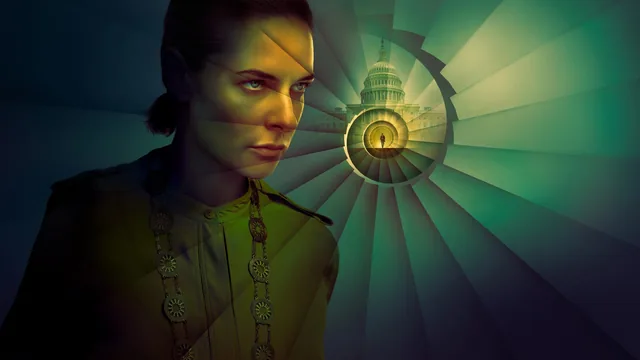
Adria Arjona has spent the last few years making a persuasive case in pieces. Andor gave her political urgency without turning her into a speech-delivery machine. Hit Man let her play desire, danger and comic calculation at once. Onslaught, arriving in theaters on September 4, puts those qualities inside an action vehicle from Adam Wingard. The question is no longer whether Arjona can carry this kind of film. It is whether this is the release that finally makes a much broader audience notice how specifically she carries it.
The distinction matters because Hollywood has a habit of declaring an action star only after sanding away the traits that made the performer interesting. Arjona's appeal has worked in the opposite direction. In Andor, she could hold a frame quietly and make the silence feel tactical. In Hit Man, her charm came with an alertness that kept rearranging the balance of a scene. Neither performance depended on invulnerability. Both drew force from the sense that the character was watching, measuring and improvising while everyone else assumed they understood her.
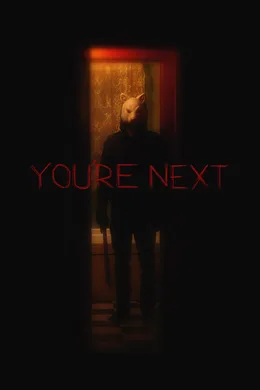
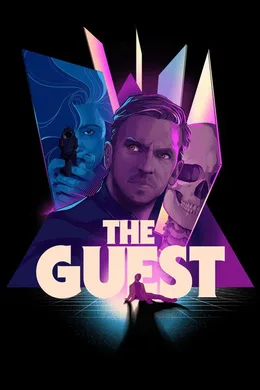
That makes Onslaught an unusually clear test. A24 presents it as a survival-driven action film, and Wingard arrives with a useful history of giving genre machinery a mean, playful pulse. You're Next turned home invasion into a showcase for competence under pressure. The Guest understood that menace can be funny, seductive and unnerving in the same beat. Those films moved because their characters did more than execute action. They changed the temperature of a room before the violence arrived. Arjona is well suited to that wavelength.


There is also a useful difference between being credible in action and being sold as an action star. The first can happen inside an ensemble, where one charged scene or burst of competence is enough. The second asks an audience to anticipate the performer, to buy a ticket because her decisions are the main event. Onslaught carries that burden more directly than Andor or Hit Man did. Its opportunity is to let Arjona's responsiveness become spectacle without turning responsiveness into a generic sequence of poses.
The useful pre-release comparison is not about scale. Andor is an ensemble series built around institutions, resistance and compromise. Hit Man is a romantic comedy with a criminal hinge. Onslaught is selling a more immediate physical ordeal. What connects them is Arjona's ability to stay legible without becoming simple. She can signal that a character has a plan, then leave enough uncertainty around the plan to keep the scene alive. In an action lead, that quality can make every decision feel authored rather than merely choreographed.
No trailer or premise can settle the star question before release. The film still has to give Arjona room between impacts, and its action has to reveal character rather than bury it. But the viewing path is already there. Watch Andor for her grounded conviction, then Hit Man for her comic control and dangerous ease. If Onslaught finds a way to combine those registers under pressure, the conversation after opening weekend may sound less like discovery than recognition.