CrossBinge
Finding 41.241 movie posters in the basement
← The Week in Entertainmentchoose your voyage

Which Odyssey Should You Read Before the Movie?
The CrossBinge Desk · 4 min read

Christopher Nolan has made an old reading problem newly urgent: which Odyssey should you actually pick up? The tempting answer is the edition nearest the cinema display. The useful answer starts somewhere else. Translation is not packaging around a fixed story. It determines the speed of the voyage, the sound of the storytelling, and how clearly you see the damage Odysseus leaves beside his triumphs.

Fresh interest is measurable. Publishers Weekly reports that year-to-date U.S. sales across editions of Homer's poem rose 76 percent as readers anticipated Nolan's film. Emily Wilson's 2017 translation of The Odyssey has now sold more than one million copies, according to the Associated Press. This week brings another reason to revisit her choices: her new essay collection publishes in the United States on September 1. Wilson is also working on a complete new translation, rather than revising her 2017 text. That future version does not make the current one obsolete. It makes the act of choosing visible.


Emily Wilson
View profile →
Christopher Nolan
Directing
Daniel Mendelsohn
1
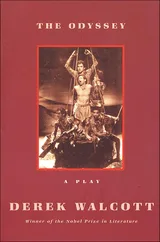
The Odyssey
Wilson's version is the best first route for most readers arriving through movie curiosity. Her translation uses iambic pentameter and matches the Greek poem's line count, producing a lean, forward pull. The language is approachable without pretending the people are modern. More importantly, Wilson makes social rank, enslavement, appetite, and unequal punishment hard to blur into heroic atmosphere. That is moral clarity, not a verdict handed to the reader. Odysseus remains clever, seductive, brave, selfish, and dangerous enough to resist becoming either an uncomplicated hero or a defendant in a modern trial. Choose Wilson if finishing matters. Her compression keeps monsters, detours, domestic tension, and recognition moving in the same current. If you have abandoned the poem before, start here.
2
The Odyssey
The Fagles translation is built to be heard. Penguin describes its idiom as bold and contemporary, with an emphasis on Homer's energy and poetry. It is expansive where Wilson is compressed, more willing to let a phrase gather grandeur. Choose it if the attraction is scale, speeches, storms, and a version you can read aloud without feeling that you are performing a classroom exercise. This is the route for readers who want the coming film's size echoed on the page. The grandeur is a tonal choice, not a certificate of authenticity. Its promise is pleasure through amplitude.
3
The Odyssey
Mendelsohn's 2025 translation resists streamlining. The University of Chicago Press emphasizes its attention to meter, enjambment, alliteration, and assonance, along with an archaic grandeur many modern versions soften. Choose it if you want to feel that the poem comes from a performance culture unlike ours. Its added texture may slow a first encounter, but that friction can be the point. Mendelsohn is the route for rereaders, language obsessives, and anyone who wants the poem's repeated formulas to register as architecture rather than clutter.

There is no definitive English version of The Odyssey because every translation solves a chain of problems by creating new ones. Wilson's speed can flatten texture. Fagles's grandeur can add weight. Daniel Mendelsohn's fidelity to formal patterns can create distance in another language. Choose the compromise you want.

Wilson still wins the first-read recommendation. The opening chapters move, the ethical vocabulary stays alert, and the verse does not ask newcomers to admire it before following it. Read her version through the Cyclops episode before sampling another translation of the same section. The contrast will teach you more about translation than any ranking can.

Then continue by experience, not obligation. If Wilson's beat catches, move to her Iliad next. If Fagles makes you want to speak the poem, keep reading aloud. If Mendelsohn makes a repeated epithet feel newly strange, let the pace slow. When Nolan's The Odyssey arrives, you will not be checking whether the movie copied the right book. You will be ready to notice what kind of journey the adaptation chose.
← Previous
Where Should You Start With Dolly Parton?
Next article →
Can Kenneth Branagh Break the Reynolds Formula?