Does Anyone Need a Harry Potter TV Show?
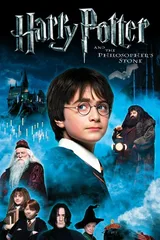
Last Friday, September 11, the 2001 film of Harry Potter and the Philosopher's Stone sat at No. 37 on CrossBinge's Most Popular Movies chart, a list it has been drifting around for weeks. The film turns 25 in November. It runs 152 minutes, and plenty of the people going back to it could probably recite most of them. Nobody needs it explained to them. They go back anyway.
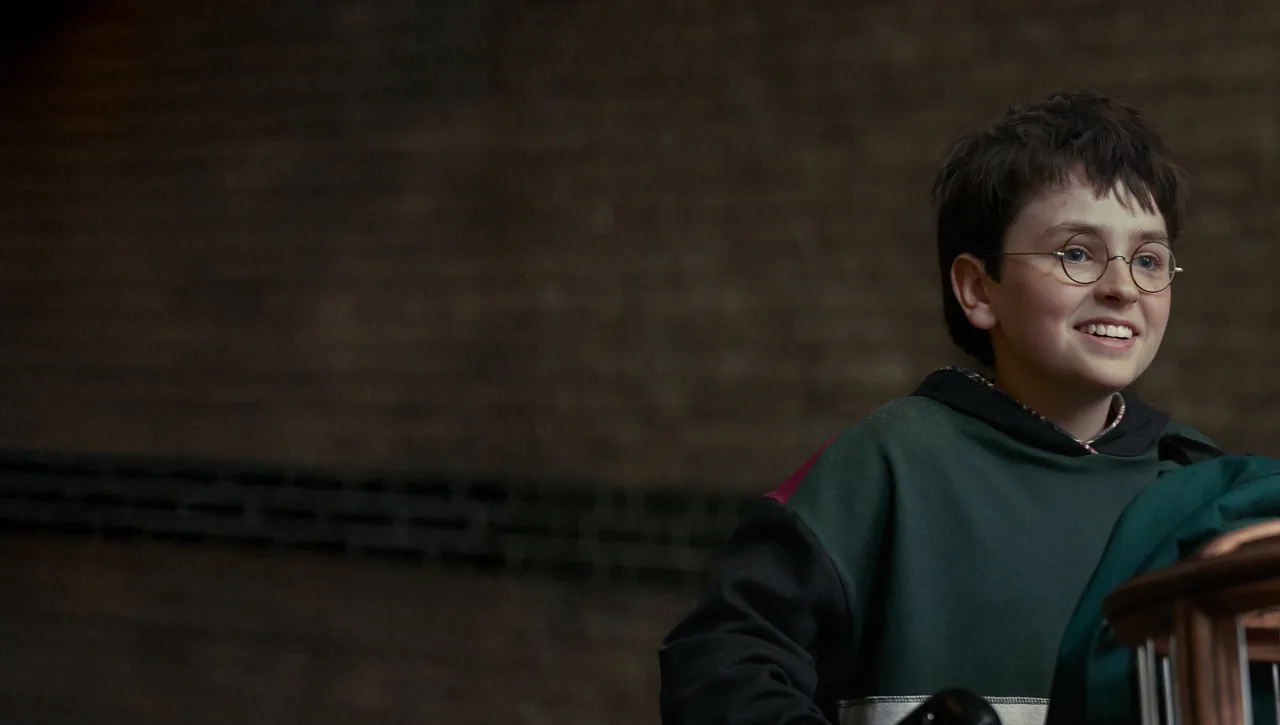
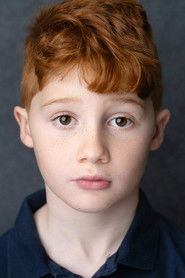
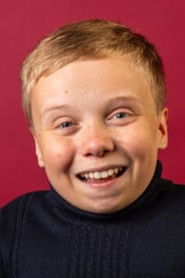
On Christmas Day, Friday, December 25, HBO starts telling the same story from the top. Harry Potter premieres on HBO in the US and on HBO Max around the world, and its first season spends eight episodes on the first book alone. The plan is one book per season, and HBO chairman and CEO Casey Bloys and Warner Bros. Discovery chief David Zaslav have talked about making it for 10 consecutive years, with a new trio, Dominic McLaughlin as Harry, Alastair Stout as Ron and Arabella Stanton as Hermione, growing up on camera the way the last one did.
So it is a fair question, and plenty of fans are asking it with their arms folded. Does anyone need this?
Yes. Just mostly not the people having the argument.
What 152 minutes left on the floor
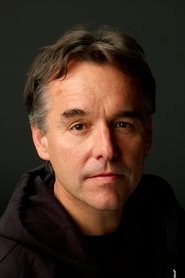
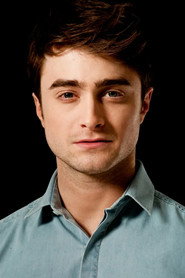
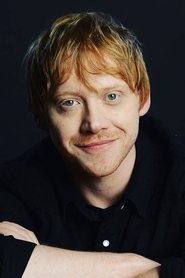
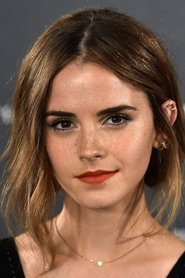
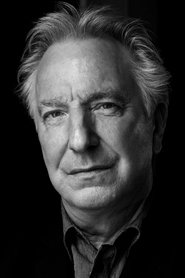
Start with the case against, because it is a strong one. The films work. Chris Columbus's first film, with Daniel Radcliffe, Rupert Grint and Emma Watson as the trio and Alan Rickman as Snape, was praised for exactly the thing a TV series promises to undo. The Rotten Tomatoes critical consensus credits it with "condensing the novel's overstuffed narrative". Audiences polled by CinemaScore gave it an A. The eight films ran from 2001 to 2011 and add up to 1,179 minutes, just under 20 hours for seven books. People keep going back to them for a reason.
Condensing still means leaving things behind. Peeves the poltergeist was cast for that first film, with Rik Mayall in the part, and his scenes were cut and never released. David Heyman, who produced all eight films, said in a 2010 interview that the filmmakers would have loved to "have everything" from the books but had "neither time nor cinematic structure" to fit it all in. Heyman is an executive producer on the HBO series. The producer who explained why the films had to cut is now making the version with room to spare.
You can already see the room in the cast list. Peter Serafinowicz plays Peeves. Paul Whitehouse, whose Sir Cadogan was cut from Harry Potter and the Prisoner of Azkaban, gets to be Filch this time. Small things, and they tell you what kind of show this means to be: one built out of the parts of the books the films had no minutes for.
The better pitch is hindsight
The bigger advantage is hindsight. The films were made while the books were still coming out. Five of the eight were already in cinemas when Harry Potter and the Deathly Hallows, the final book, was published on July 21, 2007. Harry Potter and the Order of the Phoenix had opened in US cinemas just ten days earlier, and its choices about which characters to keep or cut had fans guessing what those characters would mean in a book nobody had read yet.
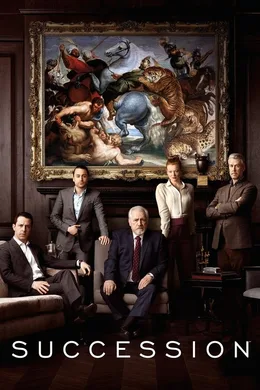
These are books built for rereading. They plant details early and pay them off years later: Sirius Black gets a throwaway mention near the start of Harry Potter and the Philosopher's Stone, and the name means nothing until book three. Showrunner Francesca Gardiner and director Mark Mylod, both Succession veterans, start with all seven books on the shelf. They can plant every seed on purpose, from episode one, knowing exactly where it lands.
Season two's casting is already rethinking the films' choices. Deadline reported on September 4 that the producers have gone younger than the films with most of the adult roles so far. The new Tom Riddle, Billy Barratt, is in his high teens, close to Riddle's age of 16 in the book, while Christian Coulson was 23 when he was cast in Harry Potter and the Chamber of Secrets. Dobby, a CGI creation voiced by Toby Jones in the films, will be played by Lenny Rush, who is 17. HBO would not say whether he will be CGI, motion capture or prosthetics.
The comparisons cut both ways
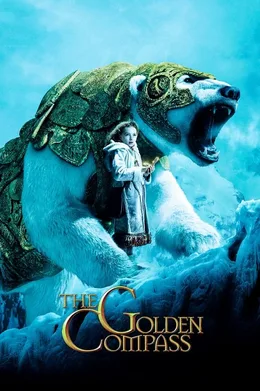
The obvious comparisons make the case sharper. His Dark Materials came after The Golden Compass, a 2007 film that fans of Philip Pullman's trilogy disliked for diluting the books' anti-religious elements. No sequels followed, and the rights went back to Pullman. The BBC and HBO series then told the trilogy across three series, finished in 2022, and was praised for its faithfulness to the books. Percy Jackson and the Olympians began when Rick Riordan, who had no creative control over the Fox films, pitched Disney a new version. It gives each book a season and has a twelve-year-old Percy. Both were second attempts at stories a film had already tried to tell.
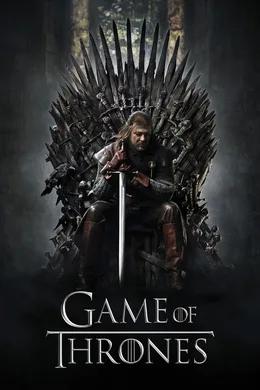
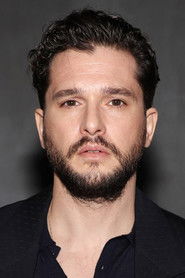
Game of Thrones, where Mylod directed six episodes, is the warning from the other side. Each novel was meant to yield a season. The show began outpacing the published books in its sixth, and its final seasons leaned on big twists and spectacle. (Its Jon Snow, Kit Harington, joins Harry Potter's second season as Gilderoy Lockhart.) Harry Potter cannot run out of road, because all seven books exist. The catch is that there is nothing broken for it to fix either, and it has to live next to eight films people still pick on an ordinary Tuesday night.
So who is it for?
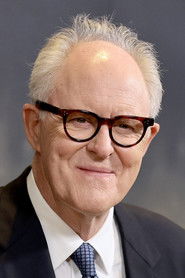
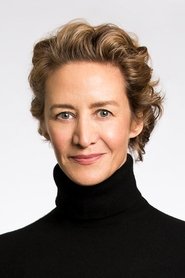
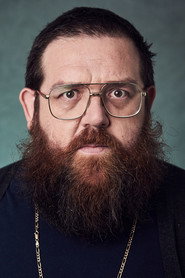
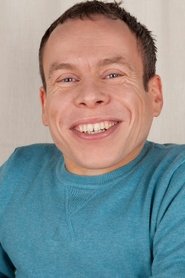
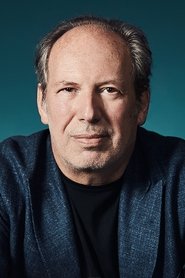
Not, mainly, the adult who grew up with the films. You have your Harry and your Snape, 20 hours of them, and judging by our chart, a habit of going back. Nothing on Christmas Day takes that away, and very little of it carries over. Warwick Davis is back as Professor Flitwick, but the faces you will notice are new, from John Lithgow as Dumbledore and Janet McTeer as McGonagall to Nick Frost as Hagrid, and Hans Zimmer is writing the score where John Williams scored the first three films. It is a new production from the cast list to the music, and it asks to be judged as one.
The person who needs this show is the kid who has never been to Hogwarts. These days a child meets Harry as a boxed set: eight films, one long weekend. That is not how the story first arrived. The books came out over a decade, from 1997 to 2007, and readers grew up waiting for the next one. The films did the same from 2001 to 2011, with the same three young actors getting older on screen. The HBO series is the first chance in fifteen years for a child to meet Harry on screen the slow way, a school year at a time, next to leads found through a casting call for children aged 9 to 11. Paapa Essiedu, the new Snape, has done the arithmetic on that commitment: "I'll be 45 by the time I finish."
The other people who need it are the readers who always wanted the bits the films cut. The first book gets a whole season to itself, and nothing about the format forces anyone to choose between Peeves and pacing.
The part a good show cannot fix
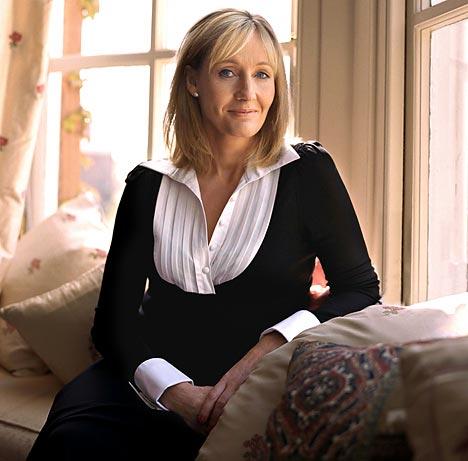
J. K. Rowling is an executive producer on the series. Her role has caused backlash because of her views on transgender people, and Bloys has reaffirmed her involvement. At a press Q&A after the series was announced in April 2023, he said: "[Rowling] will be involved. She's an executive producer on the show." In June 2025, Rowling wrote that she had "worked closely with the extremely talented writers" on the show, though she is not getting a writing credit.
In March 2026, Deadline reported that Essiedu had faced racist death threats since joining the series. "I've been told, 'Quit or I'll murder you,'" he told The Times. He was also one of more than 400 people who signed a petition calling for the UK entertainment industry to protect trans rights, and he said he had been "really supported by the production team" and would "sign that letter again today."
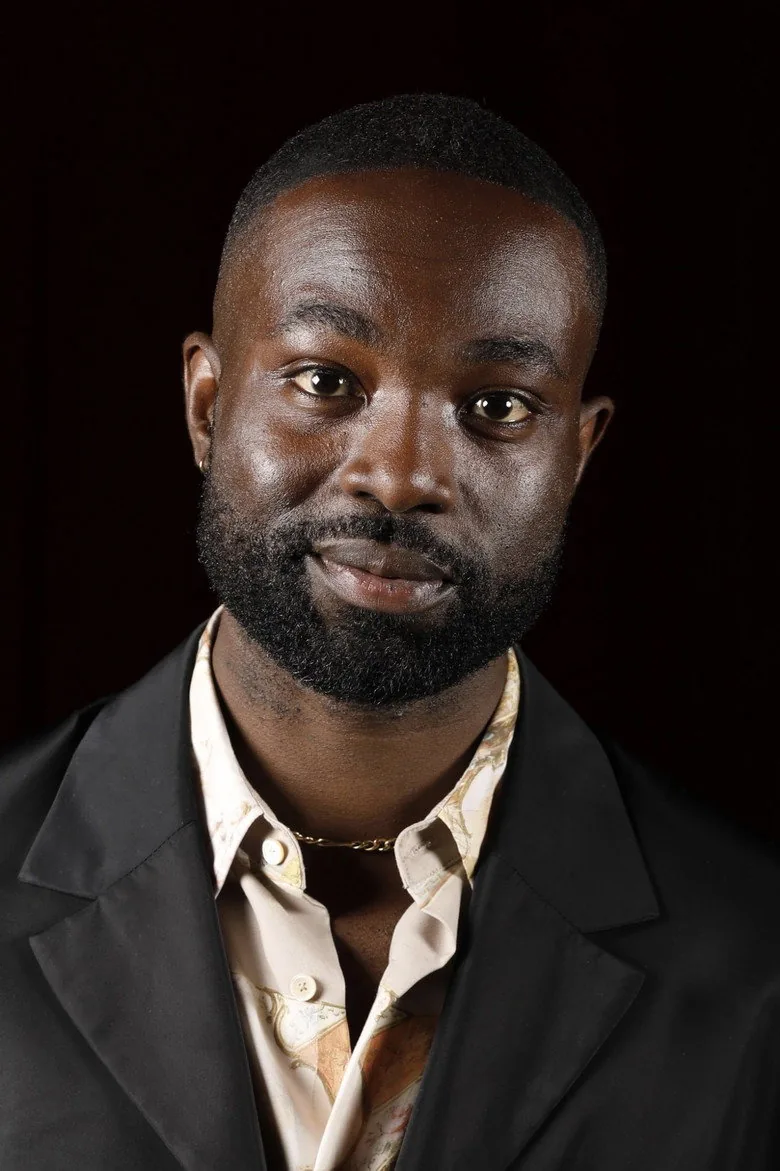
For some fans, Rowling's role answers this article's question before a single episode airs, and no episode will change that. It is each reader's call to make. For everyone still deciding, here is what keeps the new Snape going.
The verdict, and your homework before Christmas
Here is the plain answer. If you grew up with the films, you do not need this show. You may still want it, and the honest way to judge it is on what it adds rather than on whether the new kids look like the old ones. If there is a child in your house who has never met Harry, this is the screen version to meet first, a year at a time, with the films saved for later as the bonus round. And if you are a reader who always wanted the parts the films cut, you finally have a version with the room.
There are 102 days between this Monday and the premiere. Use them in this order. Rewatch the film this month (you would be in good company on our chart), so you remember exactly what it chose. Read the book in November, so you know what it left out. Then watch the show on Christmas Day with both in your head. That is a scorecard, and a scorecard is the fairest way to meet a remake of something you love.
For a new young reader, flip it: the book first, read aloud if they are small, then the show, and the films after that.