Don't Start Annie Dillard With Her Pulitzer
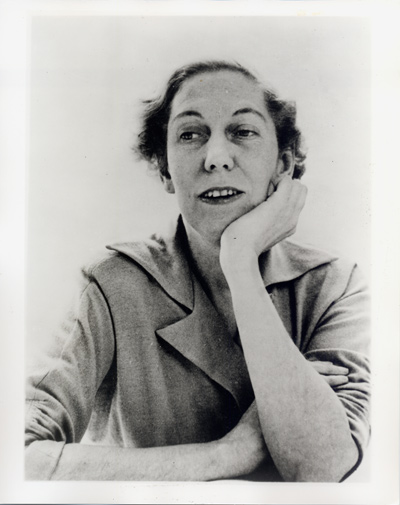
Annie Dillard died on Tuesday, September 15, at her home in South Wellfleet, Massachusetts. She was 81. The New York Times reported her death, and nearly every obituary opened on the same book: Pilgrim at Tinker Creek, her 1974 account of a year spent watching a creek outside Roanoke, Virginia, which won the 1975 Pulitzer Prize for General Nonfiction.
That is the book you will be told to buy this week. We think it makes a poor first date. Pilgrim is ferocious, digressive and often gory, and readers who pick it up expecting a gentle nature diary can stall in the second chapter, where she watches a giant water bug suck a frog dry. Dillard deserves a better introduction than a stalled bookmark. Ours: start with one essay about one morning in 1979, read her childhood next, and save the creek for third.
The woman behind the creek
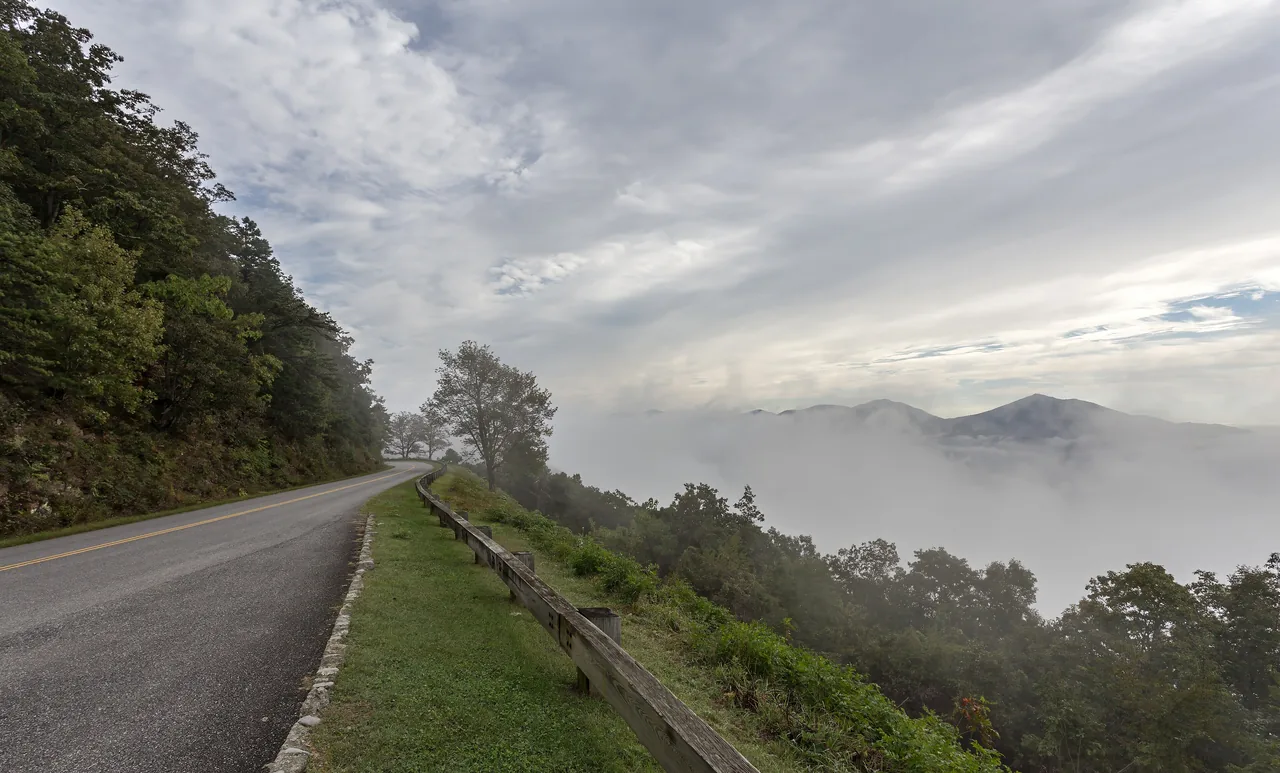
Annie Dillard was born in Pittsburgh on April 30, 1945. She studied at Hollins College, just outside Roanoke, where she wrote her master's thesis on Henry David Thoreau and Walden Pond, and she began Pilgrim in the spring of 1973, working from her own journals. The book follows four seasons and sold more than 37,000 copies in its first two months. The Pulitzer jury called her "an expert observer in whom science has not etiolated a sense of awe." Edward Abbey went further and named her the "true heir of the Master," meaning Thoreau.
Not everyone was sure what to make of her. Reviewing Pilgrim for The New York Times, Eudora Welty praised "a sense of wonder so fearless and unbridled" and then admitted: "I honestly do not know what [Dillard] is talking about at ... times." Dillard rejected the nature writer label and called Pilgrim a "book of theology." That is the key to reading her. The weasels and the eclipses are real, but she is always asking what kind of God would build a world like this one. In Pilgrim she answers bluntly: "Evolution loves death more than it loves you or me."
Start here: one Monday morning in Yakima
"Total Eclipse" is the essay that opens later editions of Teaching a Stone to Talk, her 1982 collection, and it was picked for The Best American Essays of the Century. It is the whole Dillard in one sitting. On Monday, February 26, 1979, she and her husband, Gary, climbed a 500-foot hill near Yakima, Washington, to watch a total solar eclipse. The essay starts with a creepy hotel and a painting of a clown's head made of vegetables, and then the sky goes wrong.
"'Look at Mount Adams,' I said, and that was the last sane moment I remember," she writes. The grass turns platinum. Her husband looks like a figure in an old photograph of the dead. The shadow of the moon comes up the valley and slams the hill. Then, and this is why it works, the essay comes down. At a roadside restaurant afterwards, a college student with a camera says the ring of light "looked like a Life Saver up in the sky," and Dillard grabs his sentence like a rope. "The mind's sidekick, however, will settle for two eggs over easy."
Terror and slapstick share one essay, which is exactly what reading her feels like. If it lands, you will want everything else she wrote, and if it leaves you cold, Pilgrim would have lost you by the water bug anyway.

Then the childhood, then the creek
Second, read An American Childhood (1987), her memoir of growing up in the Point Breeze neighborhood of 1950s Pittsburgh. It is her warmest book and her most generous with other people, which matters, because Welty also noticed that the narrator of Pilgrim is "the only person in [Dillard's] book." The memoir fills in the girl who became that watcher. "Like any child, I slid into myself perfectly fitted, as a diver meets her reflection in a pool," she writes, and the rest of the book is about the pool breaking.
Now you are ready for Pilgrim. You will know her voice, her jokes and her appetite for the terrible, so the frog and the water bug read as an argument with God. You will also reach the line that, for us, is the whole book: "I am a frayed and nibbled survivor in a fallen world, and I am getting along." Read Pilgrim third and it becomes the masterpiece everyone says it is.


The ones worth hunting down
Three more books belong on your list. Holy the Firm (1977) runs just 66 pages and took her 14 months of full-time work. It began as a plan to write about whatever happened on Lummi Island, Washington, over three days, and on the second day a plane crashed. The book is her attempt at the question the crash forced on her: why a merciful God would allow that kind of pain. The Writing Life (1989) is where the line about days and lives comes from, and The Boston Globe called it "a kind of spiritual Strunk & White." Her husband Robert D. Richardson, in a short biography of her, wrote that she "repudiates" it except for its final chapter, about the stunt pilot Dave Rahm. So read the final chapter first. The Maytrees (2007), her second novel, follows a lifelong marriage in Provincetown, on Cape Cod, and was a finalist for the PEN/Faulkner Award.
She taught for 21 years in the English department at Wesleyan University, starting in 1980, and in 2015 she received the National Humanities Medal.
Where her readers went next
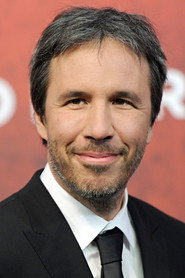
Her influence travels further than the nature shelf. In a 2021 interview with Ezra Klein, Ted Chiang, asked for his favorite religious text, said he could not point to a conventional one as an atheist, but that reading Pilgrim "gave me maybe the closest that I'm likely to get to understanding a kind of religious ecstasy." Chiang is the writer behind Stories of Your Life and Others, whose novella "Story of Your Life" became Denis Villeneuve's Arrival. Dillard is nowhere in that film, but a reader who wants the eclipse feeling again, of time and sight coming apart, will find it there. And if what you loved was the fierce solitary watcher, go to Abbey's Desert Solitaire, the book by the man who crowned her.
So give her one evening this week, and spend it on "Total Eclipse." If you are still thinking about the Life Saver by the weekend, you have found your writer.