Gerrit Graham Stole Phantom of the Paradise With a Part Meant for Someone Else
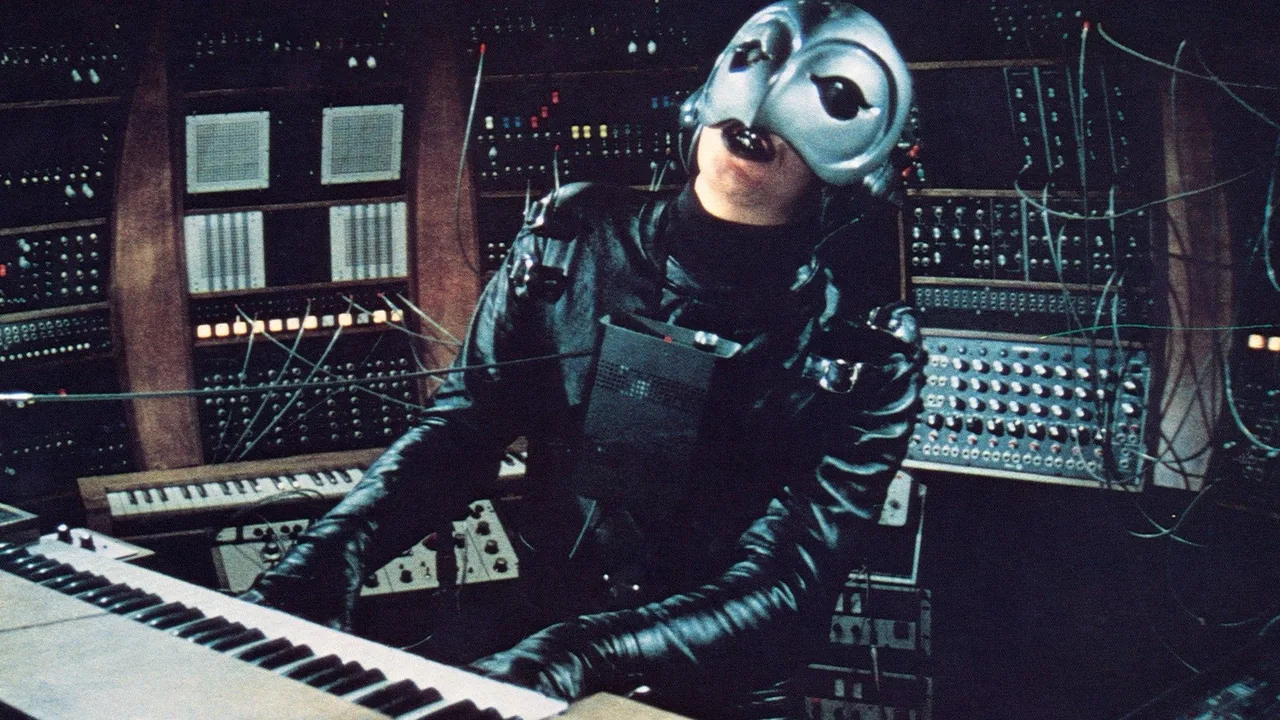
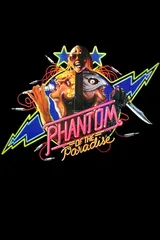
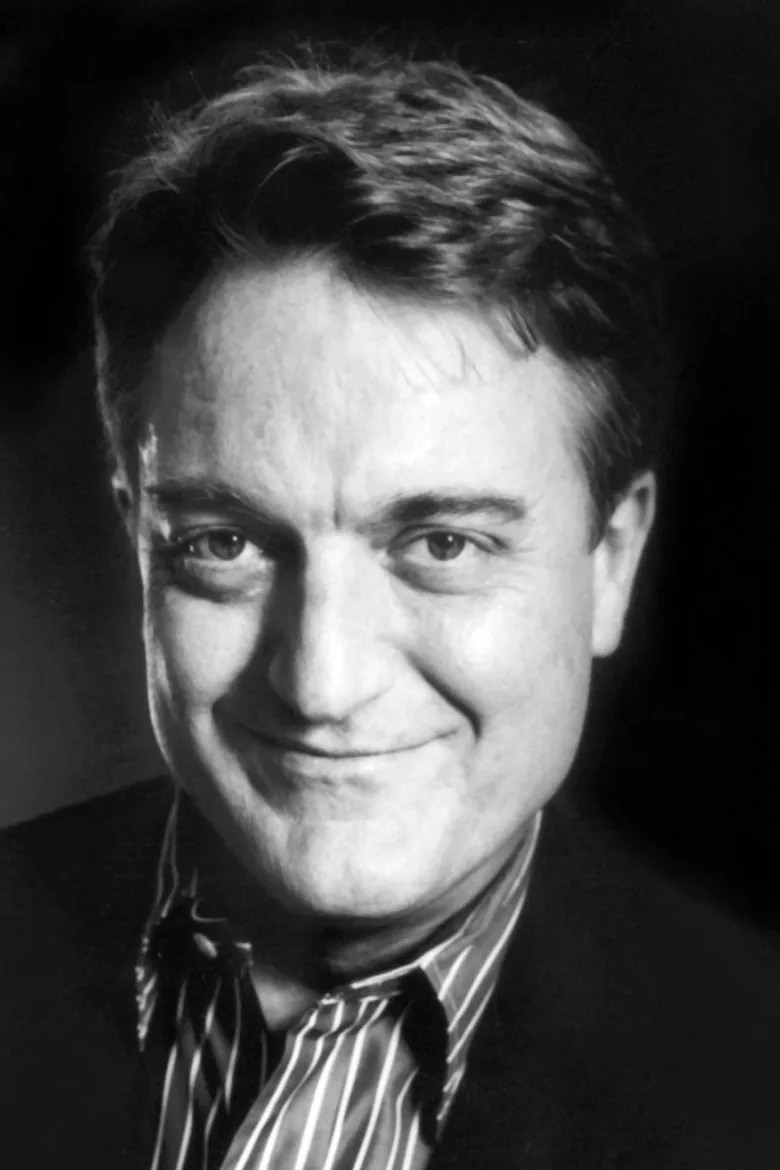
Gerrit Graham died last Tuesday, September 15, in Rhinebeck, New York, at 77, of complications from lung disease. He worked in film and television for four decades, and if you have seen Phantom of the Paradise, you know which of those roles made him immortal. He is Beef: the glam rock prima donna Swan puts on stage in place of the Phantom's chosen singer, cornered in his shower and threatened with death if he ever sings the stolen music again, and then electrocuted on stage by a prop lightning bolt.
We will make this case without apology. October is almost here, and for a lot of people that means another midnight screening of The Rocky Horror Picture Show. This week, watch Phantom of the Paradise instead. It got there first, it has the better songs, and it has Graham, who does more with a supporting part than most rock-movie leads manage with the whole film.
The flop that Winnipeg adopted
Brian De Palma's film opened on October 31, 1974, and died. It grossed $53,000 in its first two weeks nationally. The story sounds like a pitch meeting that got out of hand: Winslow Leach (William Finley), a naive songwriter, has his cantata based on the Faust legend stolen by the record producer Swan, gets his face mangled in a record press, and returns as a masked Phantom haunting Swan's new rock palace, the Paradise. He wants his music sung by Phoenix (Jessica Harper), the singer he loves. Swan, it turns out, made a deal with the Devil in 1953 and has not aged since. De Palma crosses the Faust legend with Oscar Wilde's Dorian Gray and Gaston Leroux's The Phantom of the Opera, then paints the whole thing in glitter.
The reviews were mixed. Then something odd happened in Winnipeg. The film opened at the city's Garrick Theatre on Boxing Day 1974 and ran for eighteen weeks, until May 2, 1975. The soundtrack sold 20,000 copies locally and went gold in Canada. Fans later threw festivals for it called Phantompalooza.
Paul Williams wrote the songs and plays Swan, and the score earned Oscar and Golden Globe nominations. That casting is the key to Graham's part, because Beef was never supposed to be his.
How Swan became Beef
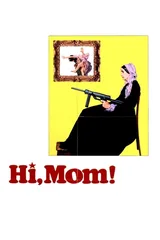
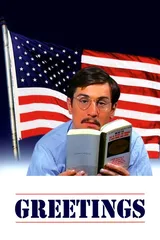
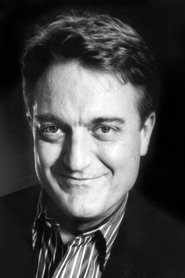
Graham knew De Palma from Columbia University, where Graham ran the Columbia Players and De Palma phoned looking for rehearsal space, wardrobe and props for a film. Graham went to meet him himself, and that visit put him in Greetings (1968) and Hi, Mom! (1970), two of De Palma's earliest features. When Phantom came together, Graham told MediaMikes in 2014, "I was originally hired to play Swan." Williams had first been approached for Winslow, felt wrong for it, and asked to play the villain instead. Graham lost Swan and inherited Beef, a part that had been meant for Peter Boyle.
The brief from De Palma and Williams was one word: flamboyant. Graham found the voice on the spot, and the room fell apart laughing. What he built is a comic creation so complete that it steals the film from its own Phantom. Beef is vain, terrified, magnificently shallow, and he sings Winslow's music with all the conviction of a man reading a menu. Every sneer lands. When the lightning bolt comes, you are almost sorry.
That is why Phantom beats Rocky Horror for a first-timer. Rocky Horror is a party that needs a crowd to work. Phantom works alone on a Tuesday night, because its jokes are in the performances, and Graham's is the funniest in it.
Four decades of scene-stealing
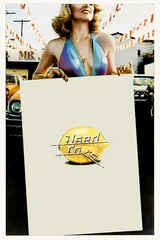
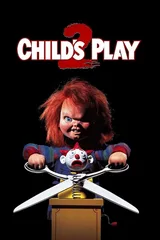
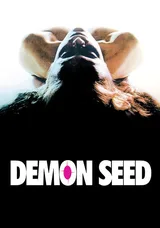
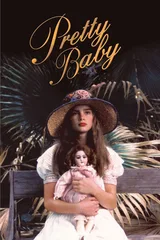
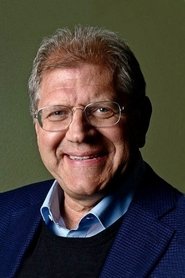
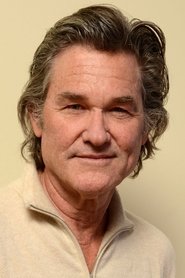
Graham spent the rest of his career as the actor you remember from the scene he stole. He was Jeff, the superstitious salesman who believes all red cars are bad luck, working alongside Kurt Russell in Robert Zemeckis's Used Cars (1980), a pitch-black comedy co-written by Bob Gale that audiences missed in 1980 and that has since earned its own cult. He played Highpockets in Pretty Baby (1978), Walter Gabler in Demon Seed (1977), and the unlucky Phil Simpson in Child's Play 2 (1990). B-movie fans will know him from Chopping Mall (1986) and in the title role of C.H.U.D. II: Bud the Chud (1989), and he played Norvell Walker in the historical satire Walker (1987).
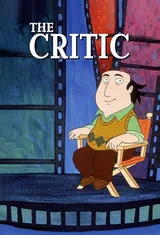
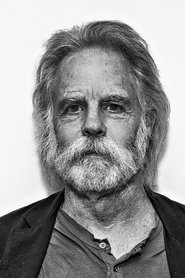
Television kept him busy too. He voiced Franklin Sherman, Jay Sherman's father, on The Critic, and played the alien Tosk on Star Trek: Deep Space Nine. He also had a second career as a lyricist: with Bob Weir he co-wrote the Grateful Dead's "Victim or the Crime" (1989), and later wrote lyrics for Weir's band RatDog.
Your Gerrit Graham starter pack
Start with Phantom, then the soundtrack, then work down the list below. Our order puts the performances where Graham most clearly runs off with the scene at the top.