98 Percent Pure Fiction
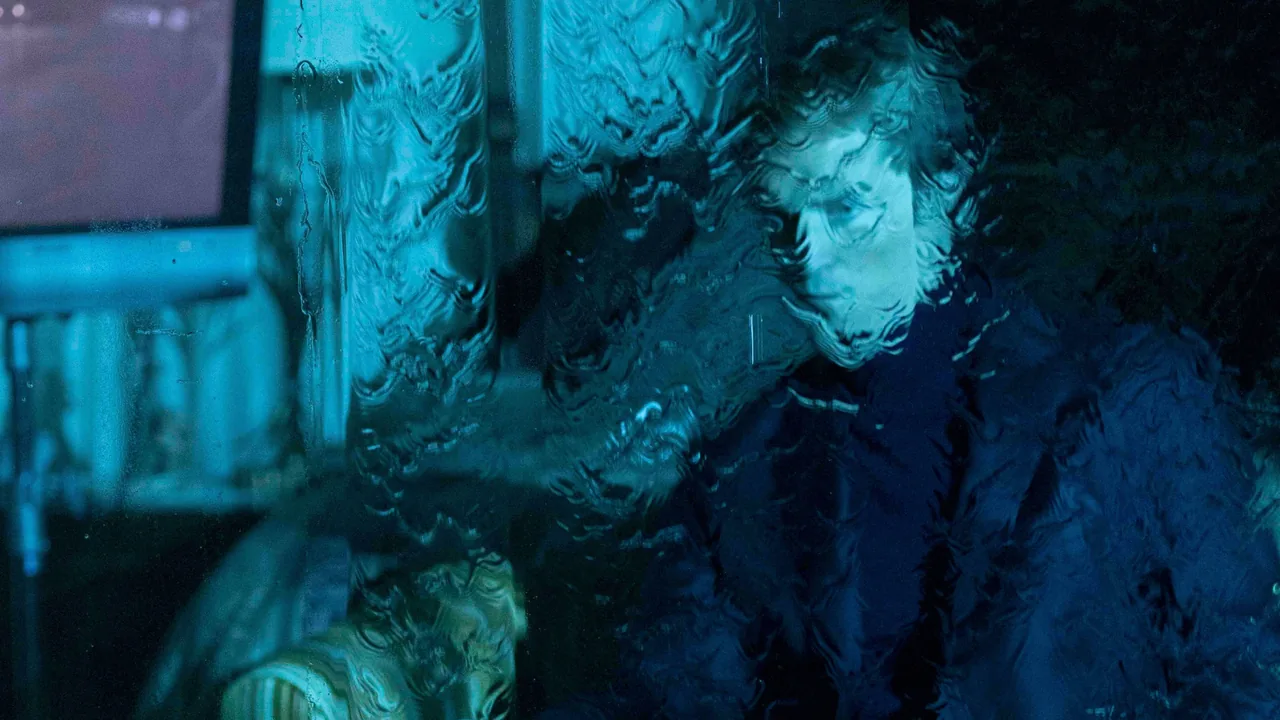
Every biopic has a critic it cannot please, and Primetime has found its own. A24's film, which opened last Friday, September 25, casts Robert Pattinson as Chris Hansen, the Dateline host who spent the mid-2000s telling men in sting houses to have a seat. Merritt Wever and Phoebe Bridgers round out a strange, crowded cast. The real Hansen has now seen it, and he took his review to his own microphone.
On his podcast, Have a Seat, pressed by Fox News host Jesse Watters, Hansen called the film "98 percent pure fiction" and gave Pattinson's performance a D. Director Lance Oppenheim had once described the film to him as a love letter. Hansen's answer: "if that's a love letter, I'd hate to get a poison pen letter from this director." His kindest words for the craft were "interesting photography."
What he actually objects to
Set the one-liners aside and Hansen has two complaints, and they are not equally strong.
The first is personal. "What bothered me most was that it portrayed me as an aloof, detached father from my sons," he said, calling those scenes "meanspirited, untrue, and unworthy of the viewers' time." He also singled out a scene in which former NBC News executive Jeff Zucker plays himself opposite Pattinson, a conversation Hansen says never happened. That complaint deserves a fair hearing. A film that uses a living man's name and puts his family on screen should expect him to check the domestic scenes against his own memory. Nobody asked him to: Hansen told Entertainment Tonight it was "disappointing that a major film company would not have the common courtesy to at least tell you what they're doing."
The second complaint is about the show itself, and here he overreaches. To The Hollywood Reporter he said the film turns "something that is very positive, very challenging and not without risk into what is essentially a horror film."







Why the film wins the argument
Primetime was never pitched as a character reference. It is adapted from Luke Dittrich's 2007 Esquire article "Tonight on Dateline This Man Will Die," and its spine is the 2006 sting in Murphy, Texas. One of its targets, Kaufman County assistant district attorney Bill Conradt, shot himself at his own home as police and an NBC camera crew came through the door. His sister sued NBC Universal for $105 million, and the case was settled out of court. Prosecutors later declined all 23 cases from the Murphy sting, citing insufficient evidence, and a judge in a separate case had already criticized the show's partner group, Perverted-Justice, for entrapment. Those are the stakes the film sets out to examine, and a film about them was always going to look like a horror film to the man at the center.
Nor does it pretend to be a deposition. Oppenheim has called Pattinson's Hansen "a cross between Jerry Maguire and Dracula." The BBC's Nicholas Barber called Pattinson "extraordinary" and the film "a heightened, hallucinatory black comedy." It stood at 87 percent on Rotten Tomatoes over its opening weekend. Not everyone bought it (the Daily Beast's Nick Schager wrote that "there isn't a single moment when Pattinson's Hansen resembles a real-life human being"), but that is a complaint about style, not about what happened to Conradt.
Pattinson, asked by the AP, kept his cool: "He's a public person. He is also just being asked about it." He added that he was "surprised about the level of traction that everything gets," and that people "still discussing the ethics of it, of a 20-year-old TV show" is "absolutely insane." That lingering argument is the reason the film exists.
Where Hansen has a point
Our call: the film is right about the show, and Hansen is right about his kitchen table. Invented family coldness is the cheapest tool a biopic has, and if those scenes are made up, he is entitled to be angry. It does not sink the movie, because the movie's case rests on the Texas sting, which is on the record. It is still a fair mark against it, and a reminder that dramatizing a living person's home life carries a cost the filmmakers never pay.
What to watch, and in what order
Start with Primetime in theaters, then watch Predators, David Osit's 2025 documentary about To Catch a Predator. It draws on former decoys, unseen raw footage and an interview with Hansen himself, so the subject gets to speak in his own words. It holds 97 percent on Rotten Tomatoes and was nominated for a Peabody. Seen back to back, the two make a better argument than either side of this feud.
If Pattinson's feral turn is what hooks you, Good Time and The Lighthouse are its nearest relatives. For Oppenheim's eye, go to Some Kind of Heaven, his debut documentary about The Villages in Florida, the world's largest retirement community. It shares Primetime's fascination with Americans performing for a camera.