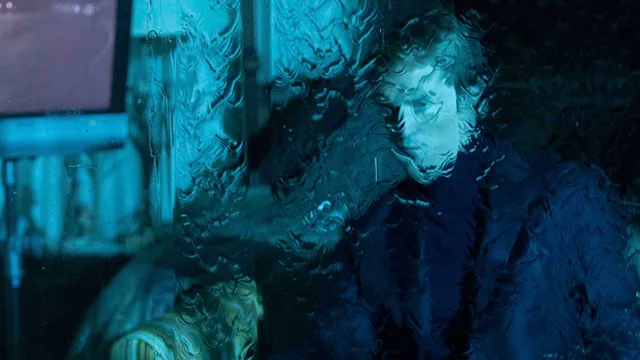
Don't See Verity Until You've Read It
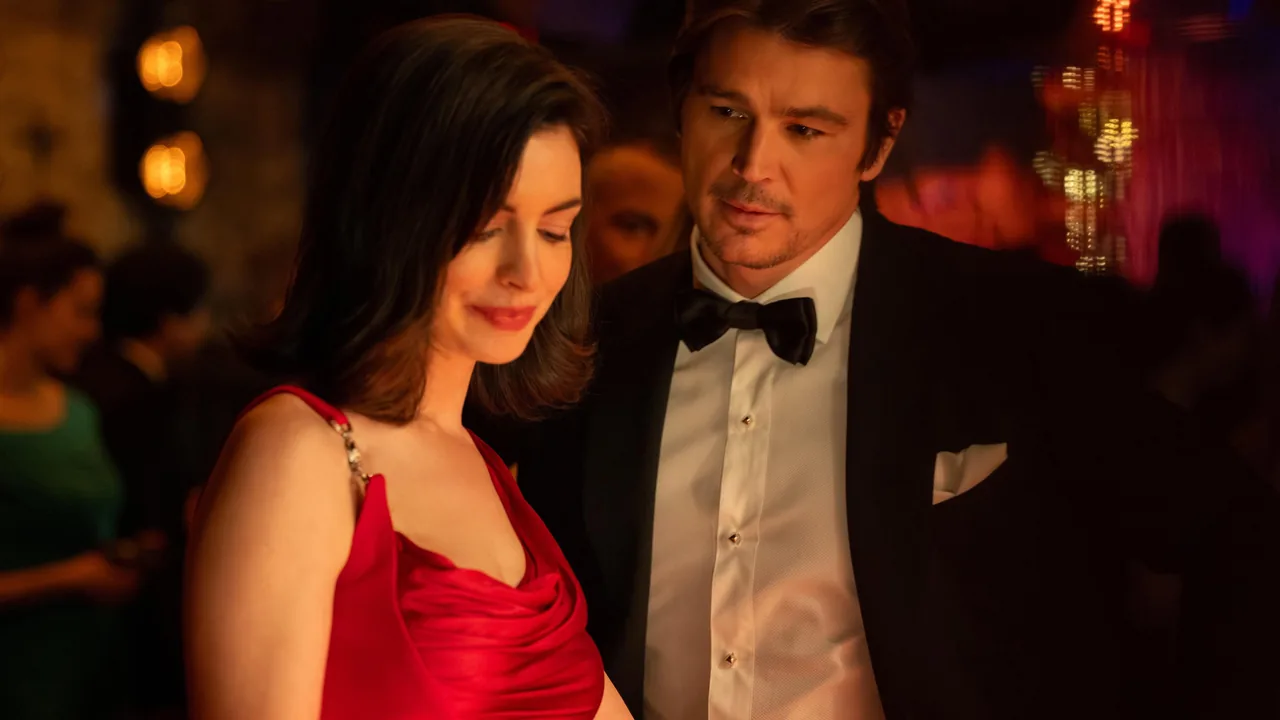
This Friday, October 2, Verity opens in theaters, and if you have not read the book yet, you have exactly one week to fix that. Our advice is simple and a little bossy: read the novel first. Watch the movie second. With this story, the order changes what you end up believing.
The setup is the same in both. Lowen Ashleigh, a writer who is broke and stuck, gets hired by Jeremy Crawford to finish the bestselling book series his wife can no longer write. Verity Crawford is incapacitated after a car accident. Lowen moves into the family house to work, and there she finds an unpublished manuscript, Verity's own account of her past, that makes her skin crawl. Amazon MGM's own logline says Lowen struggles "to separate fiction from reality, manipulation from attraction, and opportunity from obsession." That is a fair description of the reader, too.
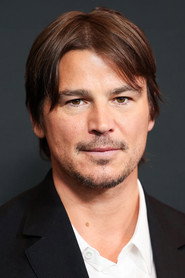
Anne Hathaway plays Verity. Dakota Johnson plays Lowen. Josh Hartnett plays Jeremy. Michael Showalter directs from a screenplay by Nick Antosca, and Colleen Hoover is among the producers. It runs 117 minutes and was first dated for May 15 before moving to this fall. Nobody had published a review as we went to press, so this is not a verdict on the film. It is a verdict on the order.
Why the book comes first
Without giving anything away: near the very end of the novel, Lowen finds a letter. It is short, it is hidden, and it reframes everything you just read. Readers have argued about it ever since, because the book never tells you which document to trust, the manuscript or the letter. You close it and pick a side, and your side says something about you.
That argument is the reason the book exists. The manuscript chapters are written in Verity's own voice, and on the page you are alone with them, the way Lowen is. You hear them in your own head. You build your own Verity out of them, and when the letter arrives, it is your Verity that gets torn down.
A film cannot work that way. The moment Anne Hathaway speaks those lines, she makes choices about tone and eyes and timing, and those choices tip the scale. That is not a flaw in the movie. It is what acting is. But it means the question the book leaves open, the movie will partly answer for you, and you cannot un-see a performance.
Even Hoover felt the pull. She had said publicly that she believed Verity's manuscript was the truth. After watching Showalter's film, she told E! News her sympathies moved.
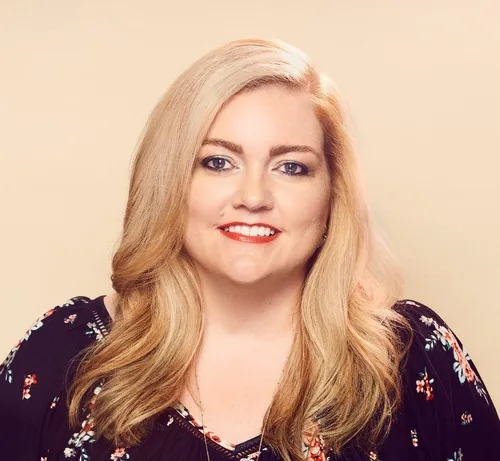
Hoover insists the movie does not push you in one direction, and says she has been "all over the place" since. Still, if the woman who invented these people started pitying a different character after two hours in a theater, the film can move you too. That is the best argument for arriving with your own opinion already formed. Then you get two experiences instead of one: the private one on the page, and then the fun of watching Hathaway and Johnson either confirm or overturn it.
Hoover also said the thing fans want to hear about fidelity. In Variety, she put it this way: "The readers are open to changes as long as the essential DNA of the story remains intact." Showalter, for his part, admitted what every adapter admits: "You don't have time to go on some of the diversions that you can in a book." In Verity, a lot of the dread lives in those diversions.
The plan: can you finish it by Friday?
Yes, easily. The novel runs 324 pages. Start Monday night and you need roughly 80 pages an evening to be done by Thursday, and if it grabs you the way it grabbed us, you will not need all four nights.
It is also easy to get hold of: Amazon lists it in print, on Kindle, as an Audible audiobook, and in the Kindle Unlimited catalog.
One warning. Verity is darker than Hoover's romances. The manuscript includes Verity's account of trying to harm her own children, and Variety's interview with Hoover and Showalter is about how the film leans into the story's erotic side. Know that going in, on the page and in the seat.
Then see it Friday, ideally with someone who has also read it, and have the fight over dinner.
Where to go next
If the letter wrecks you, you want more books that make you pick a side. Gone Girl by Gillian Flynn is the obvious next read, another thriller about a marriage and whose account to believe, and the 2014 film is there once you have picked your side. Same rule: book first.
For more Hoover, read It Ends with Us (then see the 2024 film) or Reminders of Him, though neither goes as dark.
For the people on screen: Showalter's best film is still The Big Sick, which earned an Oscar nomination for its screenplay and shows how well he handles a story where love and dread share a room. Hathaway at her rawest is in Rachel Getting Married, as Kym. Johnson has a real streak of unease in her filmography: try The Lost Daughter or Suspiria.