John Carpenter on The Thing: “I Had a Lot of Pressure to Change It”
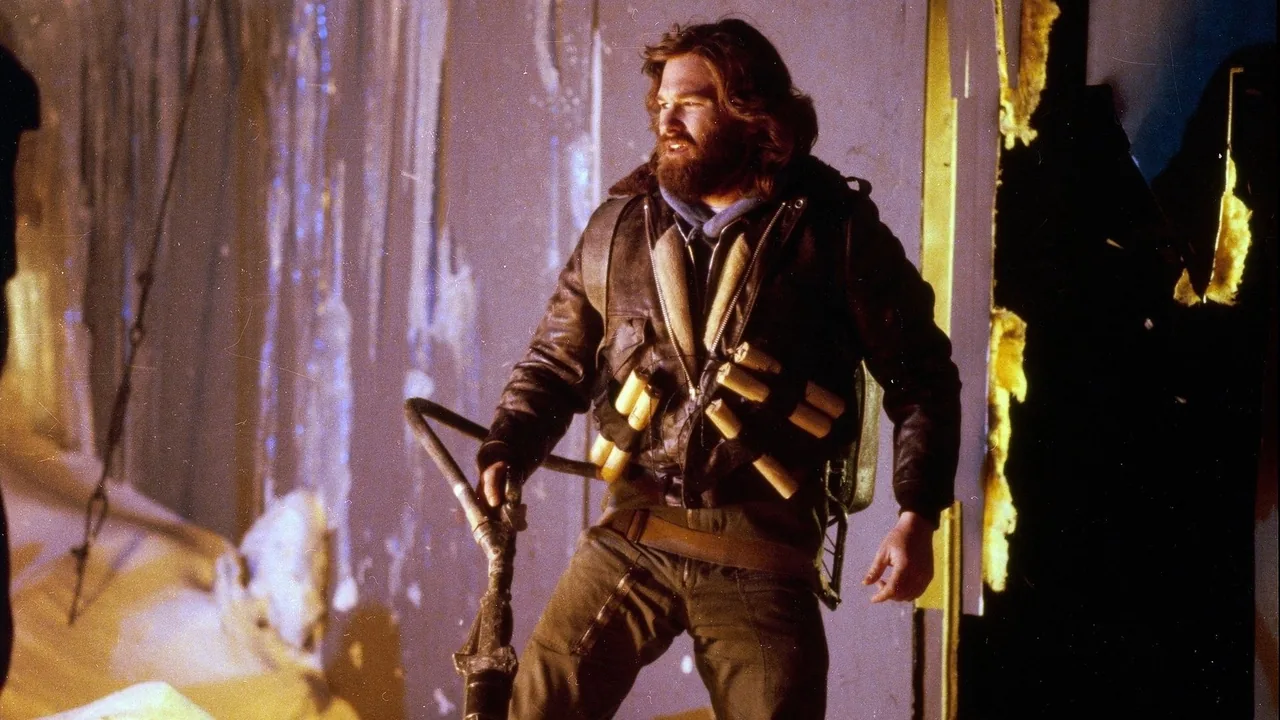
Before you spend another evening trying to solve The Thing, consider what John Carpenter was asked to do with its ending. In a Total Film interview, the director recalled Universal wanting a triumphant conclusion. He also said the final lines were worked out on location. He had to defend the uncertainty that viewers keep trying to resolve.
This article discusses the shape of that final scene. Watch the film first if its last stretch is still waiting for you. You deserve to arrive there without a list of details to inspect.

There is a reasonable case for wanting relief. You have spent a feature inside a place where another human being might be something else. Friendship offers no reliable protection. Competence helps, but not enough. A decisive victory would let you breathe again.
It would also make the film smaller. The refusal to reassure is the ending's greatest strength. By the final conversation, survival and trust have become separate problems. Answering one would not necessarily repair the other. The terrible possibility is that you could sit beside the right person and still be unable to believe it.
That is why treating the scene entirely as a hidden-answer competition misses its strongest effect. By all means watch the eyes, the light, the pauses. Look as closely as you like. But a theory that makes the uncertainty disappear is not automatically a better experience of the movie. Sometimes the discomfort is the thing you came for.
Carpenter's account makes the cost of that stubbornness concrete. He said the response to The Thing led to his removal from another directing job, and he went on to make Christine. The latter is a useful next watch: another horror film in which an apparently familiar object becomes an instrument of menace.
There is no need to turn an unhappy reception into a fairy tale where every rejected filmmaker was secretly right. The narrower lesson is enough. This particular film would lose something essential if its last scene supplied the emotional release the studio requested. Its cruelty is that even exhaustion cannot purchase certainty.
For an October double bill, begin with The Thing and leave a little silence after the credits. Then try Christine for a different kind of possession. Resist the immediate explanation video. Talk to the person beside you about what the ending made you feel before either of you argues about what it proves.
I would rather sit with that uncertainty than rush to make it go away.