Ursula Le Guin Had a Point About Ghibli
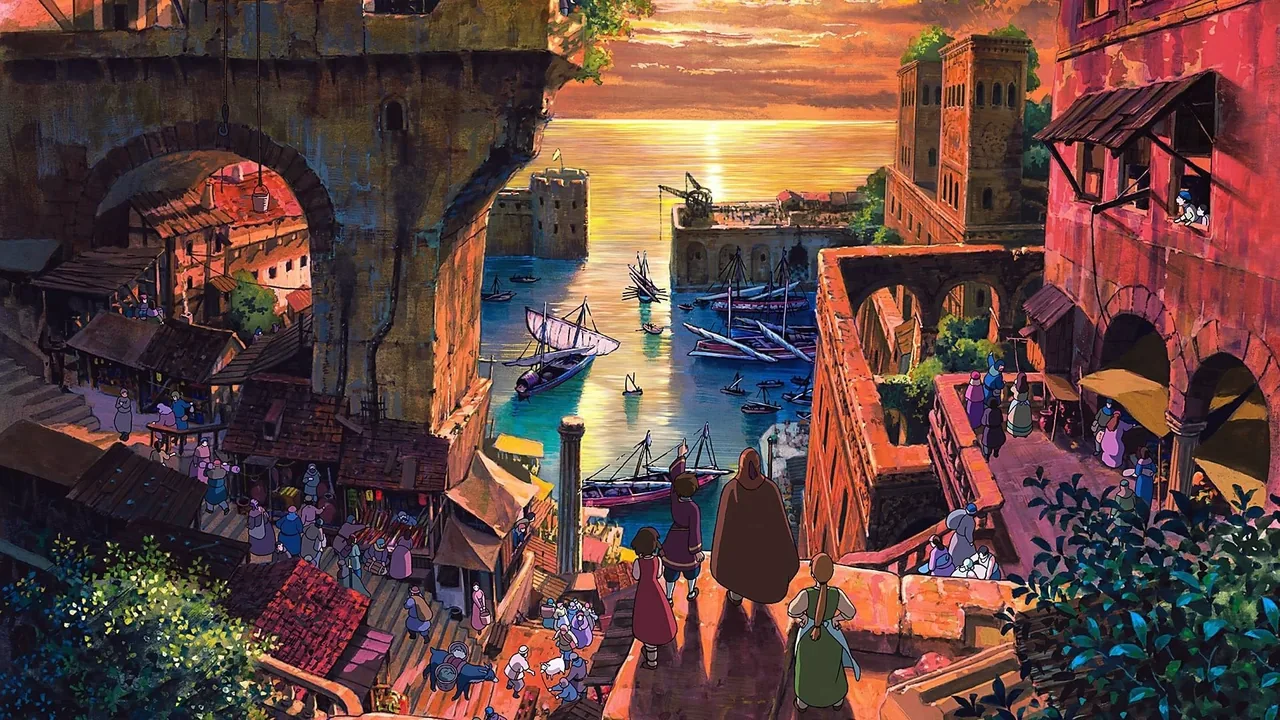
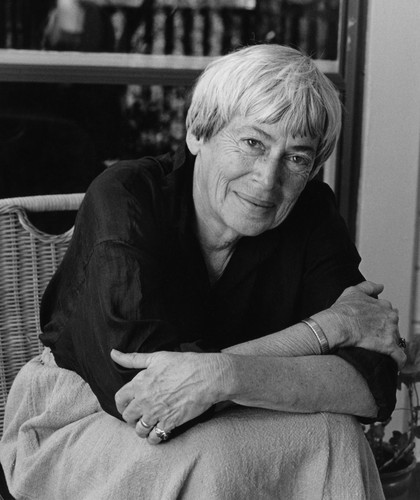
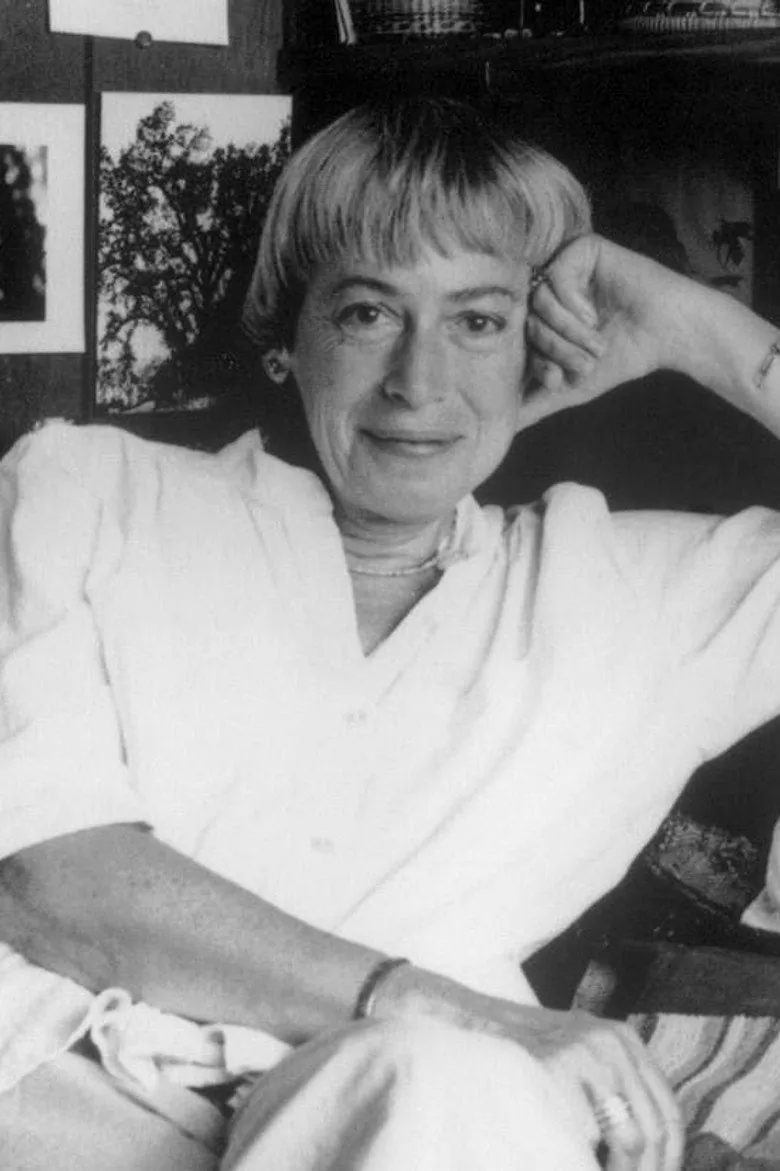
A famous author objects to a film adaptation, and the easy response is to roll your eyes. Ursula K. Le Guin makes that difficult. Her complaint about Tales from Earthsea reaches past the changed plot to a decision that ought to trouble anyone who loves fantasy.
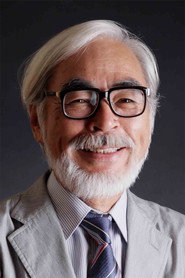
She had wanted Hayao Miyazaki to make the film. In her account, she accepted Goro Miyazaki as director with assurances of his father's oversight, then discovered the elder filmmaker was not involved. That disappointment would have been enough for a bitter essay. Her criticism is more useful than a production grievance.
A villain you can conveniently kill
In A Wizard of Earthsea, Ged has to reckon with a darkness that belongs to him. Le Guin argues that the film transfers the problem to an enemy who can be killed. Once evil has a separate address, the hero's job becomes considerably easier.
That is the objection worth defending. Fantasy can give us the satisfaction of a defeated monster so efficiently that we stop asking what the hero has learned. A film may borrow the book's names and scenery while avoiding its hardest demand. Recognising a dragon proves very little.
The useful test is what happens after victory. Has the hero acquired self-knowledge, or just survived a fight? A screen adaptation has every right to find its own answer. But when the answer is easier, fidelity to the look of the original should not earn it a free pass.
Watch the quiet scenes, too
Le Guin admired the dragons and the scenes of ordinary work. Her essay leaves space for pleasure even while explaining the objection. That makes it a better companion to the film than a list of deviations from the books.
We should be able to say a scene is beautiful and still object to the story it serves. The alternative is the dreary fan obligation to defend every frame, or condemn them all, depending on whose side you chose before pressing play.
Read A Wizard of Earthsea, then watch Tales from Earthsea. Give the quiet passages their due. When the confrontation comes, ask what the hero could have learned that a sword could never teach him.