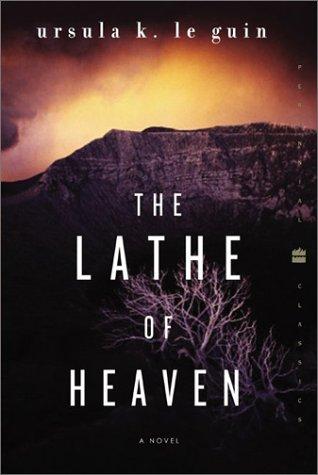

Ursula K. Le Guin spent half a century writing fiction that refused easy categories. Her Earthsea novels gave fantasy a moral philosophy grounded in Taoist balance rather than good-versus-evil combat. Her Hainish Cycle built a galaxy-spanning civilization across a dozen standalone novels, each exploring a different political or anthropological question: what does society look like without private property, without gender, without war? She wrote slowly and argued for slowness. Her prose is precise, quiet, and in no hurry. The through-line a Le Guin reader loves is not plot mechanics but the sensation of being placed inside an entirely coherent other world, one whose strangeness illuminates something true about this one.
Essential Ursula K. Le Guin
The core body of work, from Earthsea to the Hainish Cycle


Le Guin on Screen
Adaptations and films that share her contemplative, world-building spirit
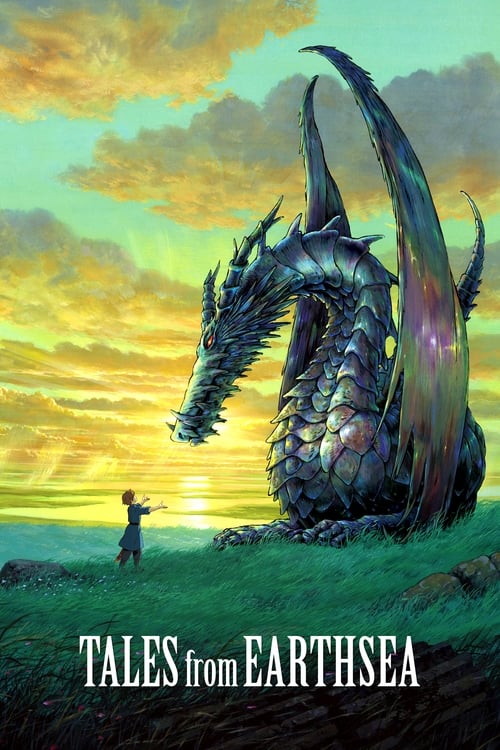
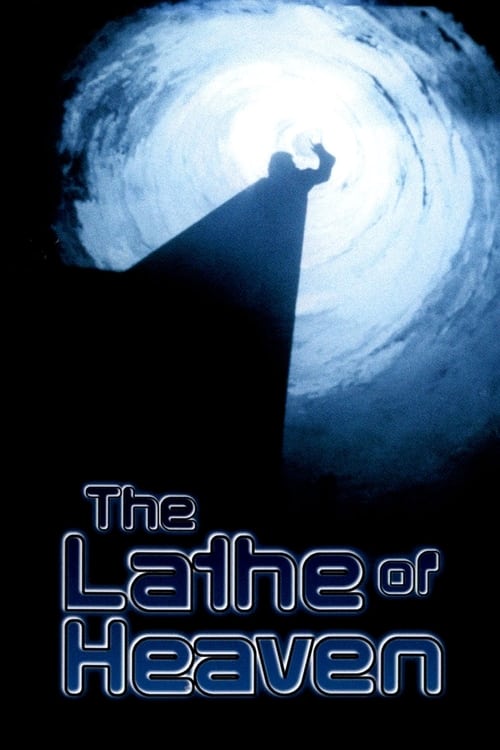
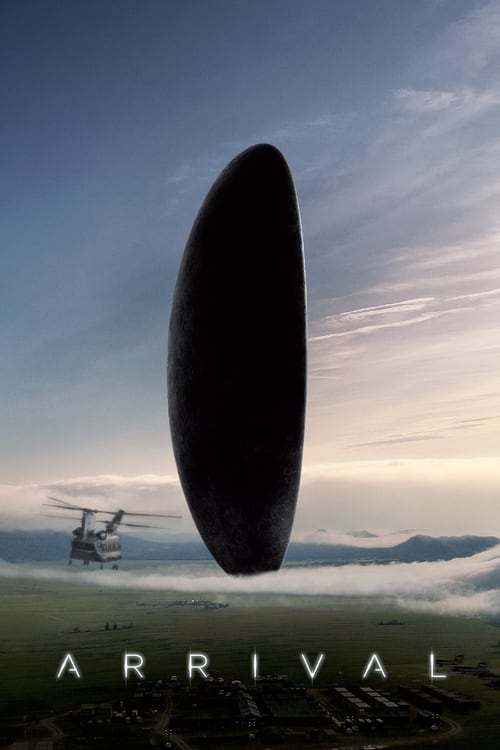
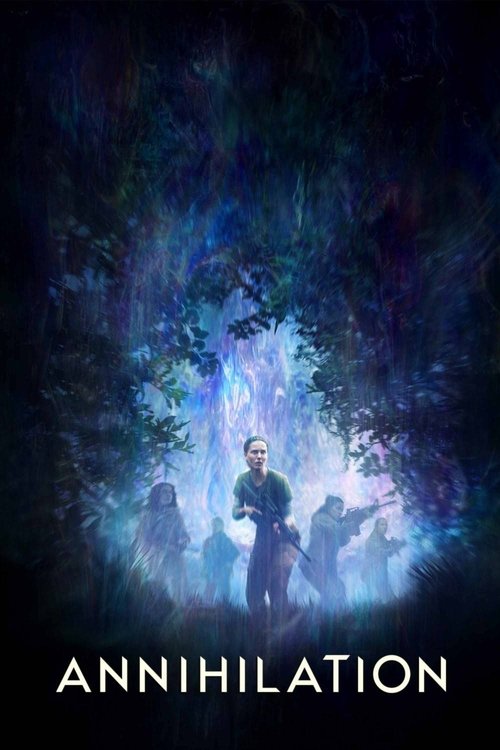
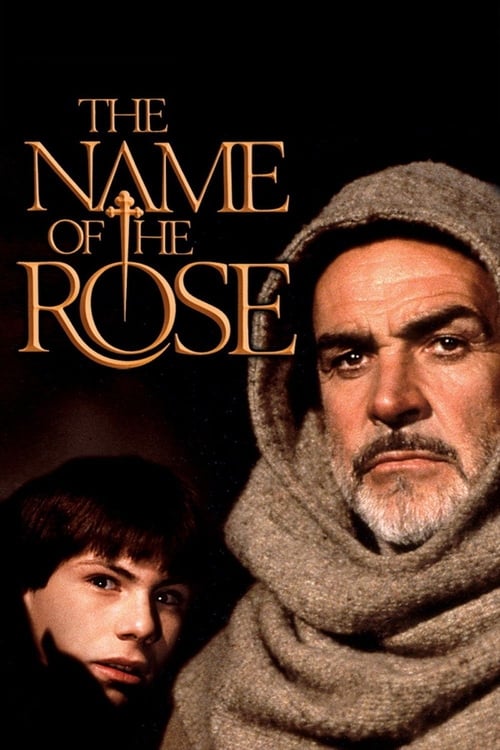

The Anthropological Imagination: Similar Authors
Writers who build societies from first principles the way Le Guin did


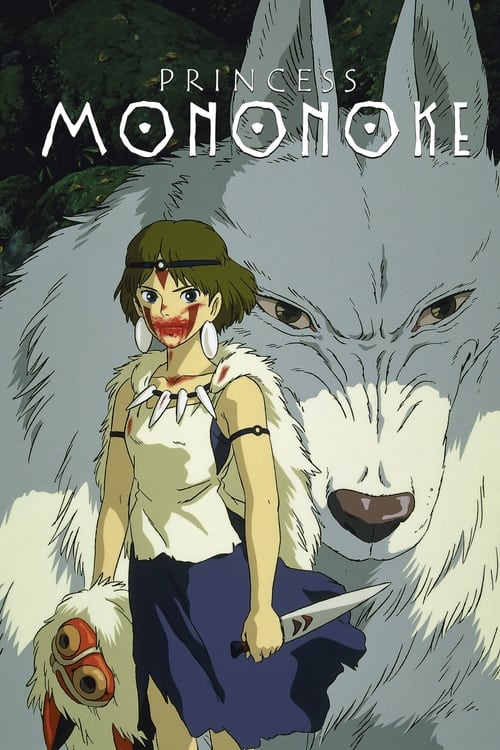
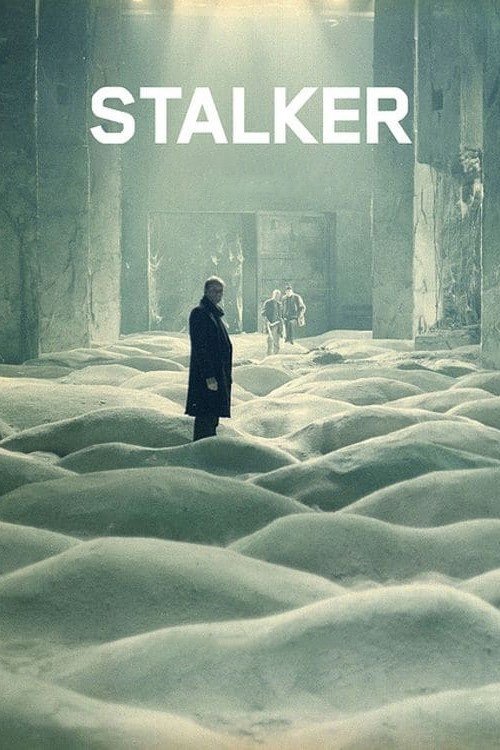
Films and Series for the Slow, Thoughtful Gaze
Screen works with Le Guin's patience, strangeness, and moral seriousness






Games That Build Worlds from the Inside Out
Games in Le Guin's spirit: ecology, language, society, quiet wonder


The Dispossessed Is the Most Honest Utopia Ever Written
Le Guin did not write a utopia in The Dispossessed, she wrote an ambiguous one, which is the only kind worth reading. Anarres is a functioning anarchist society that is also claustrophobic, suspicious of individual ambition, and prone to its own forms of conformist cruelty. Urras is stratified and unjust and also lushly beautiful and full of things Shevek has never seen. The novel holds both without resolving them, which is exactly what a novel about political philosophy should do.

Earthsea Understands Magic as Discipline, Not Power
Most fantasy uses magic as a shortcut to power. Le Guin's Earthsea insists on the opposite: every true name spoken costs something, every act of power disturbs an equilibrium that must be restored. Ged's arc across the first three novels is not about becoming stronger but about understanding the cost of strength. That moral logic, rooted in Taoist ideas Le Guin absorbed from her father's anthropological library, made Earthsea feel more real than most mimetic fiction.
The Left Hand of Darkness Asked a Question We Are Still Answering
Published in 1969, The Left Hand of Darkness placed its protagonist on a planet whose inhabitants are neither male nor female except during a brief periodic cycle. Le Guin was not trying to describe a world without gender; she was trying to describe our world more clearly by removing one assumption from it. The novel is also, underneath the thought experiment, a story about the slow building of trust between two people who have every reason not to trust each other, crossing a glacier in winter.
Always Coming Home Is a Book About a Civilization That Does Not Exist Yet
This is Le Guin's strangest and most ambitious book: an ethnographic account of the Kesh, a future people living in the Napa Valley long after some unnamed collapse, with poetry, recipes, music notation, and a novella woven through. It is not a novel in the conventional sense. It reads like the artifact collection a real anthropologist might produce, and that is precisely what makes it haunting. Le Guin was imagining a way of living she found worth imagining.

A Life in Worlds
- 1929Born in Berkeley, California, daughter of anthropologist Alfred Kroeber and writer Theodora Kroeber
- 1968A Wizard of Earthsea published, the first Earthsea novel A Wizard of Earthsea
- 1969The Left Hand of Darkness wins Hugo and Nebula Awards The Left Hand of Darkness
- 1974The Dispossessed wins Hugo and Nebula; establishes her as the defining political SF writer of her era The Dispossessed
- 1985Always Coming Home published, her most experimental work Coming Home
- 1990Tehanu revisits Earthsea from a feminist perspective, twenty years on
- 2004Earthsea miniseries adaptation airs on Sci-Fi Channel
- 2018Le Guin dies in Portland, Oregon, age 88, leaving behind more than twenty novels and hundreds of stories
More visionary speculative worlds
For Fans of Octavia Butler
Explore the For Fans of Octavia Butler guide →The creative adult is the child who survived.Ursula K. Le Guin