Disco Elysium Came With a Reading List
You wake up on a hotel room floor with no name, a ruined liver and a tie that talks. Somebody has been hanged behind the building. You are, apparently, the detective. That is the whole setup of Disco Elysium, and ZA/UM, an Estonian artists' collective turned studio, took that party joke deadly seriously. It came out on PC on October 15, 2019, so it turns seven on Thursday, and nothing has taken the title off it since. No game before or since has put this much good prose in front of a player, and none has made the prose the thing you actually play with.
The trick is in the structure. Instead of strength and dexterity, the detective has twenty-four skills, and every one of them is a voice. Logic interrupts. Electrochemistry begs for a drink. Inland Empire hears the tie. Distribute points and you are deciding which of the idiots in your head gets to talk most. Kurvitz put it to the French magazine Canard PC in 2019: "It's as if there were 24 people having a big party inside the hero's body. By distributing points, you can vote to decide which ones get the most power."
That is why the writing can be this good. In an ordinary role-playing game the text sits on top of a system built for hitting things, and Kurvitz said even the classics fight it: "Even the RPGs with the best writing, such as Planescape: Torment, are constantly battling with the Dungeons & Dragons-style skills system they're based on." In Revachol the skills system is the writing. Failing a check does not lock a door. It embarrasses you, and the game keeps the embarrassment and hands it back later.
The case, and why failing it is the point
The murder is real and meticulously plotted, a proper whodunit with a corpse in a tree behind the hostel, a dockworkers' strike around it and a partner, Lieutenant Kim Kitsuragi, who is the sane one. Kurvitz has said the internal logic of a crime story "has to be flawless". But the plot is a delivery vehicle. What the game is actually about, in his words, is "what it is to live inside this lump that sleeps eight hours a day and spends the rest of the time thinking." The amnesiac-cop joke turns into the most honest portrait of a breakdown and a slow, undeserved recovery a game has attempted.
The mistakes are where it lives. Kurvitz's own example is an interrogation of eight armed men who admit the crime and then dare you to draw. Fail to hold the room enough times and the detective pulls his gun, puts it under his own chin, and your partner tries to help while it goes on for ages. "Everyone will remember that moment," Kurvitz said. "Getting it wrong makes the game more fun." Other RPGs punish a bad roll with a reload. This one punishes it with a scene you will think about for a week.
The painter and the co-writer
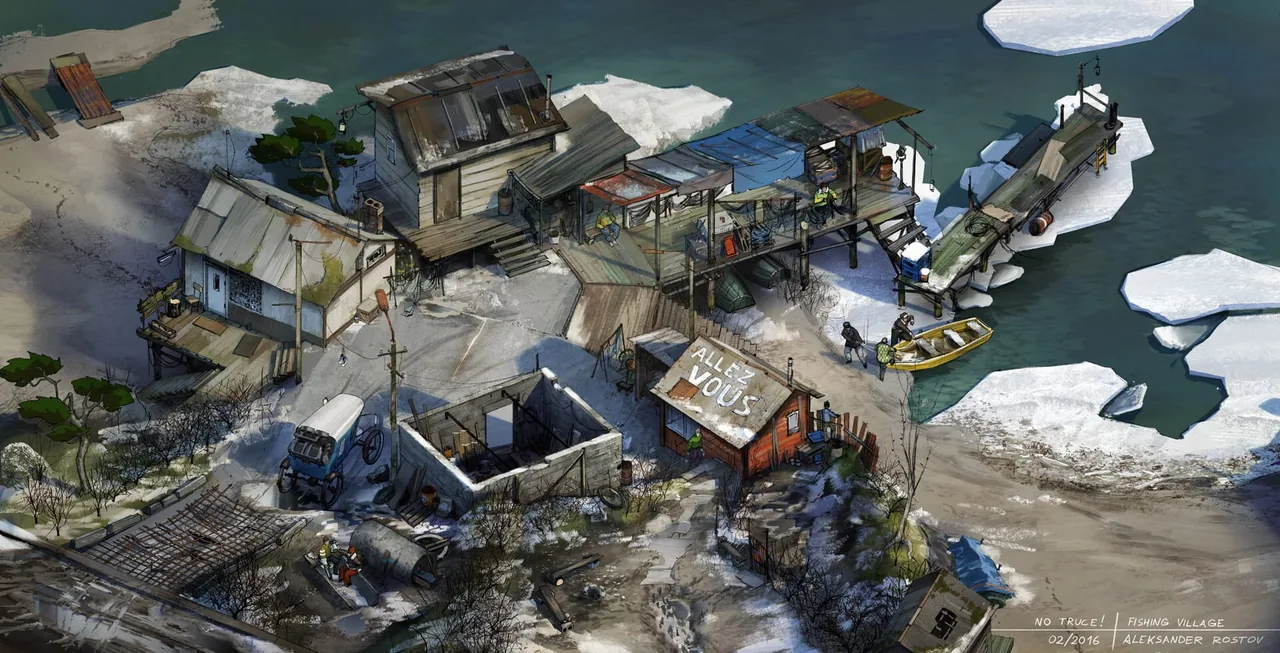
The words would not land without the pictures. Art director Aleksander Rostov, whose team hand-painted the entire game, told GamesRadar in November 2019 why: "Hyperrealism is gauche," he said, "embrace the artifice!" His best line is about the interiors. "As a police officer, you visit the homes of quite a few characters. Their homes are meant to be extended portraits. In a way, this is a game of portraits." The alcoholics' portraits, in his words, "literally dissolve into sloppy brushwork".
Then there is Helen Hindpere, ZA/UM's head writer by the time of The Final Cut, whose own list of what she wrote runs to the church area, the ravers, the apartment building, a working-class woman's quest and the doomed commercial strip. Her account of the protagonist is the one to remember when people call the game bleak: "Writing Harry felt very freeing in a sense that he's the fantasy of a trickster, someone who has let himself go so totally that this gives him a certain freedom to test boundaries." The politics are not hidden: the acceptance speech at The Game Awards in 2019, where the game won all four awards it was nominated for, Best Narrative, Best Role-Playing Game, Best Independent Game and Fresh Indie Game, thanked Marx and Engels. But Hindpere insists on the design: "We wanted players to arrive at political conclusions through playing, not by picking whatever ideology they preferred at the game's beginning." Which is why every camp of player thinks the game is secretly on their side.
The novel nobody could buy
Here is the part most players do not know. Revachol existed before the game, on paper and in a tabletop campaign the collective ran for years, and its first public appearance was a novel. Kurvitz published Sacred and Terrible Air (in Estonian, Püha ja õudne lõhn) in 2013. It follows three men who, twenty years after their classmates vanished without explanation, are still trying to find them. An Estonian paper made it a book of the week. It sold somewhere between a thousand and fifteen hundred copies, and the failure sent Kurvitz into a deep alcoholism. His friends and creative partners picked him up and suggested he make a game in the same world instead.
The game found the audience the book never did. An English translation of the novel was announced for 2020 and never appeared; by 2023 fans had produced two of their own. Kurvitz, characteristically, does not mourn the format. "Novels are almost inconsequential," he told Edge, "it's hard to piss anyone off with them, because they spread very slowly from one language to another. You can't lead the youth astray with a novel nowadays." It reads like grief dressed up as a boast. If an official translation ever ships it goes to the top of the list below. Until then, the reading list is the one the studio published itself.

What ZA/UM told you to read
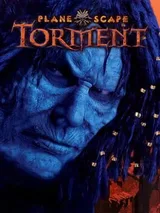
In January 2020 the studio posted an inspirations list on Steam, and it is a better guide to the game than most reviews. Top of it: Planescape: Torment, "a huge inspiration and influence on us." Kurvitz had already gone further with The Escapist a few months earlier: "The two biggest favors anyone's ever done me in my life are the political education from Estonian punk bands and what Chris Avellone did with Planescape: Torment." Chris Avellone's 1999 game about an immortal amnesiac is the direct ancestor.
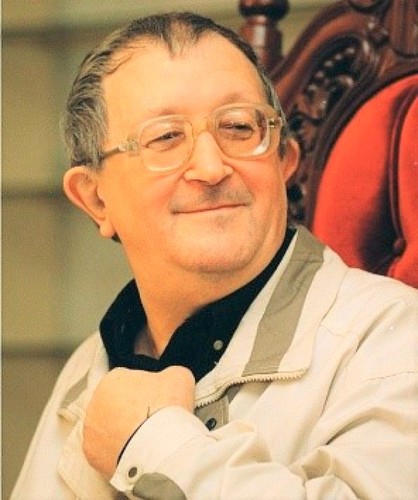
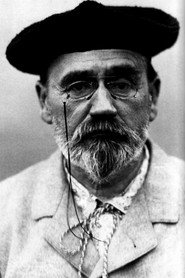
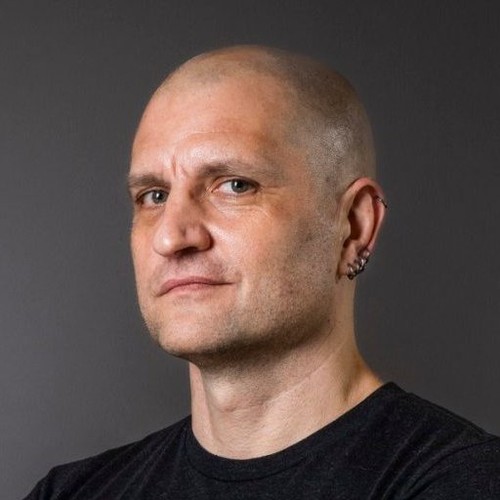
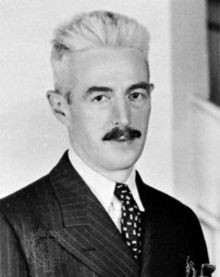
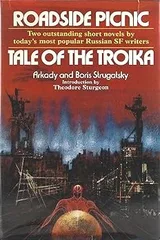
The books are where the list gets interesting. ZA/UM named Arkady Strugatsky and Boris Strugatsky, the Soviet brothers whose science fiction is all failed utopias and bureaucracies with something unknowable in the basement; start with Roadside Picnic, the Zone novel that reads like a rehearsal for Revachol's reality-eating Pale. They called Germinal, Émile Zola's novel of a coal miners' strike, "a studio favourite," which explains the dockworkers of Martinaise entirely. They pointed to Dashiell Hammett, "especially The Glass Key," the hardboiled template for a cop who is the least reliable person in the room. And they recommended starting China Miéville with The City & the City, a murder investigation across two cities that share the same streets and refuse to see each other, which is Revachol's politics as a thought experiment.
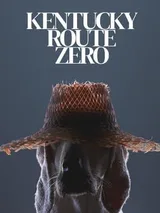
The list has a gap, and filling it is our call, not the studio's. Nobody at ZA/UM named Fyodor Dostoyevsky. Read Crime and Punishment anyway. A hungover man arguing with the voices of his own conscience while a murder investigation drags him through every stratum of a city is more or less that book with dice added. Then read The Brothers Karamazov, and Harry's interior monologue stops looking like a gimmick. The studio also listed Kentucky Route Zero, and three television shows: True Detective, The Shield and The Wire. Two of the three are about cops who are the problem.
Which version, and what happened to the studio
Play Disco Elysium as The Final Cut, full stop. It arrived on March 30, 2021 as a free update for existing PC and Mac owners and added complete voicework for the game's nearly one hundred characters, the narration and every one of the skills in your head, over 1.2 million words of it by Hindpere's count, plus four Political Vision Quests reworked out of material cut from the original. The first release is a great novel; The Final Cut is the same novel read aloud by a cast, and the skills as spoken voices are the biggest upgrade the game ever got. It is the version on PC, PlayStation, Xbox and Switch now.
The studio that made it no longer contains the people who made it. In November 2022 Kurvitz and Rostov published a statement saying they believed the money used to buy the studio's majority stake "was taken illegally from Zaum Studio OÜ itself," and ZA/UM answered that the idea they were fired for financial gain was "entirely unfounded," citing misconduct instead. By December 2022 the 4.8 million euros at the centre of it had been repaid, and one of the lawsuits over it was dropped. Both sides still tell the story differently.
What matters to a fan is what comes next, and there are two answers. ZA/UM's second game, Zero Parades: For Dead Spies, came out on Windows on May 21, 2026, with a Director's Cut following on October 1. You play a spy, and instead of fighting you roll skill checks against facets of your own psyche, though the studio says it is not connected to Disco Elysium in story or setting and is not a spiritual successor. Kurvitz and Rostov, meanwhile, founded a new studio, Red Info, with Hindpere reported on board too, brought in Chris Avellone, and are building the spiritual successor ZA/UM says it is not making. Nobody has announced a Disco Elysium sequel that both camps would recognise as one. So the honest advice is the reading list, in this order.



And if you only want more games like it
Nothing matches it, but a few chase it well: Citizen Sleeper and Norco for text-first games about people at the bottom of a system, Pentiment for a murder investigation where what you know decides what you see, Torment: Tides of Numenera for the Planescape line, Baldur's Gate III for the money version of the idea, and Zero Parades for the remaining studio's attempt at the same machine in a spy's head. Play The Final Cut first, then Roadside Picnic, then Crime and Punishment, and stop waiting for a sequel. The closest thing to one is already sitting on a bookshelf.