Can Street Fighter Finally Break the Movie Curse?
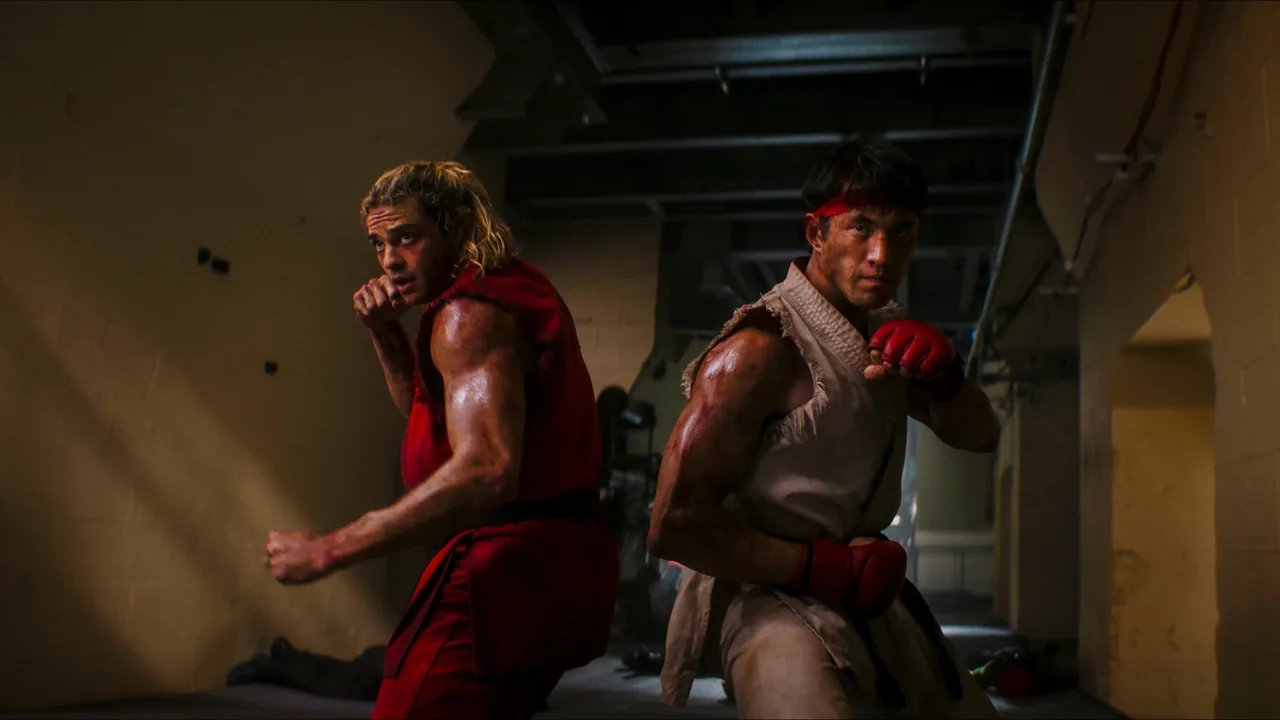
Every few years someone tries to film Street Fighter straight, and every time the joke ends up on them. Street Fighter arrives in theaters, IMAX included, on Friday, October 16, and the most encouraging thing about it is that nobody involved seems to be pretending otherwise.
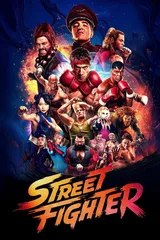
Look at the paperwork. Paramount is billing it as an action comedy. The director is Kitao Sakurai, whose last feature was Bad Trip, a hidden-camera road comedy that staged its pranks on unsuspecting strangers. Andrew Koji plays Ryu, Noah Centineo plays Ken, and Callina Liang is Chun-Li, who recruits the two estranged fighters for the next World Warrior Tournament and a run at David Dastmalchian's M. Bison. Jason Momoa is Blanka. Roman Reigns is Akuma, 50 Cent is Balrog, Cody Rhodes is Guile and Eric André is Don Sauvage. Fighting game streamers and former pros turn up as Bison's inmates. Titmouse animated the flashbacks in a 90s anime style.
That is a cast list written by people who have played the game at a sleepover. It also tells you how they read the history.
The curse, and what it actually was
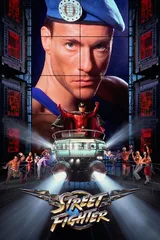
The two earlier live-action films are where the series' reputation went to die. The 1994 Street Fighter put Jean-Claude Van Damme in Guile's fatigues and holds 20% on Rotten Tomatoes. 2009's Street Fighter: The Legend of Chun-Li went the other way and played it straight.
A score like 20% flattens a real difference. The 1994 film is loud, silly and wrong about nearly everything, and it has since become a cult classic. People still put it on. Hardly anyone puts on The Legend of Chun-Li, which took the series seriously and came out joyless. If there is a curse, that is its shape: earnestness kills these films, and excess merely embarrasses them.


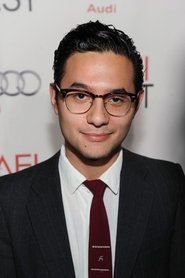
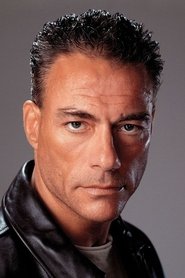
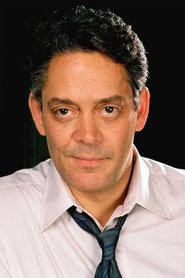
The Raul Julia defence holds up
Fans who defend the 1994 film usually end up defending one man. Raul Julia played M. Bison as a dictator in a theatre of his own making, and he played it at full volume. It was his last theatrical performance. He was ill with cancer during filming, the production reshuffled its shooting order around him, and he died of a stroke about two months before release. He said he took the part because his children were huge fans of the games.
Even the Washington Post's Richard Harrington, who had little use for the film, allowed that Julia was too skilled for the role and too professional to give it less than his best. That is the defence in a sentence. Julia understood the assignment better than the film around him did: Street Fighter characters are archetypes in costume, and they come alive when someone commits without winking.
So our side is clear. Camp is the point, as long as it is committed camp. The new film's anime flashbacks, its comedy director and its wrestlers in costume all suggest a crew chasing what Julia did on purpose. Whether the fights land is a question for the reviews, which were not out when we went to press. The aim is right.
Your catch-up before October 16
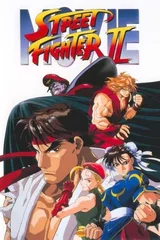
Watch Street Fighter II: The Animated Movie first. Gisaburo Sugii's 1994 anime had its fights choreographed by K-1 founder Kazuyoshi Ishii and fighter Andy Hug, and Chun-Li's apartment brawl with Vega is still the best Street Fighter fight on film. The new film's flashbacks are pitched in that same 90s anime style. Then, if you want the camp, add the 1994 live-action film for Julia alone. Skip The Legend of Chun-Li.
Play Street Fighter II: The World Warrior. The film borrows its tournament's name, and its core fighters come from that original roster, so an evening with it is the fastest way to know who everyone is before the lights go down. Save Street Fighter 6 for afterwards, when the movie has you wanting to learn how Ryu's fireball actually works.