

The Case for Feeling Good
There is a lazy assumption, still lodged in film-school culture, that comfort is the enemy of art. That a movie which makes you smile rather than squirm is somehow getting away with something. This guide exists to push back on that. The works collected here are not soft. Many of them deal in loss, in failure, in the grinding difficulty of being a person. What they share is a quality of generosity: a willingness to believe, at the end, that things can work out. That people are mostly trying. That the world, despite everything, has warmth in it.
We have tried to build a canon rather than a mood board. That means including the films everyone already loves alongside the ones that deserve a bigger audience. It means TV that rewards long watching, games that feel like a hug from the inside, and books you finish and immediately want to press into someone else's hands. Across all of them, the same handful of qualities keep appearing: specificity of place, characters whose flaws are treated with affection rather than contempt, and endings that earn their uplift.
This is not a list of films in which nothing bad happens. It is a list of works that know what to do with the bad thing.
The undisputed canon
The films and shows everyone comes back to. Each one has been tested by repetition and survived.
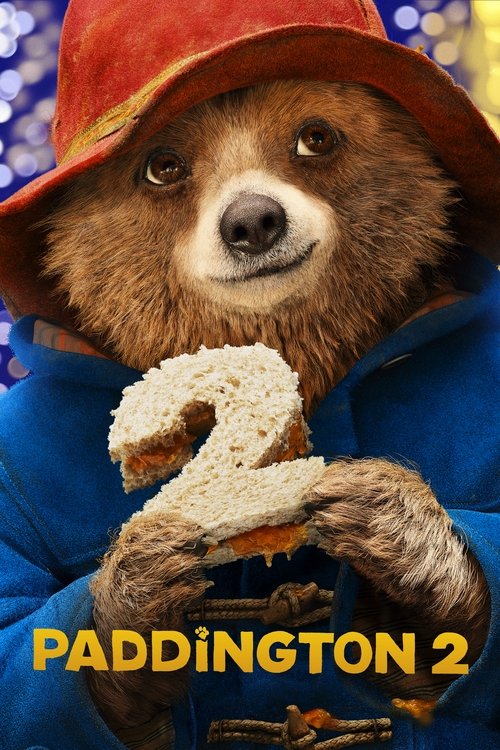

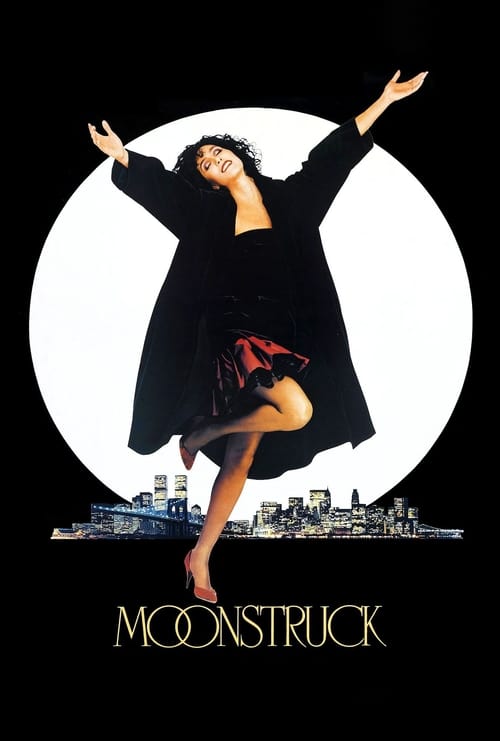

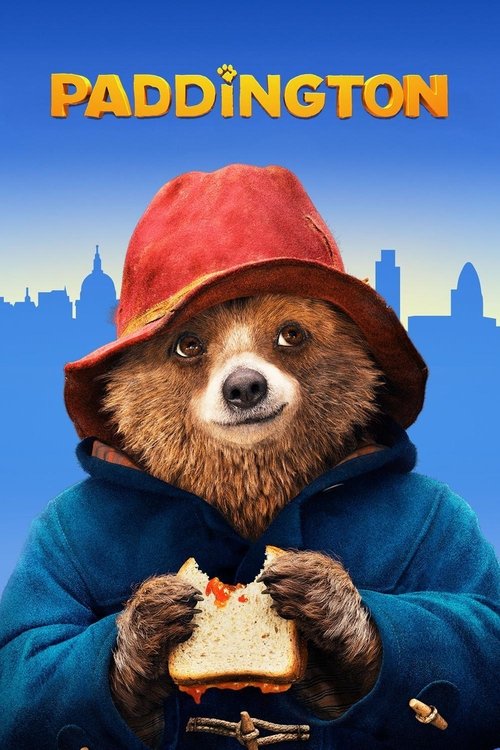
Paddington 2 is the best film of the 2010s and we should say so plainly
The argument against Paddington 2 is that it is a children's film. The argument for it is that it is more morally serious than almost anything released alongside it. Paul King builds his film around a specific and unfashionable thesis: that goodness is not naive, that it takes work and courage, and that it transforms the people who encounter it. Hugh Grant's villain is the funniest performance of the decade. The prison sequence is better choreographed than most musicals. If you have watched this film and not cried during the marmalade sandwich scene, something has gone wrong.
The quietly brilliant ones
Less famous than they deserve. Each one has a small, devoted following that is completely correct.



Bill Forsyth made the best feel-good film ever made and nobody talks about him anymore
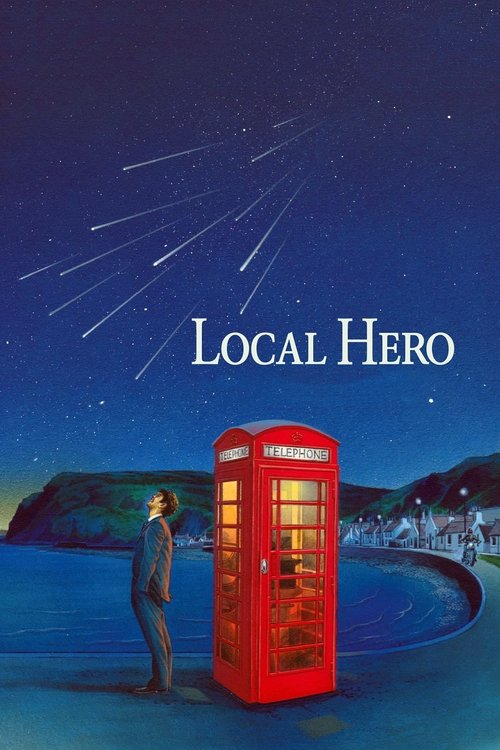
Local Hero (1983) is the template that every quirky-outsider-finds-himself-in-a-small-community film has been trying to reproduce ever since, mostly without success. What Forsyth understood, and what his imitators miss, is that the comedy and the melancholy have to be inseparable: the film is funny because the situation is sad, and moving because it is absurd. The ending, with its single phone box on a Scottish beach, is one of cinema's great unresolved conclusions. It does not reassure you. It makes you feel the weight of choices. That is a harder thing to achieve than a hug.
Television that rewards commitment
Series where the feeling-good is cumulative. You earn it over episodes.



A short history of the feel-good film
- 1946Frank Capra sets the template It's a Wonderful Life
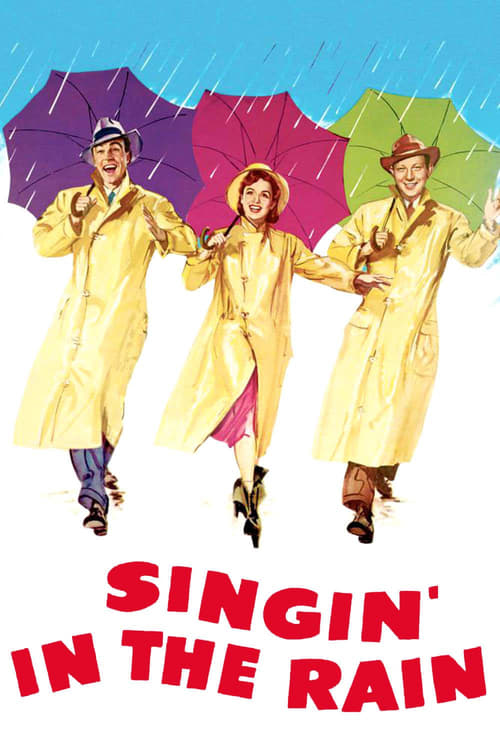
- 1952Musical joy hits its peak Singin' in the Rain
- 1983British understatement finds its form Local Hero
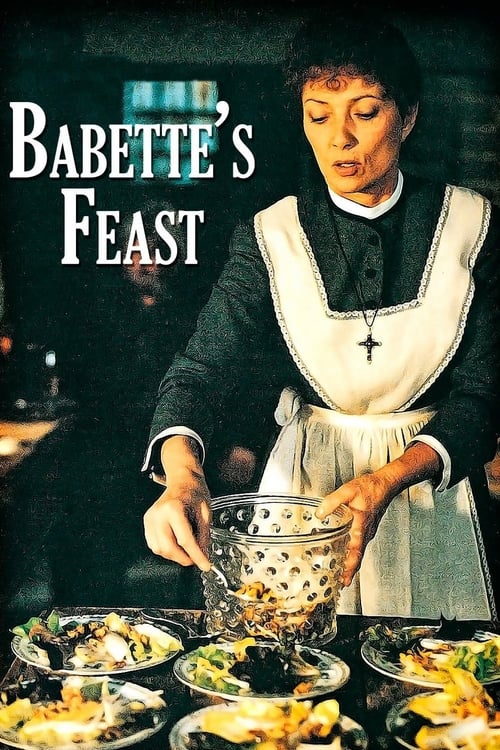
- 1987Food as grace Babette's Feast
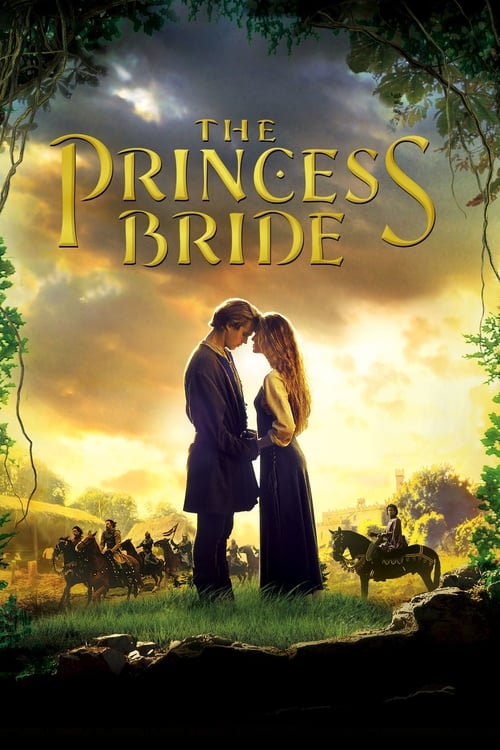
- 1987Adventure and honour, lightly worn The Princess Bride
- 1994American warmth at its most earnest Forrest Gump
- 1997Working class, with dignity The Full Monty
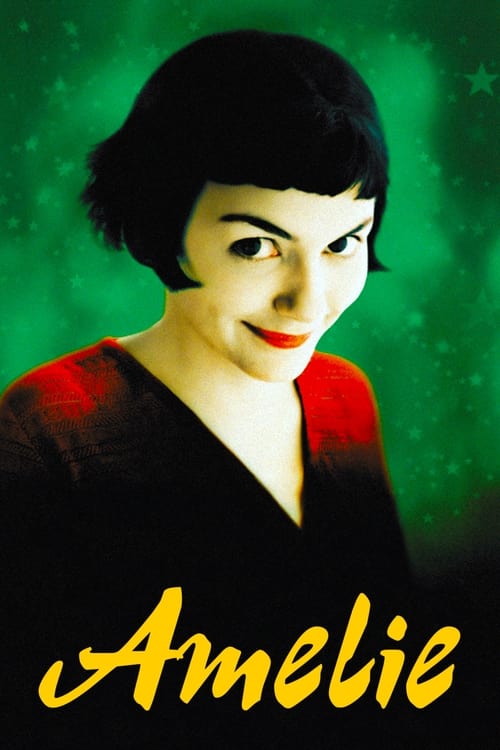
- 2001European whimsy becomes a genre Amélie
- 2003The ensemble British rom-com peaks Love Actually
- 2009Pixar earns its tears Up
- 2014Wes Anderson's warmest film The Grand Budapest Hotel
- 2017The bear arrives Paddington 2
- 2020TV learns to be kind Schitt's Creek
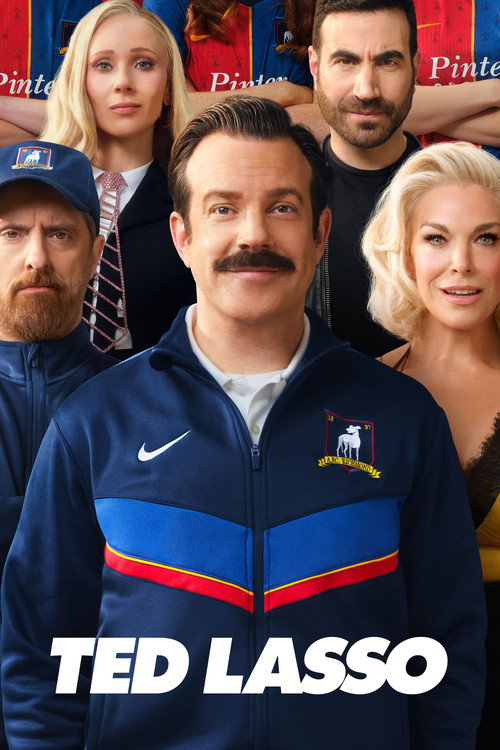
- 2021Optimism as a radical act Ted Lasso
Games that feel like good company
Not casual in the dismissive sense. These are games with real craft that happen to leave you feeling fine.

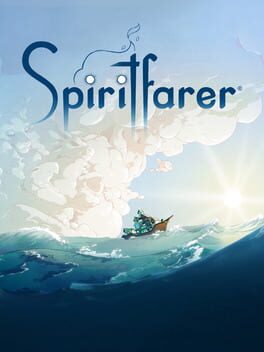





Spiritfarer should not make you feel good -- and yet
Spiritfarer is a game about death. Specifically about grief: about the people you are responsible for, the goodbyes you cannot defer, the way a person leaves slowly before they leave finally. By any reasonable classification it should not appear on a feel-good list. It appears here because the experience of playing it is one of the warmest in the medium. Thunder Lotus built something that treats loss as something to be held, not solved. The farming, cooking, and building mechanics are not distractions from the emotional weight; they are the way the game teaches you to sit with it. You finish it feeling like you have done something real.
The best feel-good works are not optimistic about the world. They are optimistic about people. That is a much harder and more defensible position.CrossBinge editorial
Books you finish and immediately want to give to someone
Novels and memoirs in the same spirit: warm, specific, earned.


The book that most misled readers about what it actually is
Eleanor Oliphant Is Completely Fine has the most misleading title in contemporary fiction. Eleanor is not fine. The novel is, for long stretches, a portrayal of severe isolation and trauma that is genuinely difficult to read. It belongs on this list not because it flinches from any of that, but because Gail Honeyman refuses to treat Eleanor's strangeness as a punchline or her recovery as simple. The warmth the book earns is proportional to how honestly it looked at the cold first. That is the contract the best feel-good work offers: it does not skip to the good part. It takes you through.
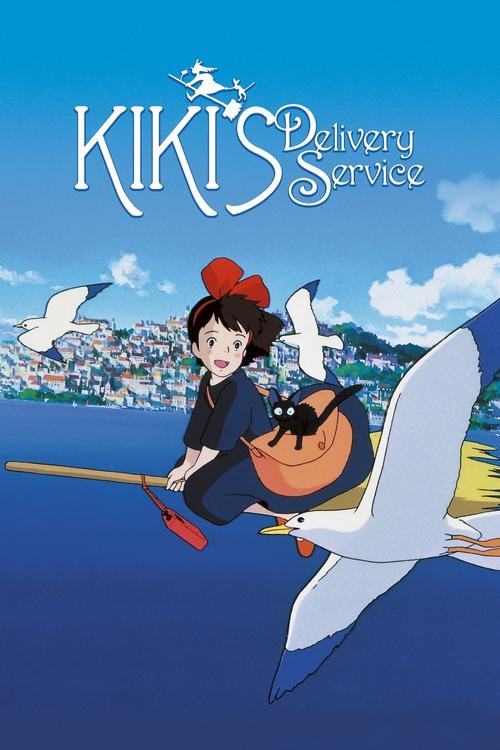
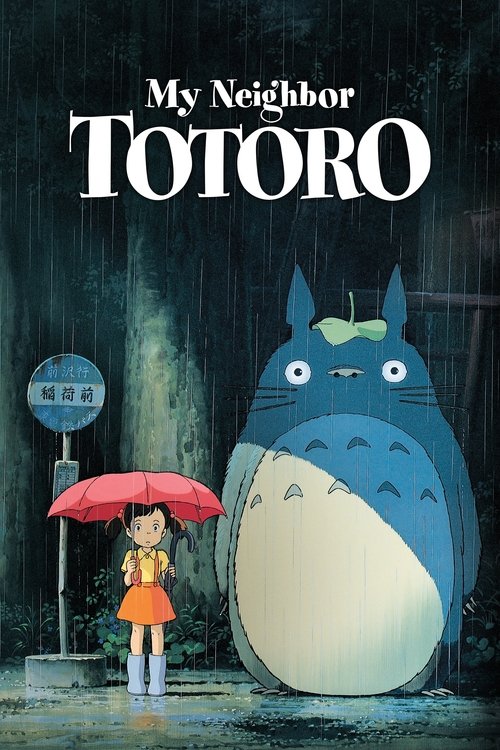
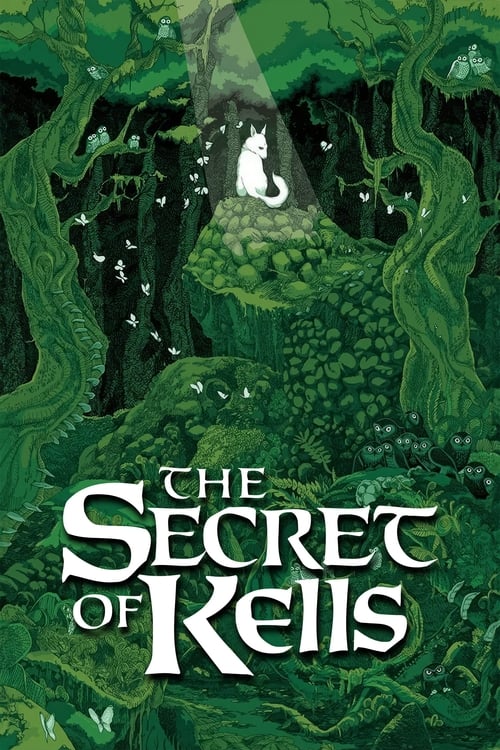
Animated films: the form at its most direct
Animation is the medium that gets to feel-good the most honestly, without the camera's weight.



A note on Detectorists
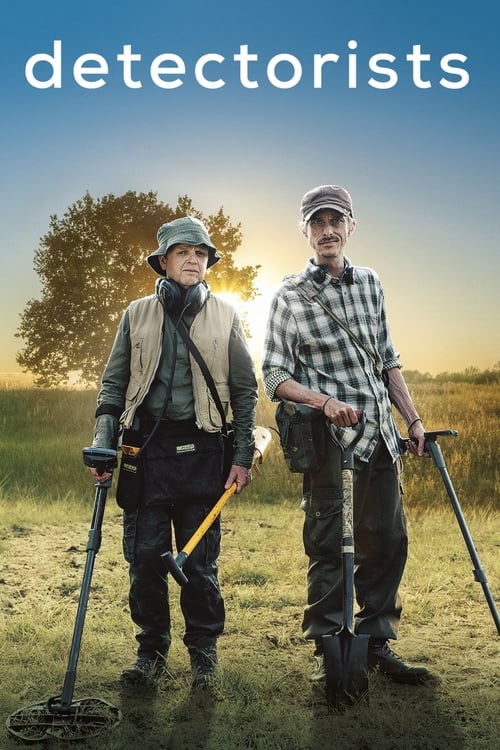
If you have not watched Detectorists, nothing else in this guide should take priority. Mackenzie Crook's three-series BBC comedy about two men walking slowly across fields in Essex, looking for old things in the ground, is the quietest and most precise expression of what feel-good actually means. Nothing much happens. The characters talk around what they mean. The fields are very flat. By the end of the third series, which you should watch in one sitting if you can, the cumulative effect is almost unbearable.
The show is also, without making a fuss about it, a meditation on friendship between men, on the relationship between landscape and identity, and on what it means to look for something and not find it. It is formally perfect: each episode is twenty-nine minutes, the music by Johnny Flynn fits as if it were written into the script rather than added afterward, and the comedy never announces itself. It just sits there until you laugh.
If you have already watched it: you know. If you have not: do not read anything else about it first.