
The Scale of Things
Some stories are content to fit inside a room. Others insist on the whole world, the whole century, the whole arc of a civilization rising and falling. The works in this guide belong to the second category: the ones that take the long view, that populate entire continents with characters you come to love or fear, that let time pass in a way that actually means something. Epic is not a synonym for long. It means consequential. It means the story earns its scope. Every work here earns it.
The undeniable pillars
Works so foundational that every subsequent epic exists in conversation with them
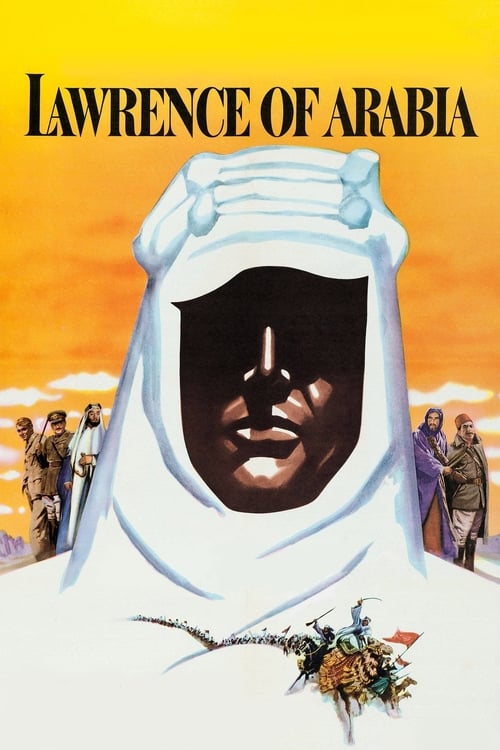


Lawrence of Arabia is still the ceiling
Every few years a new contender arrives and people announce the throne has changed hands. It has not. David Lean's 1962 film remains the benchmark against which all visual epics are measured, not because it is the oldest or the longest or the most decorated, but because the interior life of its subject is as vast as its exterior landscape. Peter O'Toole plays a man whose contradictions could swallow the desert whole. No subsequent production, however expensive, has matched that. The film is unanswerable.
The modern inheritors
Films that picked up the mantle and proved the form was still alive
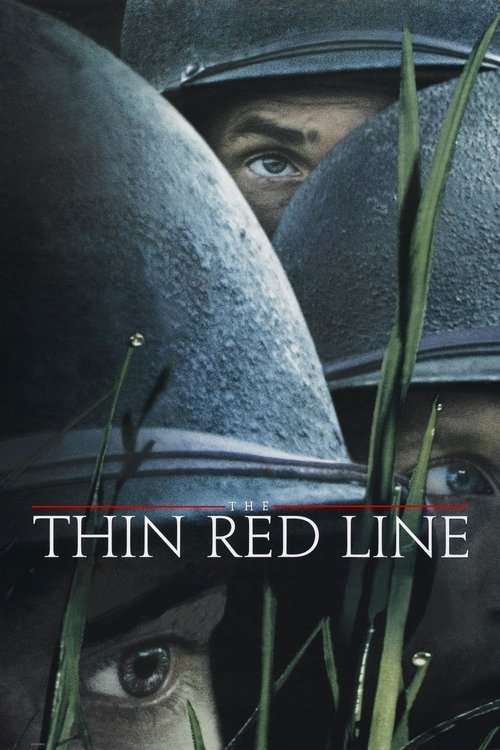
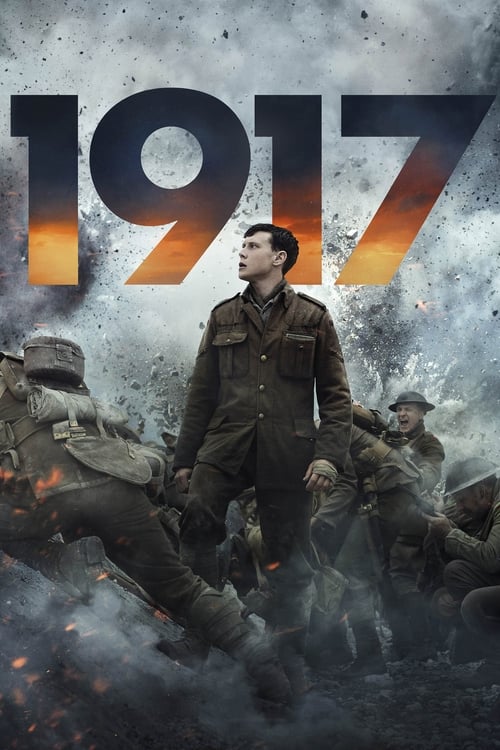
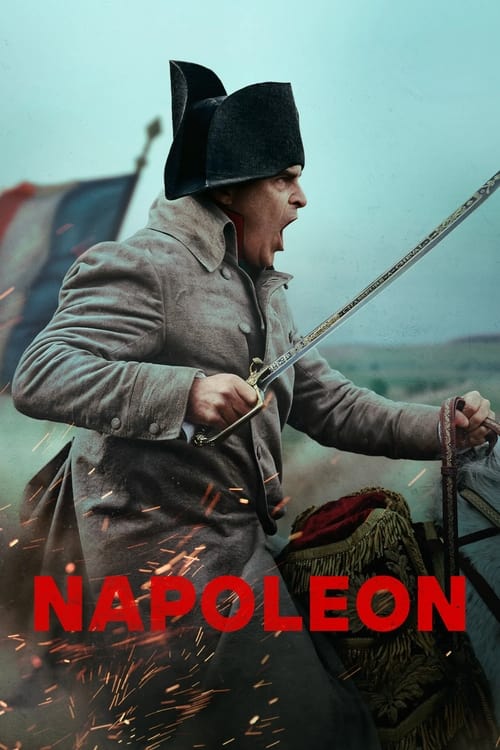
The Thin Red Line is the most underrated war epic ever made
It lost the Best Picture race to Shakespeare in Love, which may be the single most baffling upset in Oscar history. Terrence Malick's The Thin Red Line is not a war film in any conventional sense: it is a meditation on violence and nature and the strange beauty that coexists with both. The film is regularly dismissed as slow or indulgent by people who want combat. Those people should watch something else. This one is for everyone who understands that the most epic thing a story can do is sit inside a single moment and make it feel infinite.
Television that thinks in seasons, not episodes
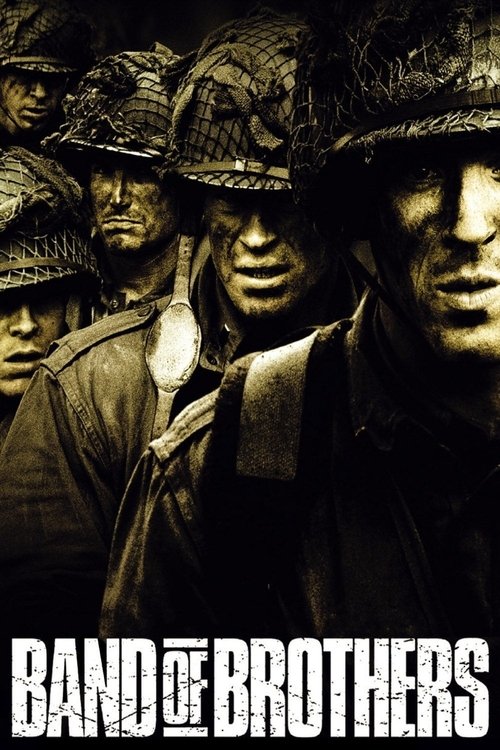
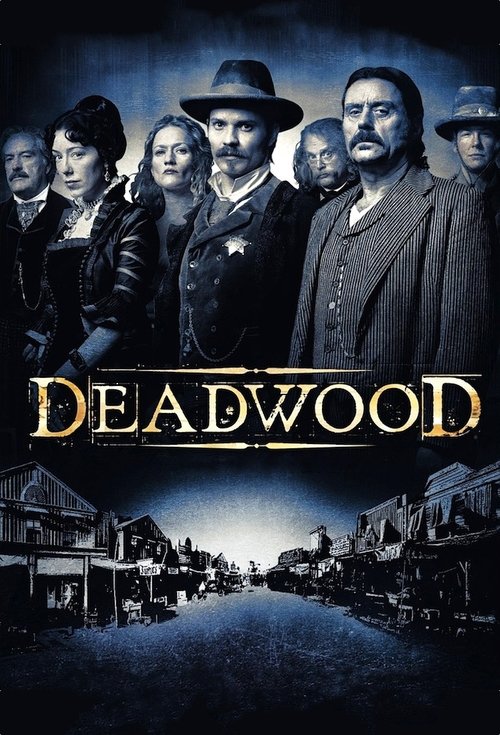
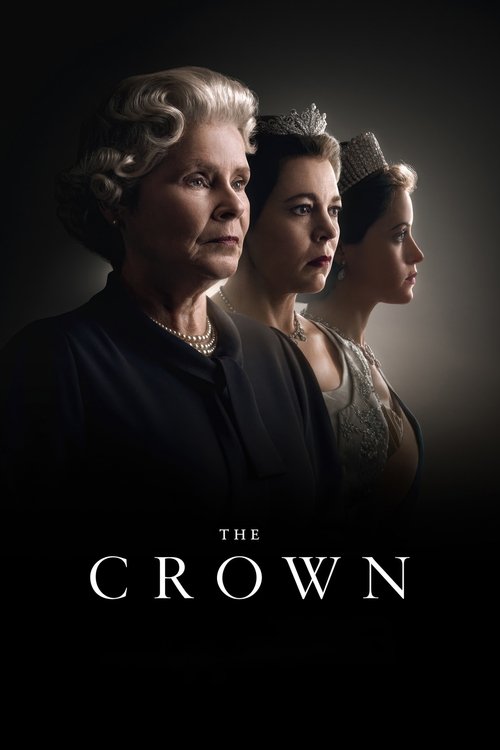
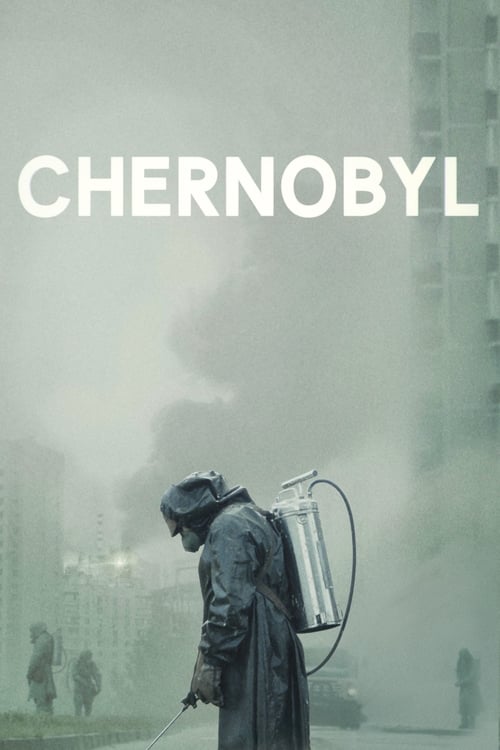
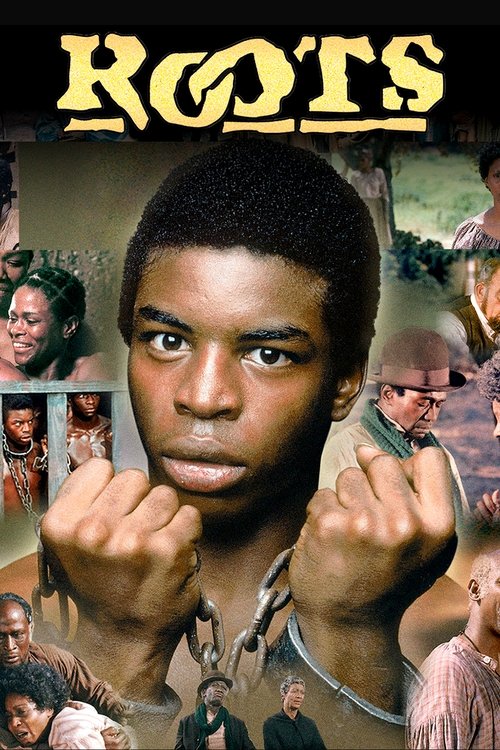
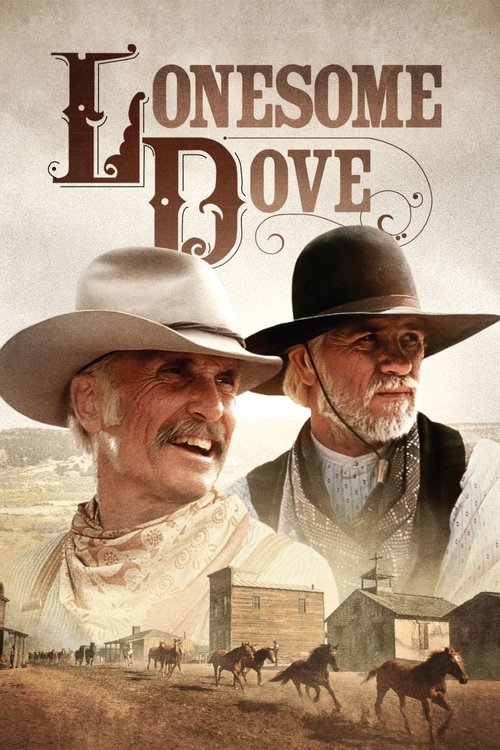
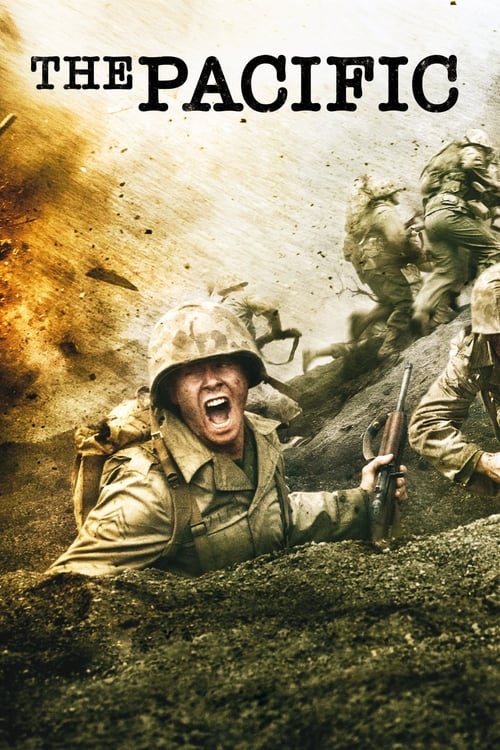
The long game: TV series that built entire worlds over years
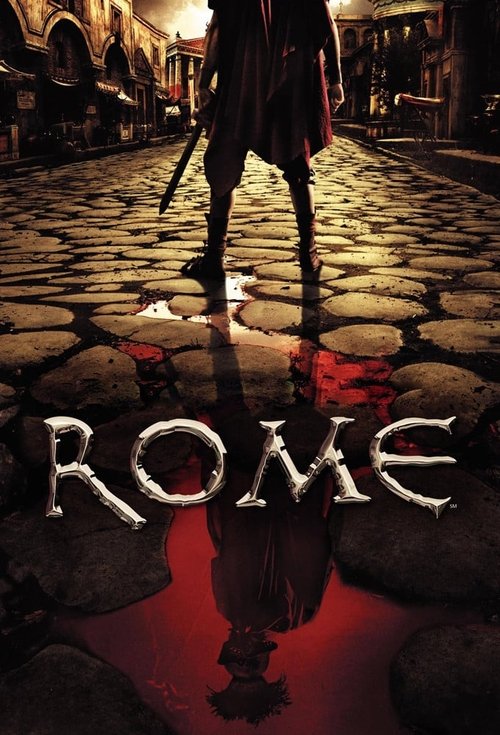
How the epic found its form
- 1915The Birth of a Nation establishes the feature-length spectacle, and the feature-length atrocity, in a single stroke The Birth of a Nation
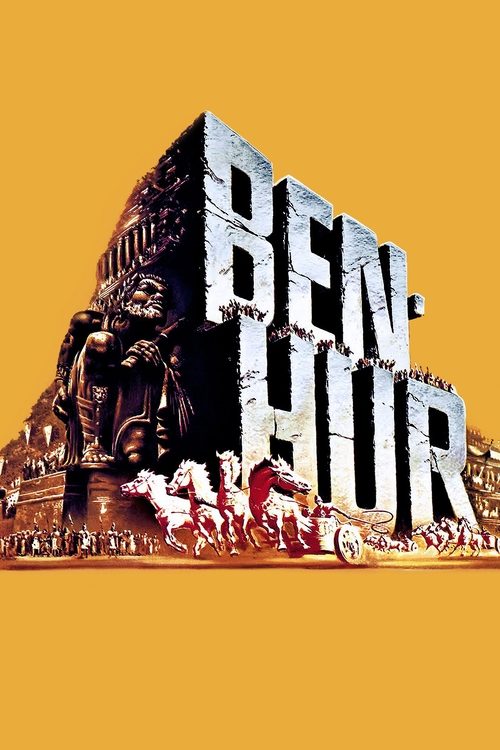
- 1959Ben-Hur's chariot race sets the bar for practical action at scale and wins eleven Oscars Ben-Hur
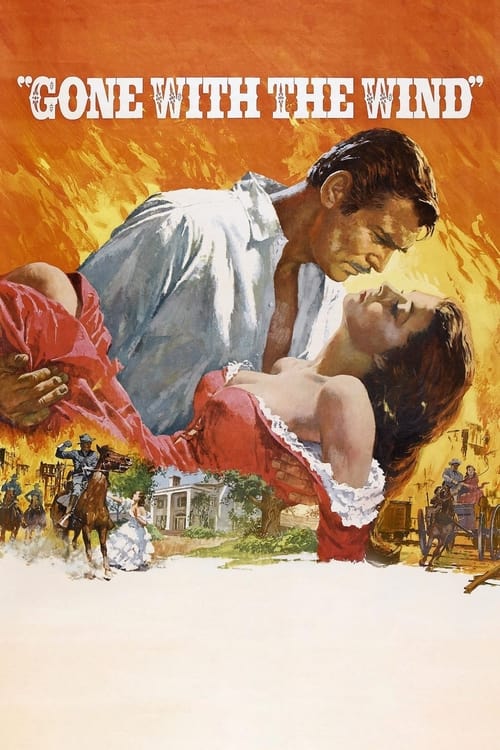
- 1939Gone with the Wind and The Wizard of Oz both arrive in the same year; Hollywood never looks small again Gone with the Wind
- 1954Kurosawa's Seven Samurai defines the ensemble epic and its moral architecture Seven Samurai
- 1962Lawrence of Arabia sets a ceiling that holds for decades Lawrence of Arabia
- 1977Star Wars rewrites the popular epic as myth, moving the form into space and into childhood Star Wars
- 1990Ken Burns's The Civil War proves television can carry epic documentary weight across eleven hours The Civil War
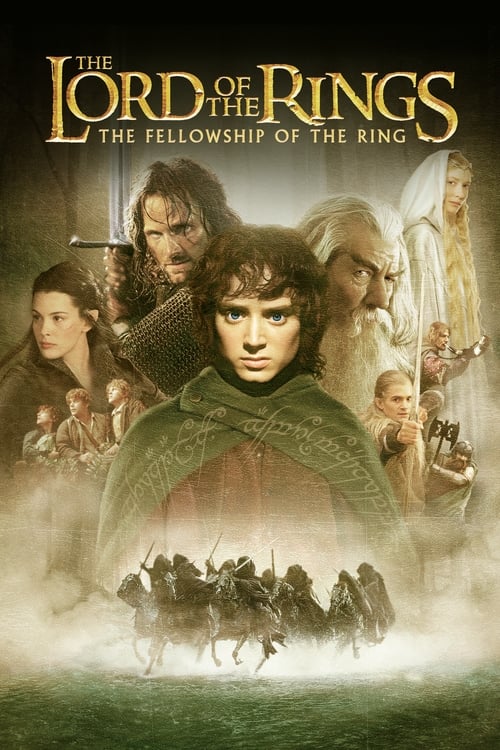
- 2001The Lord of the Rings begins; CGI and practical scale finally converge The Lord of the Rings: The Fellowship of the Ring
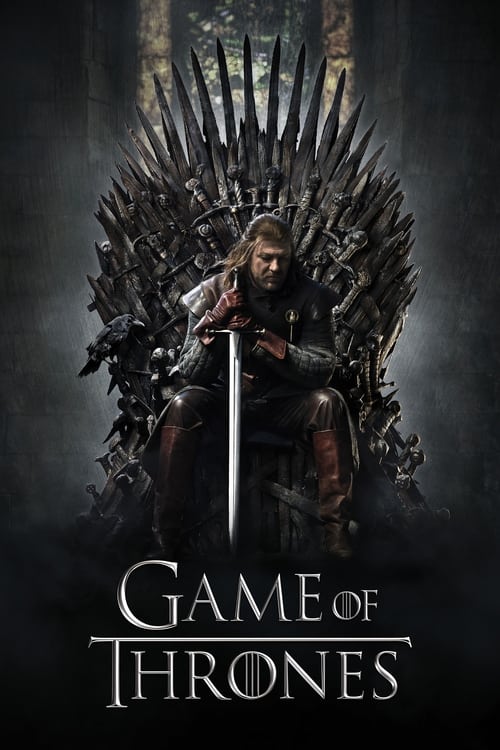
- 2011Game of Thrones launches and the prestige TV epic becomes the dominant cultural form Game of Thrones
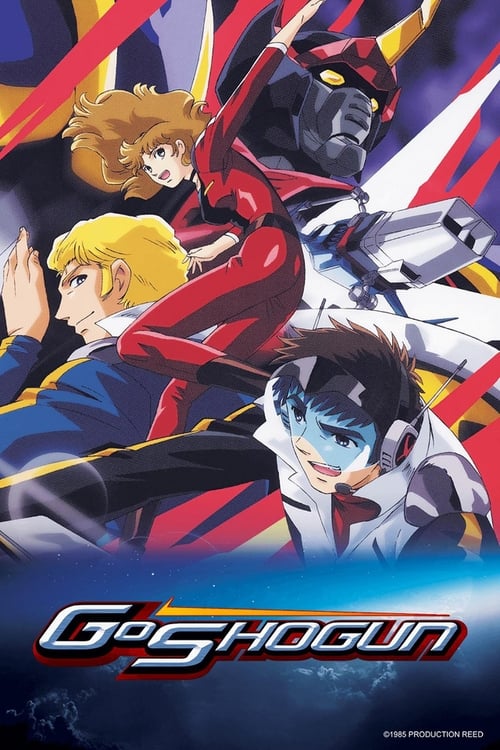
- 2024Shogun's remake proves the form can be done with patience and cultural specificity GoShogun
On the page: novels that contain multitudes
Books where the ambition of the writing matches the scale of the world


Middlemarch is the most epic novel nobody calls an epic
George Eliot's 1871 novel has no armies, no throne wars, no chosen ones. What it has is a provincial English town observed with such moral precision and such sympathy for human limitation that the reader comes away feeling they have seen an entire civilization from the inside. Epics do not require bloodshed. They require the writer to take seriously the full weight of how people live. On that measure, Middlemarch is as sweeping as anything Tolstoy ever produced, and far more forgiving of its characters' failures.
Games that build civilizations
Interactive epics where the scope is architectural, political, personal
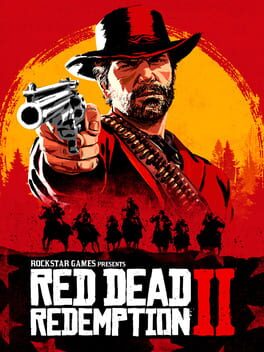

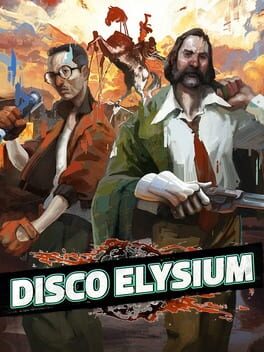
The best epics are not long. They are deep. The length is a side effect of the depth.CrossBinge editors
Disco Elysium is the most formally ambitious epic of the 2010s
It is easy to miss how epic Disco Elysium actually is. The scale is internal: a detective reconstructing a self and a politics and a whole history of failed ideologies from a single hangover. ZA/UM built an entire world with its own contested past, its own geography of ruin, its own philosophy of failure. The scope rivals the great political novels of the twentieth century. That it was delivered via a roleplaying game is not a gimmick: the medium is perfectly matched to the material. You do not observe the collapse of idealism here. You perform it.
Overlooked and underseen
Sweeping works that never got the audience they deserved

Why Scale Still Matters
There is always a critical cycle that declares the intimate story superior to the grand one: smaller is more truthful, less is more honest. This is partly right. A bloated epic is a thing of genuine suffering to sit through. But a real one, calibrated and earned, does something no chamber piece can do: it makes the individual life feel both tiny and necessary at the same time. Arthur watching kingdoms fall. Dorothea Brooke trying to do good in a world indifferent to goodness. Arthur Morgan riding toward an ending he can see coming. These works remind you that the story you are living is also enormous, even when it feels otherwise.