
Love is the genre that refuses to be embarrassed
Somewhere along the way, romantic became a word critics learned to say apologetically, as though caring whether two people end up together is a lesser form of attention than caring whether a city gets blown up. Ignore that. The romantic film and series tradition runs from Capra and Lean through Ephron and Linklater, and it includes some of the most technically precise, emotionally intelligent, and just plain good storytelling the screen has ever produced. This guide does not pretend otherwise.
What follows is our map through the canon: the films everyone has seen (and deserves to see again), the series that stretched the form across eight episodes or eighty, the books that built the grammar of romantic fiction, and yes, the games that proved a love story can live inside a controller. We have opinions. We hold them without apology.
The films everyone comes back to
The ones that actually earned their reputation

The trilogy that made talking into cinema
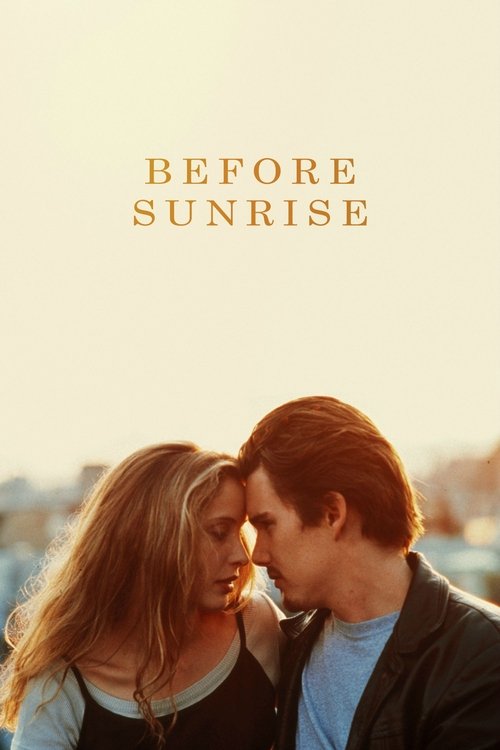
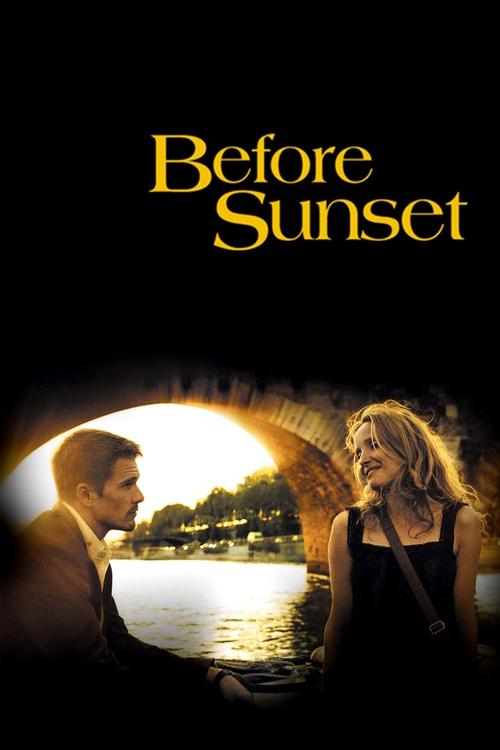
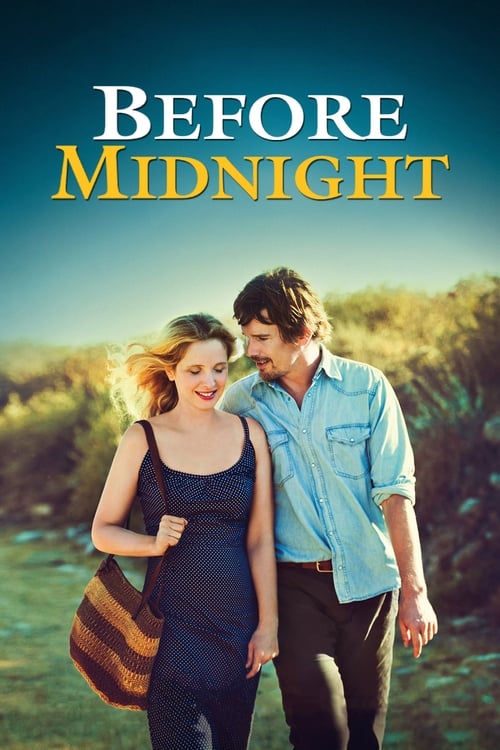
The Before trilogy (1995, 2004, 2013) is the most honest depiction of romantic life ever put on screen, and it is not particularly close. Richard Linklater, Ethan Hawke, and Julie Delpy built three films out of almost nothing except two people speaking to each other, and the result accumulates into something that feels less like fiction than memory. Before Midnight in particular, where the argument goes on longer than you think it should, is the one that makes the whole thing true. Most romance films are about falling in love. This series is about what you do after.
Television's long game
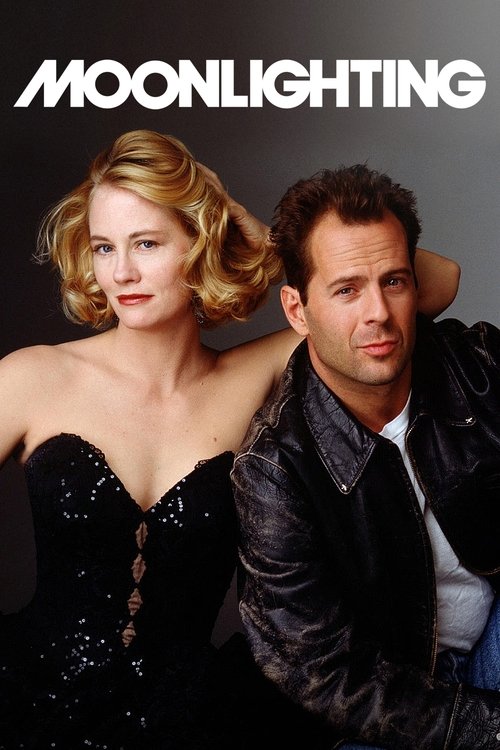
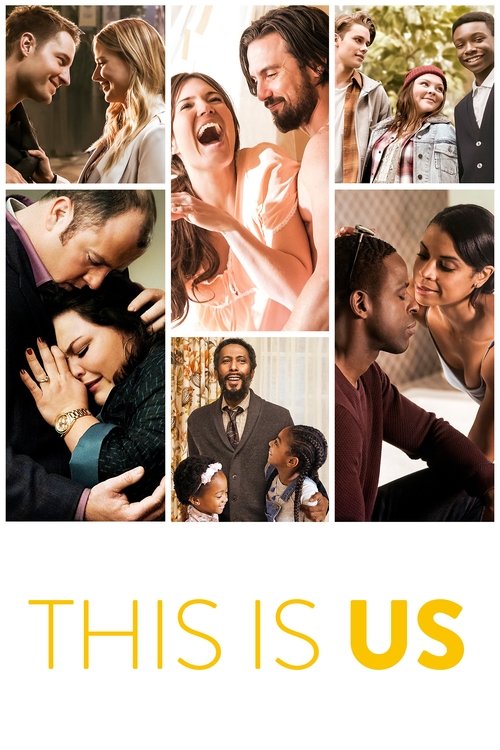
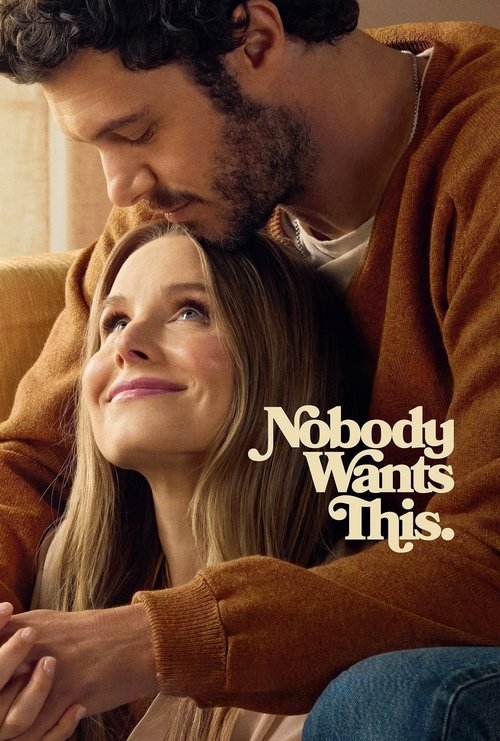
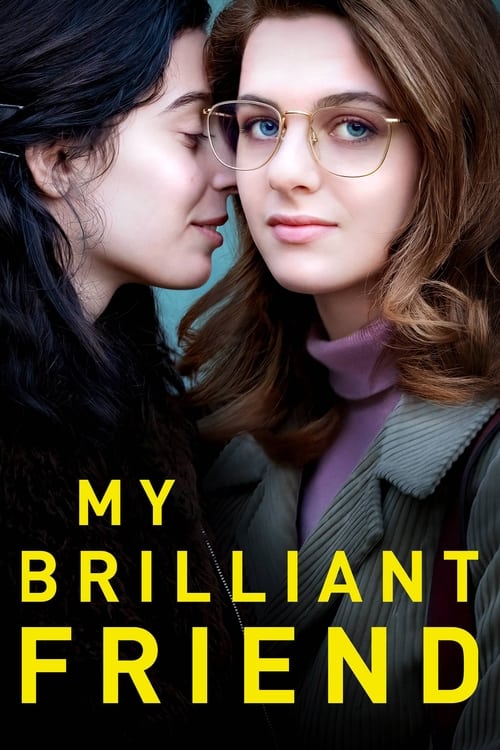
The series that stretched romantic tension across seasons without losing it
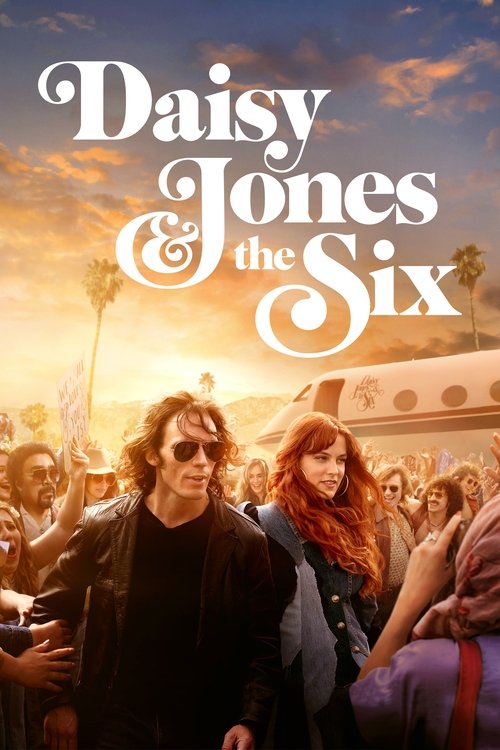
Fleabag is not a romantic series and that is why it works
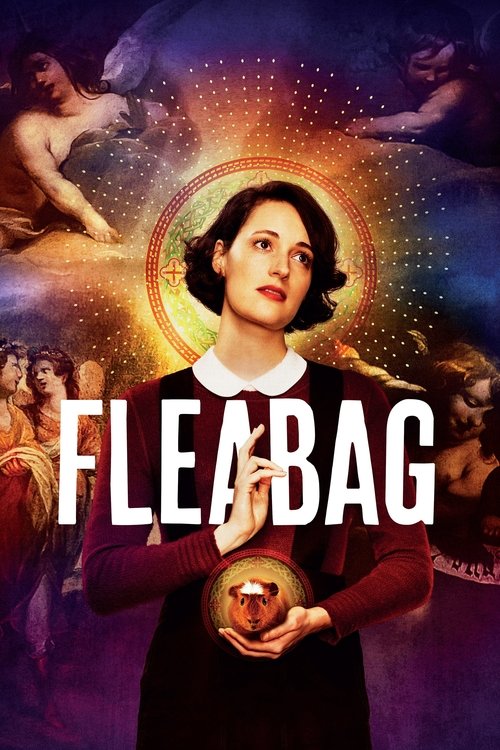
Phoebe Waller-Bridge did not set out to make a love story, and that is precisely why Fleabag is the best romantic thing on television this century. The relationship at the centre of series two works because it is built around an impossibility rather than an obstacle: the Priest cannot leave the Church, and Fleabag cannot stop breaking the fourth wall to protect herself from feeling things. The finale is devastating not because the couple separates, but because the series earns that separation with more rigour than most romances earn their happy endings. Romantic fiction should be allowed to end like this more often.
The books that built the form
From Austen to contemporary literary romance


How the romantic film grew up
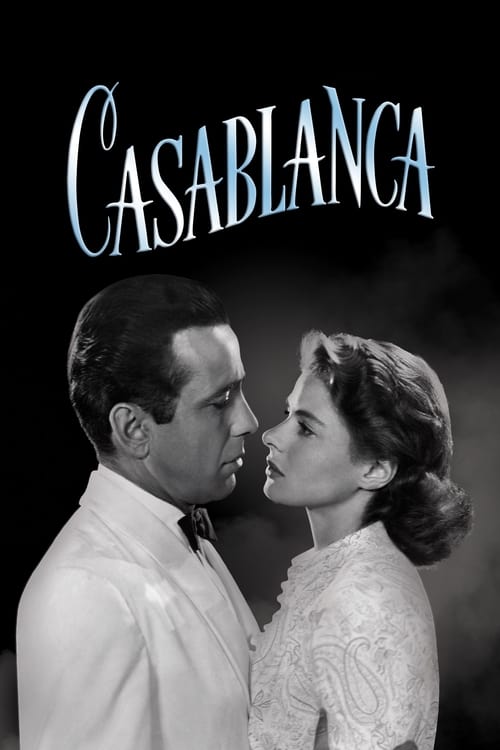
- 1942Wartime sacrifice codified Casablanca
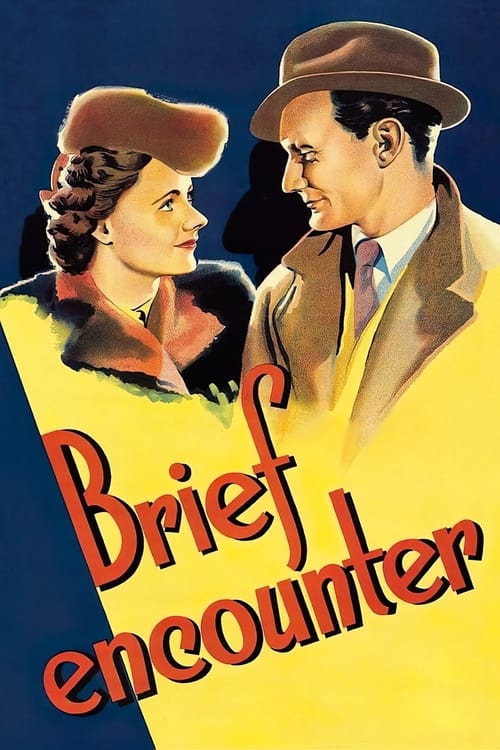
- 1945Restraint as desire Brief Encounter
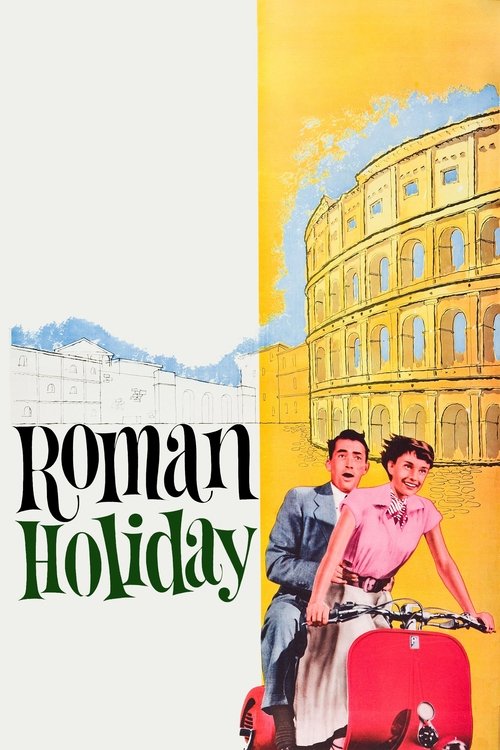
- 1953Postwar escape fantasy Roman Holiday
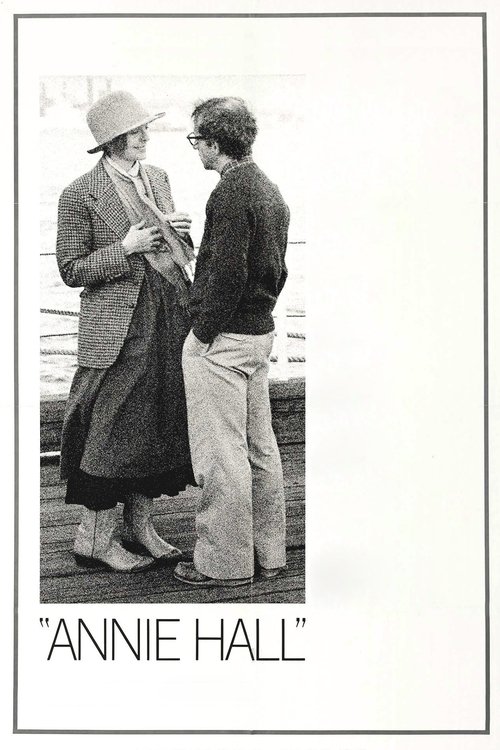
- 1977Neurotic love enters the frame Annie Hall
- 1984Romantic adventure finds its footing Romancing the Stone
- 1989The friendship premise perfected When Harry Met Sally...
- 1995Real time, real talk Before Sunrise
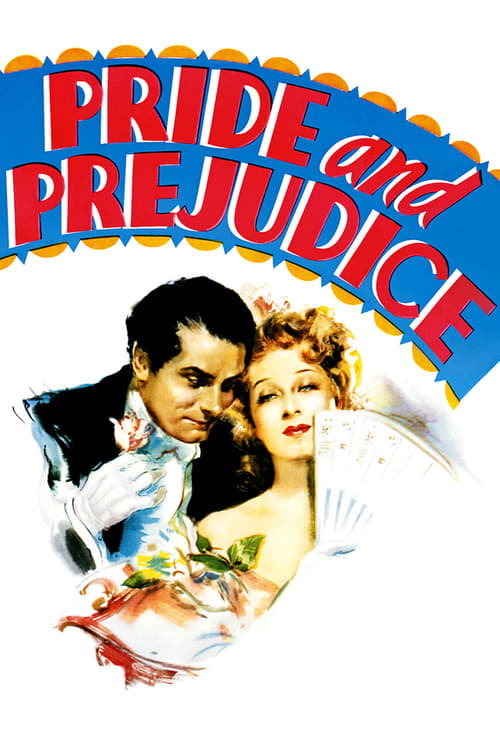
- 1995Costume drama gets an audience back Pride and Prejudice
- 2002The ensemble comedy peaks About a Boy
- 2004Sequel proves the talk holds up Before Sunset
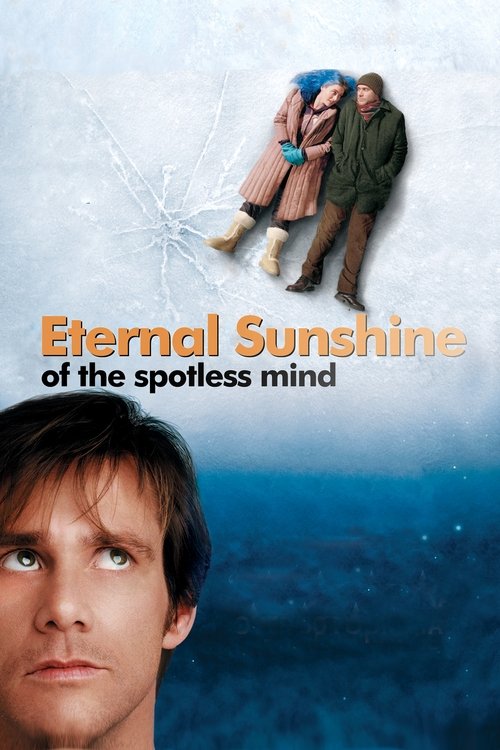
- 2004Memory and erasure Eternal Sunshine of the Spotless Mind
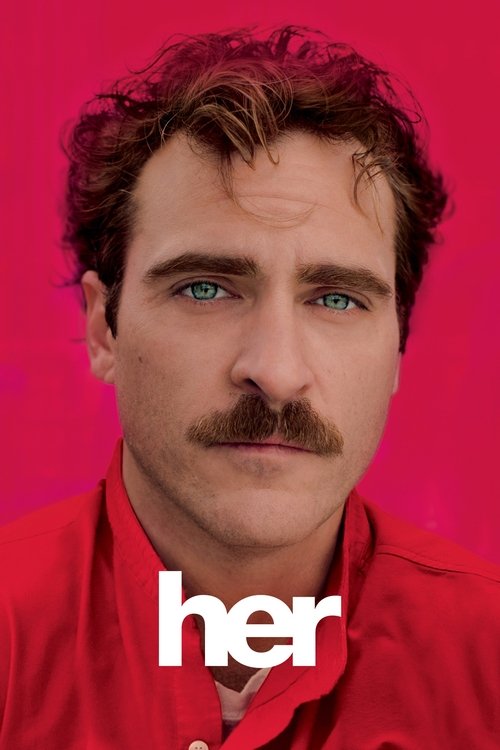
- 2013Love for an operating system Her
- 2016Queer rom-com arrives properly Moonlight
- 2019TV finds its voice for the form Fleabag
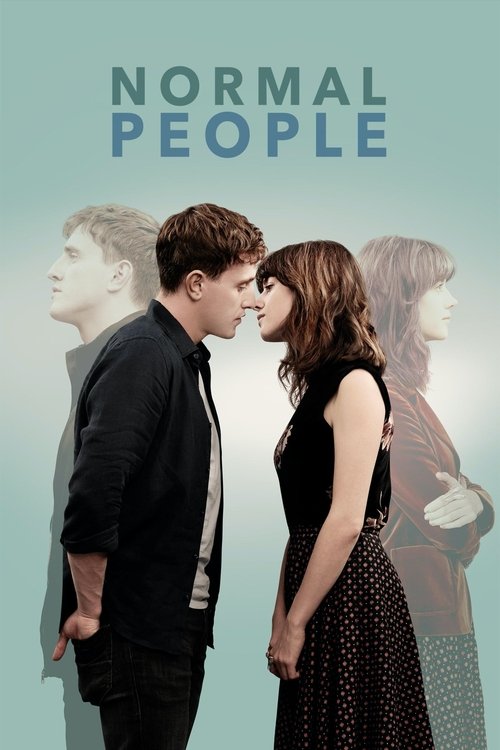
- 2020Literary fiction on screen, finally Normal People
The case for the video game love story
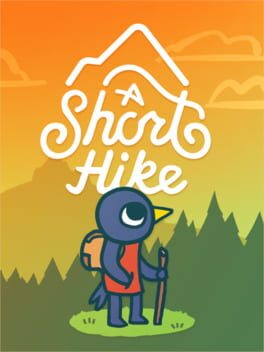
People who have not played A Short Hike or Stardew Valley tend to assume that games cannot hold romantic feeling. They are wrong, and the evidence is specifically Disco Elysium, where the lost love of a burned-out detective turns out to be the moral engine of the entire narrative. Games give romantic storytelling something books and films cannot: time and agency. When you choose how your character responds to someone, the emotional stakes are yours in a way that watching or reading cannot replicate. The romance in Night in the Woods lands harder than most films because you spent eight hours in Mae's skin before you understood what she was losing.
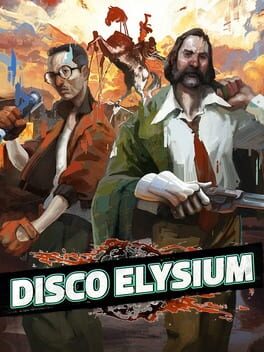
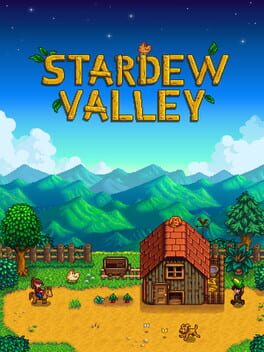
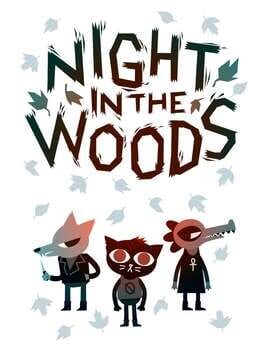
Games where love is load-bearing
Not decoration, not a side quest: the relationship is the point

The underrated and the overlooked
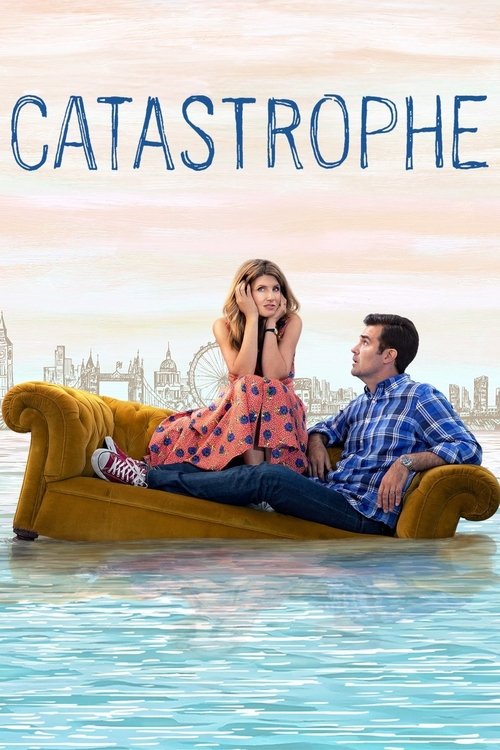
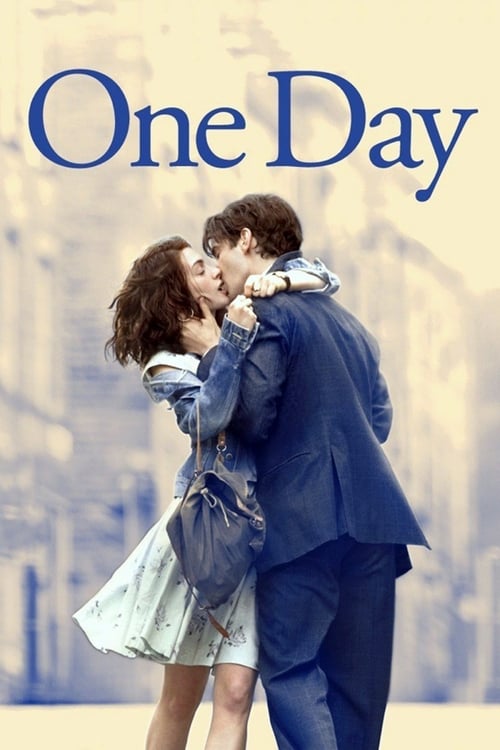
The canon is well-trodden. Here is where we earn our keep as editors: Broadcast News (1987) is a better film about romantic desire than almost anything on the standard lists, because James L. Brooks understood that wanting someone and respecting yourself are not always compatible choices. One Day (the Nicholls novel, and the 2024 Netflix series) is the best argument that a love story does not need to be consummated to be devastating. Catastrophe, the Sharon Horgan and Rob Delaney series, is the most accurate portrait of long-term partnership that television has produced: funny, occasionally brutal, entirely without nostalgia.
If you have read Attachments by Rainbow Rowell and think of her primarily as a YA author, go back. That novel about a man who reads a woman's emails and falls in love before they meet is both a period piece about the early internet and a structural masterclass. And The Remains of the Day remains the most quietly gutting romantic novel in the English language, a book entirely about what two people do not say to each other across thirty years.
The films that deserve more credit
Smart, specific, and consistently overlooked in best-of lists


The best romantic stories are not about finding the right person. They are about becoming someone who can be found.CrossBinge editorial
How to use this guide
Start anywhere. The timeline gives you the history if you want it, but this is not a curriculum. If you have seen everything in the classics carousel, the underrated column is where the conversation gets interesting. If you are a reader who distrusts adaptations, Normal People (both the Rooney novel and the Hulu series) is the case for the defence: Sally Rooney and director Lenny Abrahamson made something where neither version replaces the other.
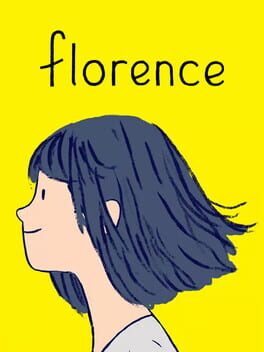
The game section is for everyone, including people who do not play games. Florence, by Mountains, takes about forty-five minutes and tells a complete love story through mechanics alone. No reading required. Consider it a doorway.