

Love is the oldest genre.
Before thrillers had formulas and science fiction had conventions, stories were already asking the same four questions: will they meet, will they understand each other, will they stay, and what happens when they don't. The Valentine's canon is not a narrow pink corridor of chocolates and meet-cutes. It runs from screwball comedies made under the Production Code to Korean melodramas that will hollow you out, from Jane Eyre to Stardew Valley, from Ella Fitzgerald singing Cole Porter to a PS1 RPG that made you cry about a girl who could not remember yesterday. This guide is built around works that earned their place: the obvious ones, honestly assessed, and the quieter ones that belong in the same conversation.
The films everyone knows and actually deserves to
The romantic canon, held to account
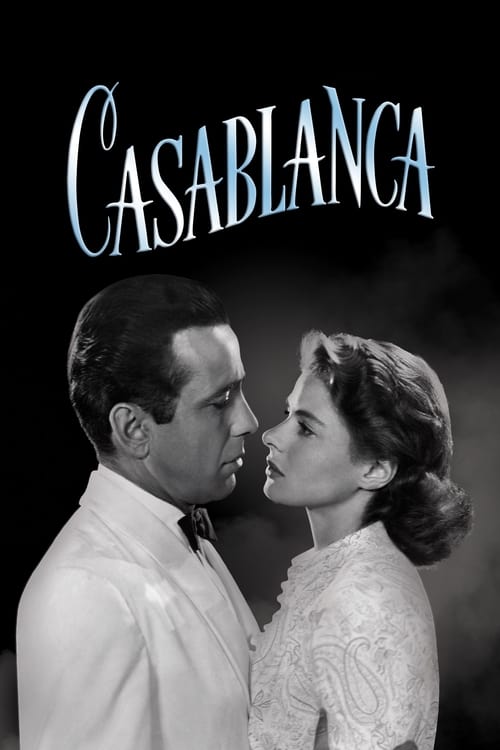
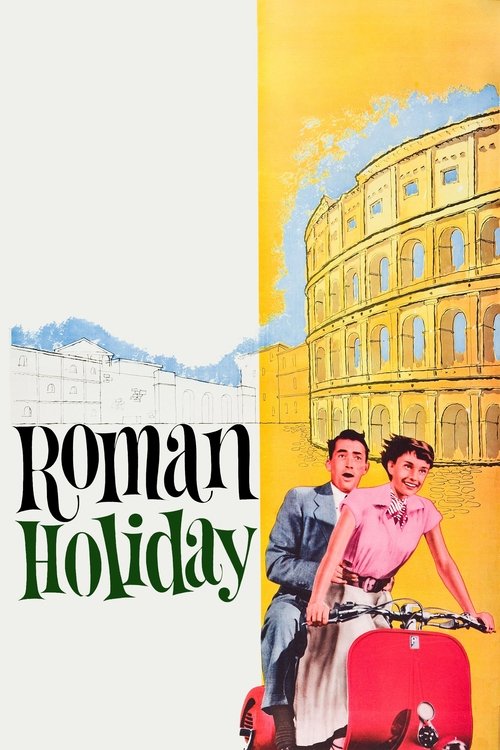
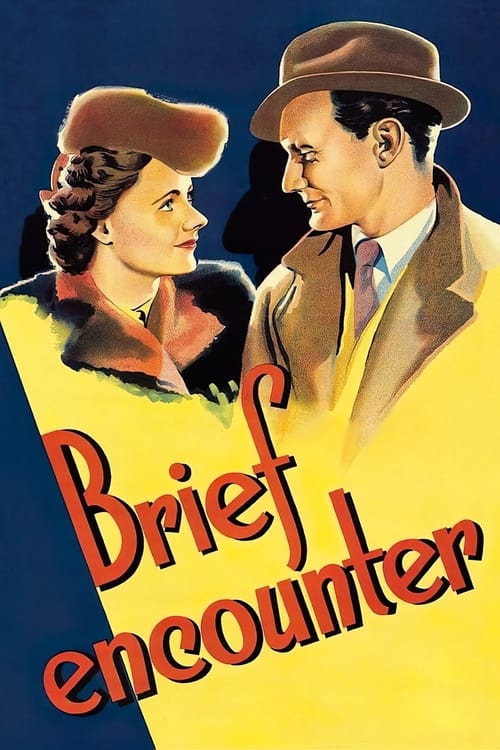

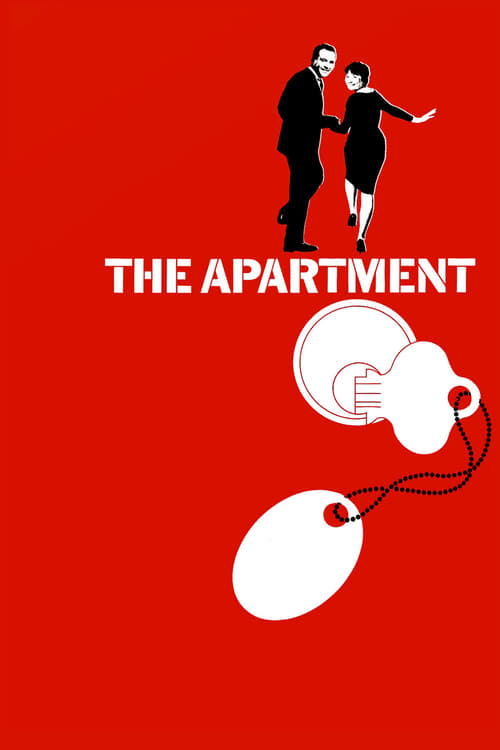
Brief Encounter is not a weepie. It is the most accurate film ever made about desire.
David Lean's 1945 film gets filed under weepy wartime nostalgia and left there, which is a mistake. Brief Encounter is about the texture of wanting something you know you will not take, and Celia Johnson's performance contains more interiority than most films achieve in two hours of monologue. The genius is that nothing much happens. That is the point. If you have ever talked yourself out of something and spent years wondering whether you were right, this film is your companion.
Television's best arguments for staying in
Series that build love slowly enough to feel real
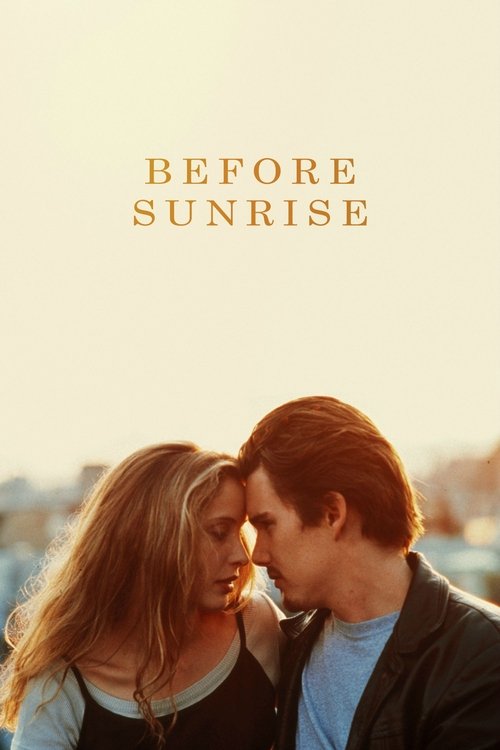
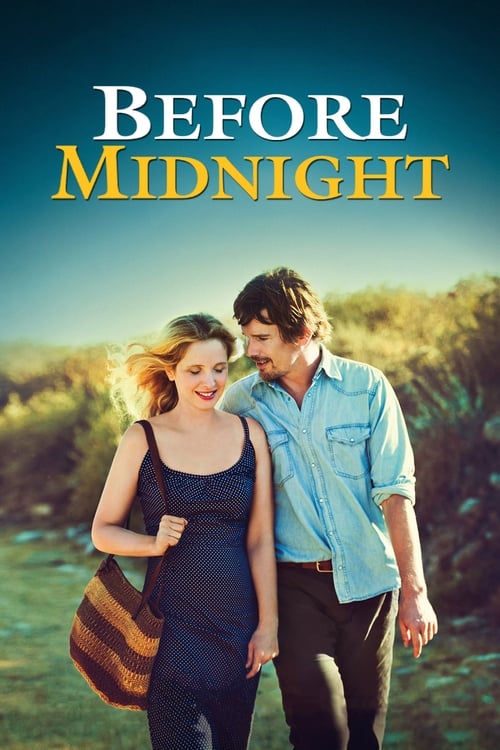
The Before trilogy is a single film. Watch it that way.
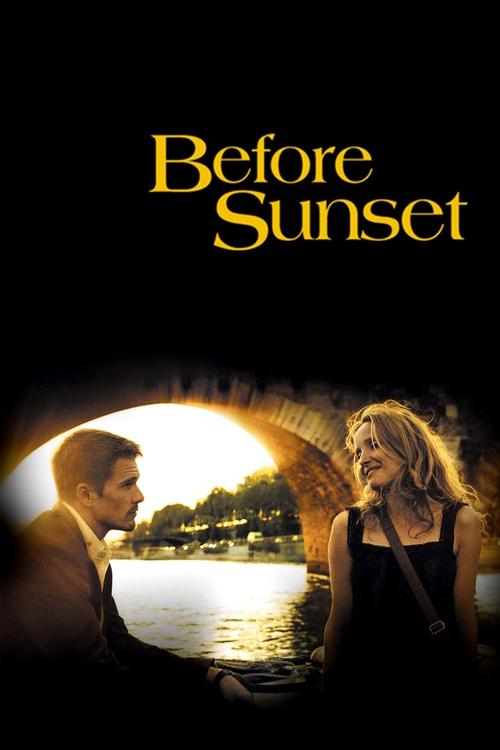
Richard Linklater made three films over eighteen years and together they form one of the few works in any medium that ages with you. Before Sunrise is the film you watch at twenty-two and believe completely. Before Sunset is the one you return to at thirty and find sharper. Before Midnight is the one that makes you argue with whoever you watched it with, which is what it wants. The conversation is the plot. There is no other plot. Anyone who finds that boring has never been in love with a person who is also a complete pain.
How the romantic story changed its shape
- 1813Jane Austen publishes Pride and Prejudice, setting the template for the slow-burn romantic misunderstanding that still structures half of television. Pride and Prejudice
- 1939Gone with the Wind arrives, a film whose romantic mythology Hollywood spent decades dismantling and then quietly re-importing. Gone with the Wind
- 1945Brief Encounter makes restraint the most erotic choice in cinema. Brief Encounter
- 1967Gabriel Garcia Marquez publishes One Hundred Years of Solitude, proving that love across generations can be a structural device, not just a theme.
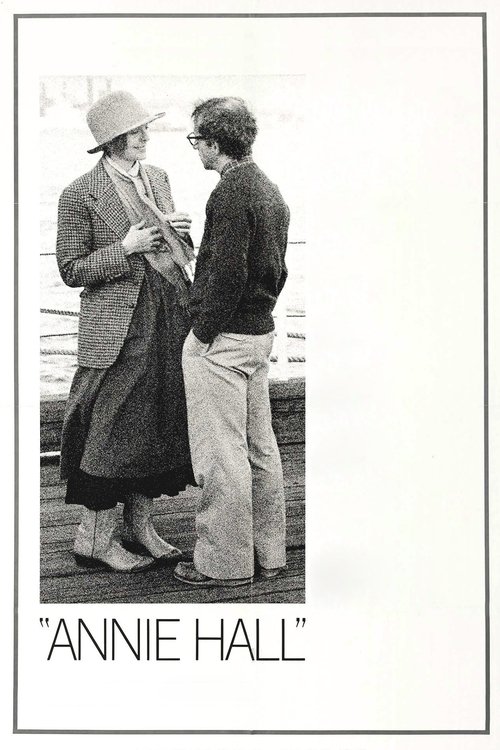
- 1977Annie Hall dismantles the romantic comedy from the inside, showing how self-consciousness poisons intimacy. Annie Hall
- 1995Before Sunrise. Two strangers, one night, Vienna. A film that made talking feel like an act. Before Sunrise
- 1997Titanic makes $2.1 billion by fusing disaster with doomed love, a pairing the Greeks would have recognised. Titanic
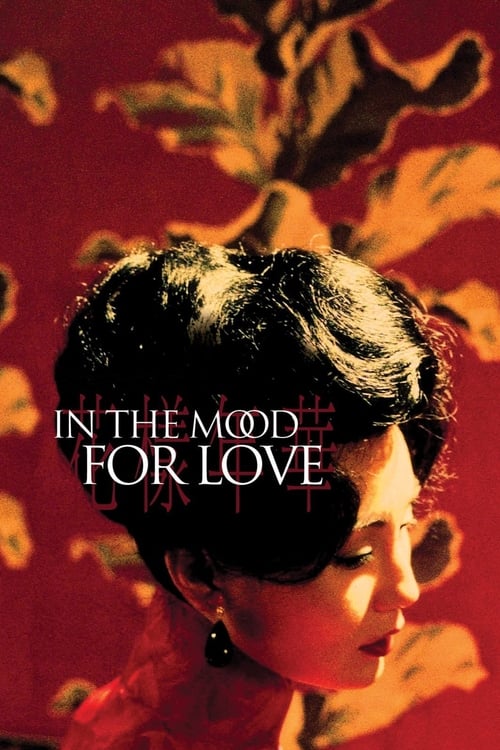
- 2000In the Mood for Love redefines restraint for a new century, its influence visible in every slow-cinema romance since. In the Mood for Love
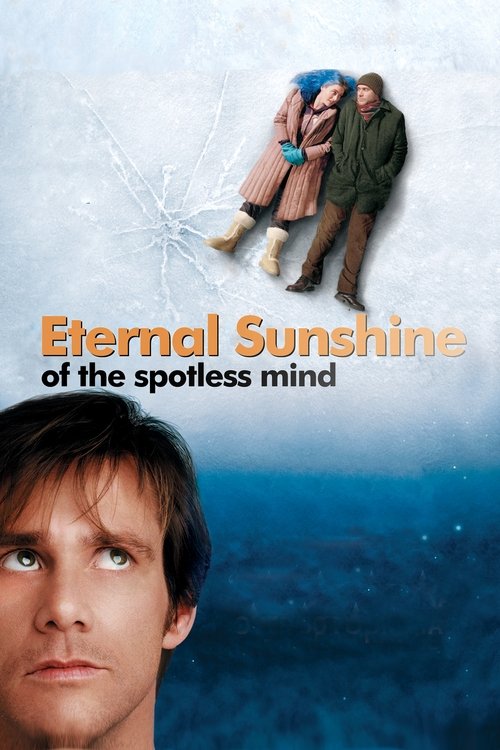
- 2004Eternal Sunshine of the Spotless Mind: the first major film to ask whether forgetting is an act of love. Eternal Sunshine of the Spotless Mind
- 2016Stardew Valley drops quietly, and millions of people discover that tending a farm with a fictional spouse scratches a real itch. Stardew Valley
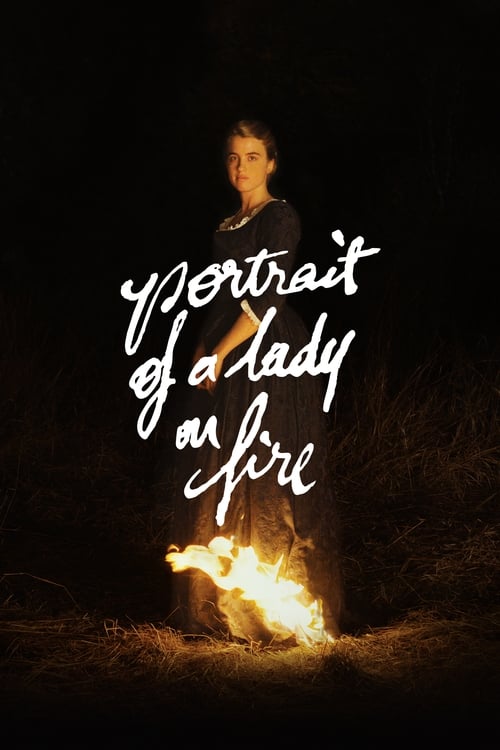
- 2019Portrait of a Lady on Fire arrives: the gaze as the whole story. Portrait of a Lady on Fire
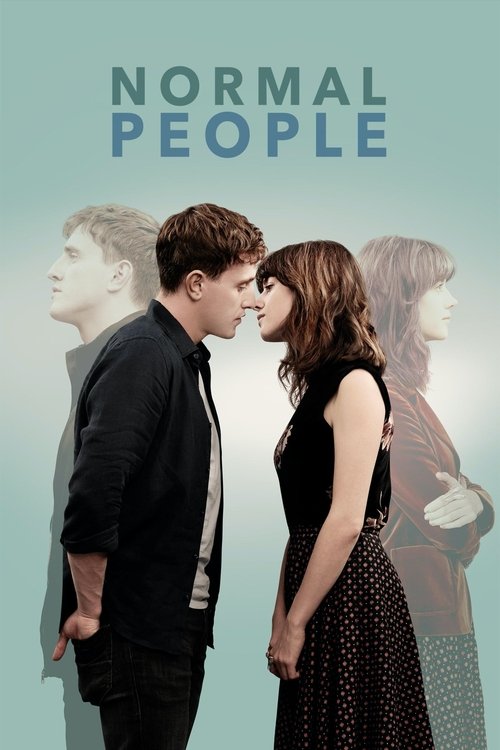
- 2020Normal People turns Sally Rooney's interior monologue into physical performance. A new kind of romantic television. Normal People
The films most people haven't seen and should
Deeper cuts from every decade
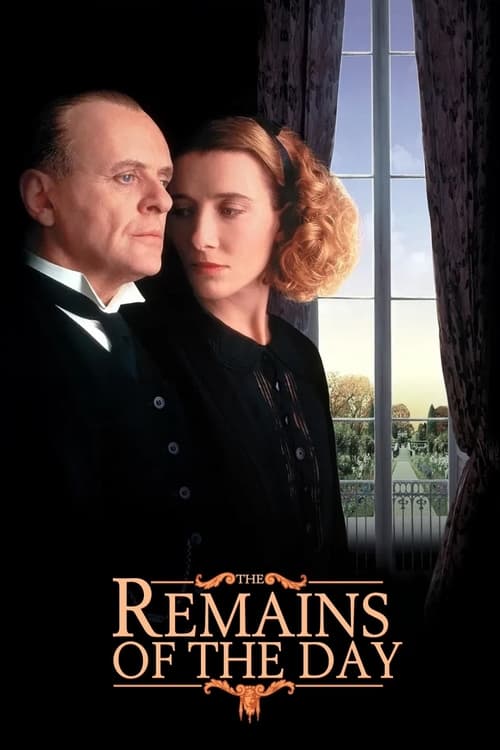
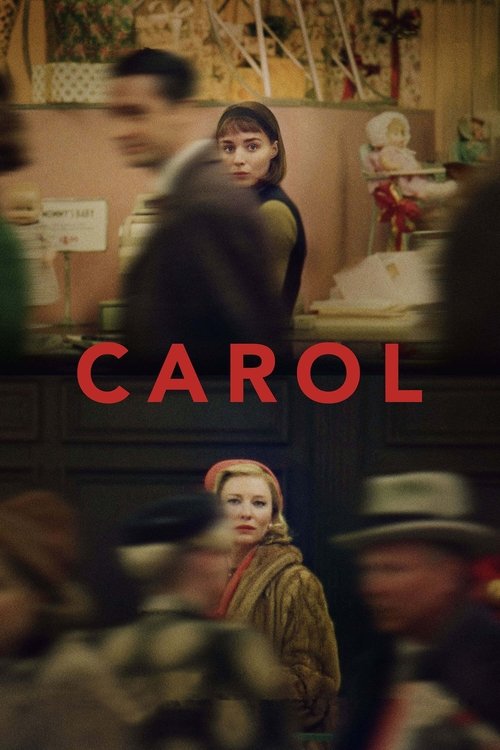
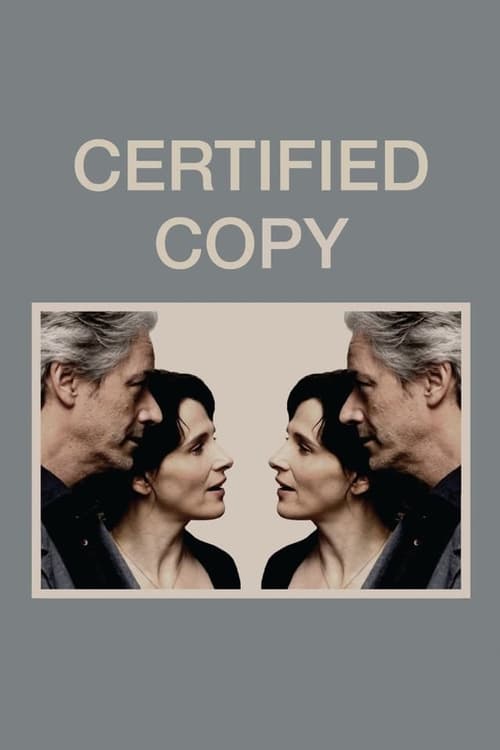
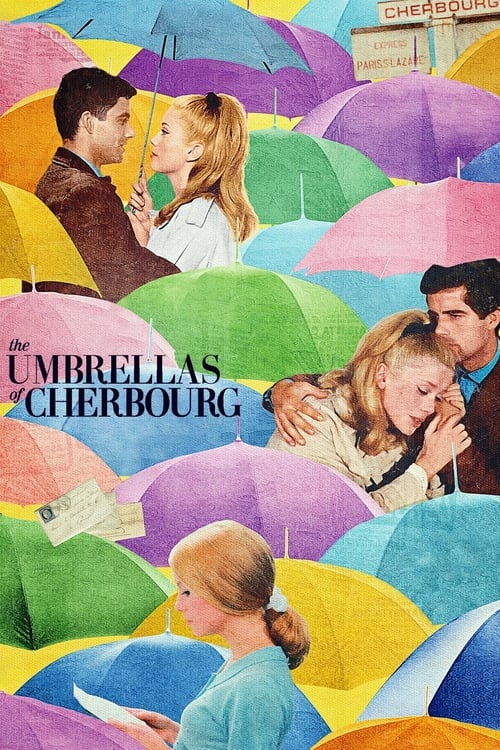

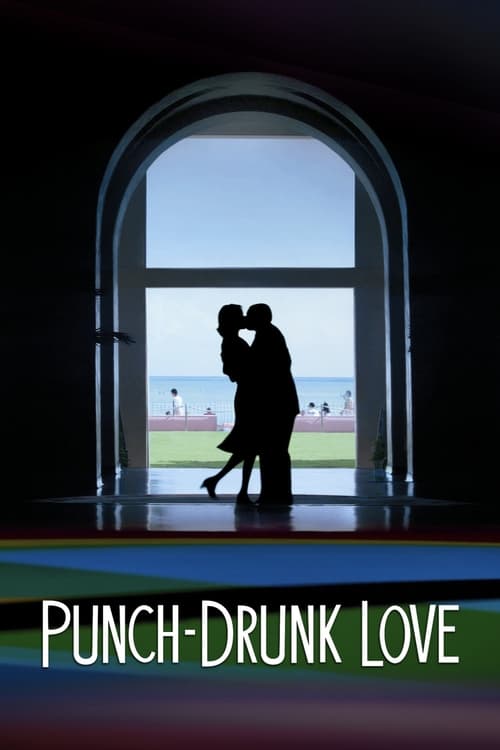
The Notebook is not the great romance. The Remains of the Day is.
Kazuo Ishiguro's novel, and James Ivory's film, are about a man who mistakes professional devotion for a substitute for love, and only understands his mistake when it is absolutely too late. Anthony Hopkins and Emma Thompson do more with a glance across a dinner table than most films do with a full declaration scene. The romance is almost entirely absent from the story and is somehow the only thing the story is about. That is a technical achievement worth studying.

On the page: novels that understand love better than most films do


It is a truth universally acknowledged that the best Valentine's viewing is never the film marketed as one.CrossBinge editorial
Games that found something real to say about love
From pixel-art courtship to sprawling RPG attachment
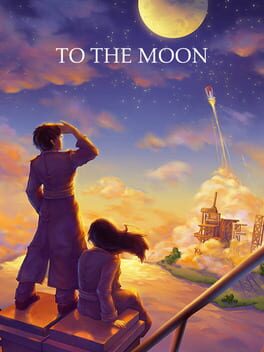
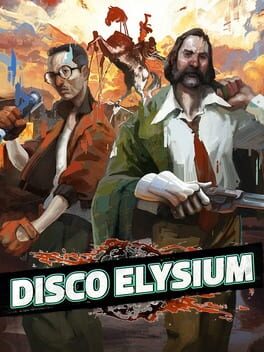
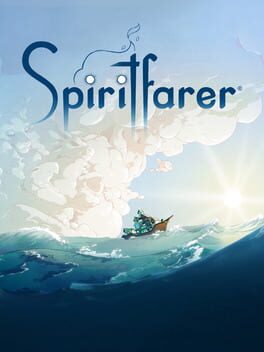

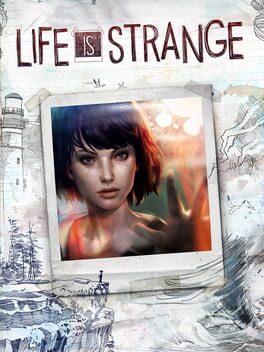
To the Moon earns its ending in a way most films cannot.
Kan Gao made To the Moon in RPG Maker with a team of essentially one, and it remains the sharpest argument that games can do something with love that film cannot: the slow accumulation of small choices, the sensation of spending time with people before understanding why. The ending works because the preceding four hours have been building toward it invisibly, and because the central question about memory and meaning and what we owe each other is asked without ever being stated. It is one of the few games that earns the word narrative without irony.
A few words about the films you will be recommended elsewhere.
The Notebook is a competent adaptation of a Nicholas Sparks novel, no more. Valentine's Day (2010) is a film made from the same impulse that produces airport gift shops. Love Actually is a Christmas film with a romantic subplot problem, not a Valentine's film, and the arguments about whether it is good are more interesting than the film itself. None of these are in this guide. You have seen them. You know where to find them. The works above are the ones worth the evening.