
The Cry You Did Not See Coming
There is a cheaper version of this genre. You know it: the terminally ill child, the golden retriever running into traffic, the swelling strings that start four minutes before the sad thing happens so you have time to brace. These are not tearjerkers. They are weep schedules.
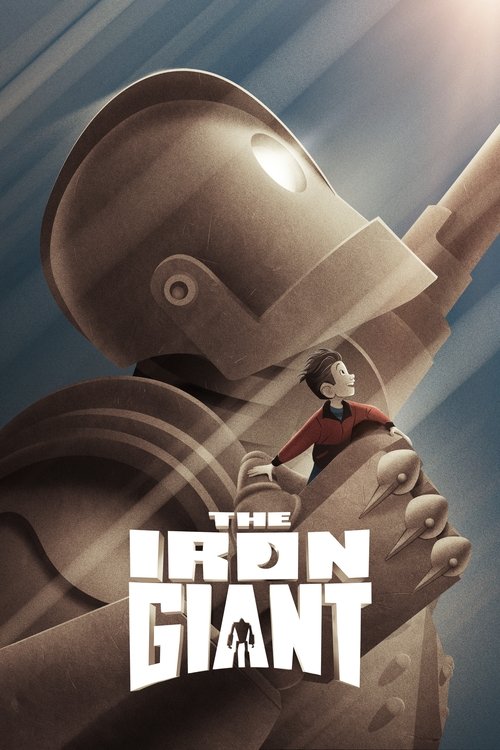
The real ones work by a different mechanism. They bury the knife early, in a line of dialogue or a detail so small you forget it, and then an hour later they twist it so quietly you do not register why your throat tightened until the credits roll. The Iron Giant earns it. Never Let Me Go earns it. What Remains of Edith Finch earns it so hard that some players put the controller down and stare at the wall.
This guide is about those works. Across film, television, games, and books: the ones that respect your intelligence enough to let the loss arrive without a musical cue telling you how to feel.
The undisputed canon
Films that redefined what a mass-audience cry could be





The one film people still refuse to rewatch
Grave of the Fireflies has a strange reputation problem: everyone agrees it is a masterpiece and almost no one will put it on twice. That tells you something. It is not punishing in the way that prestige war films are punishing. It is punishing because it is intimate, because the tragedy is entirely preventable, and because Isao Takahata refuses to make either sibling a saint. Seita makes bad decisions. That is the point. Grief stories that only feature good people dying are actually comfort. This one is not.
Television that earned the sob
Series and standalone episodes that hit harder because you had weeks to love the characters first
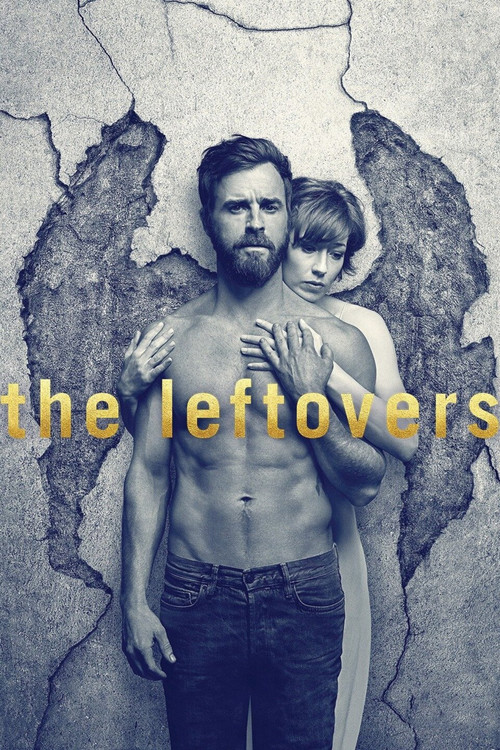

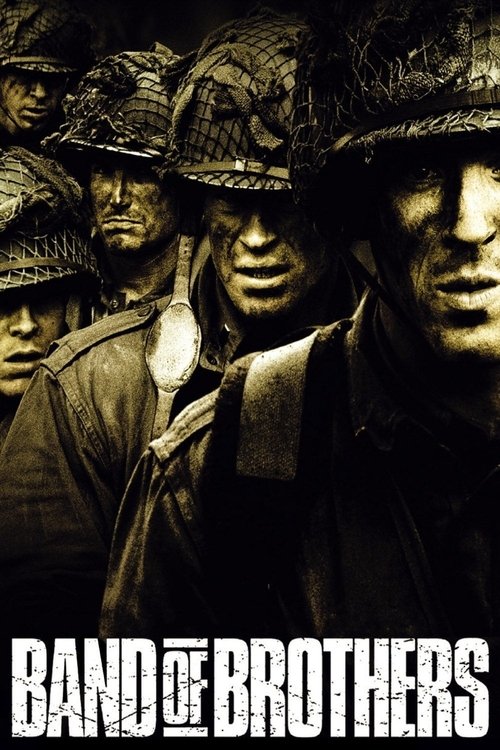
The finale that outran its show
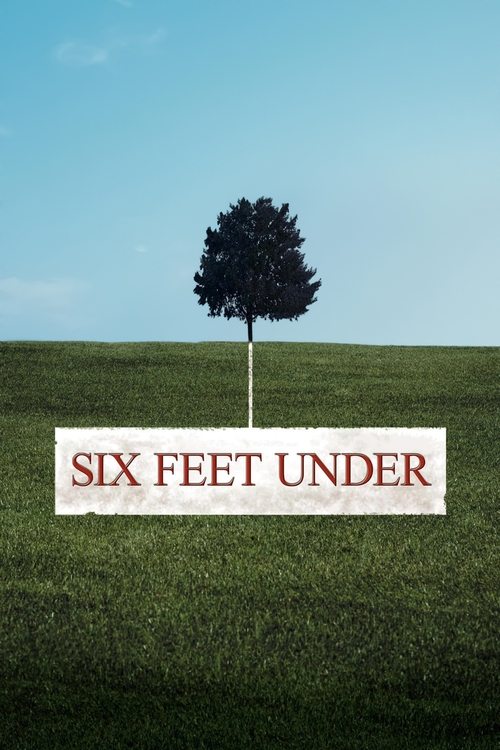
The final episode of Six Feet Under is the best series finale ever made, and the last four minutes are the most structurally ruthless thing American television has produced. Creator Alan Ball does not let you settle into grief. He accelerates through time in a way that forces you to feel every death simultaneously, stacked. No other show has ended with that kind of formal ambition and had it land emotionally rather than just cleverly. The sequence only works because five seasons built the foundation. You cannot shortcut it.
A short history of the earned cry
- 1946It's a Wonderful Life reframes loss as an accumulation of small loves It's a Wonderful Life
- 1957Wild Strawberries shows old age as a reckoning, not a decline Wild Strawberries
- 1988Grave of the Fireflies makes Studio Ghibli synonymous with beautiful devastation Grave of the Fireflies
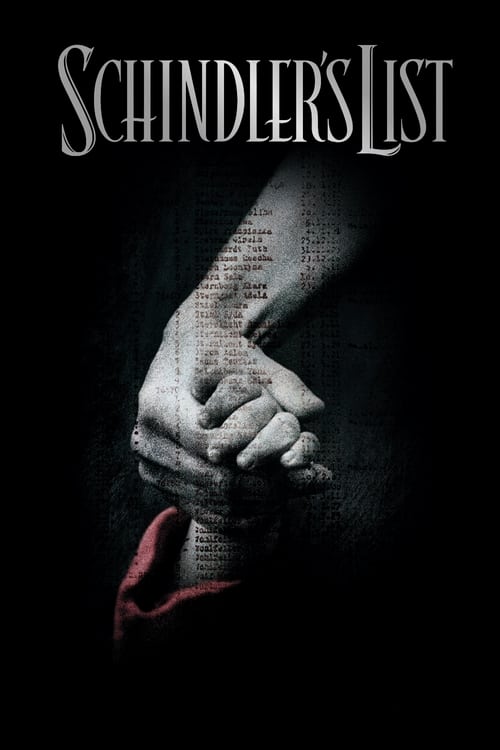
- 1993Schindler's List changes how Hollywood processes historical trauma Schindler's List
- 1998Saving Private Ryan opens with ten minutes that end the heroic war film permanently Saving Private Ryan
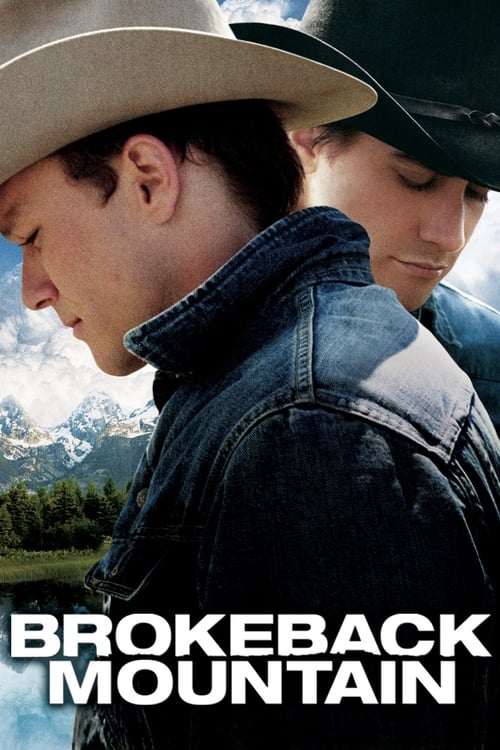
- 2005Brokeback Mountain proves mainstream cinema can carry queer grief without flinching Brokeback Mountain
- 2010Never Let Me Go adapts Ishiguro's quiet apocalypse for the screen with unusual fidelity Never Let Me Go
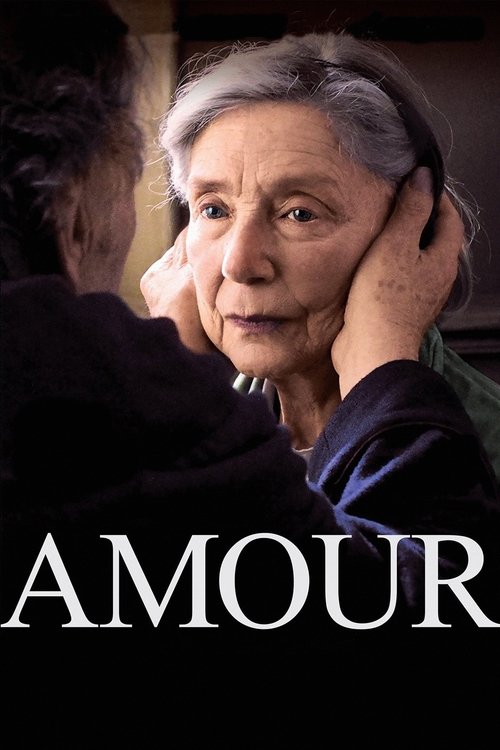
- 2012Amour closes the door on a decades-long marriage and does not look away Amour
- 2013The Last of Us arrives and video games claim a seat at the grief table The Last of Us
- 2016Manchester by the Sea revives the American small-film tradition of grief without catharsis Manchester by the Sea
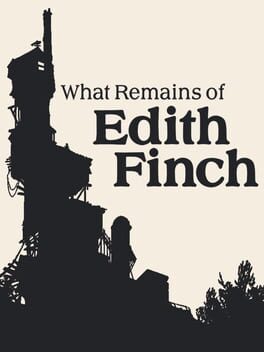
- 2017What Remains of Edith Finch redefines what an interactive eulogy can be What Remains of Edith Finch
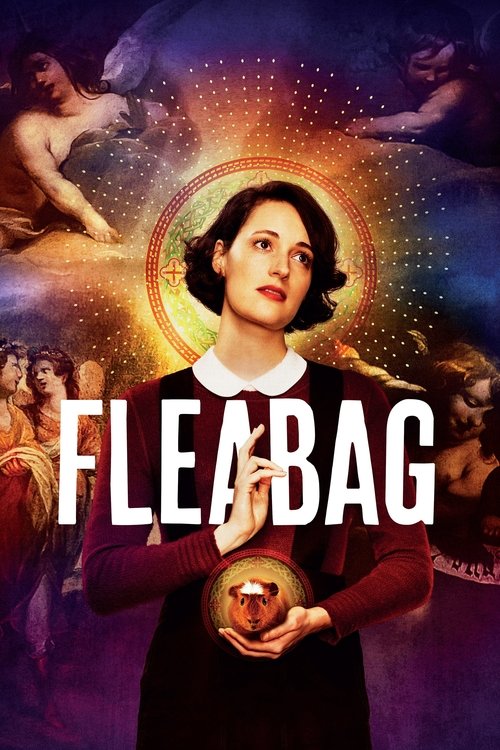
- 2019Fleabag ends with the most earned goodbye in recent TV memory Fleabag
Games that wrecked people who thought games could not do this
Interactive grief, done with enough craft that the medium is no longer the argument
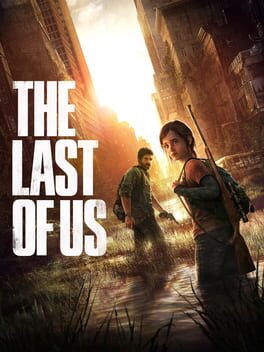
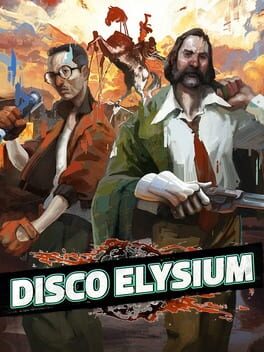

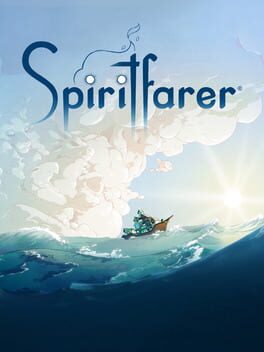
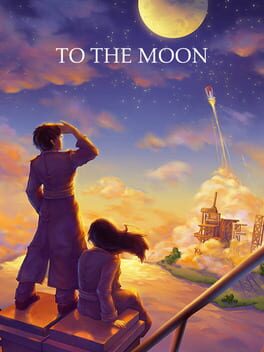

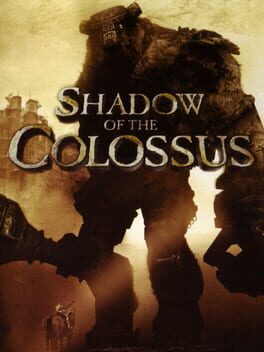
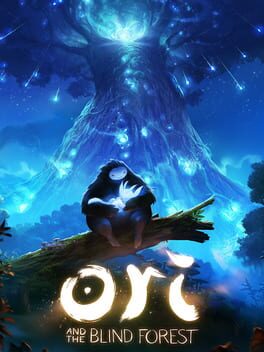
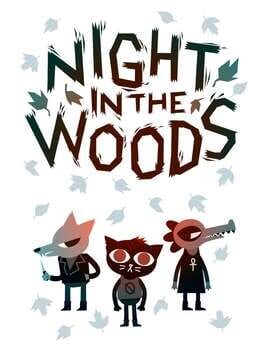
Why games might be the best grief medium we have
Spiritfarer is built around a mechanic where you must actively choose when to let someone go. You ferry spirits to the afterlife, but first you feed them, build them homes, learn their histories, and then stand at the Everdoor and decide to release them. No other medium can replicate that specific guilt. Books tell you the character died. Film shows you. Games make you do it yourself. That is not a gimmick. That is the medium at its unique capacity. The fact that Spiritfarer also accurately represents dementia, without condescension, makes it one of the most emotionally honest works of the last decade in any form.
On the page
Books whose losses stay with readers long after the prose fades


The difference between a film that makes you cry and a film that earns it is roughly the difference between being startled and being changed.CrossBinge editorial
The book that is almost too much to finish
A Little Life by Hanya Yanagihara is the most contested entry on any list like this, and that contest is itself worth naming. Its critics call it grief pornography: a calculated accumulation of trauma with no redemptive architecture. Its defenders say those critics are describing their own discomfort with suffering that refuses to be tidied up. Both positions are honest. But no novel of the past twenty years has forced that conversation as directly, and the prose is disciplined in ways its detractors rarely acknowledge. The grief is not random. It is the grief of loving someone across decades while knowing you cannot reach back far enough to save them. That is specific enough to earn its pages.
What Makes the Difference
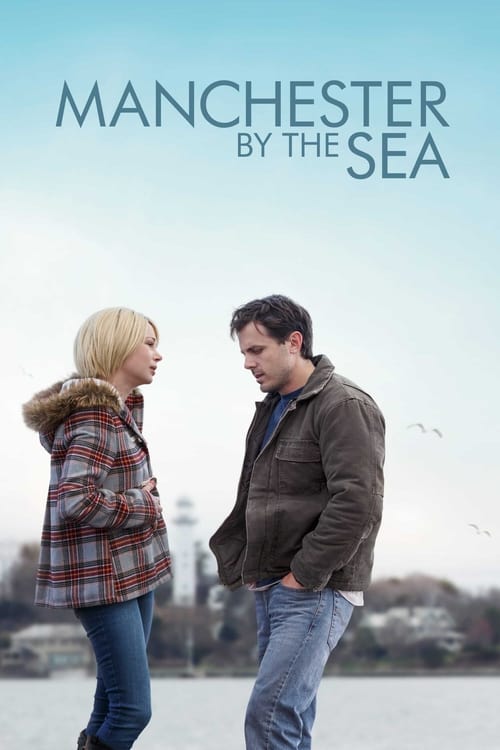
The works in this guide share one structural trait: they earn the cry through specificity. Not by making you care about grief in the abstract, but by making you care about this person, this relationship, this particular loss. The moment in Manchester by the Sea when Lee Chandler runs into his ex-wife and she tries to offer forgiveness and he simply cannot receive it, not because he is broken but because some things are too heavy: that is not written to make you cry. It is written to be true. The cry is the side effect.
The counterfeit tearjerker works by making the loss big and universal. The real one makes it small and irreducible. The distinction holds across every medium on this list. When you finish What Remains of Edith Finch, you are not sad about mortality in the abstract. You are sad about Lewis. His specific room, what he made of it, and what it cost him. That particularity is the whole craft.