

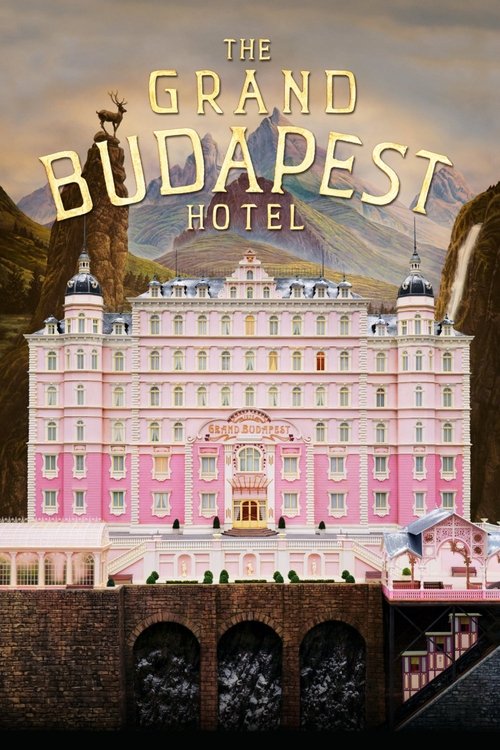
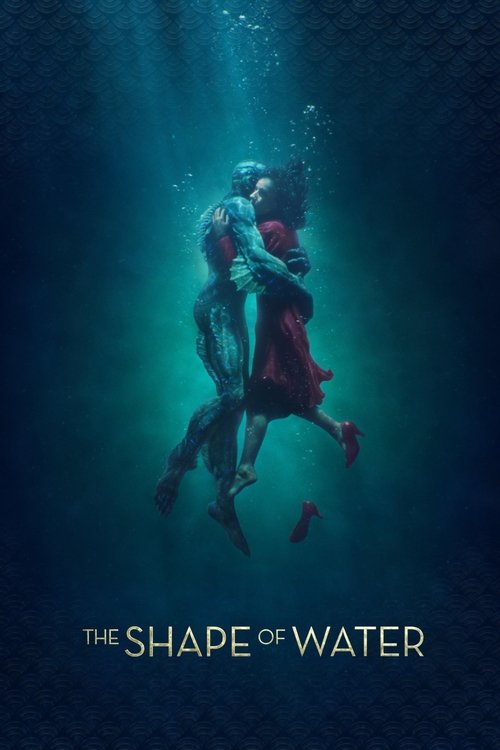
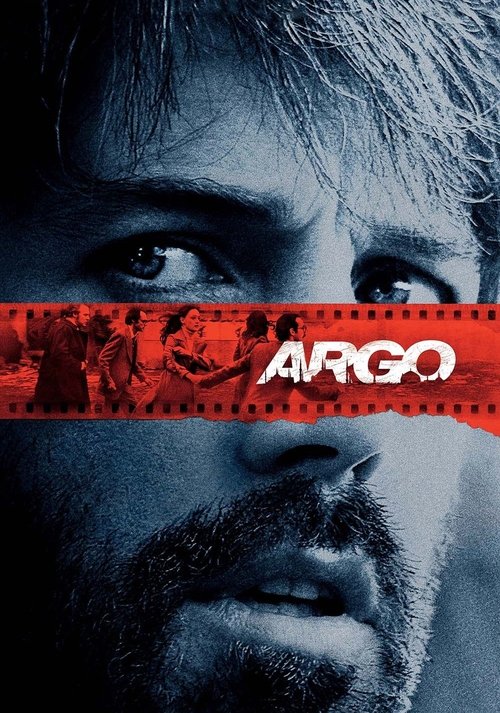
Alexandre Desplat composes as if he already knows the end of the film. His scores arrive fully formed: delicate celesta figures for a dying magician, nervous strings for a spy who cannot trust his own memory, swelling brass for a king learning to speak. Born in Paris in 1961, trained at the Paris Conservatoire and then privately under several European masters, Desplat spent the 1980s and 1990s building a reputation in French cinema before Florent Siri and then Wes Anderson introduced him to English-language directors. The rest is a catalogue that spans two Academy Awards (for 'The Grand Budapest Hotel' and 'The Shape of Water'), two more nominations in a single year, and an uncanny ability to be simultaneously everywhere and unmistakably himself. What fans love is not spectacle for its own sake but precision: his orchestrations are lean, each instrument chosen for a reason, every motif earnable rather than imposed. If you respond to music that serves the story without disappearing into it, this is your composer.
Essential Alexandre Desplat
The scores that define his range, from intimate chamber works to full orchestral statements

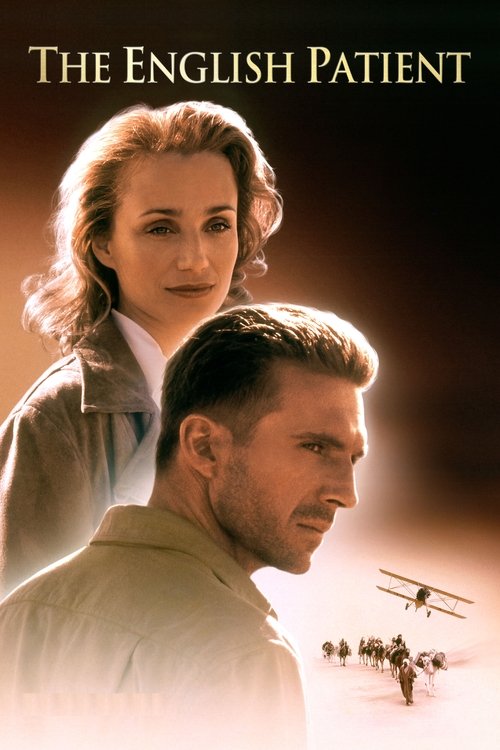
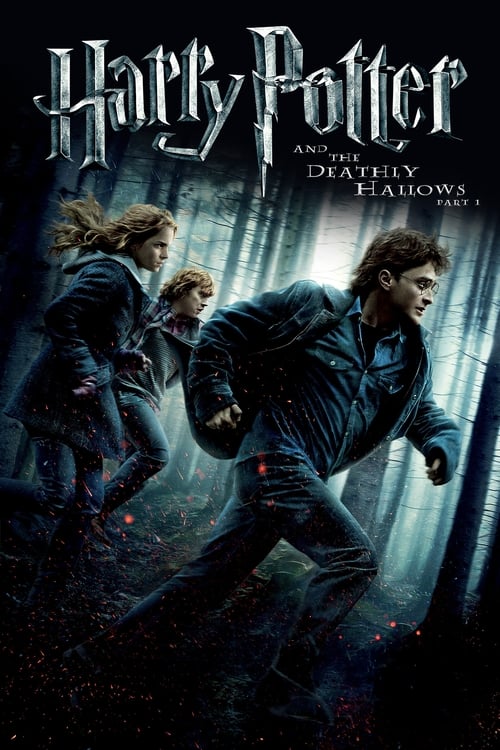
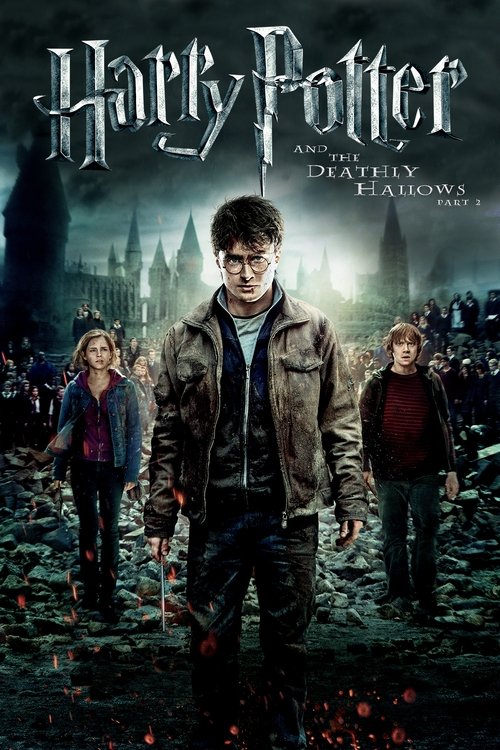
If You Love Desplat: Films with the Same Orchestral Precision
Scores where the music is a structural element, not decoration
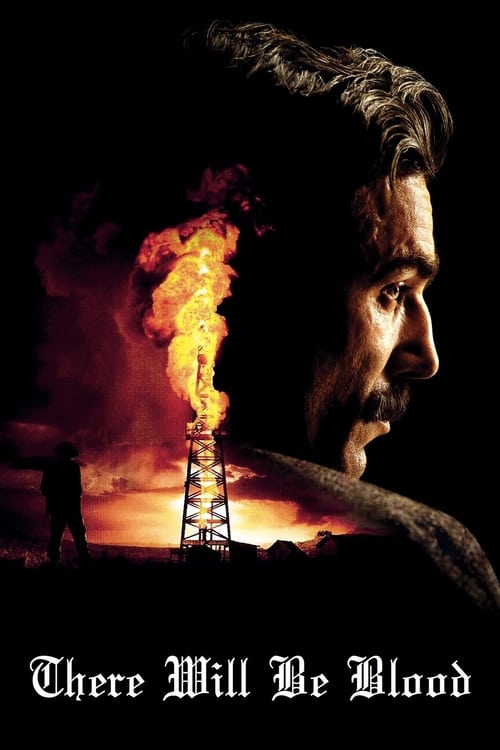

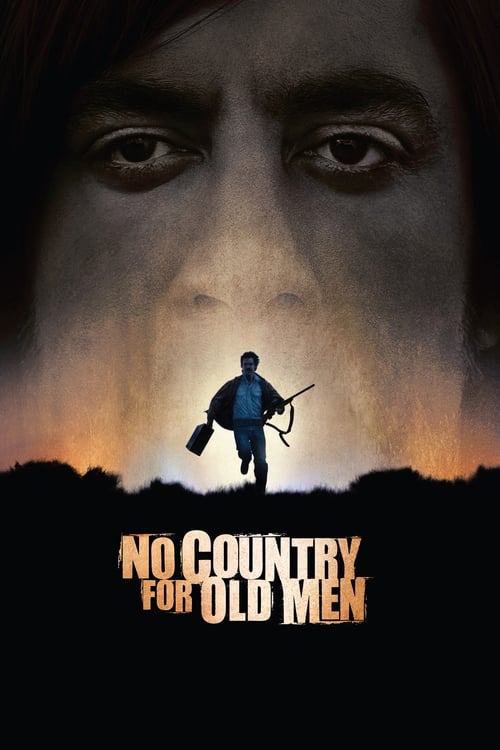
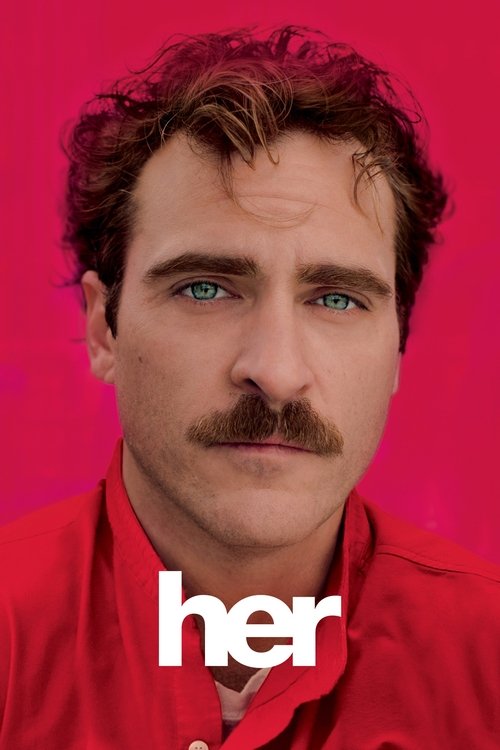



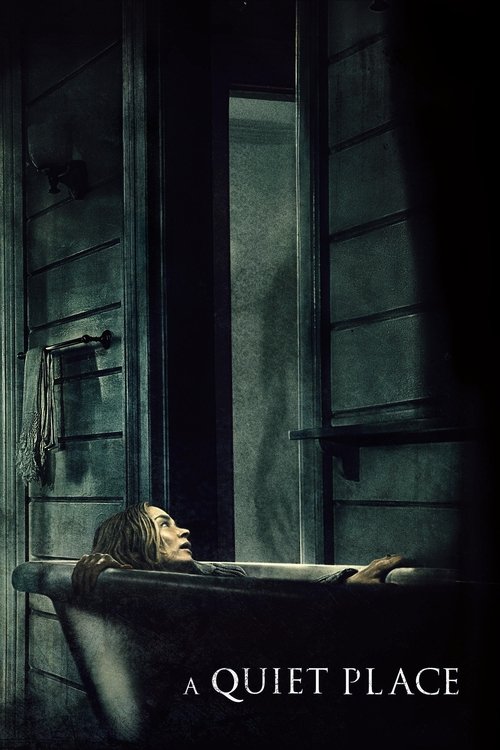

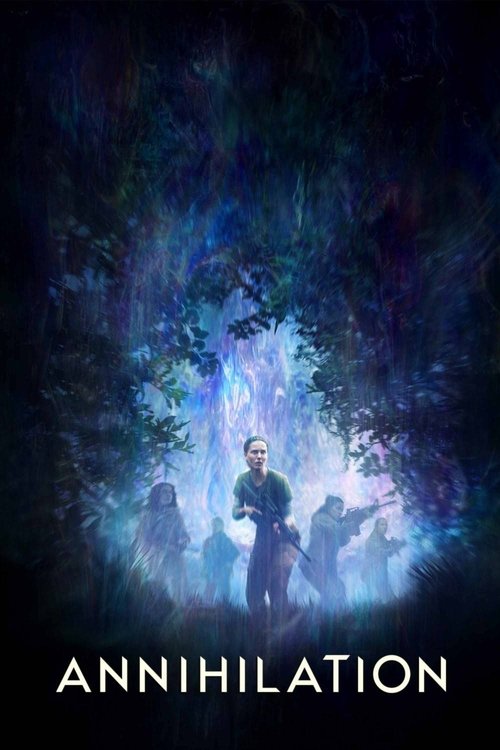
Other Composers Who Reward Careful Listening
From neoclassical chamber elegance to dense atmospheric textures

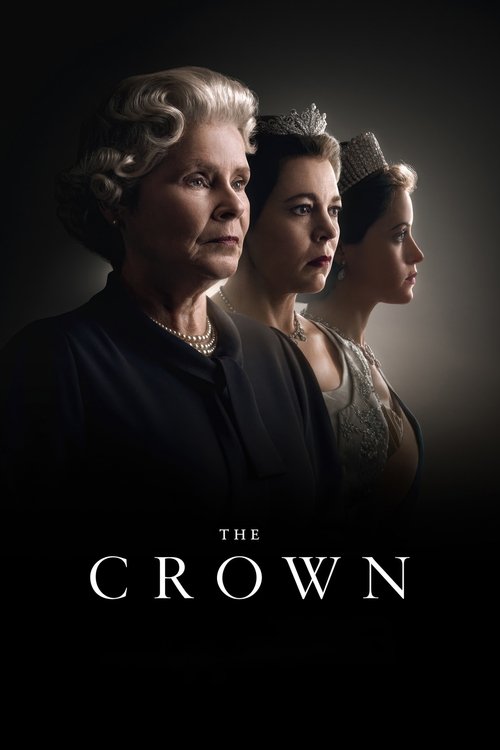
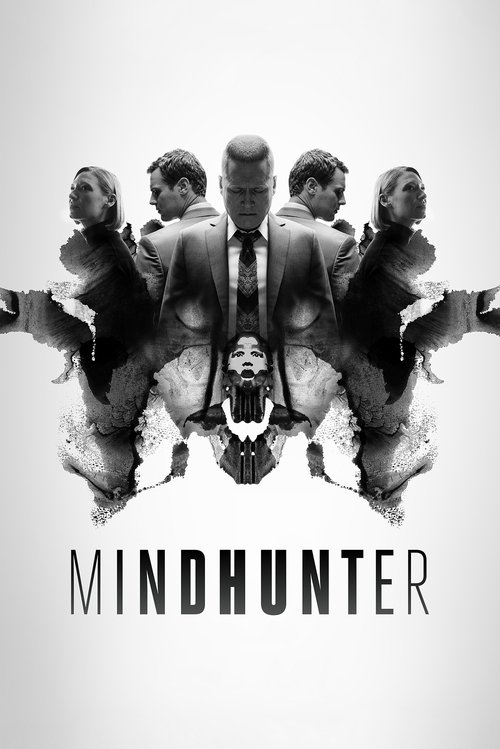
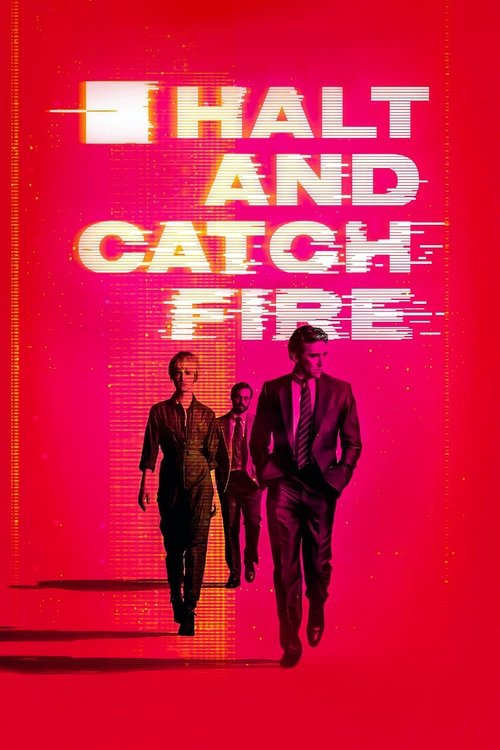
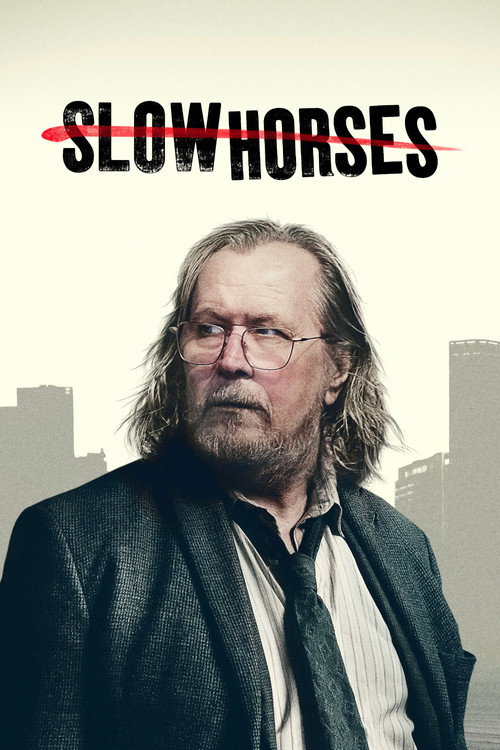
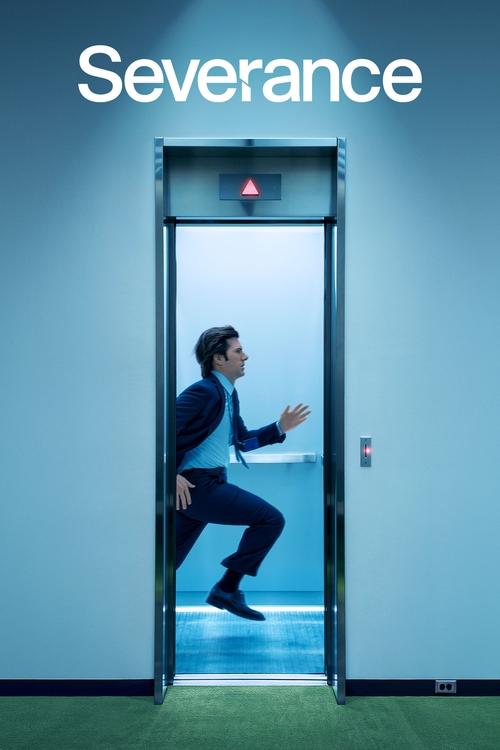
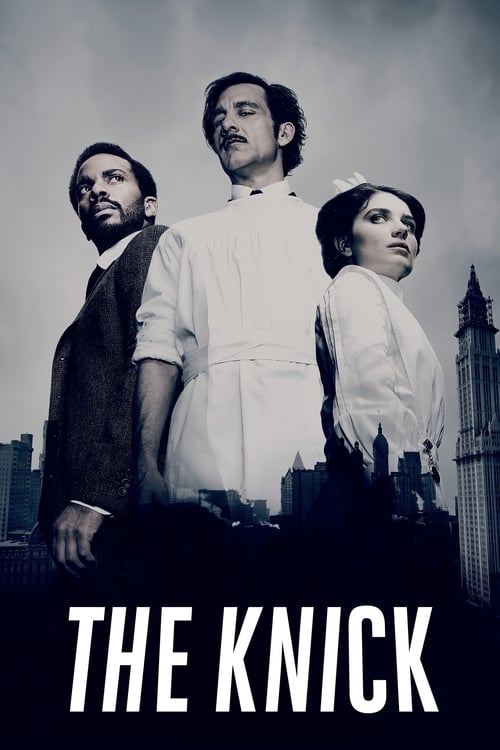
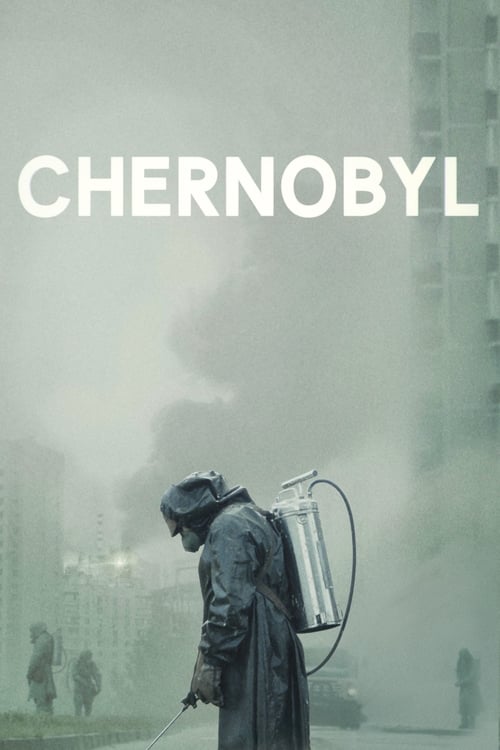
TV Scores with Desplat's Restraint and Atmosphere
Series where the music thinks as carefully as the writing

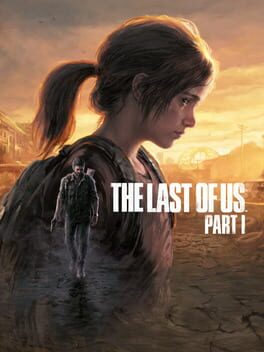
Games with Scores That Treat Music as Architecture
Atmospheric and narrative games where the soundtrack does serious work

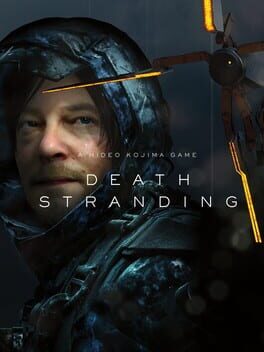

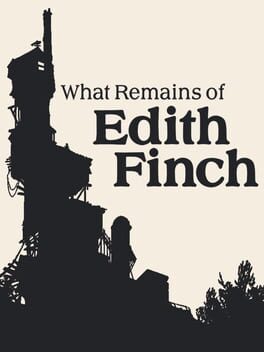


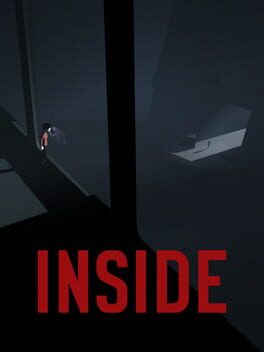

Books for the Same Sensibility: Precise, Layered, Emotionally Exacting
Novels that share Desplat's combination of formal control and deep feeling


The Wes Anderson Effect: When Composer and Director Become Inseparable
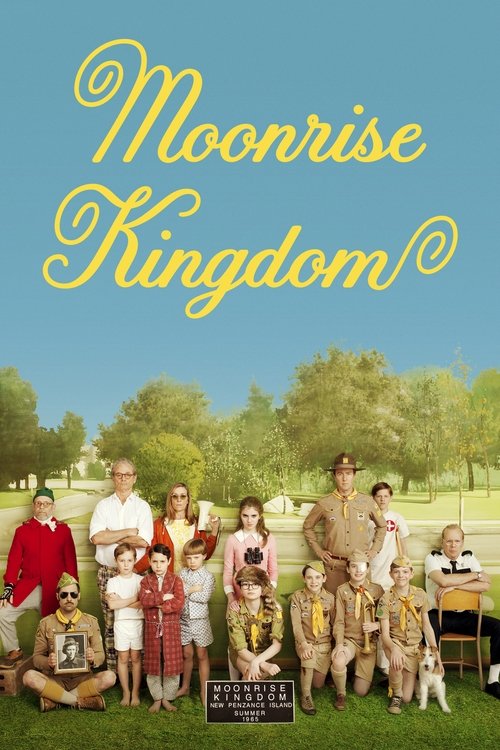
Desplat scored four Anderson films ('Fantastic Mr. Fox', 'Moonrise Kingdom', 'The Grand Budapest Hotel', 'Isle of Dogs'), and the collaboration reveals something important: the right composer does not just illustrate a director's style, they complete it. Anderson's visual precision found its sonic counterpart in Desplat's fondness for unusual instrumentation (balalaika orchestras, glass harmonica, toy instruments) and his sense of humor. 'The Grand Budapest Hotel' score is a lesson in how comedy and elegy can occupy the same phrase. Neither man was doing something new; together, they were doing something that could not have existed separately.
Silence Is Part of the Score
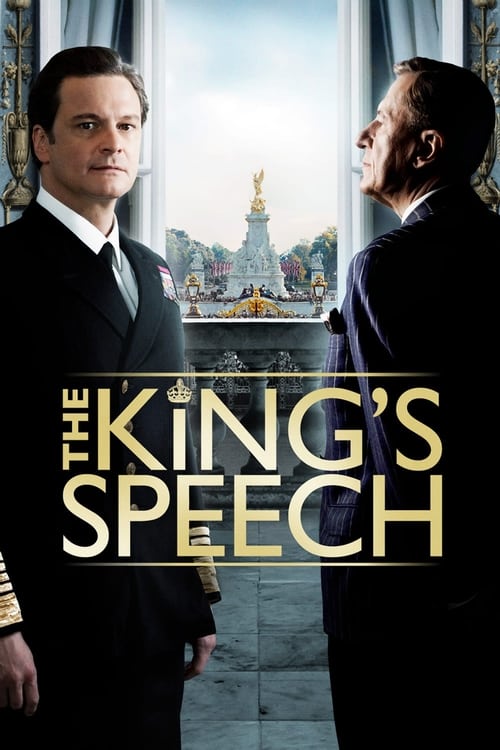
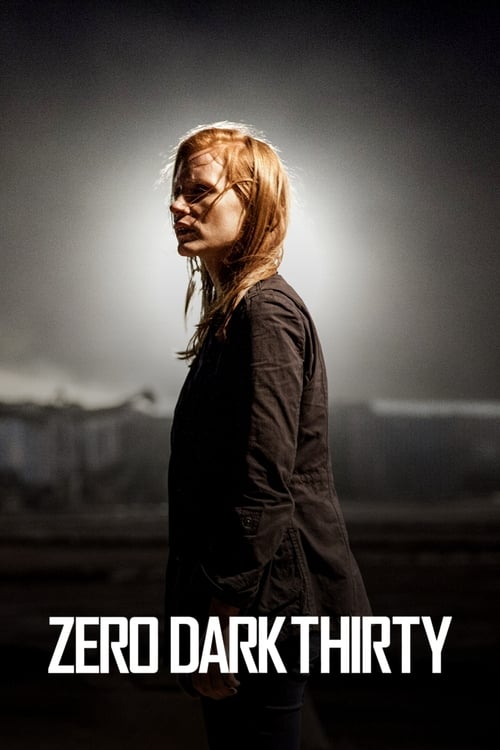
Desplat is one of the few contemporary film composers who uses silence as deliberately as he uses sound. In 'Zero Dark Thirty', long stretches of operational footage run without music at all; when the score enters it has the force of an argument. In 'The King's Speech', the famous final address withholds the orchestra until the last possible moment so that when it arrives it carries the entire film's emotional weight. This is a composerly discipline that has almost vanished from big-studio filmmaking. Directors like David Fincher and Alejandro Gonzalez Inarritu understand it, which is why their scores feel like necessity rather than wallpaper.
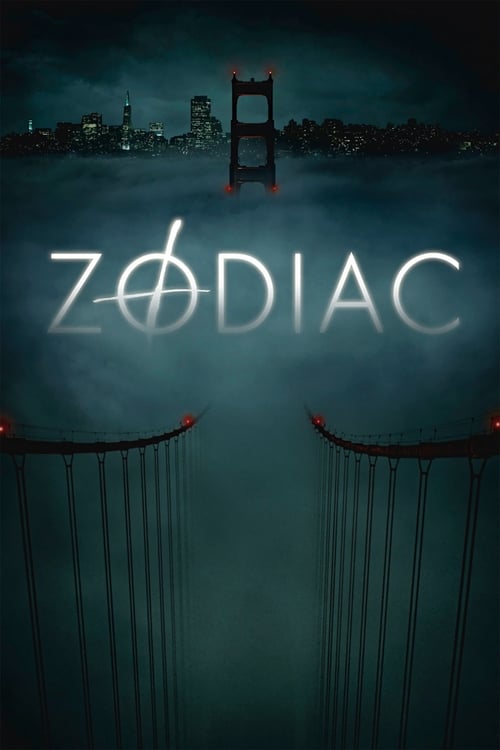
French Cinema's Best-Kept Export
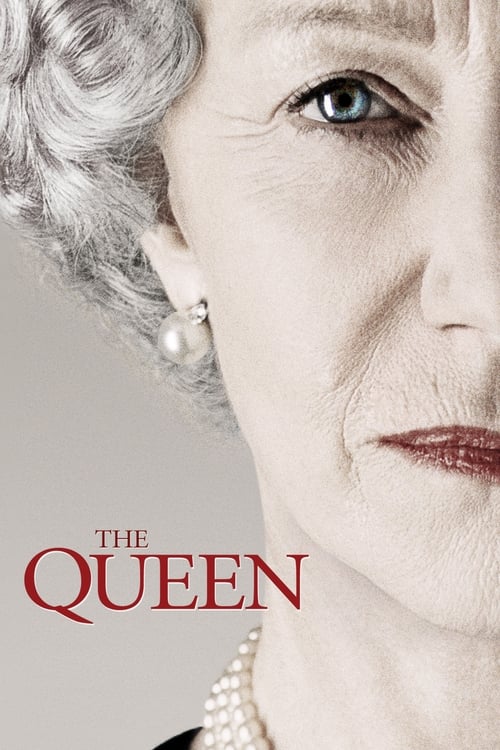
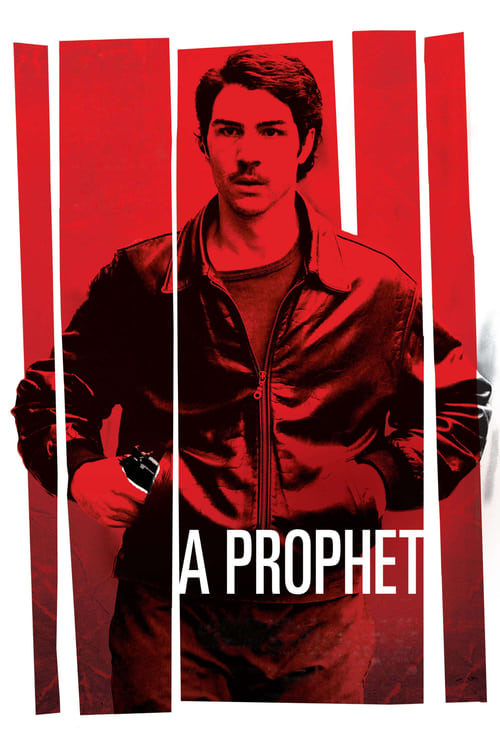
Before 'The Queen' made him an international name, Desplat spent fifteen years composing for French directors including Jacques Audiard and Nicole Garcia. That grounding in European art cinema gave him something many Hollywood composers lack: comfort with ambiguity. His French scores ('Un prophete', 'The Beat That My Heart Skipped') are grimmer, more percussive, less resolved than his Anglo-American work, and they are worth seeking out for exactly that reason. They reveal the architecture beneath the elegance.

The Score as Emotional Counterpoint
In 'The Shape of Water', Desplat composed music that never tells you how to feel about a scene where feeling is already complicated. The love story between a mute woman and a creature from a black lagoon is strange and sincere and potentially grotesque, and the score somehow holds all three at once. It leans on chanson and jazz rather than classical grandeur, which keeps the film airborne when the concept might have sunk it. This is the hardest thing a film composer can do: provide emotional support without emotional instruction.

A Career in Key Moments
- 1996Scores his first major French theatrical release, beginning a decade of European art cinema work
- 2003Collaborates with Jacques Audiard on 'Sur mes levres', building a reputation for scoring psychologically complex material
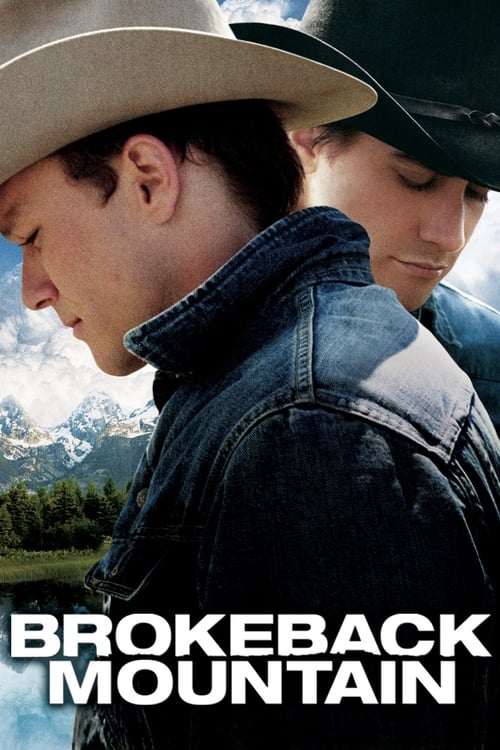
- 2005Scores 'Syriana' and 'Brokeback Mountain' in the same year, establishing his English-language presence Brokeback Mountain
- 2006Scores 'The Queen', earning his first Academy Award nomination and his first major international hit The Queen
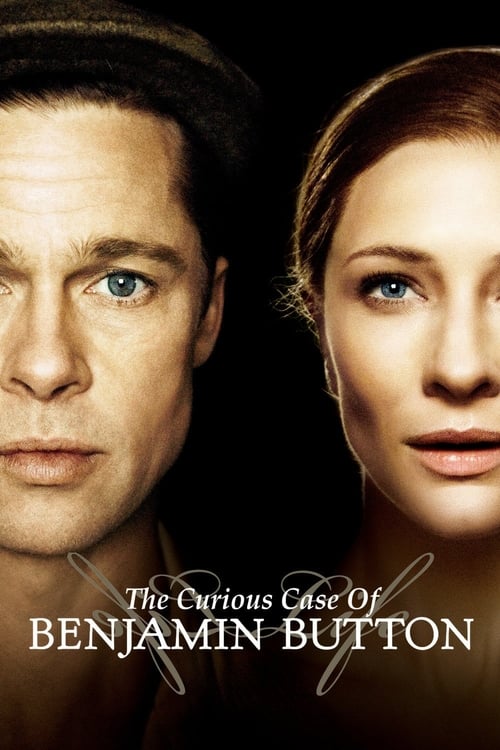
- 2008Scores 'The Curious Case of Benjamin Button' for David Fincher; another nomination follows The Curious Case of Benjamin Button
- 2009Begins collaboration with Wes Anderson on 'Fantastic Mr. Fox', a partnership that redefines both artists Fantastic Mr. Fox
- 2010Scores 'The King's Speech', earning his third Academy Award nomination The King's Speech
- 2014Wins his first Academy Award for 'The Grand Budapest Hotel' The Grand Budapest Hotel
- 2017Scores both 'The Shape of Water' and 'Three Billboards Outside Ebbing, Missouri' for the same ceremony season
- 2018Wins his second Academy Award for 'The Shape of Water', one of only a handful of composers to win twice in four years The Shape of Water
More from Desplat's collaborators and worlds
For Fans of Ralph Fiennes
Explore the For Fans of Ralph Fiennes guide →The orchestra is not there to say what the image cannot say. It is there to say what the image is afraid to say.Alexandre Desplat