
The best season for staying put
Somewhere around the first week of December, or maybe the first genuinely grey November afternoon, something shifts. You stop feeling guilty about the pile of books on the nightstand. You start eyeing the TV remote with real intent. You dig out a game you never finished and think: now. Winter does something to the appetite for fiction. It narrows it, usefully. You want warmth, texture, a sense of enclosure. You want works that feel like being indoors while being indoors.
This guide is not a list of Christmas films, though some are. It is not a list of sad films about winter, though a few qualify. It is a canon of works that share a quality that is genuinely hard to name but instantly recognisable: the feeling of drawing the curtains against the dark and settling in. Across film, television, games, and books, these are the ones that earn that feeling honestly.
The fireplace films
Cinema that wraps around you like a second blanket
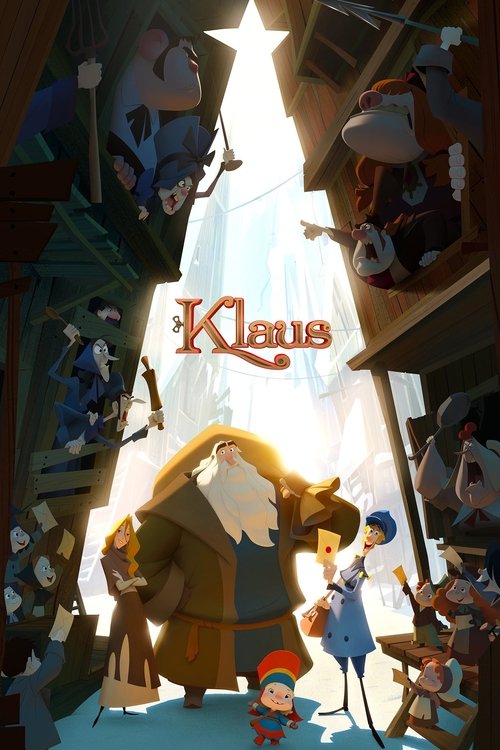




Klaus is the best Christmas film made this century
Klaus arrived on Netflix in 2019 with almost no theatrical fanfare and proceeded to do something most animated films cannot: it invented a genuinely new origin myth for a very old figure, then made it feel earned. The hand-drawn 3D hybrid technique is beautiful, but the real trick is structural. The film is about a postman, not about Santa, and the warmth comes sideways. It won the Annie Award for a reason. If you have been sleeping on it because it is streaming-original animation, correct that immediately.
Television for the long dark
Series built for multi-night runs under a duvet
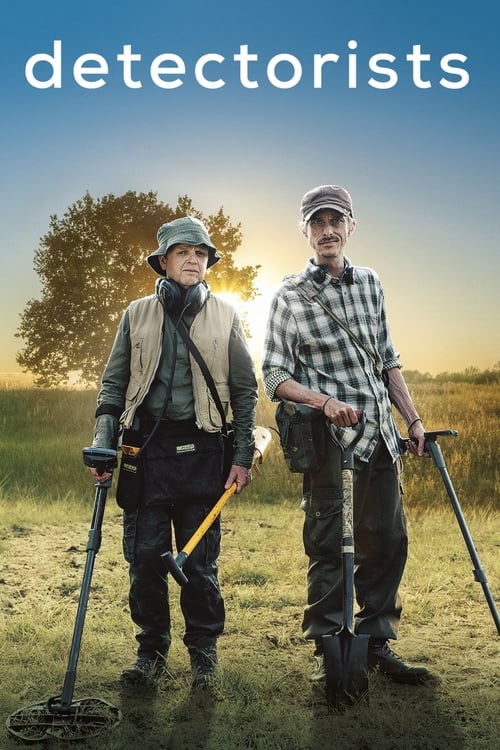

The Detectorists is the most underrated comfort watch in existence
Most people who love The Detectorists discovered it by accident, and most describe the experience of watching it as something close to relief. Mackenzie Crook's three-series BBC comedy about amateur metal detectorists in Essex is the rare show that chooses gentleness as a formal principle, not a side effect. Nothing much happens, and that is precisely the point. The landscape photography alone justifies a rewatch every winter. The soundtrack by Johnny Flynn is similarly irreplaceable.
A short history of cozy on screen
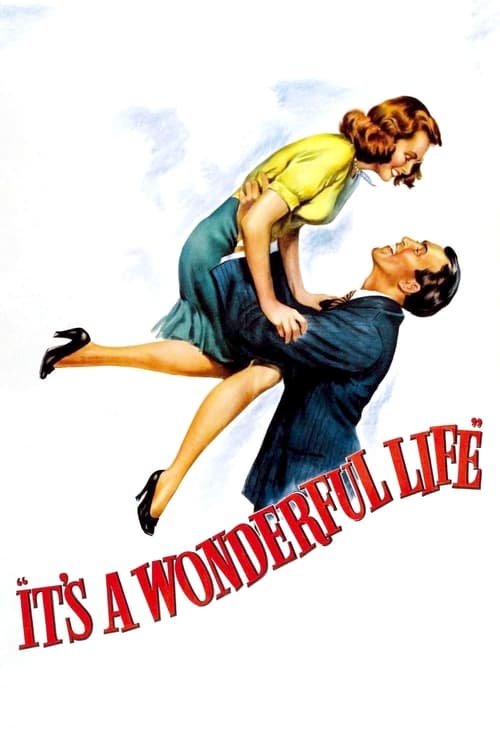
- 1946The template is set It's a Wonderful Life
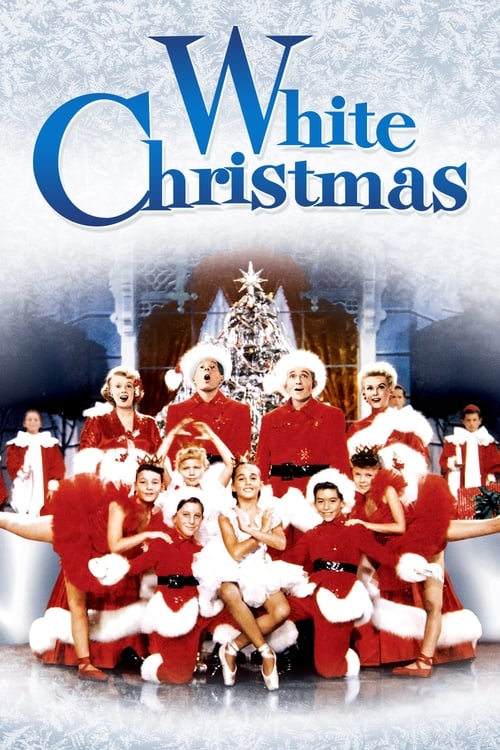
- 1954Yuletide Technicolor peak White Christmas
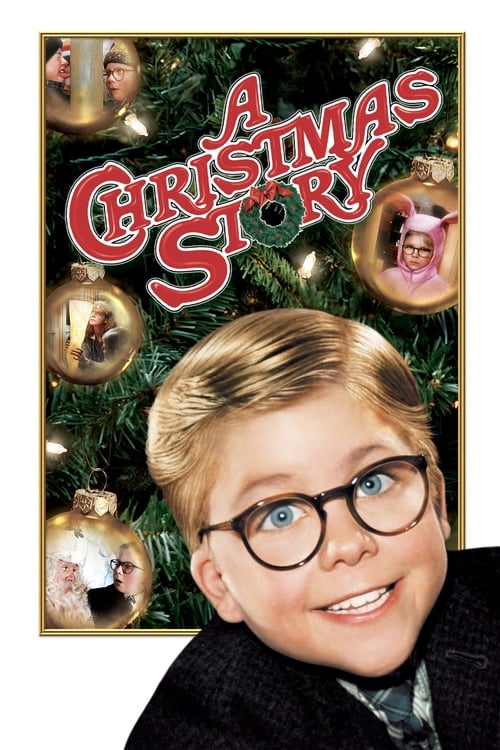
- 1983Nostalgia as genre A Christmas Story
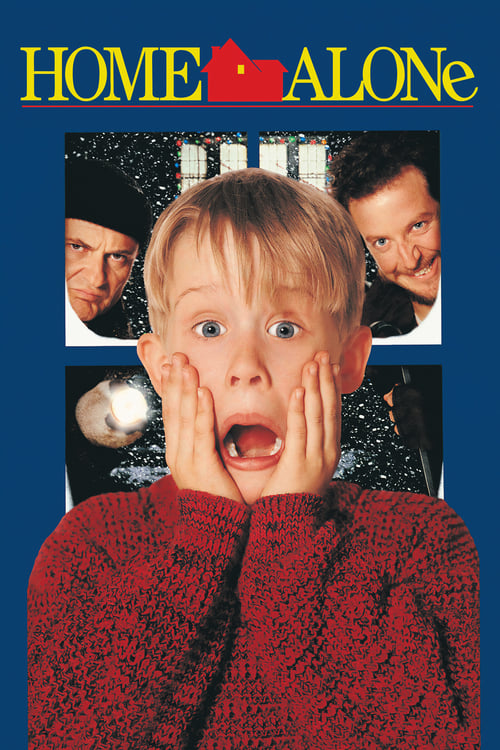
- 1990Comfort comedy goes mainstream Home Alone
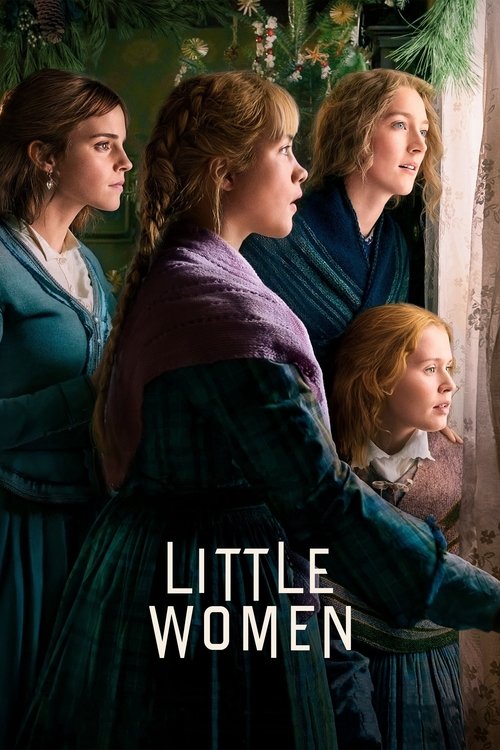
- 1994The prestige cozy arrives Little Women
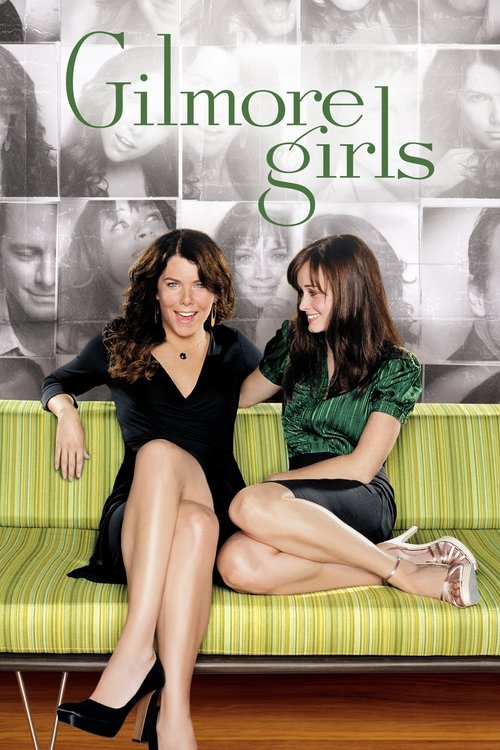
- 2000Small-town TV warmth Gilmore Girls
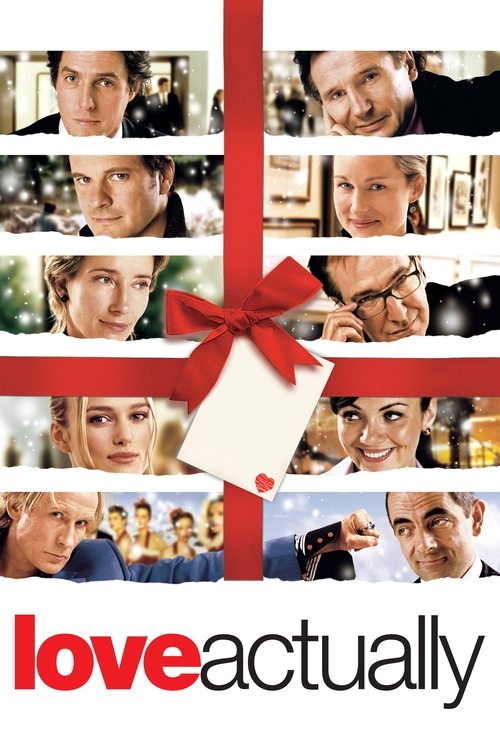
- 2003Peak romantic cozy Love Actually
- 2014The quiet comedy claims its ground Detectorists
- 2019Animation reinvents the genre Klaus
- 2020The cozy game goes mainstream Animal Crossing: New Horizons
Games for hibernation season
Low stakes, high atmosphere: games that reward patience over reflexes


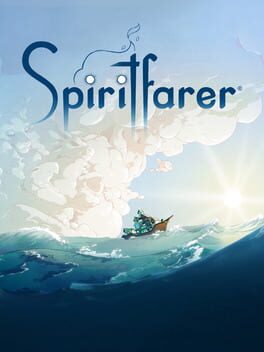

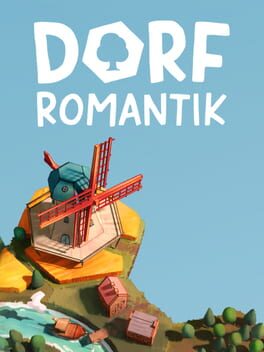
Spiritfarer is quietly devastating and you should play it in winter specifically
Spiritfarer is categorised as a cozy management game, which is accurate and also deeply insufficient. It is a game about accompanying the dying, told through boat-building and cooking and hugging. Thunder Lotus gave it the visual language of Studio Ghibli and the emotional logic of a grief memoir. Playing it in winter, when the season is already inclined toward stillness and taking stock, makes it land harder. The endings accumulate. Bring no fixed expectations about what kind of experience you are signing up for.
Books for the reading chair
Fiction that earns its place beside the lamp

![A Christmas Carol [adaptation]](https://covers.openlibrary.org/b/id/9280626-L.jpg)


A Gentleman in Moscow proves the most radical act of coziness is to find the entire world inside a single room.CrossBinge Editors
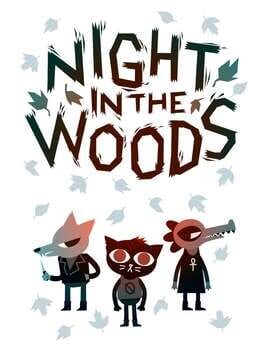
Night in the Woods earns its place in the winter canon on atmosphere alone
Night in the Woods is set in autumn edging toward winter, in a dying small town, and it concerns a college dropout who came home because she did not know where else to go. It is melancholy in a way that is companionable rather than oppressive. The pixel art and jazz-inflected score create an atmosphere specific to a certain kind of winter evening: not cheerful, not festive, just true. It understands what it feels like to be inside and not quite at ease, and it holds that feeling with real craft.
The deeper cuts worth seeking out
The works above form the obvious spine of the cozy winter canon. But the season rewards patience, and there are quieter titles that repay the effort of finding them.
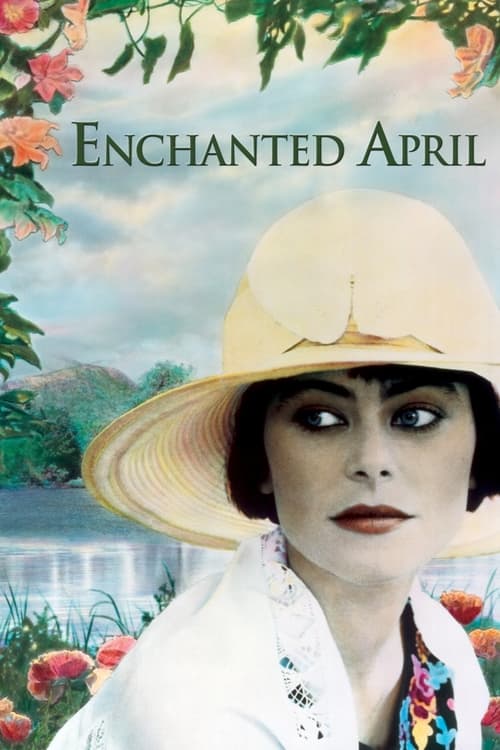
Enchanted April (1992) is among the least discussed of all comfort films, possibly because it was made for television and never got a proper theatrical life. Four women rent a medieval castle in Italy to escape grey English weather. The film is about thawing, literally and otherwise, and it does the thing that the best cozy fiction does: it makes you feel rested by the time it ends.
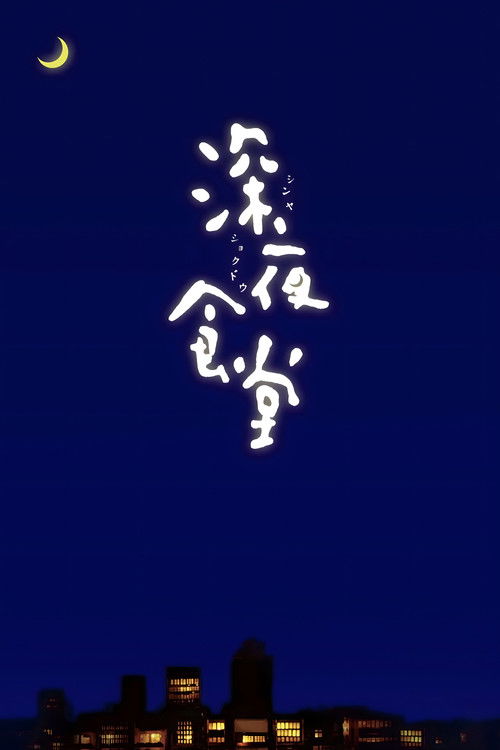
Midnight Diner, the Japanese anthology series set in a late-night Tokyo restaurant, is a masterclass in the form. Each episode is small. A character comes in, orders something, and their story unspools. The cooking is real, the sentiment is earned, and watching it at 11pm in winter is one of the better small pleasures available.
The Snow Child by Eowyn Ivey is the novel on this list most people have not read and most would love. Set in 1920s Alaska, it takes the old fairy tale of a child made from snow seriously, as magical realism rather than whimsy, and the frontier landscape is rendered with the kind of physical specificity that makes cold feel present on the page.
84, Charing Cross Road by Helene Hanff is twenty years of letters between a broke New York writer and a London antiquarian bookseller. It is short, it is funny, and it is the most persuasive argument available that books themselves are cozy objects, not just their contents.
The classics you already know you should revisit
Standards that hold up because they were built to