

The Season That Bites Back
Summer is not a backdrop. Every filmmaker, novelist, and game designer who has used it knows this: the heat is a character, the long light is a moral condition, and the closed school is a deadline with consequences. We romanticize it because we have to, because the alternative, looking at summer clear-eyed, is to see it for what it also is: the season of bad decisions made slowly, of desire with nowhere to go, of idylls that spoil faster than fruit.
The works gathered here are not all happy. Some of them are among the most unsettling things their medium has produced. But they share a quality of thereness, of being fully, physically located in summer the way that only the best seasonal art manages. You can feel the sunburn. You can smell the sunscreen and the low-tide rot. That is the standard. That is the canon.
The heat as a weapon
Films where summer is the antagonist as much as anything on screen
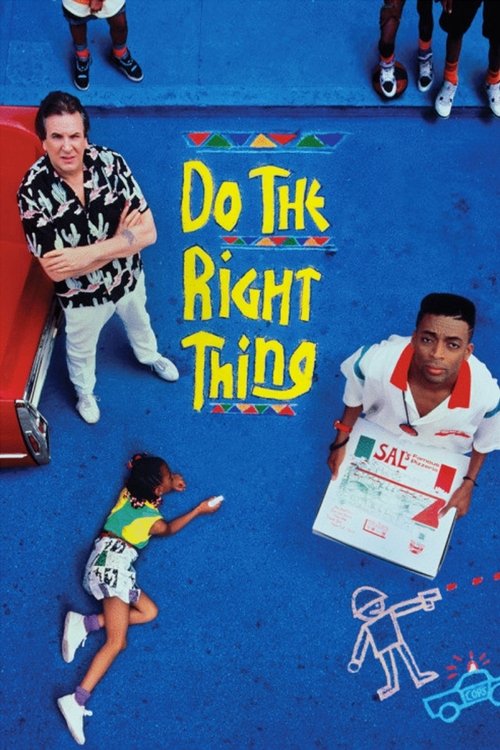



Do the Right Thing is the definitive summer film, full stop
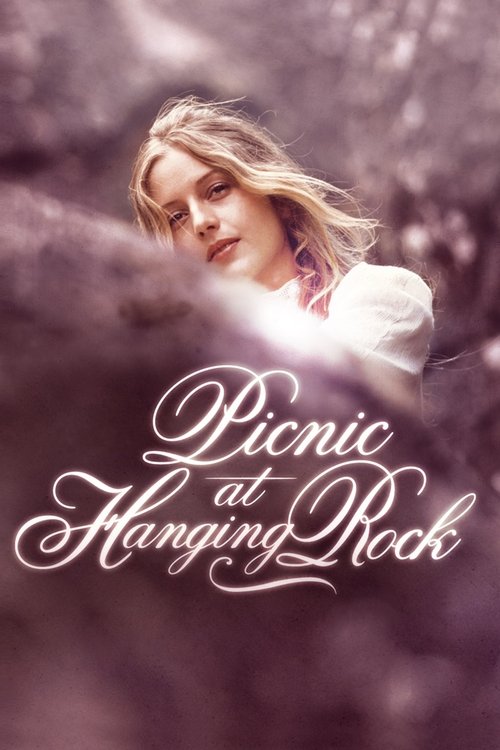
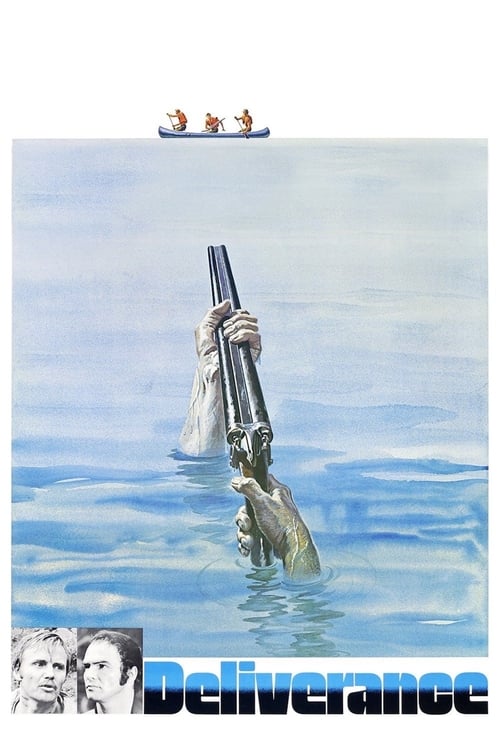
Spike Lee shot his 1989 film on a real block in Bedford-Stuyvesant over a real summer, and the result is the most physically hot film ever made, a work where you understand why someone might lose their mind before the plot requires it. Every other contender for the crown, Picnic at Hanging Rock, The Virgin Suicides, even Deliverance, uses summer atmospherically. Lee uses it causally. The heat does not merely color the film. It explains it.
Summer on television
The shows that understood what school's out actually costs
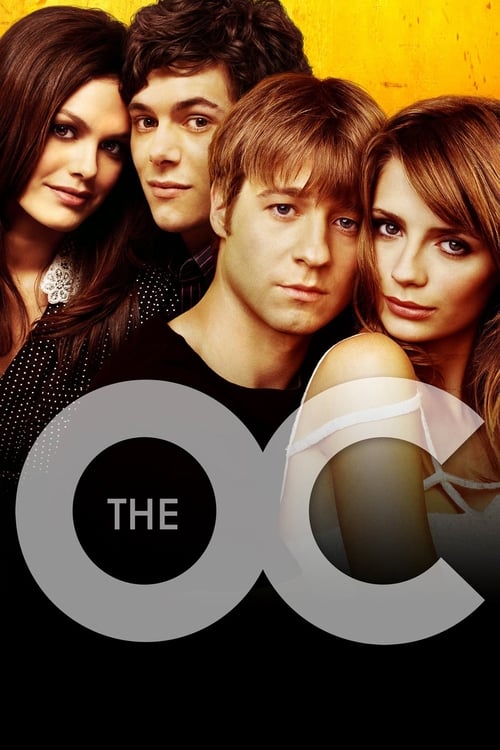

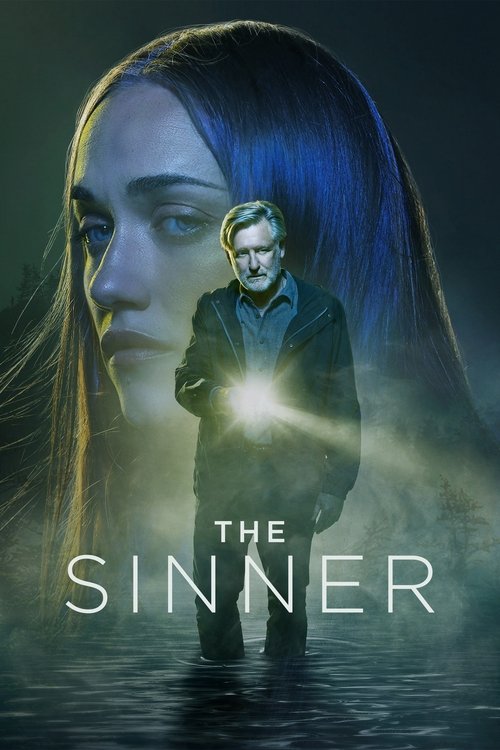
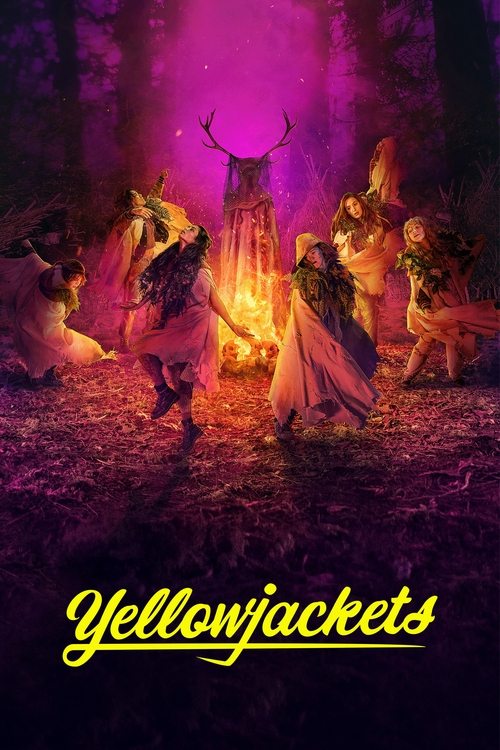
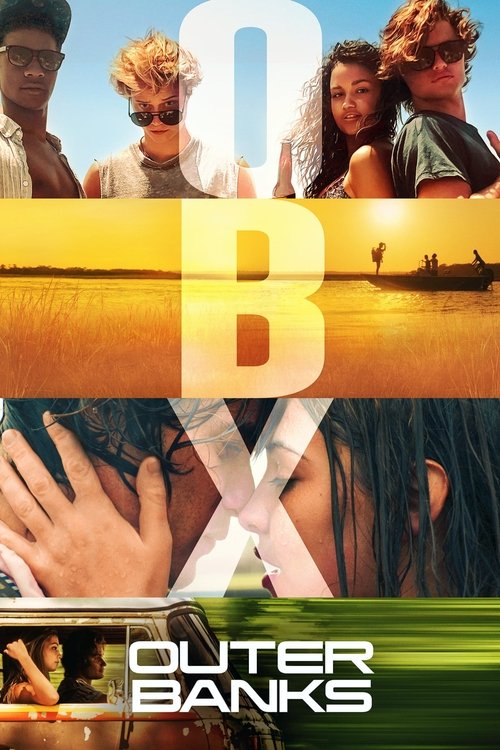
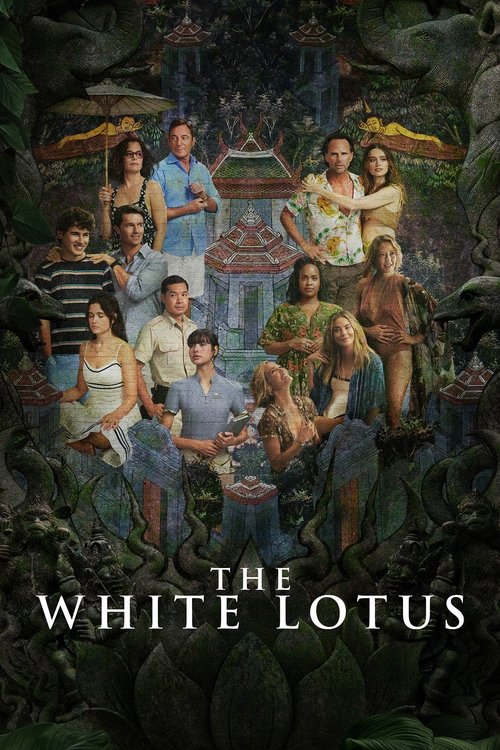
Sharp Objects earned its humid dread. The White Lotus squandered its location.
Sharp Objects is the rarer thing: a summer show that understands small-town heat as a form of psychic pressure, where the humidity is inseparable from repression, and Jean-Marc Vallee's direction trusts the air-conditioning to do as much work as the dialogue. The White Lotus, for all its sharpness about class, is finally a show set in summer rather than of it. Move the second season to January and you lose almost nothing. That distinction matters.
The blockbuster summer
Films that invented or perfected the very idea of the summer movie
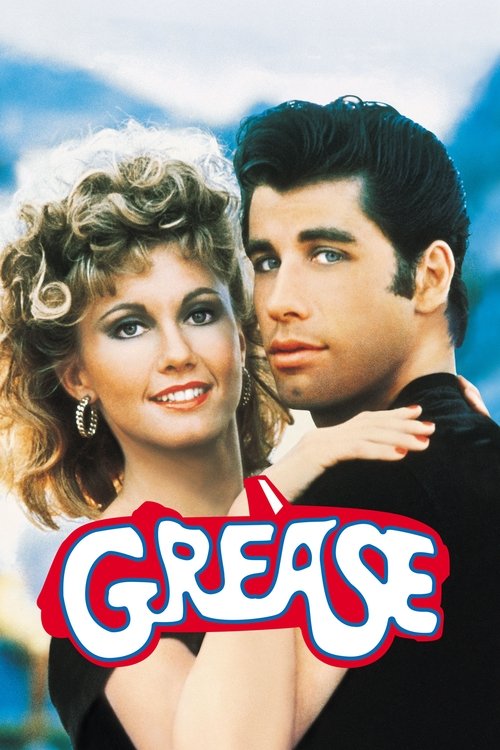
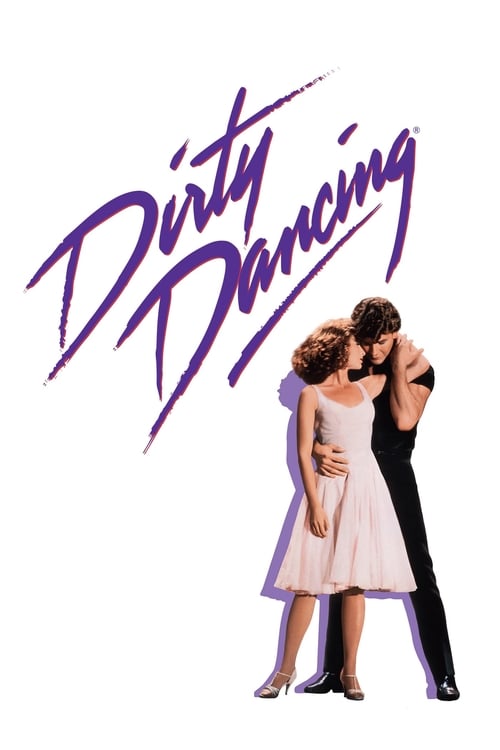
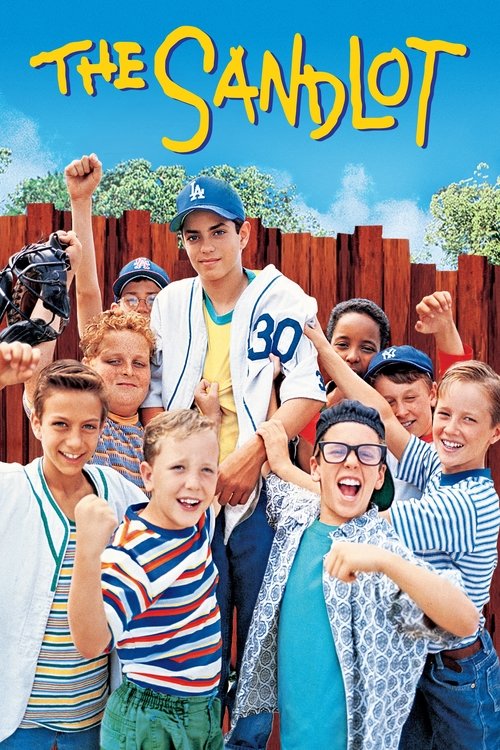
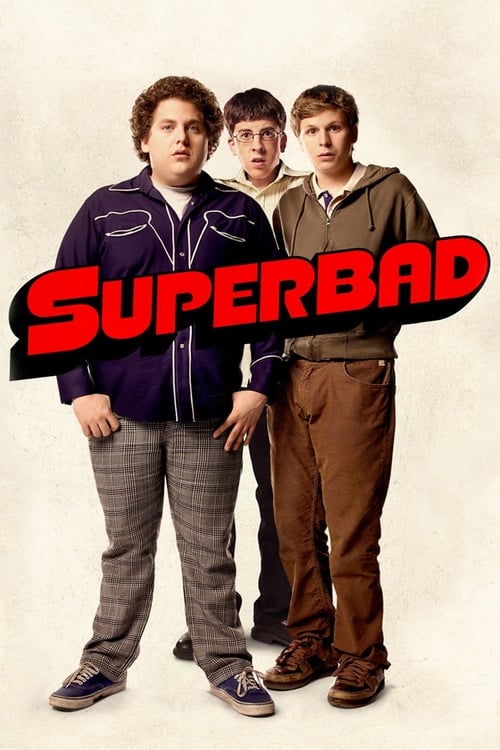
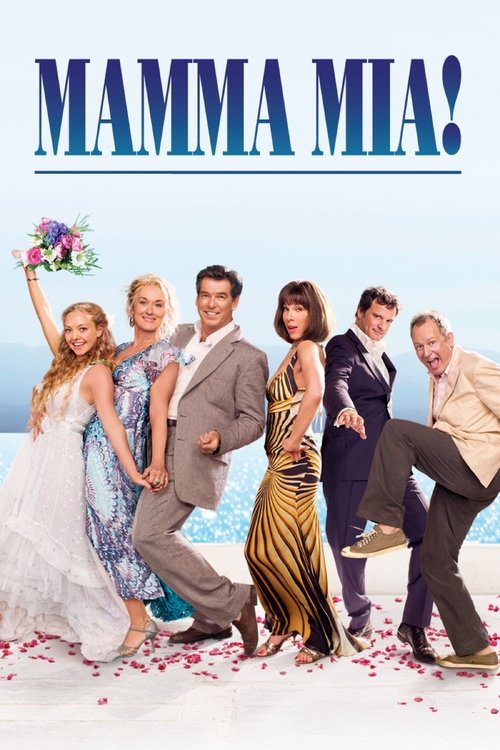

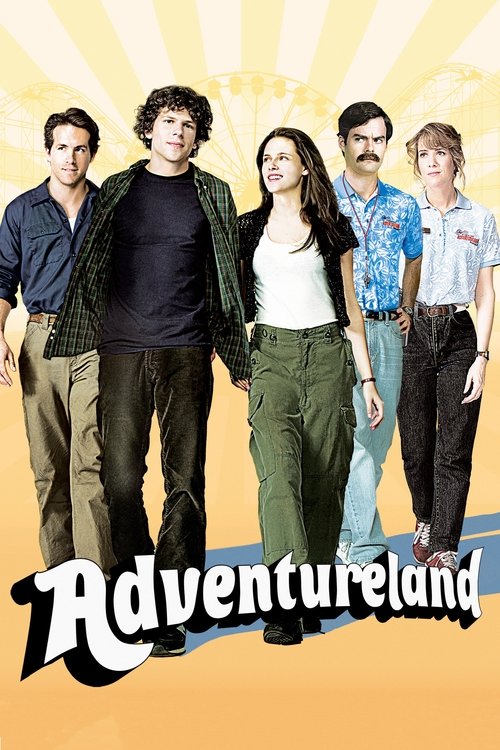
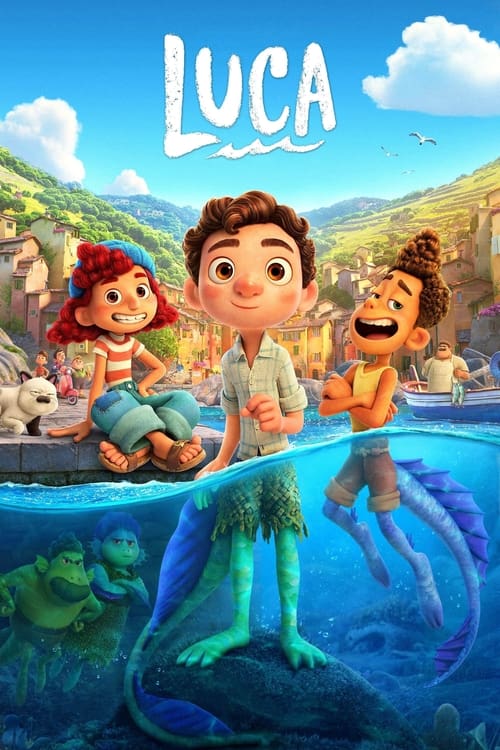
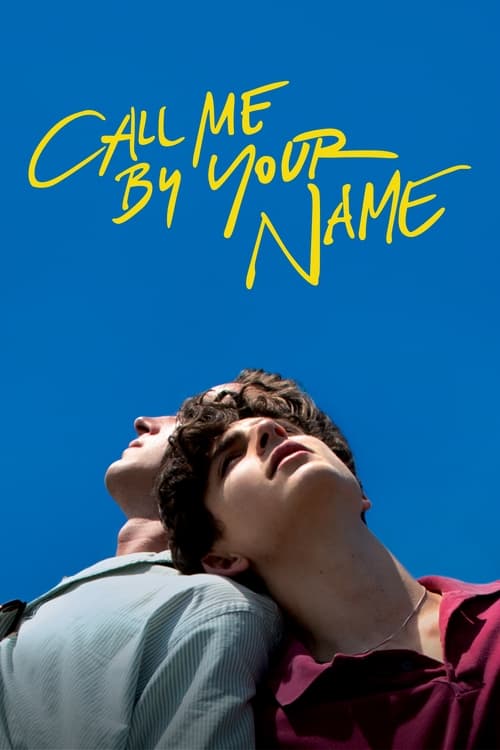
A short history of cinema discovering summer
- 1953From Here to Eternity normalizes beach desire as adult drama From Here to Eternity
- 1963American International Pictures launches the beach party genre Beach Party
- 1971The Go-Between wins the Palme d'Or: summer as a crucible for class tragedy The Go-Between
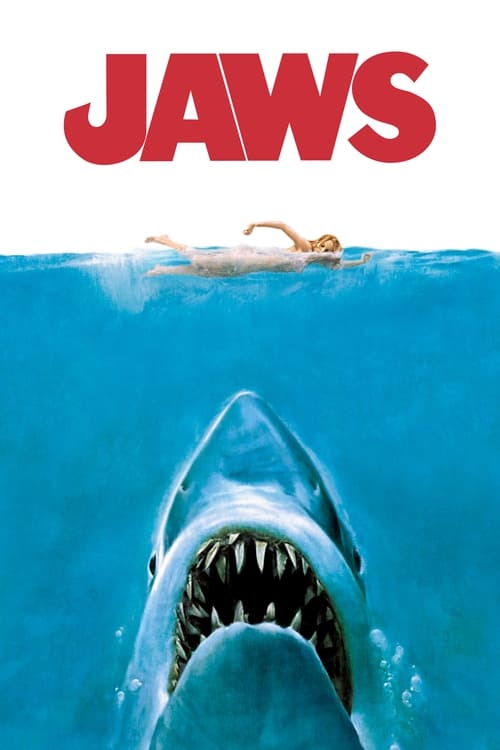
- 1975Jaws invents the summer blockbuster and ruins the beach simultaneously Jaws
- 1984Ghostbusters, Gremlins, Indiana Jones: the summer season becomes its own genre Ghostbusters
- 1989Do the Right Thing makes summer political, moral, inescapable Do the Right Thing
- 1995Kids and Clueless arrive the same month: the gulf between New York teens and LA teens is total Kids
- 2007Superbad codifies the last-night-of-summer teen film for a generation Superbad
- 2017Call Me by Your Name makes northern Italian summer a new kind of ache Call Me by Your Name
- 2021Luca proves animation has been the truest summer medium all along Luca
On the page: summer novels that endure
Books where the season is load-bearing structure, not decoration


Lolita belongs on this list and critics who refuse it are being dishonest
No novel captures American summer motels, American highways, and American self-deception under blazing sun more exactly than Nabokov's Lolita. Its narrator is a monster and Nabokov never lets you forget it, but the physical world he renders, the roadside Americana, the succession of identical rooms and identical diners, is the most precise summer travel writing in the language. Refusing to include it in a summer canon because of its subject is refusing to look at the object clearly. The book is a prosecution dressed as a confession.
Swap in Tove Jansson's The Summer Book as the antidote: a Finnish grandmother and her granddaughter on a small island, no plot to speak of, nothing but the particular quality of northern light and the way a summer can hold an entire life. Two books that could not be more different, both absolutely of the season.
Games that live in summer
From sun-soaked open worlds to the particular dread of a holiday gone wrong

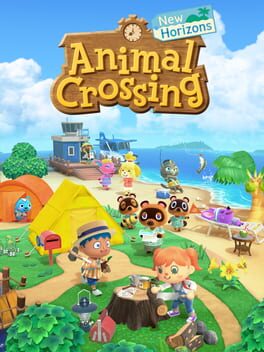
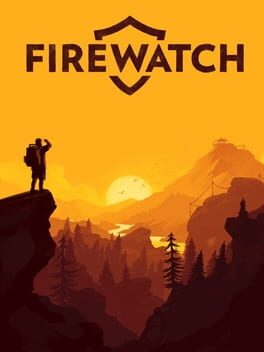
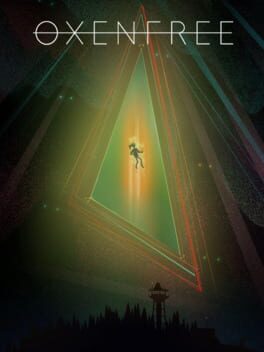

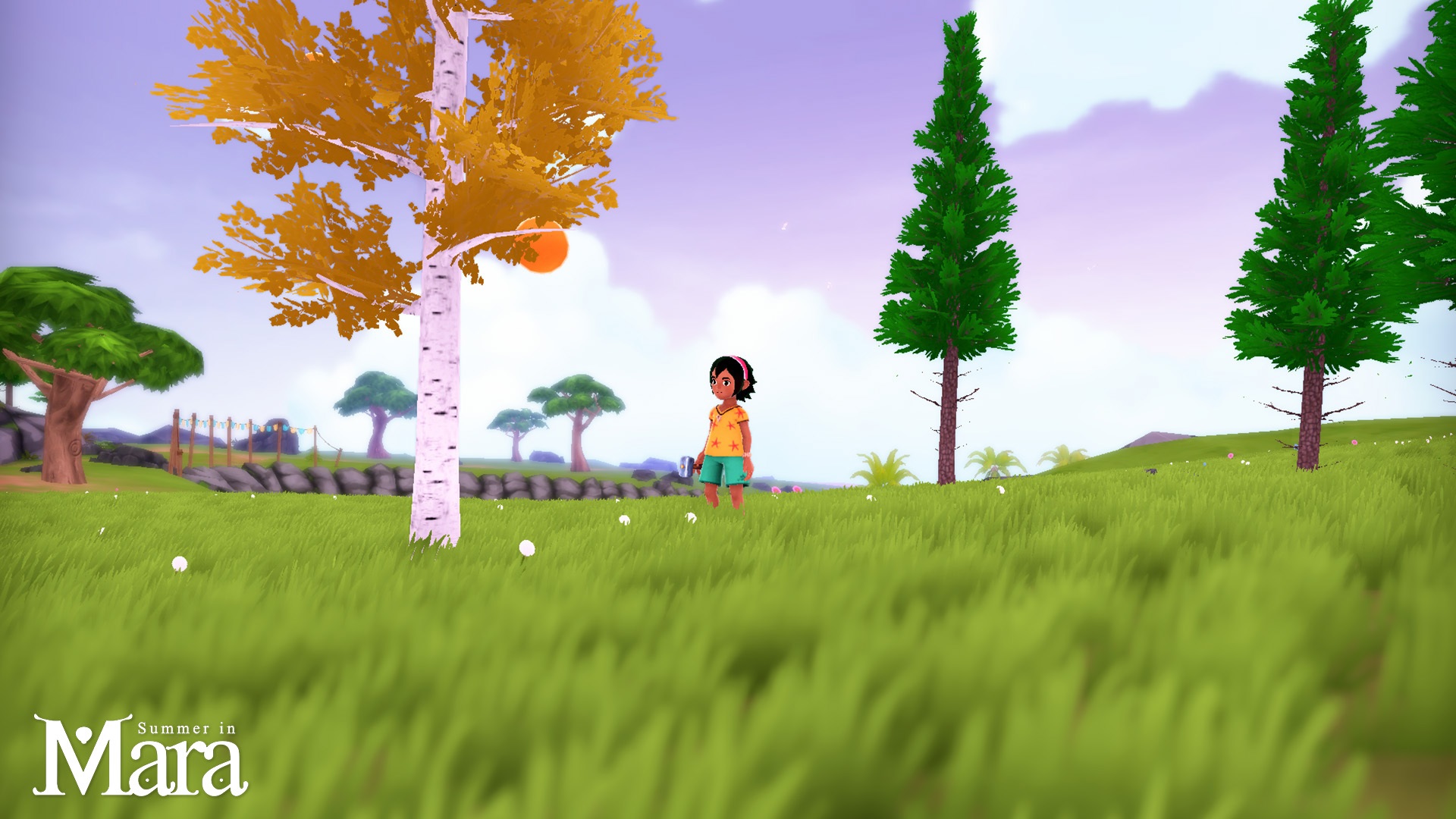
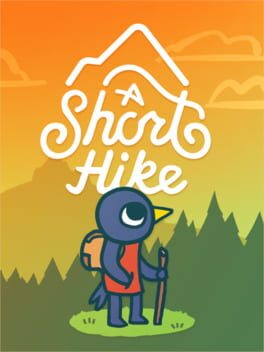

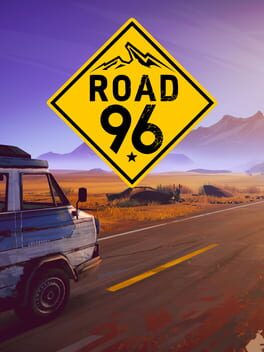

Persona 4 is the best summer the medium has ever built
The structure of Persona 4 is the structure of a summer break: you arrive, you make friends, and then you face a countdown to when it all ends. Atlus understood something that most games miss, that summer's emotional power comes from its temporariness, that every long golden afternoon is one fewer you have left. The rural Inaba setting, all rice fields and a single department store, achieves what most scenic open worlds cannot: a specific, credible sense of place that makes the fantasy feel grounded.
Firewatch gets at something adjacent from a very different angle. One summer, one canyon, one slowly fraying radio conversation. The Wyoming wilderness is rendered with the same care Atlus gave to Inaba, and the game understands that summer isolation is its own kind of pressure. Both titles treat the season as a container with a fixed volume. What you put in it is what you get back.
Summer is the season where the gap between what you wanted and what you got becomes undeniable. Great summer art lives in that gap.CrossBinge Editorial
The darker register
Summer as pressure cooker: horror, crime, and slow-burn dread across all media
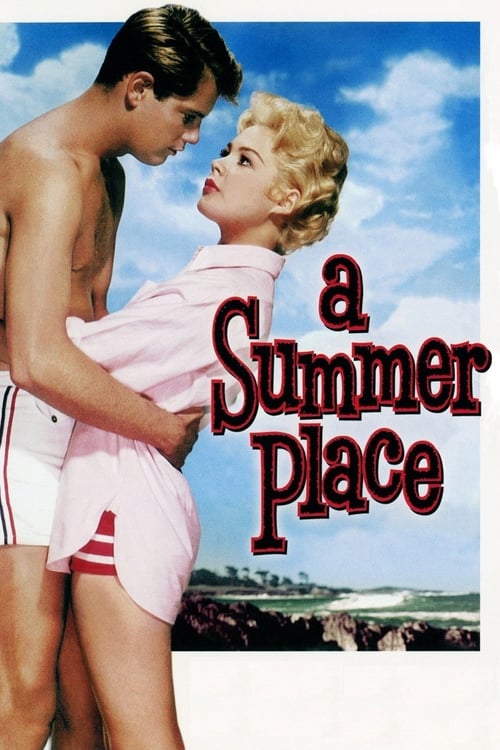
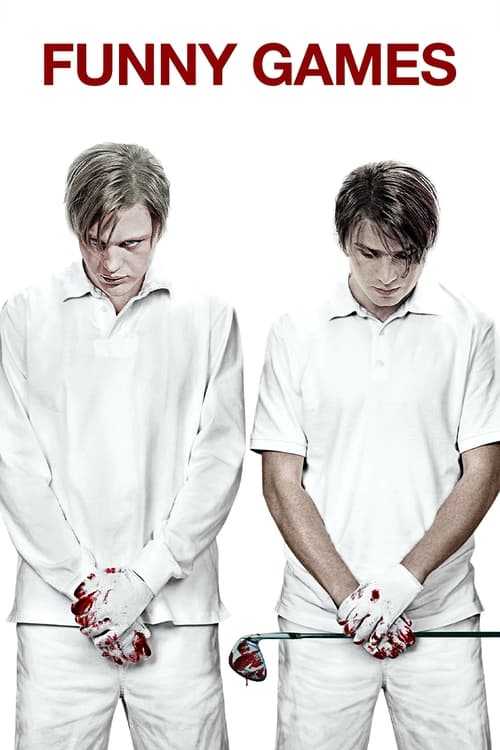



What Summer Asks of You
The works on these pages do not ask you to enjoy summer. Several of them are actively hostile to the idea. What they share is honesty about the season's true nature: abundant and brutal, nostalgic and suffocating, a time when the ordinary rules of temperature and light are suspended, and human behavior follows suit.
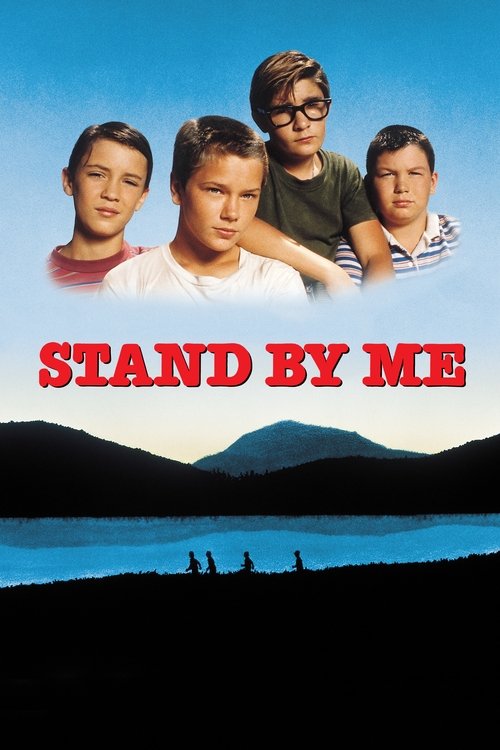
The best of them, Stand by Me, Atonement, Persona 4, Firewatch, understand that summer is always retrospective. You are never quite fully in it; you are already beginning to remember it, already measuring what it cost. That bittersweet double-exposure is the thing great summer art captures, and why the season, more than any other, returns so reliably to the same themes: youth ending, knowledge arriving too soon, the particular grief of a good thing finishing.