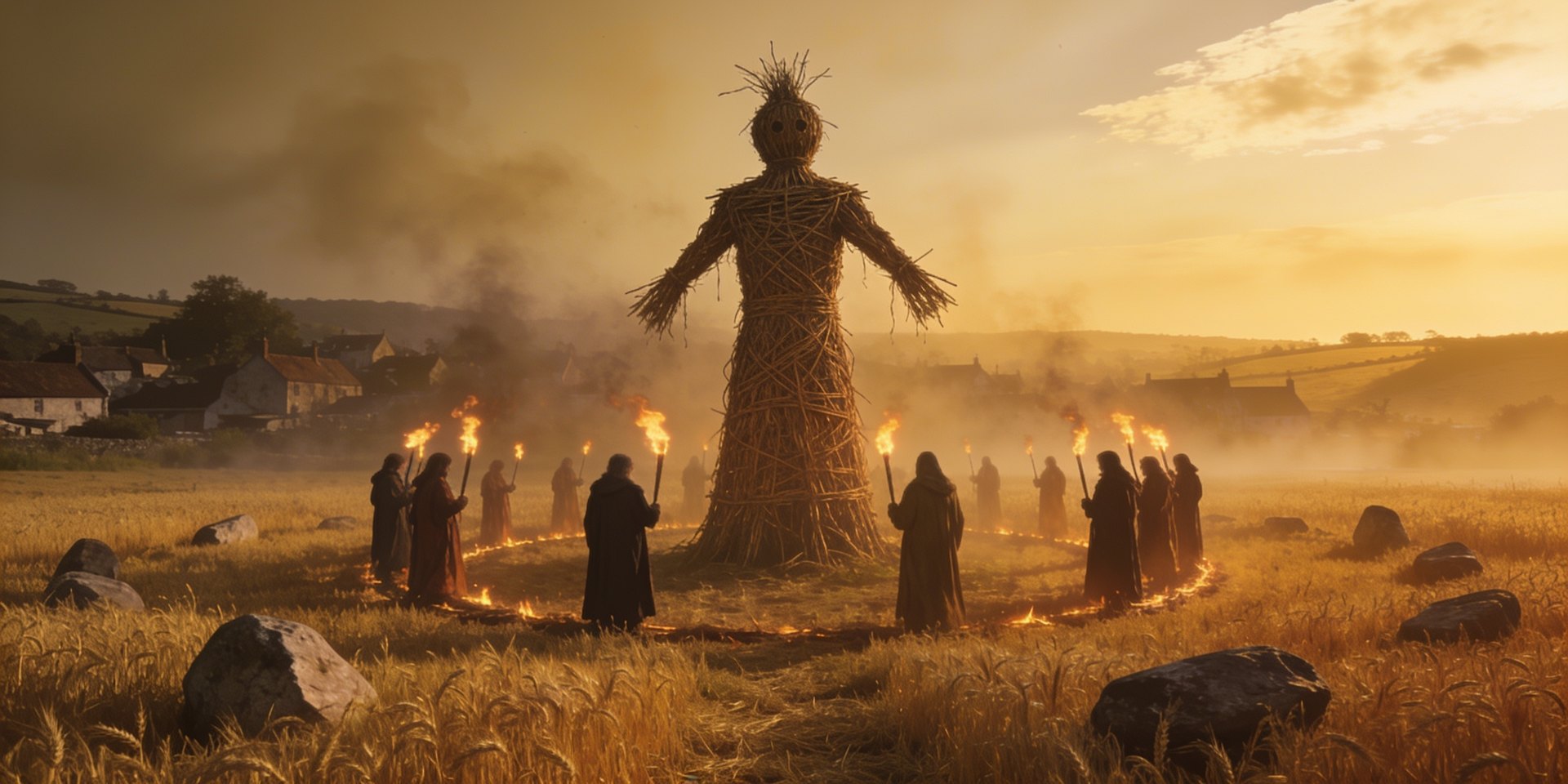

Folk horror is the fear that the modern world is a thin coat of paint over something much older and hungrier. It strands an outsider, usually a smug, rational one, in an isolated community, and lets the land and its rituals slowly close around them. There are rarely monsters. The horror is people, soil and tradition, the unsettling certainty that the village has its own logic and you are not part of it. The harvest must come in, and the harvest has a price.
From a sun-drenched Swedish meadow to a windswept British island, the genre's power is that it never feels invented. It feels remembered.
Essential Folk Horror
Rural dread, pagan rites, and old gods that never left the land. From the ur-text to the modern revival.

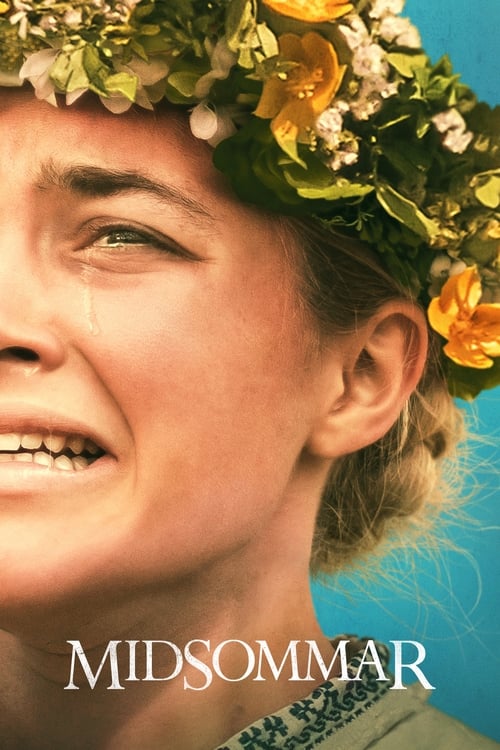
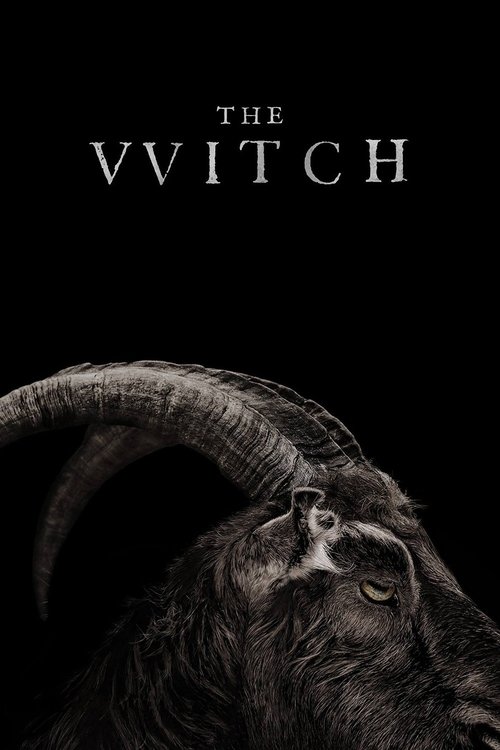
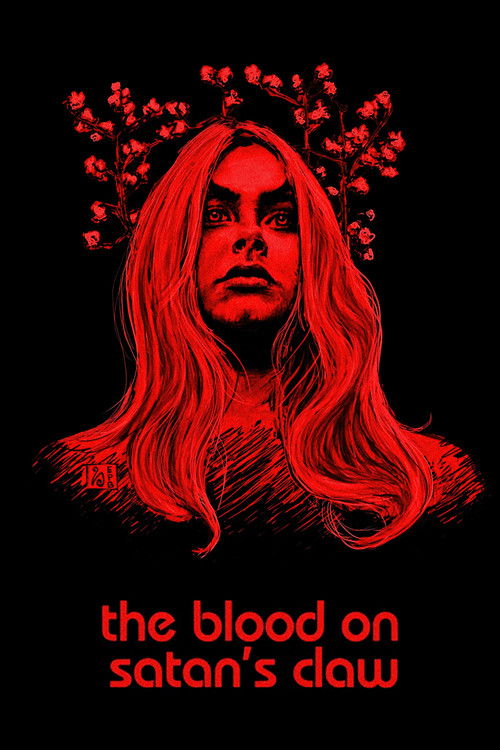

The old ways never left
The genre's masterstroke is daylight. The Wicker Man and Midsommar commit their atrocities in glorious sunshine, among smiling, hospitable people, which is far more frightening than any dark cellar. The horror is not that the old gods are real. It is that the community never stopped believing, and they have been waiting for you.
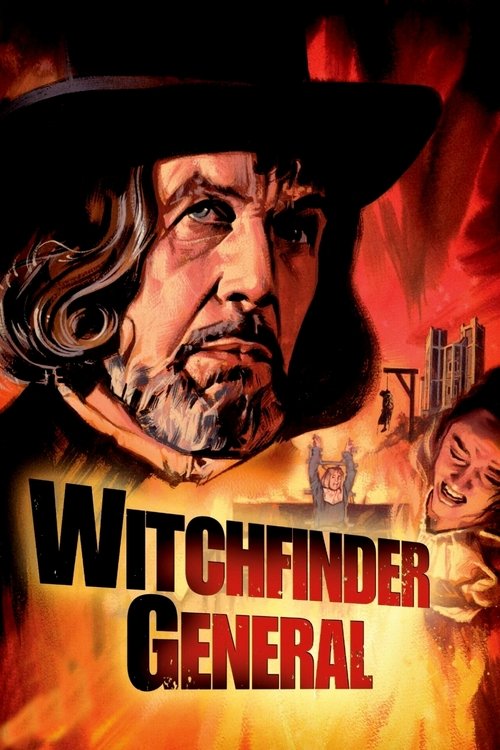
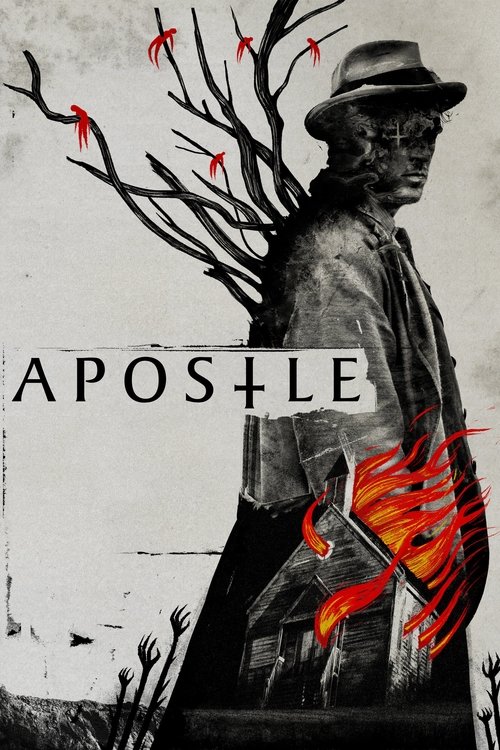
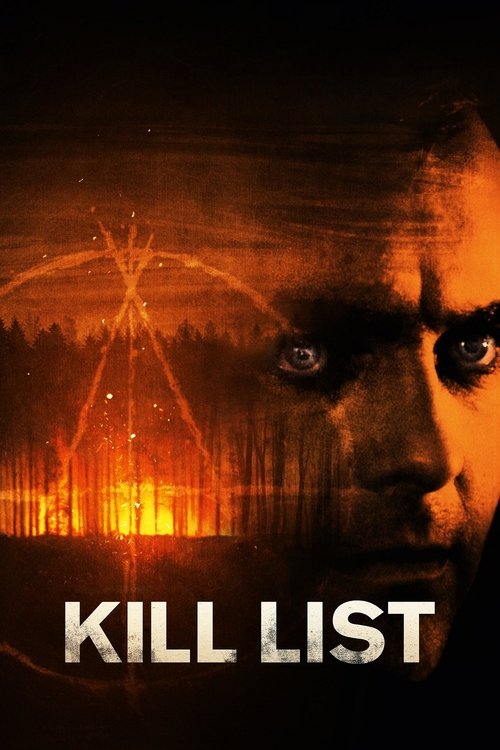
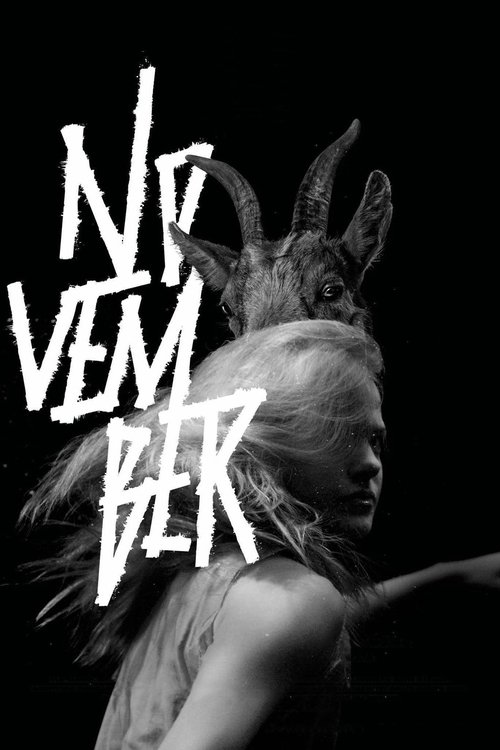
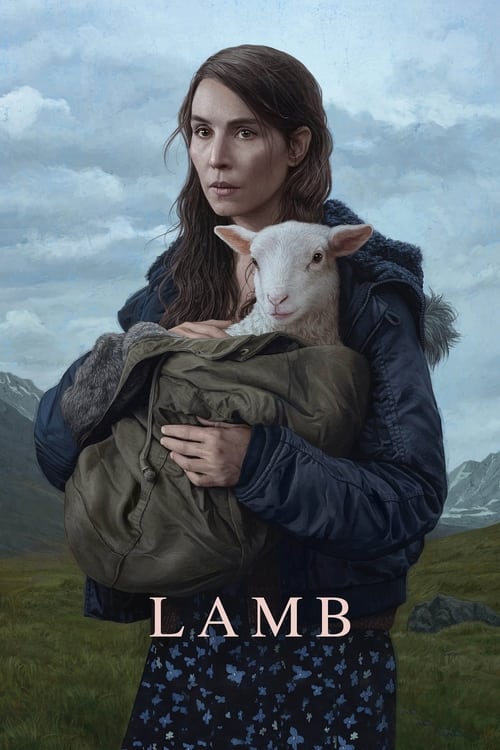
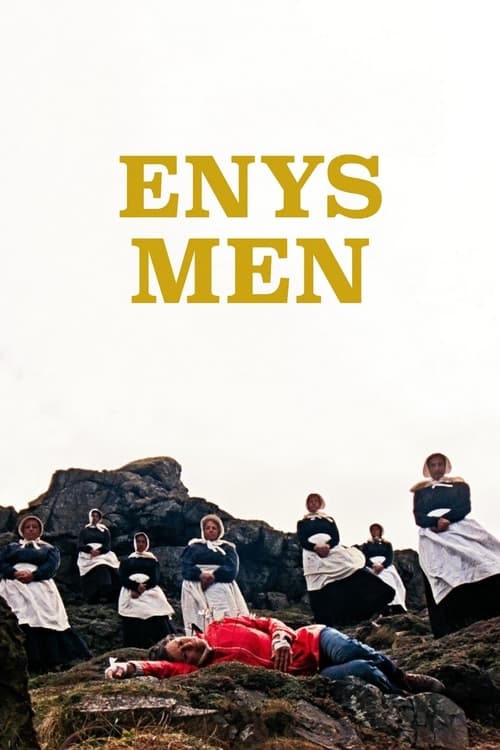
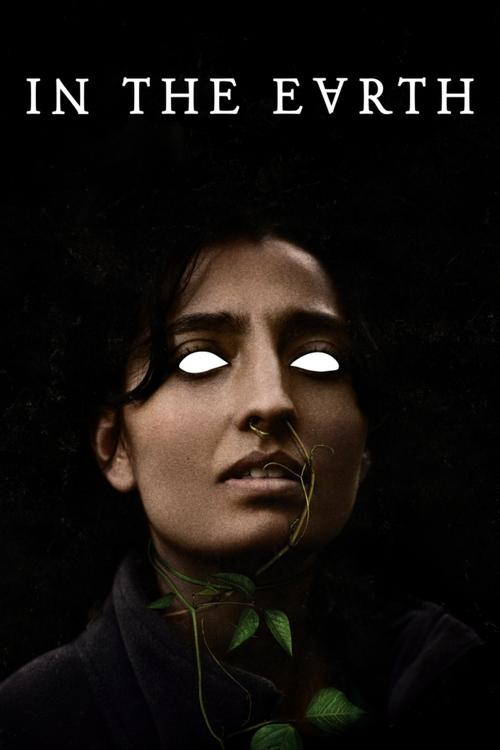
The old ways: folk-horror cinema
Isolated communities, harvest sacrifice, and the slow creep of the pagan past.
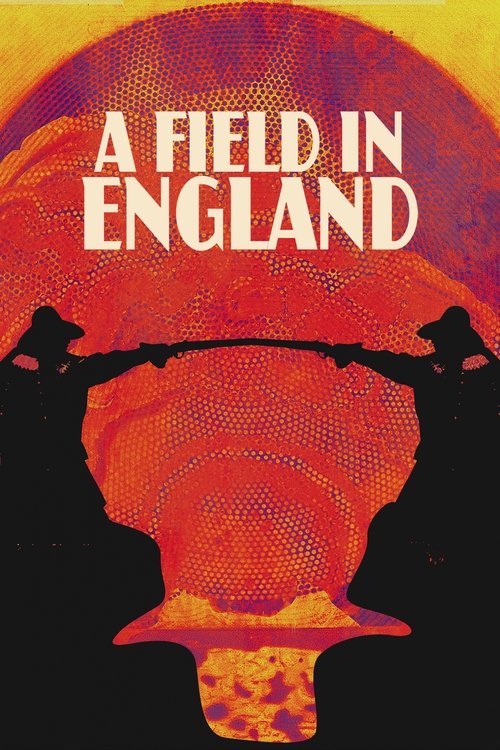
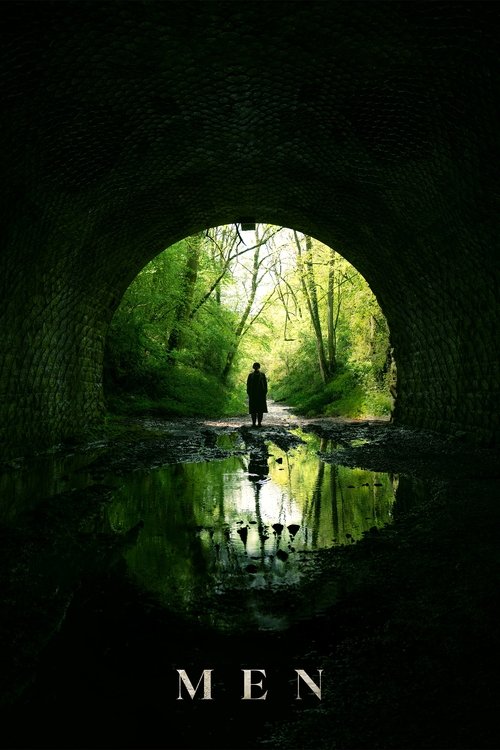
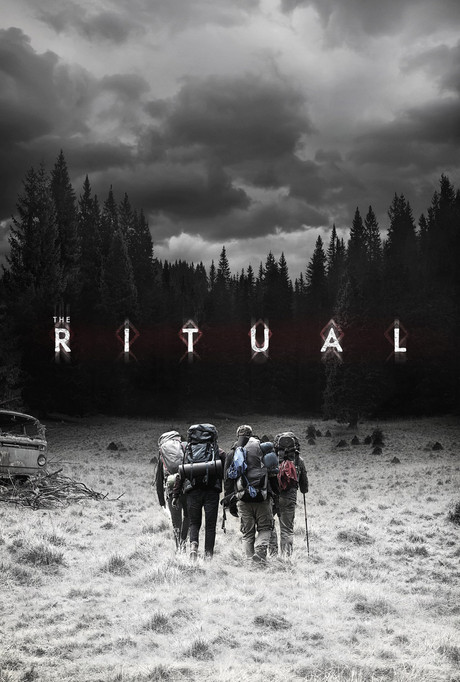
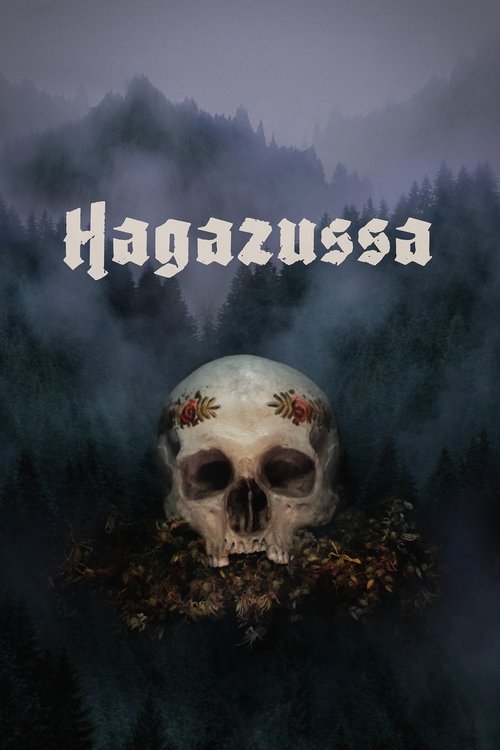
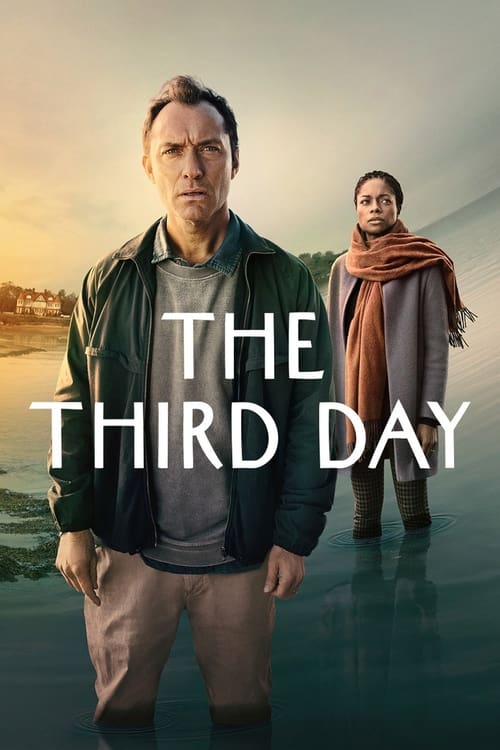
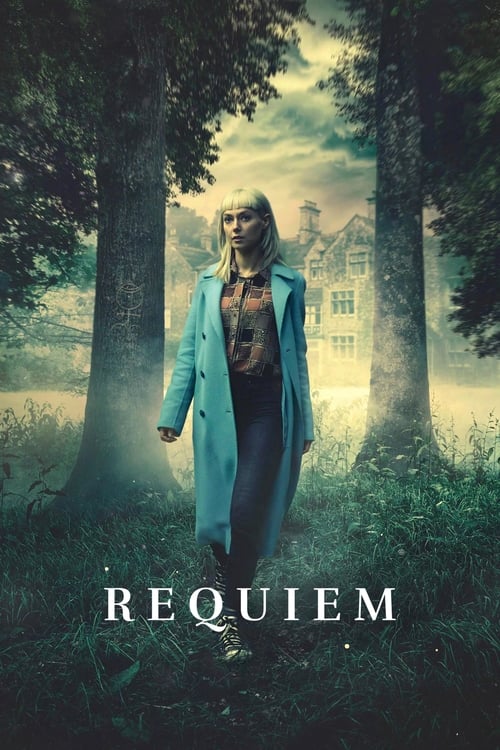
Rural dread on TV
When the village keeps its secrets across a full season.
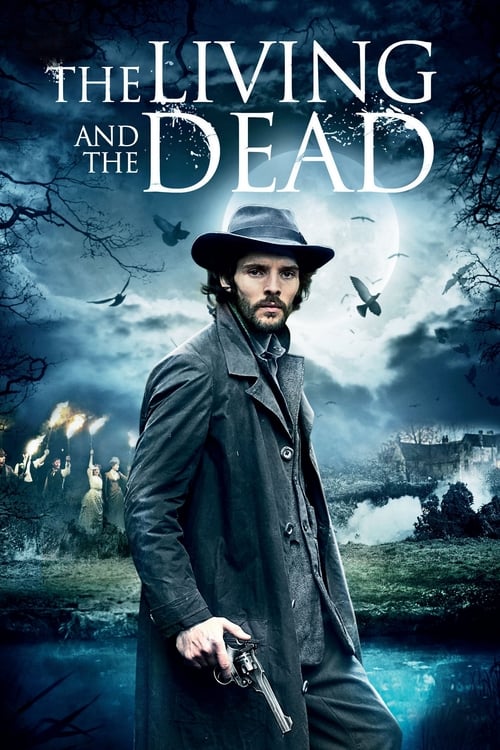
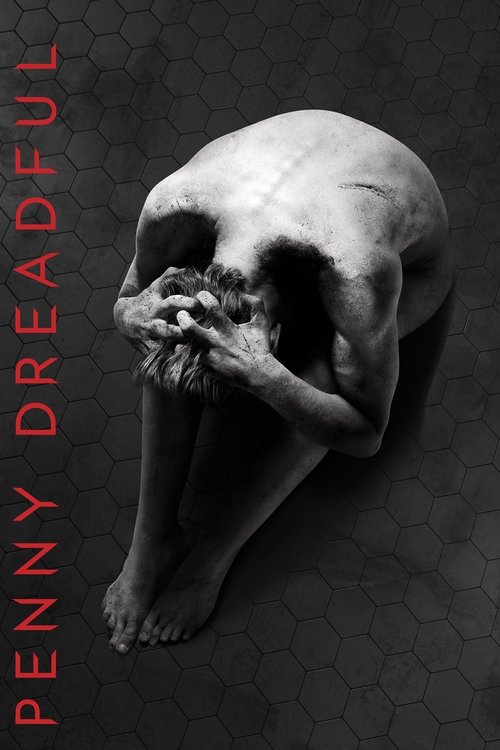
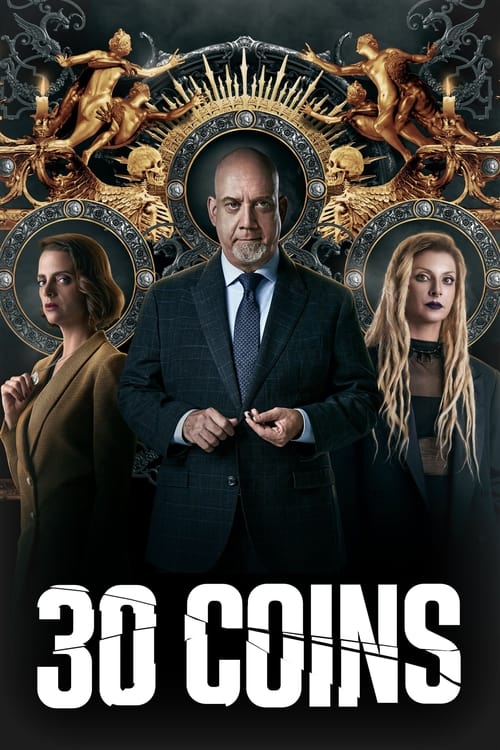
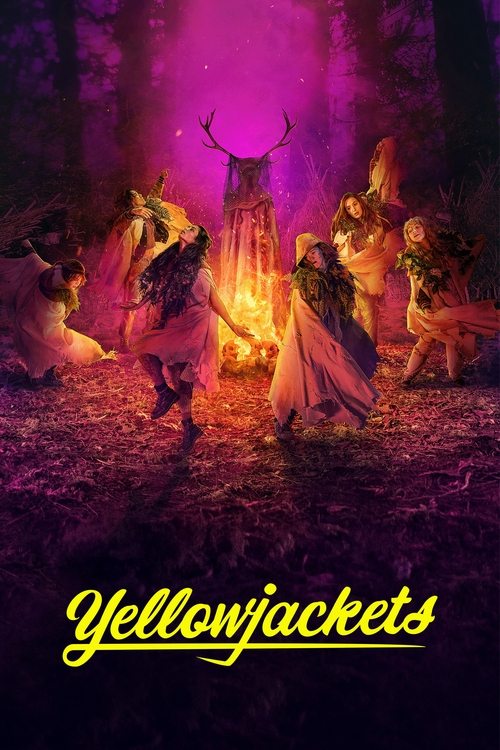
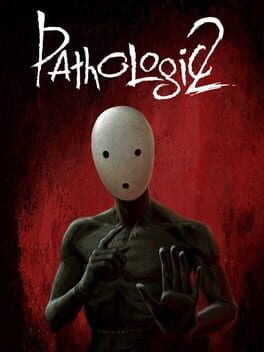
Games carry the dread beautifully, dropping you alone into a cursed Alpine valley or a witch-haunted wood where the folklore is the threat and the only map is superstition.
Step into the village
Folk horror you play: Alpine curses, witch-haunted woods, and plague-stricken towns.
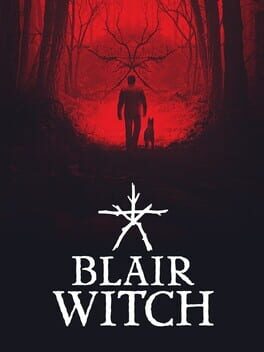
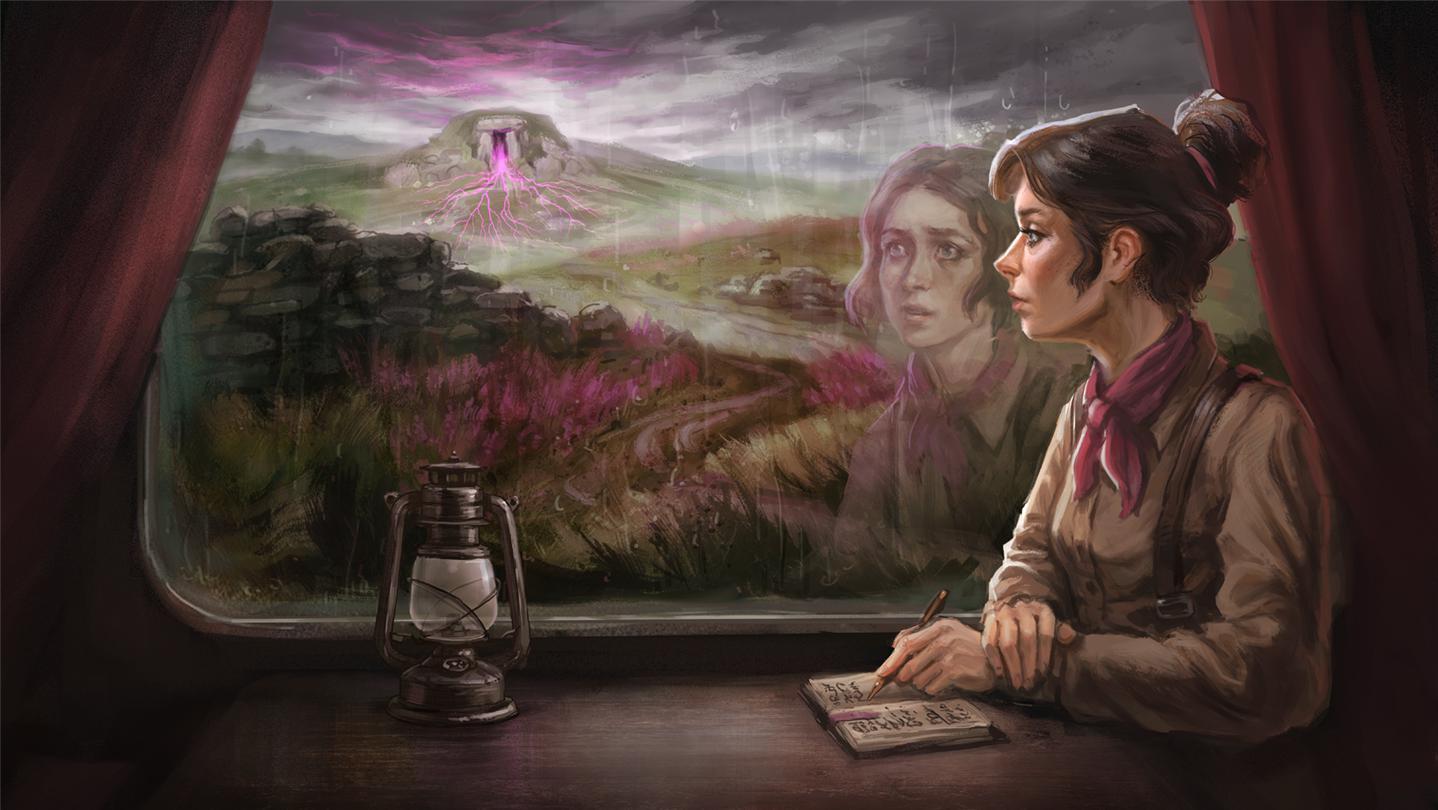
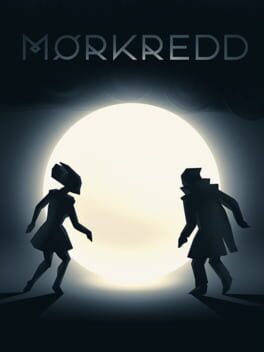
Folk horror is, sadly, the genre our catalog is thinnest on for books, but its roots are deeply literary, and the screen and the controller carry the torch.
More dread from the old ways
Cults & True Believers
Explore the Cults & True Believers guide →Folk horror's deepest fear is not the supernatural. It is community: the discovery that the smiling village has its own ancient logic, and you were never going to be allowed to leave.