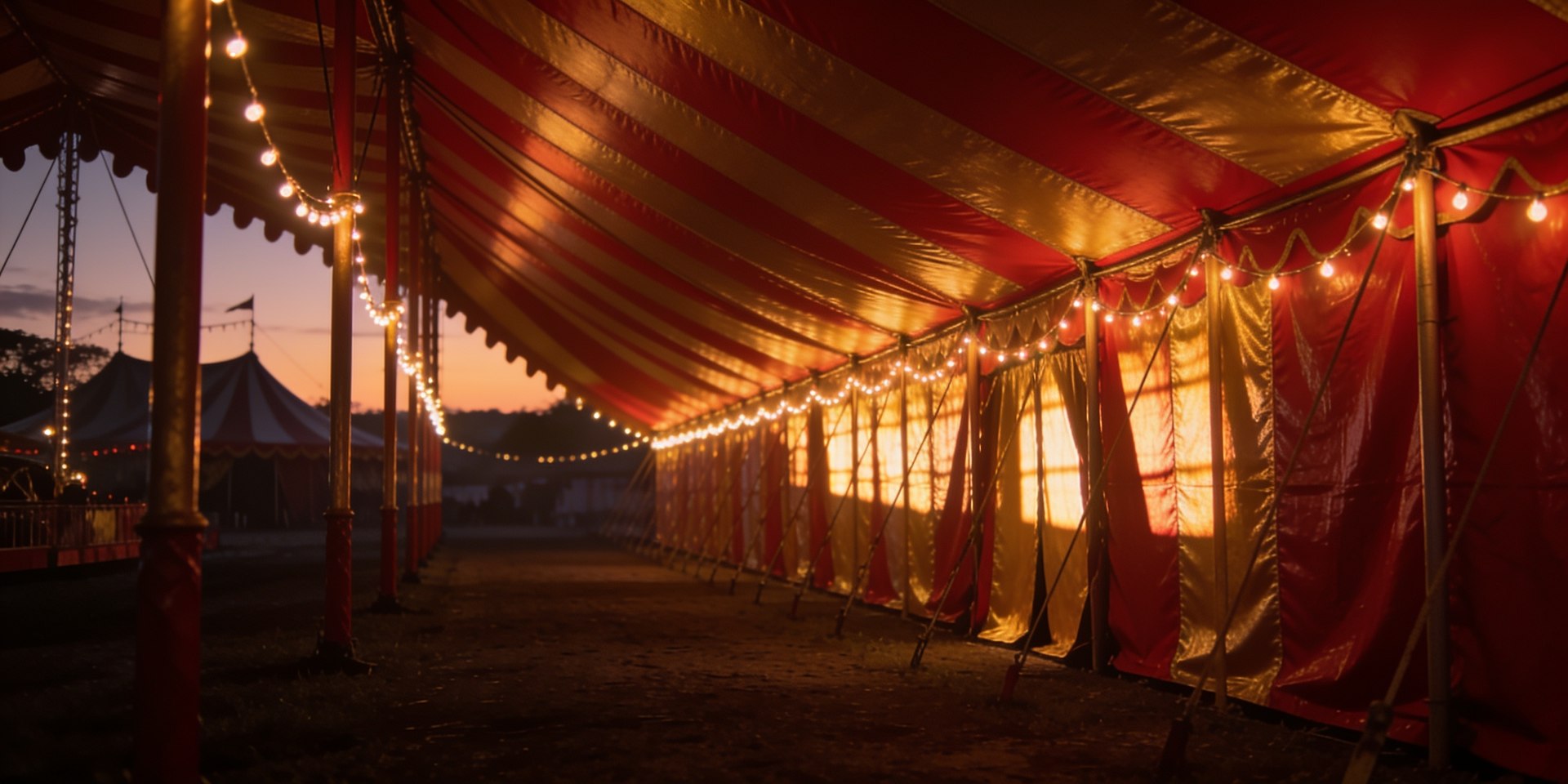

The circus is one of the oldest storytelling arenas we have. Before movies, before television, before any of the things we call entertainment, people paid to file under canvas and watch someone risk their life for their amusement. That is still the bargain, even now that the real circus has mostly retreated to nostalgia. The big top gives stories something that almost no other setting can: a contained world, ruled by its own logic, populated by performers who live in the space between the ordinary and the impossible, and lit in a way that makes everything look both magical and slightly sinister.
The best circus and carnival stories know that the tent is a mirror. The freaks are us. The showman is anyone who has ever sold something they could not quite deliver. The sawdust floor and the fairy lights and the animal smell all serve one purpose: to strip away the daily world and replace it with one where the stakes are higher and the rules are different. That is the oldest promise of the show.
Essential circus stories
The canon, across every screen and page
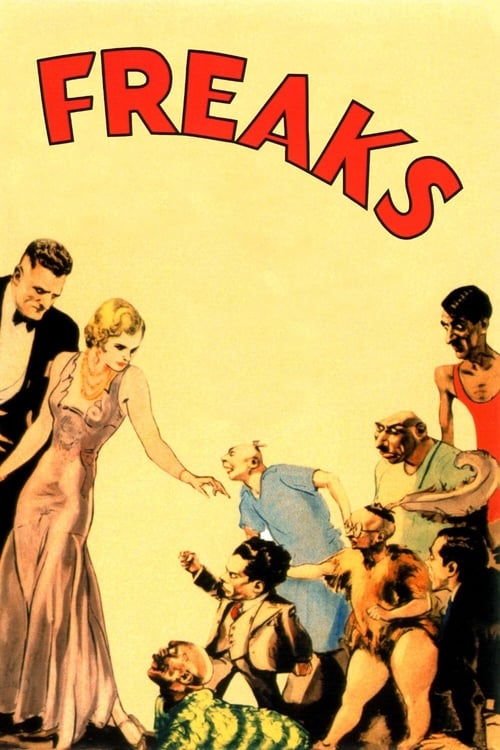
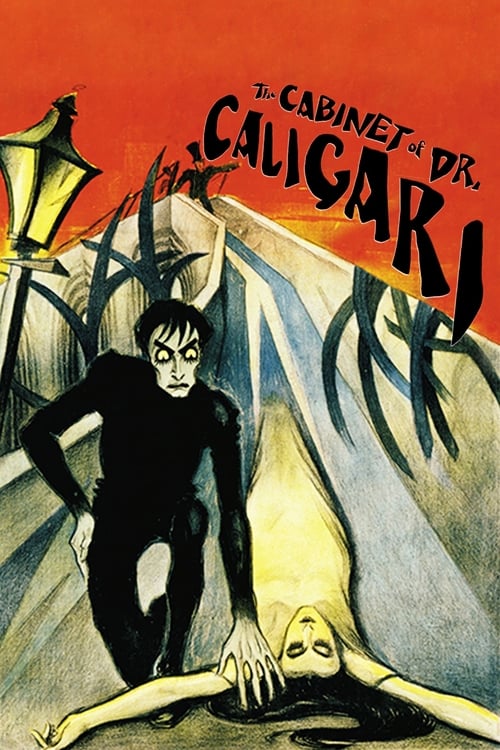


Tod Browning's 'Freaks' remains the most radical film ever made in a circus setting
Freaks (1932) broke MGM's contract system and nearly ended Browning's career. It was banned in the UK for thirty years. None of that should surprise you once you understand what the film actually does: it sides, fully and without flinching, with the sideshow performers against the normals. The film's famous closing sequence, in which the circus's "freaks" exact their revenge on a trapeze artist who has humiliated one of their own, has been read as horror ever since. Browning meant it as justice. That gap between what he intended and how audiences received it says something important about who the real freaks were.
Classic circus on film
The golden era of the big top on screen
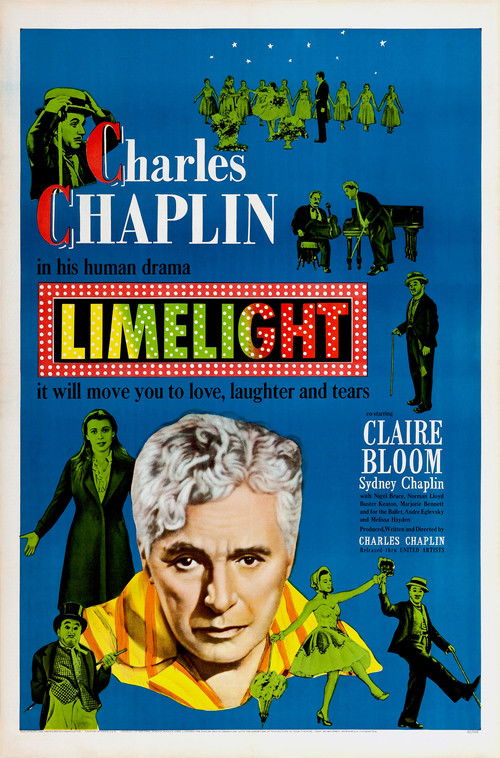
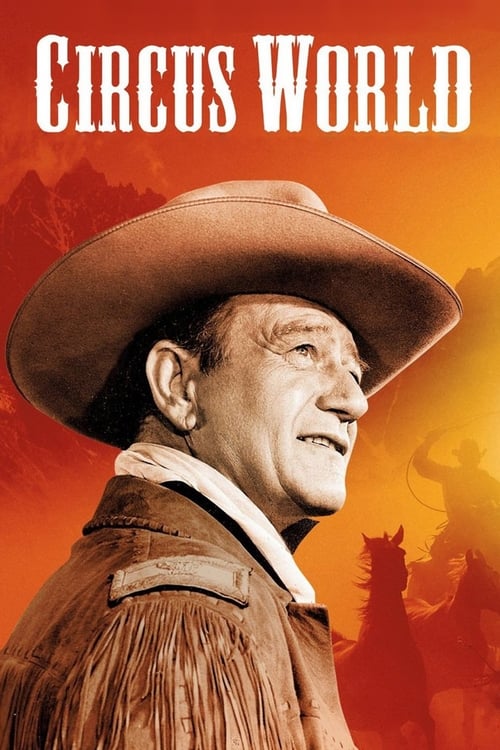
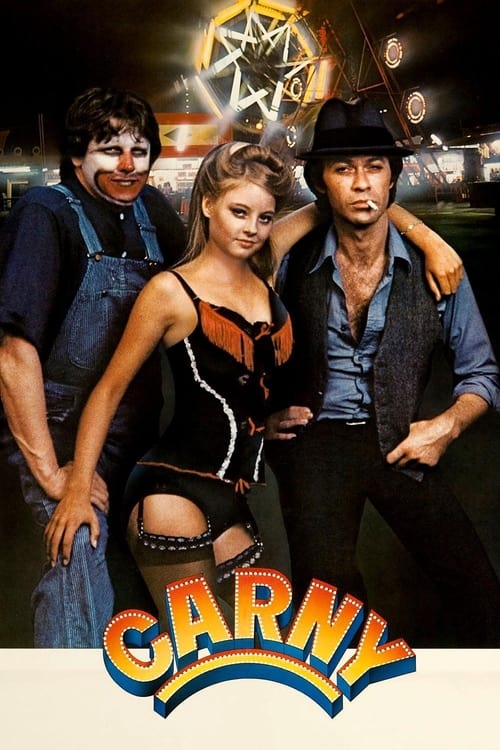
The darkness behind the lights
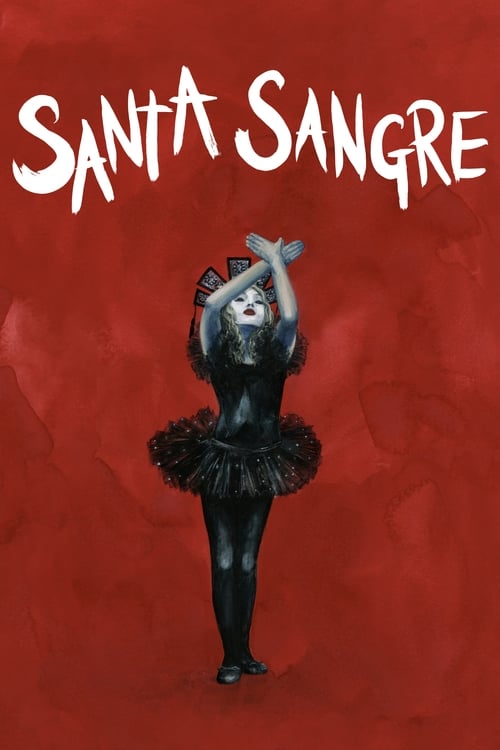
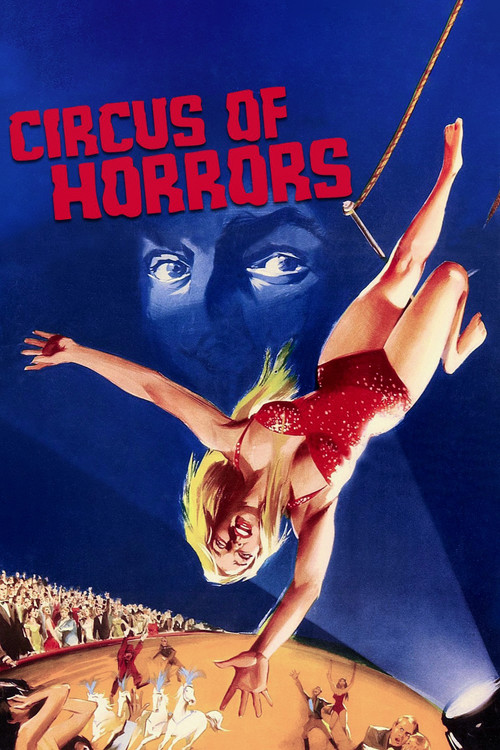
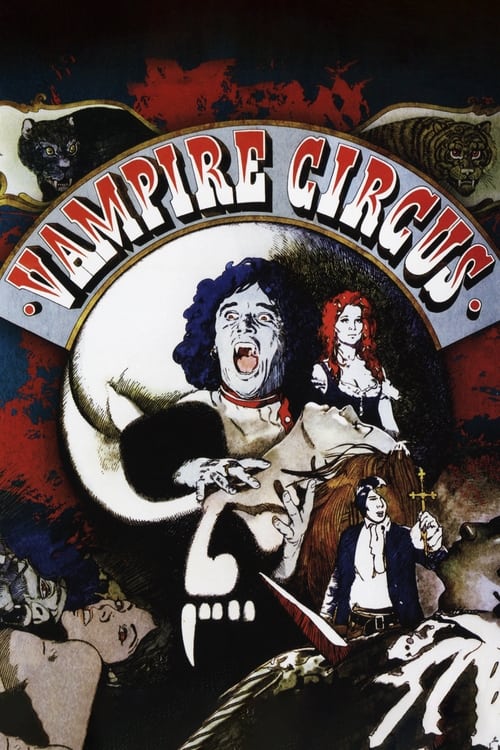
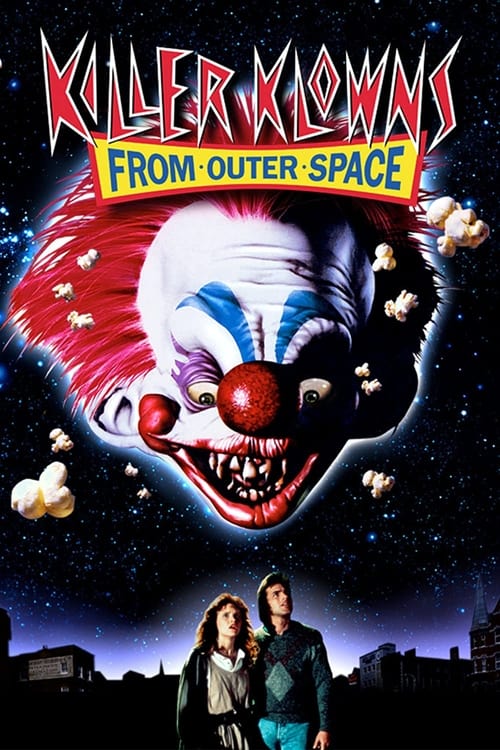
The circus works so well as horror precisely because it already contains everything horror needs. A confined space. A crowd gathered to be deceived. Performers who are not quite human by daylight standards. A showman with power over the people in his employ. And all of it takes place at night, under artificial light, at the edge of town. The carnie, the clown, the mysterious ringmaster who knows too much: these figures do not need to be made sinister. They arrive that way. The horror genre discovered this early and has never let go.
When the carnival turns dark
Horror, dread and the sideshow after midnight
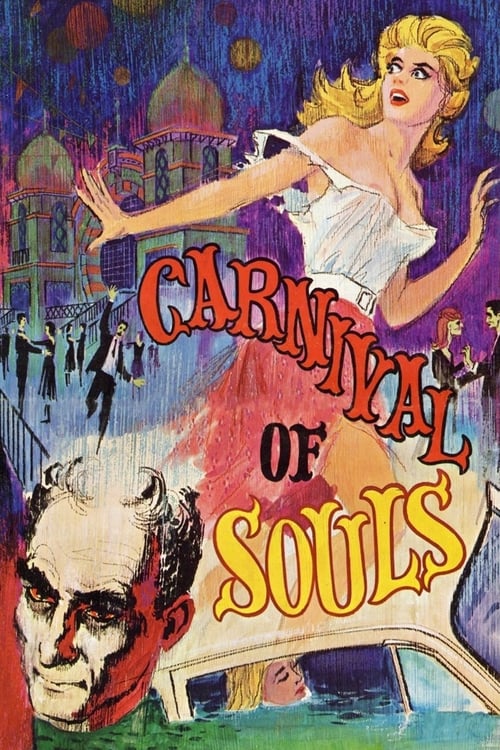
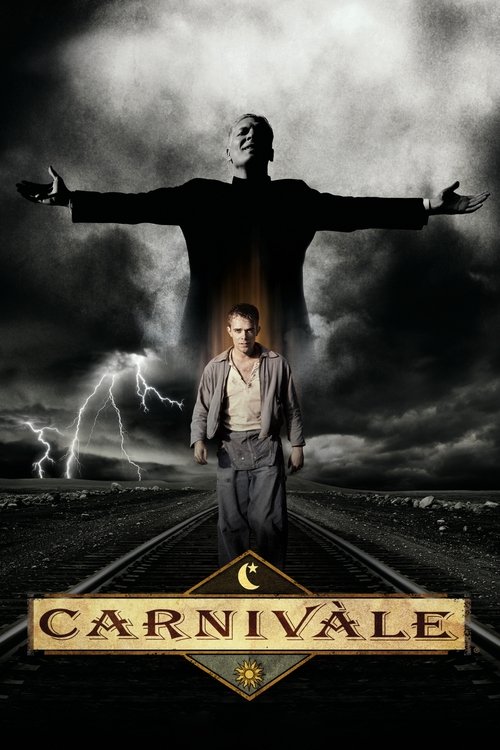
Carnivale is the best television ever set in a traveling show, and it is not particularly close
HBO's Carnivale (2003-2005) ran for two seasons and was cancelled before it could finish what it started, which is an ongoing crime. Set during the Dust Bowl, following a carnival company making its way across a dying American West, it treated the traveling show not as backdrop but as a complete civilization: its own economy, its own caste system, its own theology. The supernatural elements, a healer who can restore the dead, a preacher who draws power from darkness, were never separate from the mundane carnival life but woven through it. Nothing before or since has captured how insular and self-sustaining a traveling circus community actually was.
Circus and carnival on television
From dust-bowl drama to horror anthology
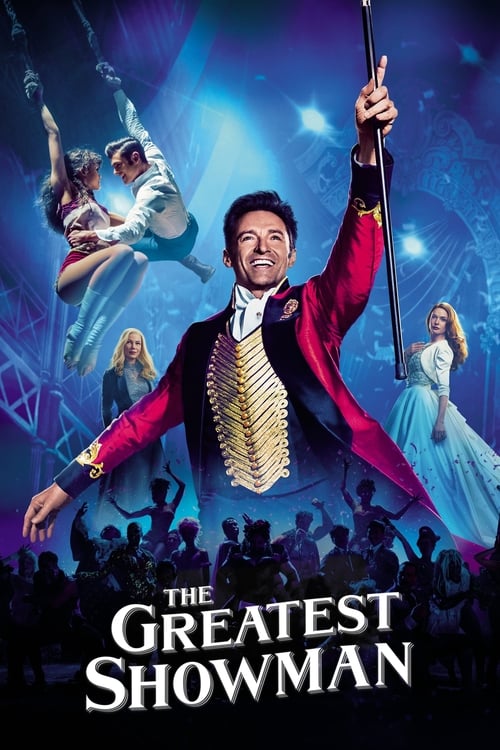
The Greatest Showman is not about P.T. Barnum. It is about what people want Barnum to be.
The 2017 film is lavishly dishonest. It smooths over Barnum's exploitation of the performers it celebrates, reinvents his relationship with Jenny Lind, and gives the whole enterprise an anachronistic inclusivity that would have puzzled the real man. None of this is a secret, and it does not entirely matter. The Greatest Showman is not a biography. It is a fantasy about what a showman could be, and it earns its impossible emotional climax by committing completely to that fantasy. Hugh Jackman understands that Barnum's gift was not honesty but belief: he made people believe they were seeing something real, and the film does the same thing. The historical fraud and the cinematic magic are the same trick.
Wonder and spectacle
The circus as dream, romance and impossible beauty

The circus on the page
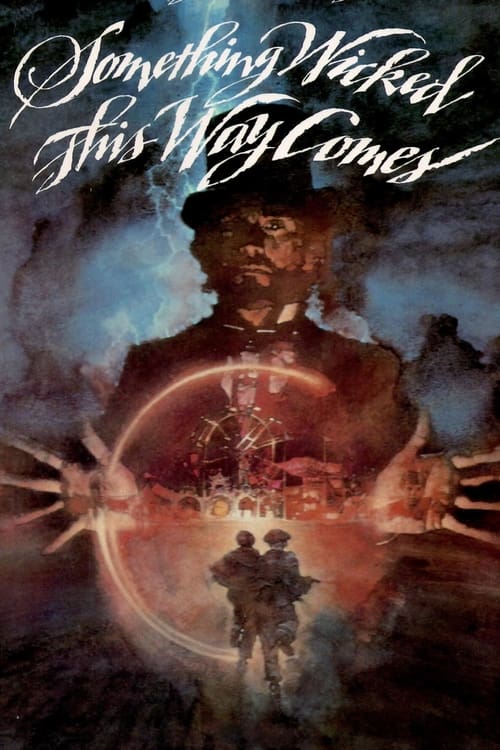
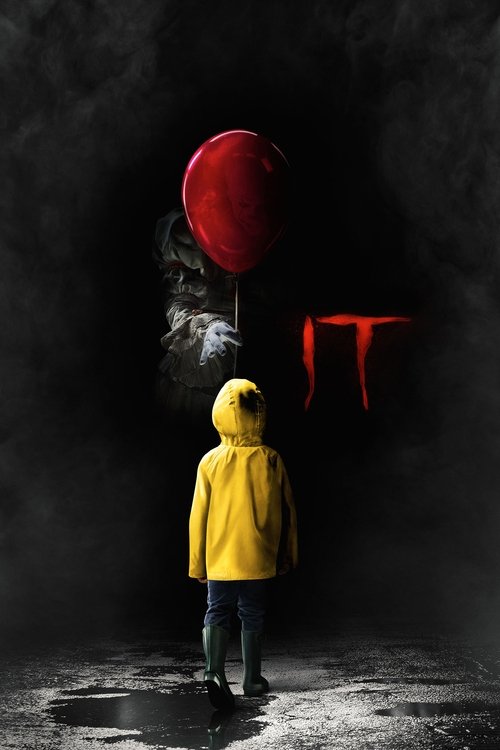
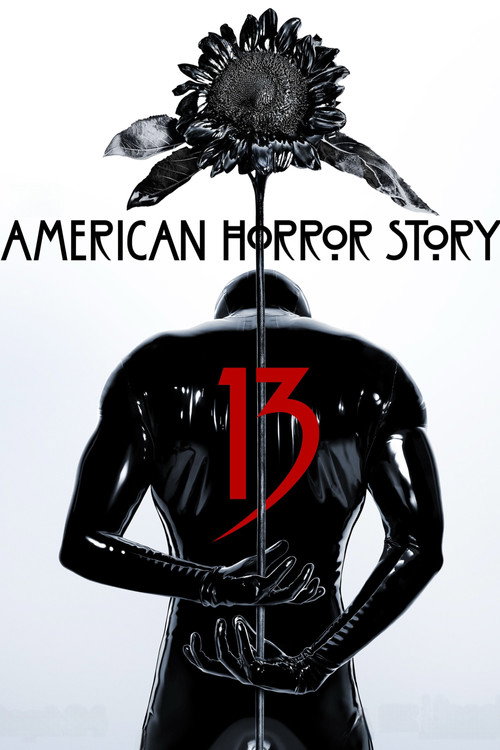
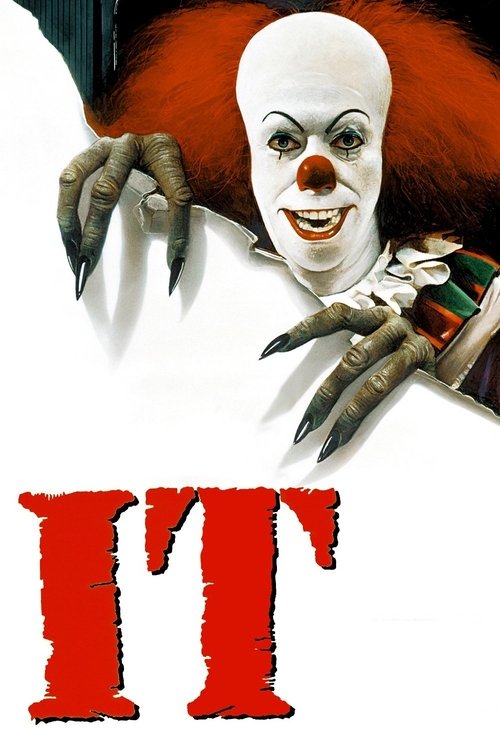
Circus literature occupies a strange corner of the bookshelf. Ray Bradbury's Something Wicked This Way Comes (1962) is arguably the defining text: a dark carnival arrives in a small Illinois town, and what it offers the townspeople is not entertainment but the fulfillment of their deepest, most self-destructive wishes. Stephen King's It extended Bradbury's logic into sewers and storm drains, giving the carnival's clown archetype its most nightmarish modern form.
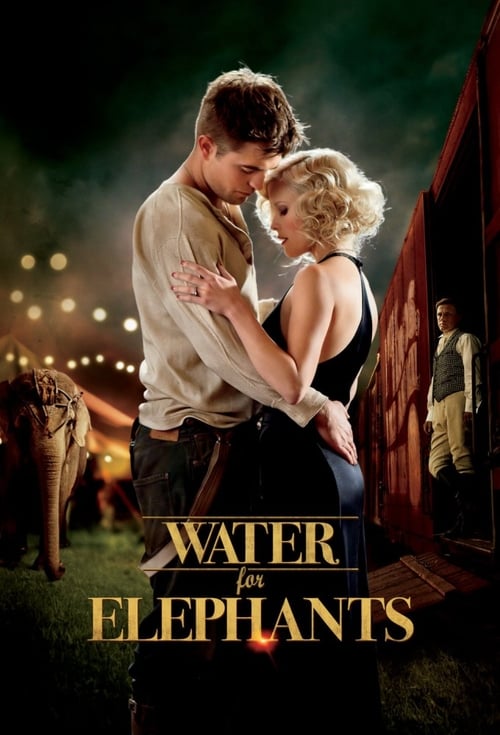
The key circus books not yet in our catalog are worth naming honestly: Erin Morgenstern's The Night Circus (2011), a lush dueling-magicians fantasy set inside a mysterious traveling competition; Katherine Dunn's Geek Love (1989), a grotesque masterpiece told from inside a freak show family; Angela Carter's Nights at the Circus (1984), an acrobat's Edwardian adventure in the Angela Carter mode; and Sara Gruen's Water for Elephants (2006), which we cover in film. These are essential, and if they appear in the catalog in future, they belong in this guide.
Games and the midway
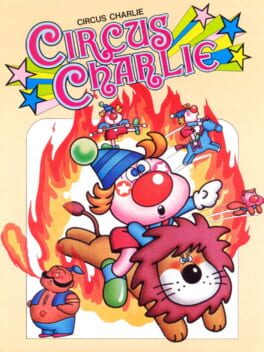
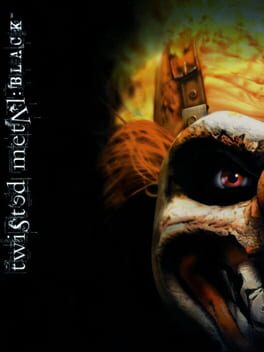
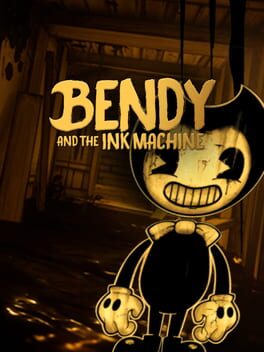
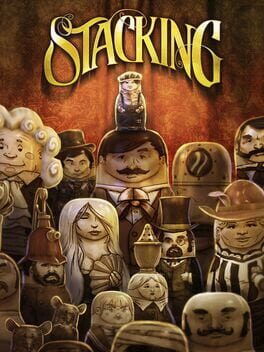
Circus acrobatics, dark carnivals and clown-themed carnage
More wonder and menace under the tent
Magicians & Illusionists
Explore the Magicians & Illusionists guide →Every circus is a lie told beautifully. The question is only whether you believe it long enough to enjoy the act.On the showman's oldest contract with the audience