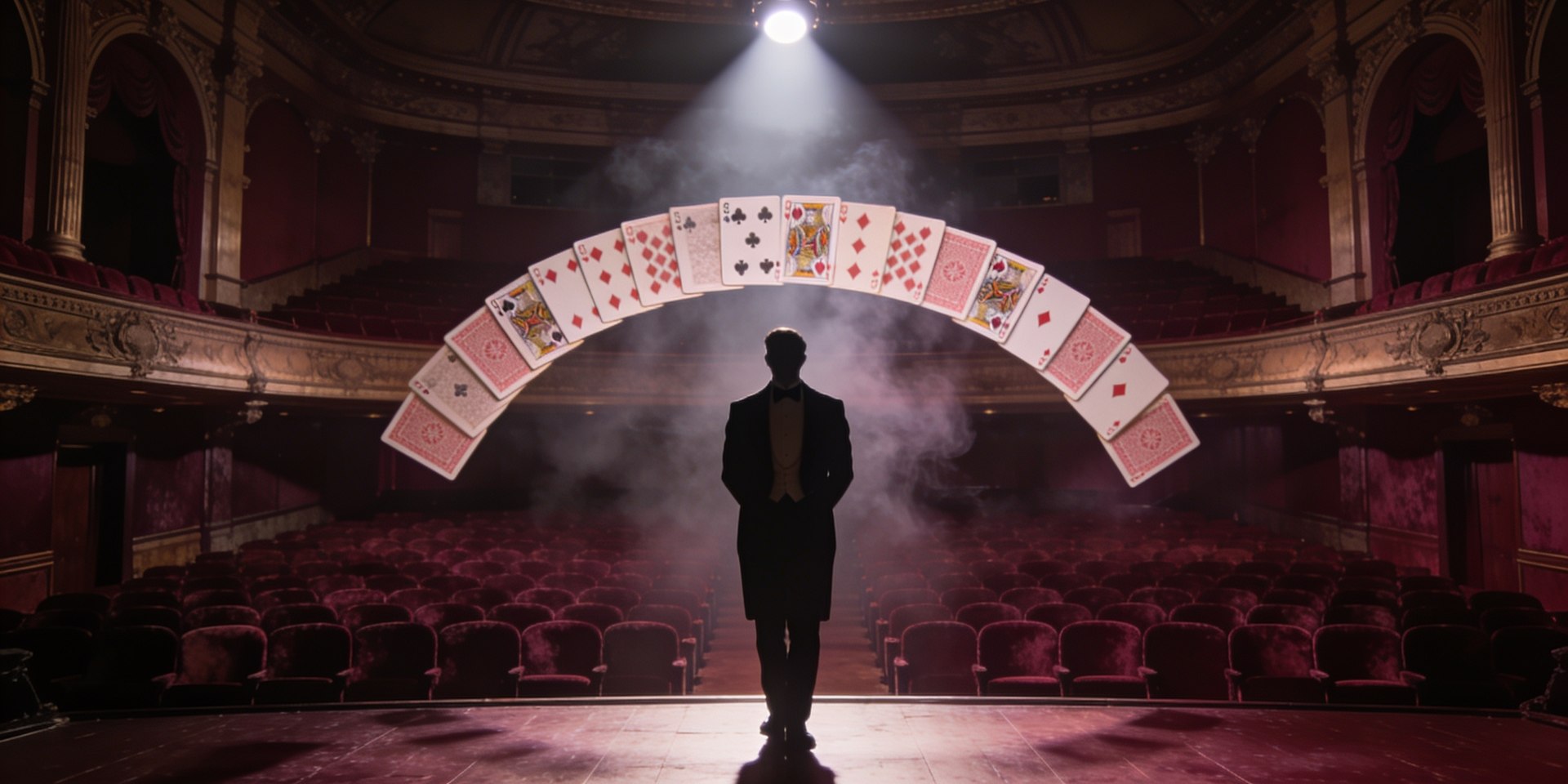

The stage magician is a paradox: a professional liar who sells you the experience of being fooled, and somehow you love them for it. The trick only works if you know there is a trick, and yet the best performers make you doubt that certainty for a few suspended seconds. That gap between knowing and believing is where every film, novel and television series in this guide lives.
This page is about stage illusion, sleight of hand and the performers who built careers out of deception: Houdini vanishing from police handcuffs, card cheats running the table, rival illusionists ruining each other's reputations for the love of a woman or the hunger for a secret. Not supernatural wizards; not fantasy. Real magicians, or the convincingly fictional ones. The craft behind the wonder.
Essential magician stories
The canon, across every screen and page


Two films, one obsession
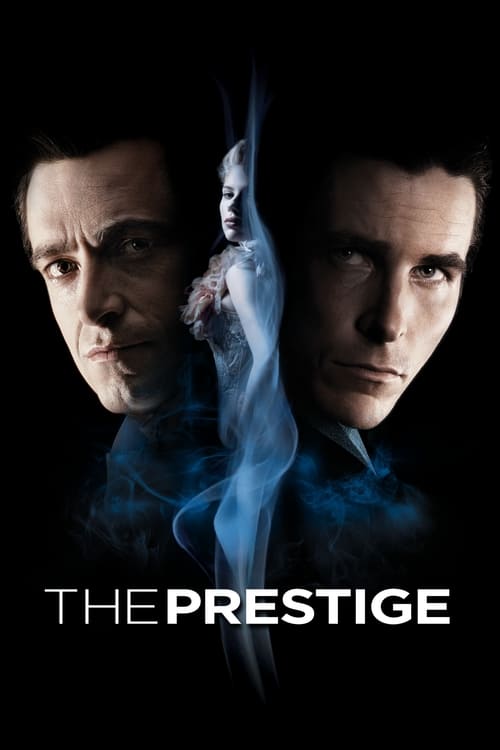
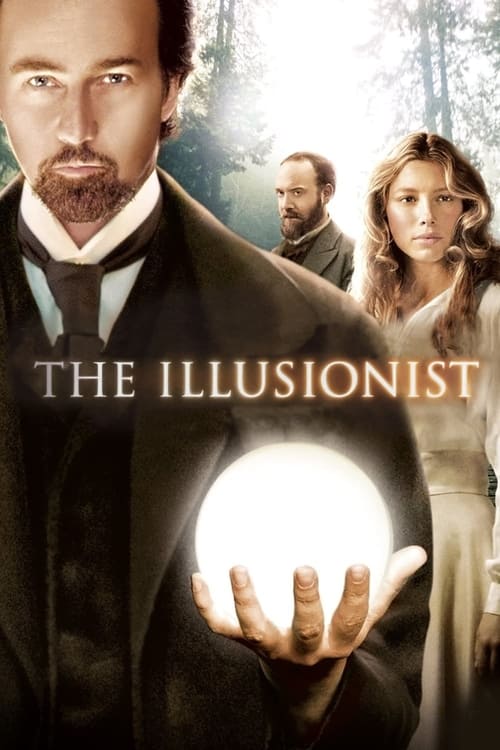
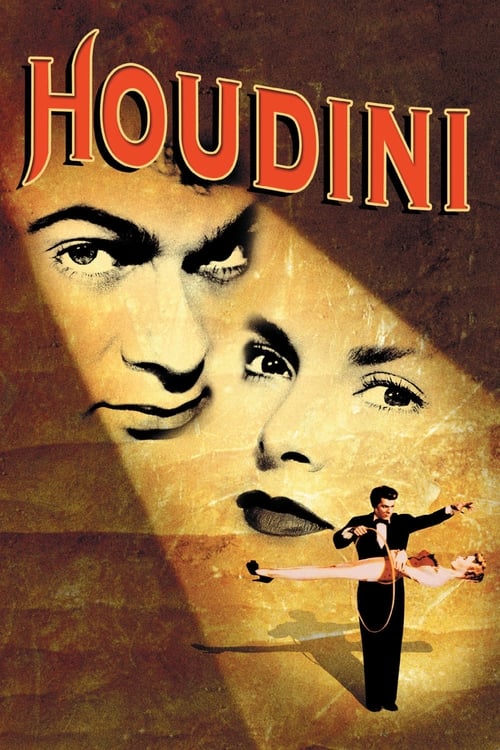
Released within two months of each other in 2006, The Prestige and The Illusionist are the best argument that a subject can sustain two masterworks simultaneously, provided they ask different questions. Neil Burger's Illusionist is a love story that uses magic as its engine: Eisenheim's impossible feats are acts of devotion, performed for an audience of one. Christopher Nolan's Prestige is a horror story wearing a period drama's clothes: the obsession destroys everything it touches, and the finale lands like a trap closing. Both films center on the rivalry between two men and the question of how far a person will go for the impossible. Neither answers it the same way.
Conjurers on film
Stage magic at the cinema, from silent slapstick to modern thriller

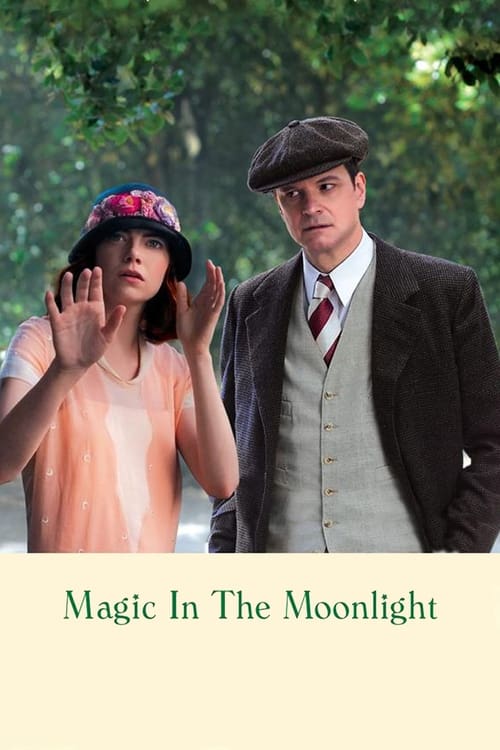
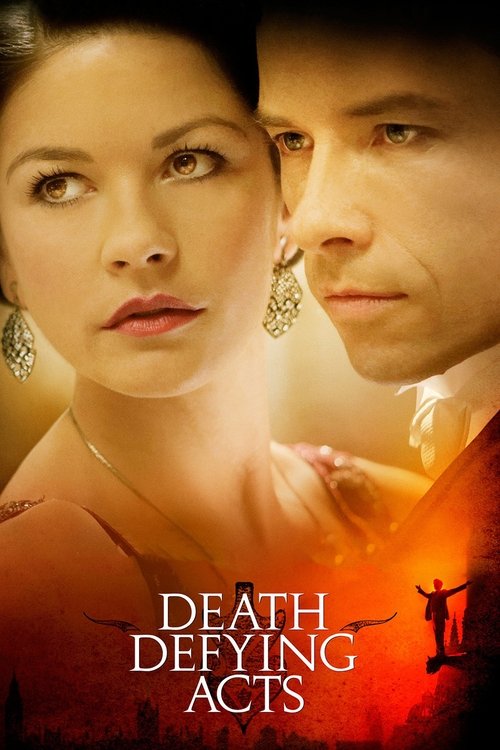
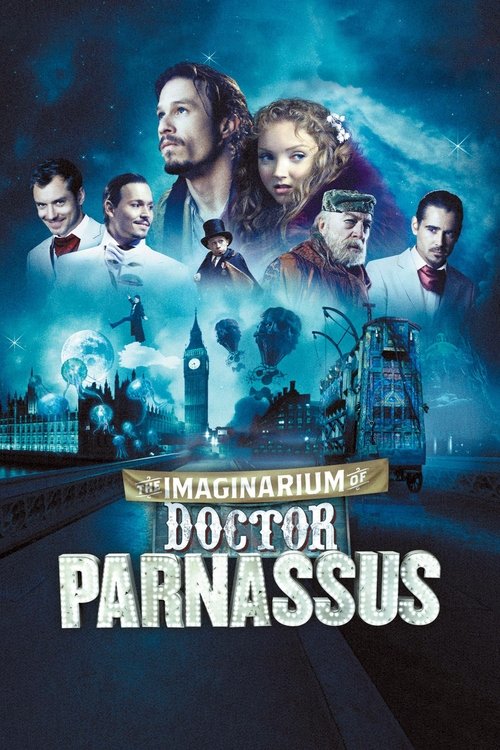
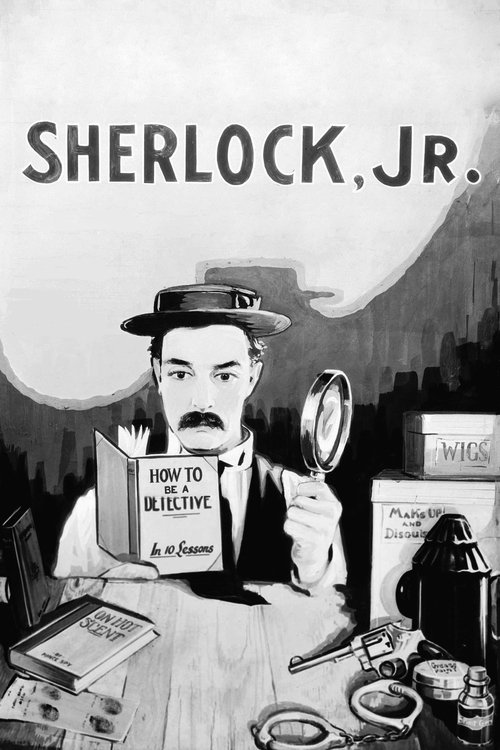
The Houdini problem
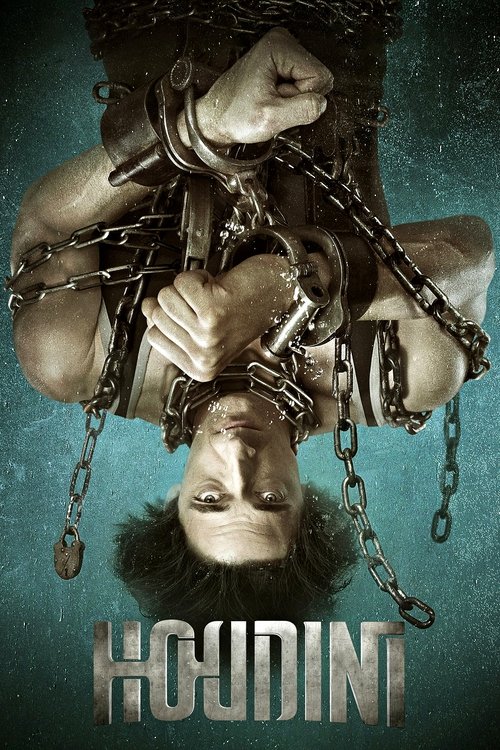
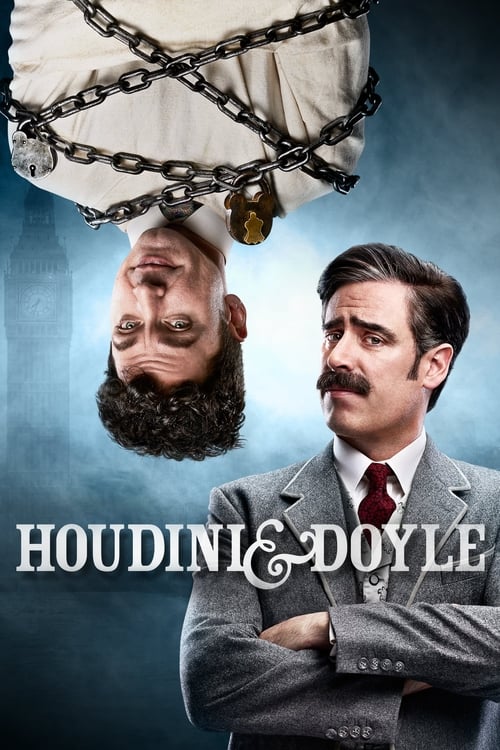
Harry Houdini is the magician who ate every other magician's oxygen. He was not the best sleight-of-hand artist; other contemporaries had cleaner technique. He was not the most elegant showman; that title belongs to Chung Ling Soo, or Robert-Houdin, or a dozen others. But Houdini understood something none of them did: the body in peril is the greatest illusion of all. An audience watching a card trick keeps the skeptic's distance. An audience watching a man locked in a milk can filling with water cannot help but hold their breath.
Every escape act staged since his death is still playing in his shadow. So are most of the films in this guide.
Magic on the small screen
Performers, rivals and the craft examined in episodic form


Penn and Teller reinvented what magic television could be
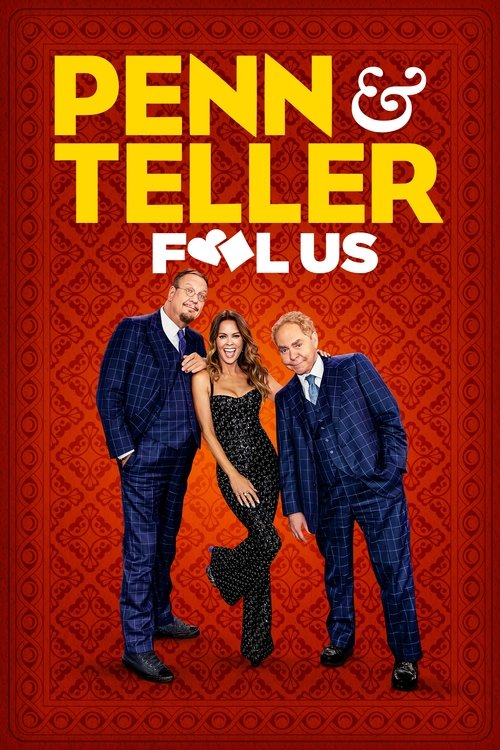
Penn & Teller spent thirty years doing the opposite of every other act: explaining the trick, performing it again at full speed, then somehow making it more astonishing the second time. Penn & Teller: Fool Us brought that philosophy to primetime and built something that should not work as a format: watch a magician perform, then watch two of the most technically literate people alive decode it live. The show made the audience into collaborators rather than marks. Their earlier Bull! remains the rare magic-related television that is actually about epistemology, and is funnier than anything that aired near it.
The Houdini files
Escapes, biographies and the legend on screen
When magic meets the con
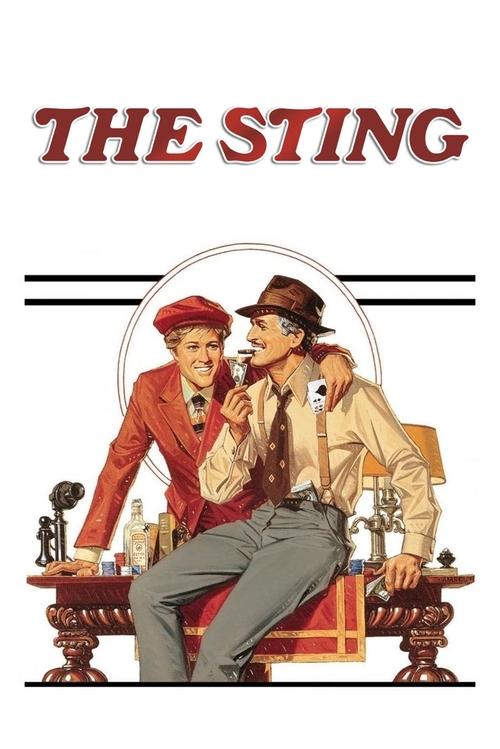
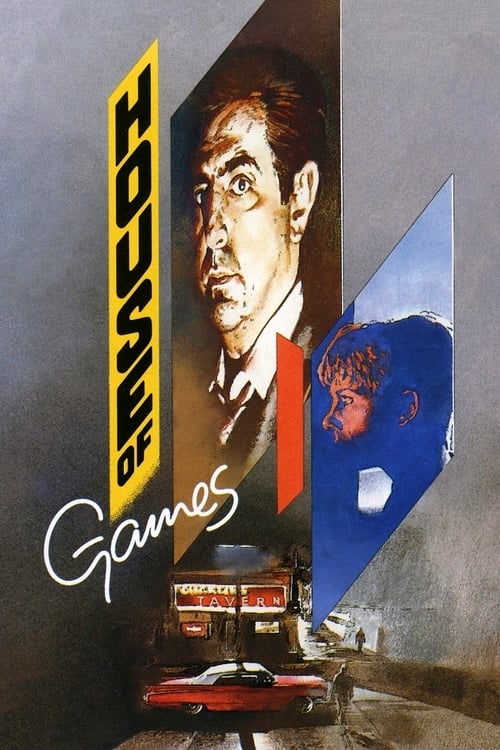
The sleight-of-hand artist and the con man share a toolkit. Both need to control where your attention goes. Both need you to construct a false reality from a set of carefully managed inputs. The Sting understood this: it is structured like a magic act, with a patter phase, a misdirection phase and a reveal. David Mamet's House of Games is colder and more surgical about the same insight. These are not magic films strictly speaking, but they belong in the same library, because they are all about the performed deception and the relationship between the deceiver and the deceived.
Deception as performance
Con artists, grifters and the art of the long game
The psychological horror of Anthony Hopkins in Magic (1978)
Richard Attenborough's Magic is not a film most people think of first when asked about magic movies, and that is a minor injustice. Anthony Hopkins plays Corky, a ventriloquist whose puppet Fats has begun to take over, and the film uses the magician's core problem (losing control of the act you invented) and stretches it into psychological horror. William Goldman adapted his own novel and kept the claustrophobia tight. What makes it work is that Hopkins never plays Fats as a separate character; he plays a man who desperately wants an excuse, and invented a wooden one. It is the most honest film about performance anxiety in the genre.
Every magician's act is a controlled lie delivered with the full consent of the audience. The question every good story in this genre asks is: what happens when the consent is withdrawn?On the ethics of staged deception
On the page
Magic, illusion and performed identity in fiction and non-fiction


An Honest Liar is the essential documentary of the genre
Justin Weinstein and Tyler Measom's An Honest Liar follows James Randi, the stage magician who became the world's most tenacious debunker of psychic fraud, and the film earns its title by turning the same lens on its subject. Randi spent forty years exposing Uri Geller and faith healers, insisting that magicians who claim real powers are thieves. The documentary agrees, then quietly reveals that Randi himself was concealing something significant, and leaves you to work out where the line is. It is a film about the ethics of deception that refuses a clean conclusion, which makes it better than most feature films on the same themes.