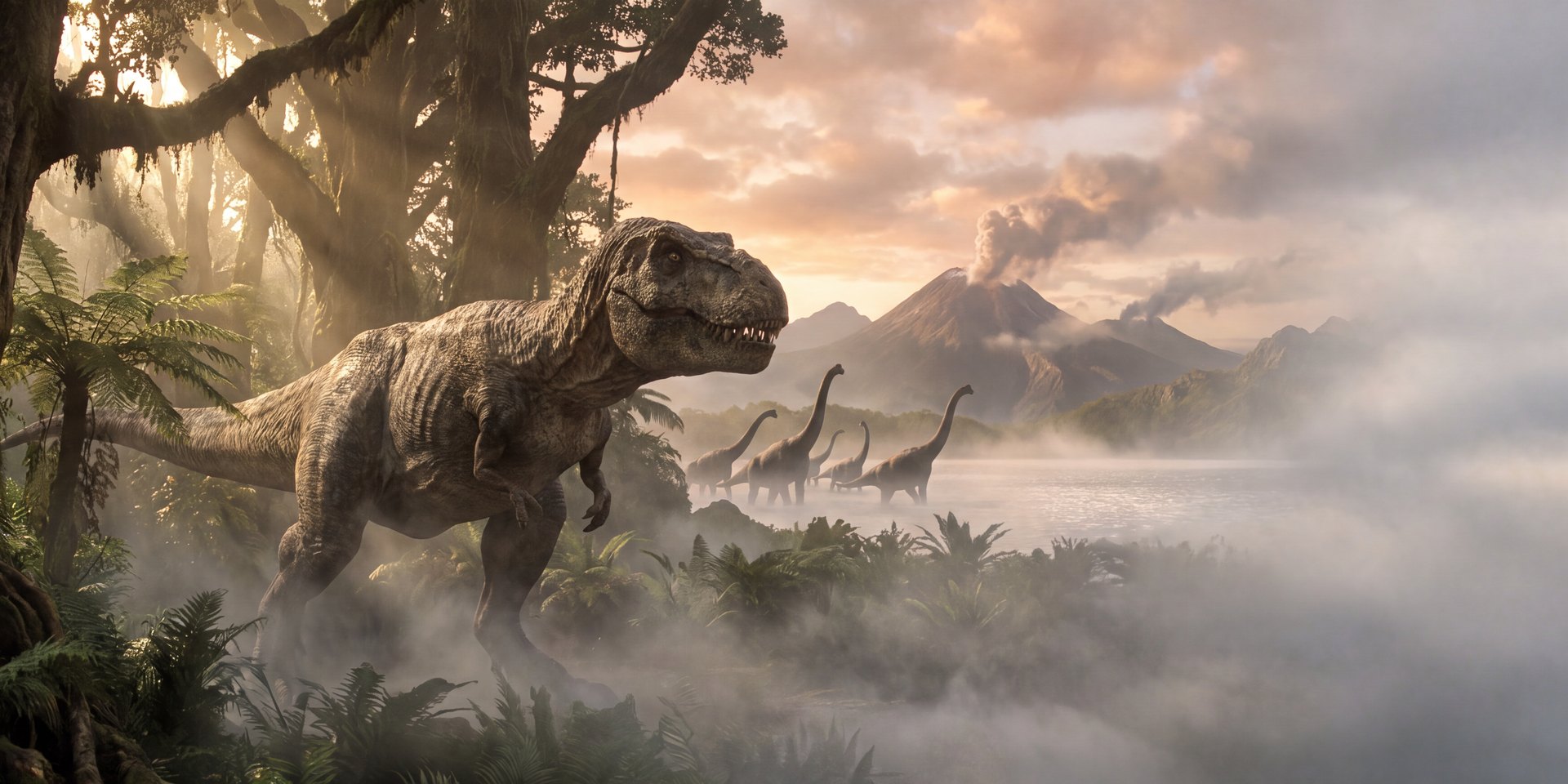

No extinct animal has a grip on the imagination like the dinosaur. Arthur Conan Doyle put them on a lost plateau in 1912, Willis O'Brien animated them for King Kong, Steven Spielberg made them photoreal in 1993, and the documentaries keep rebuilding them as real, feathered animals rather than movie monsters.
This is the complete guide: the whole Jurassic saga, the creature-feature classics, the survival games that let you live in the Mesozoic, the park builders, the robot-dinosaur reinventions, and the beautiful modern documentaries setting a new bar for how a dinosaur should look.
The essential dinosaurs





The Jurassic Park saga


Dinosaurs on the page


Prehistory on screen: the documentaries

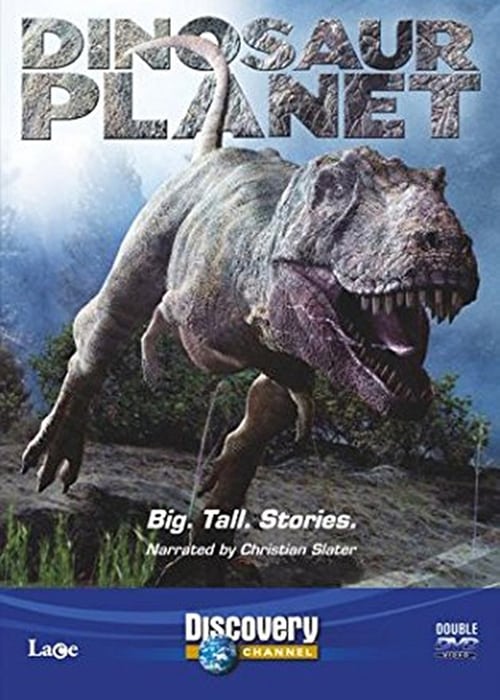

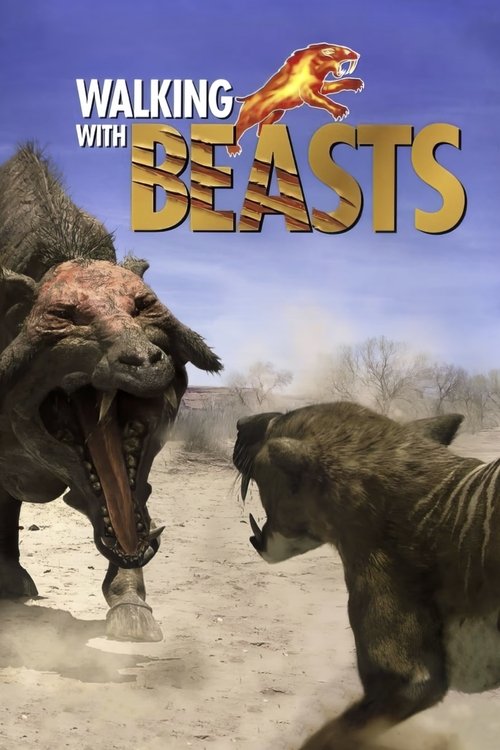
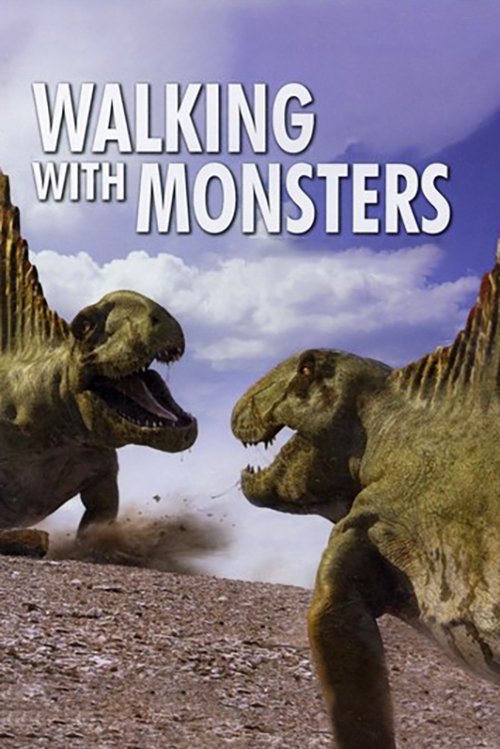
Survive the Mesozoic: the games
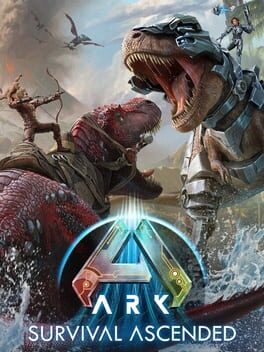
Build the park


Dinosaurs for kids


Dinosaurs meet science fiction


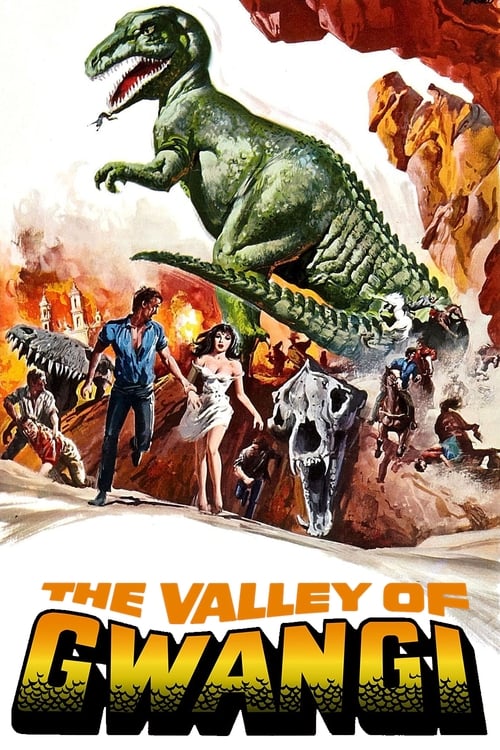
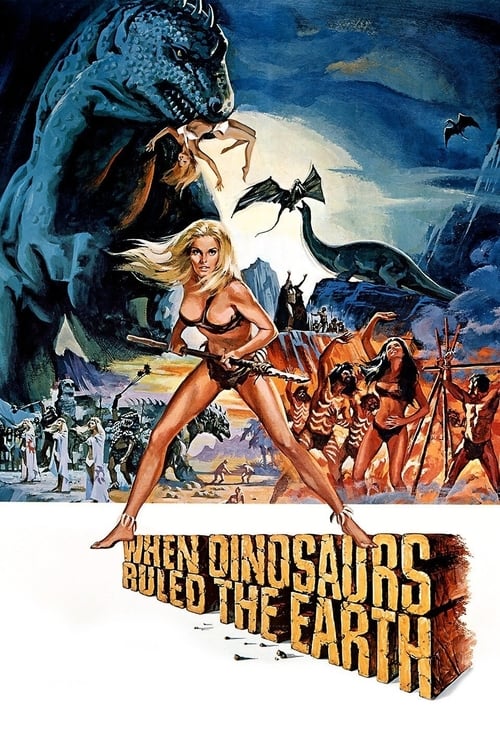
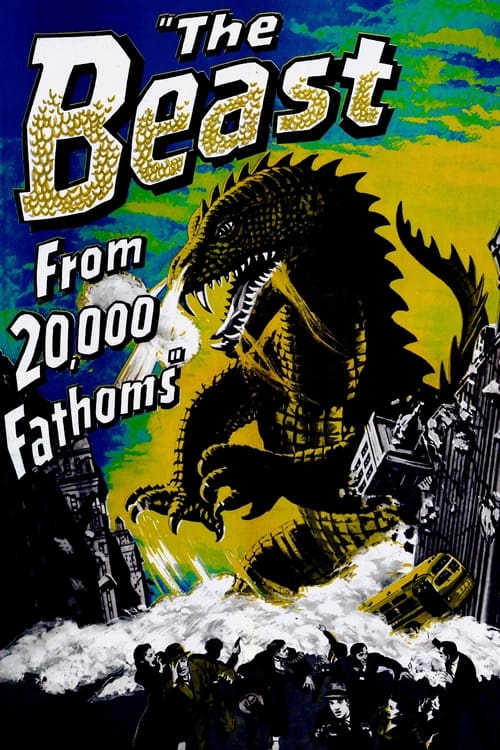
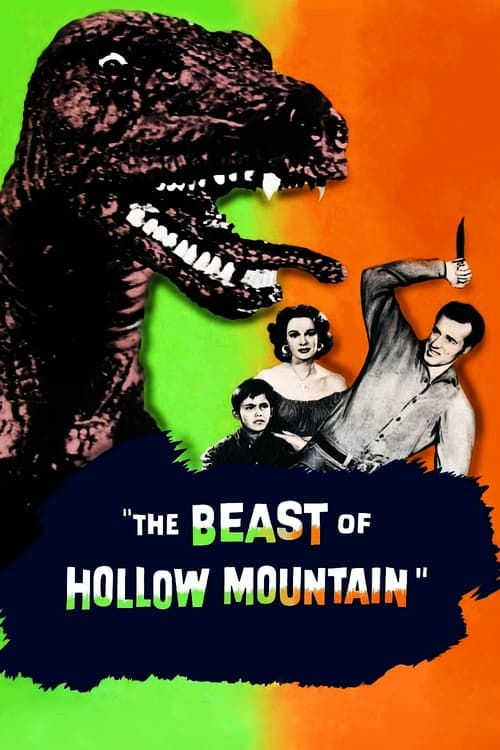
The Harryhausen and creature-feature classics

The timeline
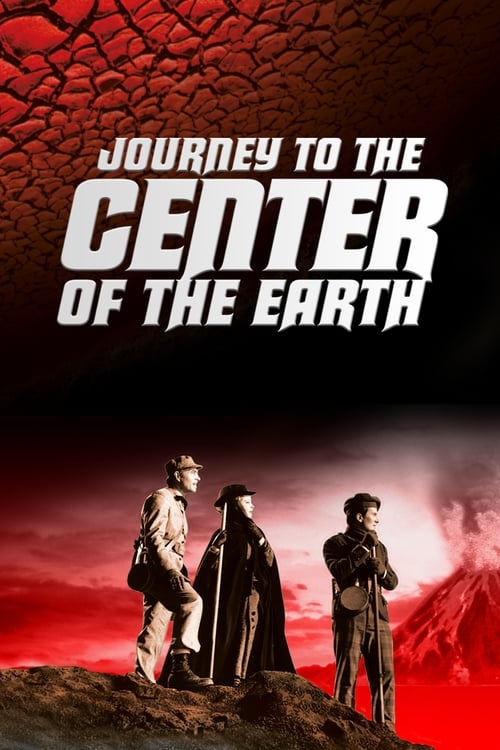
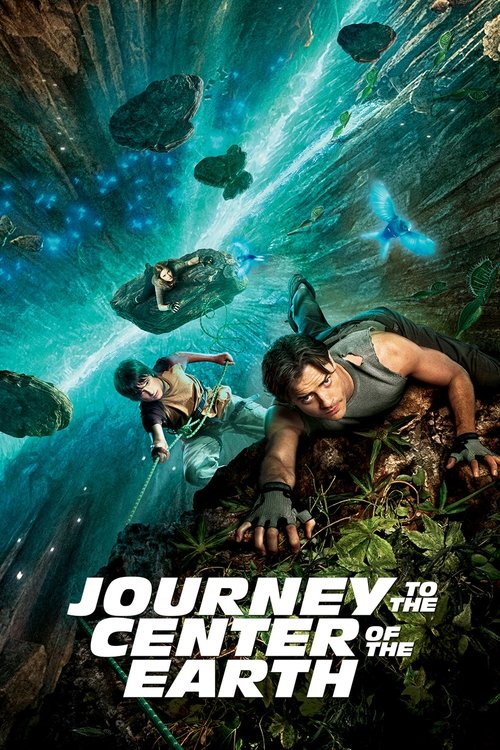
- 1864Verne's Journey to the Center of the Earth sends readers past prehistoric beasts underground.
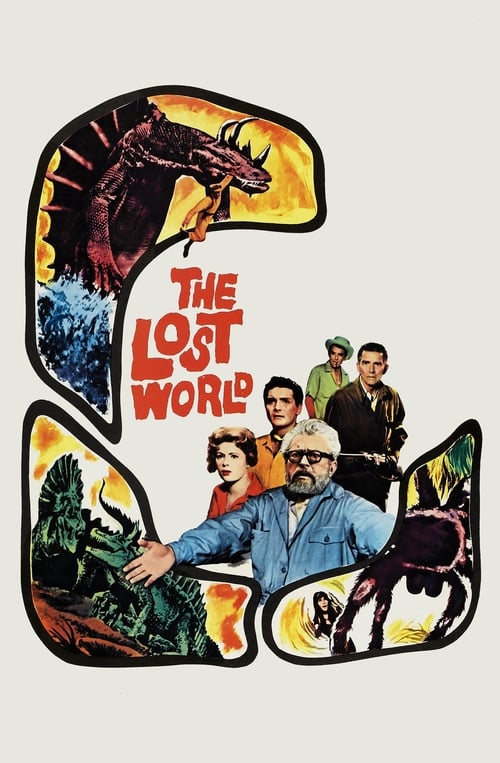
- 1912Arthur Conan Doyle's The Lost World invents the dinosaur-plateau adventure.
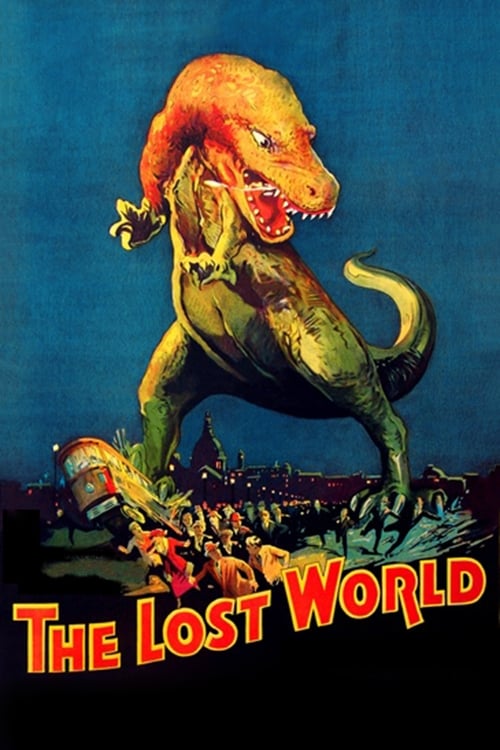
- 1925The silent Lost World brings Willis O'Brien's stop-motion dinosaurs to the screen.
- 1933King Kong's Skull Island dinosaurs set the template for creature cinema.
- 1966One Million Years B.C. showcases Ray Harryhausen's dinosaur animation.
- 1990Michael Crichton's Jurassic Park novel imagines cloned dinosaurs.
- 1993Spielberg's Jurassic Park redefines what dinosaurs can look like on film.
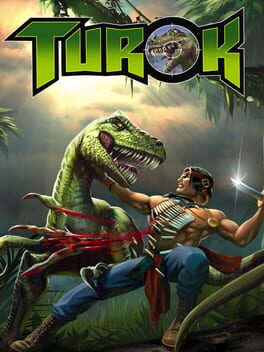
- 1997Turok: Dinosaur Hunter makes dinosaurs a video-game phenomenon.
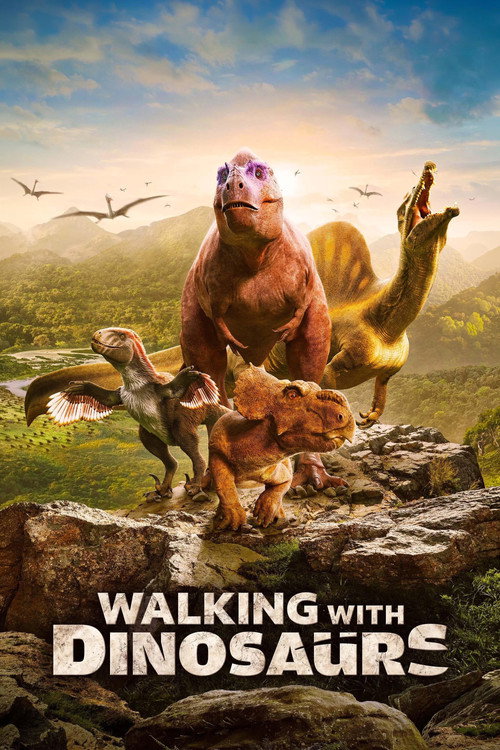
- 1999Walking with Dinosaurs treats prehistory as a nature documentary.
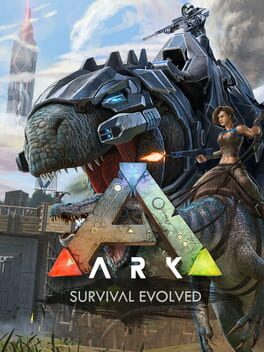
- 2015ARK: Survival Evolved launches the dinosaur-survival craze.
- 2017Horizon Zero Dawn reimagines dinosaurs as robotic machines to hunt.
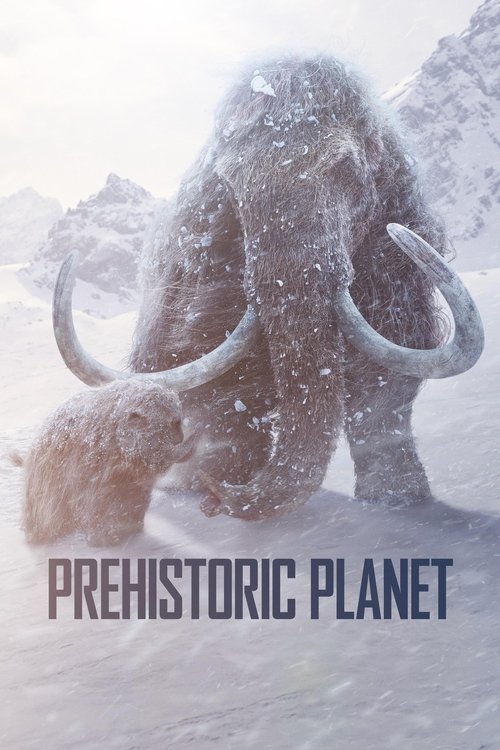
- 2022Prehistoric Planet sets a new bar for photoreal dinosaur documentary.
- 2025Jurassic World Rebirth and a rebooted Walking with Dinosaurs bring the franchise and the science into a new era.
Lost worlds and time safaris


Hunt or be hunted: the shooters
So bad they're beloved
The science of dinosaurs

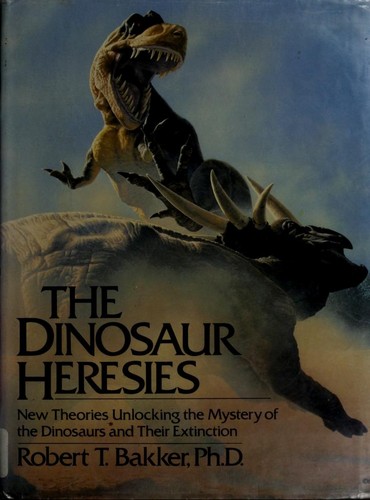

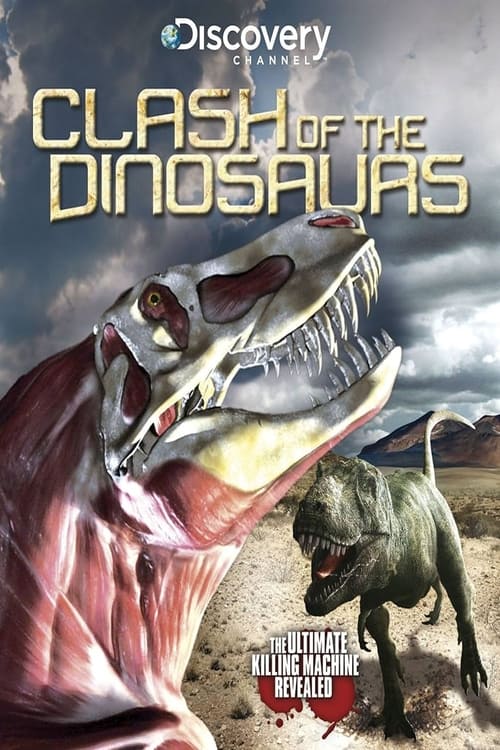
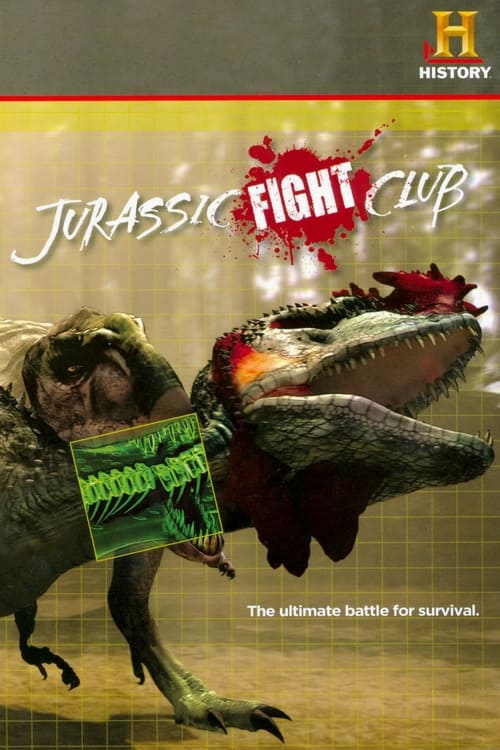
The dinosaur people
Keep exploring
Kaiju & Giant Monsters
Explore the Kaiju & Giant Monsters guide →Frequently asked
Where should I start with dinosaur media?
Watch the 1993 Jurassic Park for the thrills, then Prehistoric Planet for the science. Read Crichton's novel if you want the sharpest version of the story, and try ARK or Jurassic World Evolution if you want to play in a dinosaur world.
What is the most scientifically accurate dinosaur media?
Prehistoric Planet (2022) and the 2025 Walking with Dinosaurs reboot lead on accuracy, including feathered dinosaurs. Among games, Saurian and Path of Titans aim hardest for real anatomy and ecology.
Are there good dinosaur games beyond Jurassic Park tie-ins?
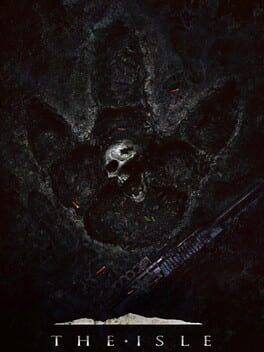
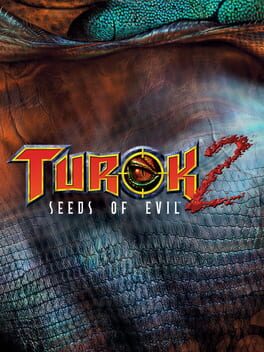
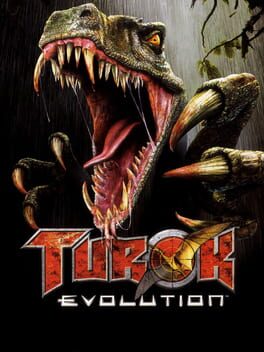
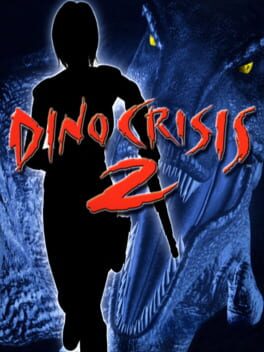
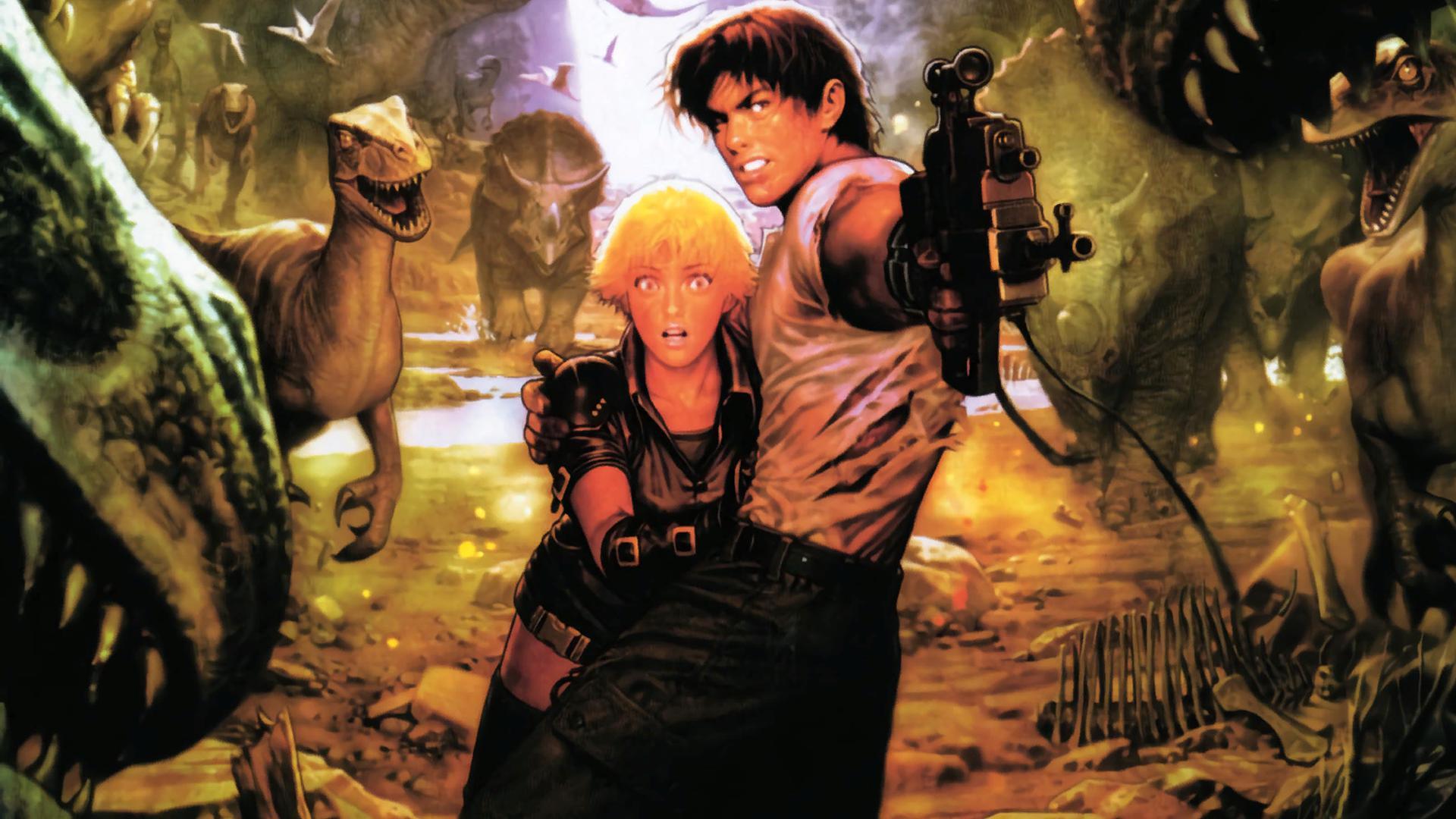
Yes. Turok and Dino Crisis are the action classics, ARK and The Isle are the survival landmarks, Horizon Zero Dawn reimagines dinosaurs as machines, and Jurassic World Evolution and Parkasaurus let you build the park.
What are the best dinosaur books?
Michael Crichton's Jurassic Park, Arthur Conan Doyle's The Lost World and Robert Bakker's Raptor Red are the fiction cornerstones. For nonfiction, Steve Brusatte's The Rise and Fall of the Dinosaurs is the modern standard.
Which dinosaur shows are good for kids?
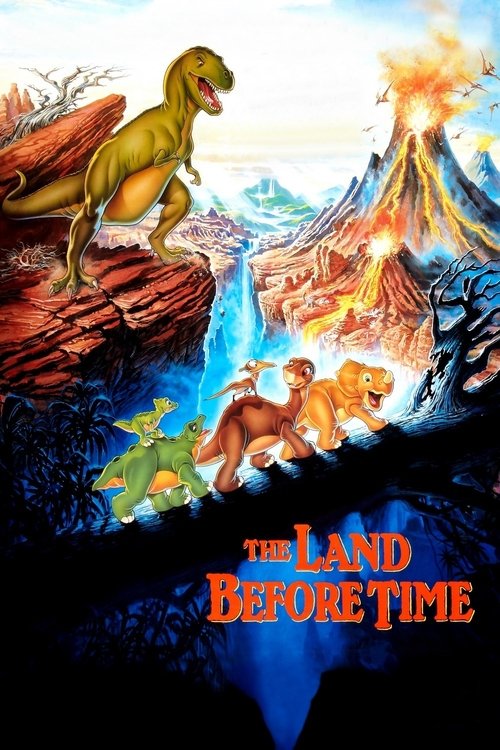
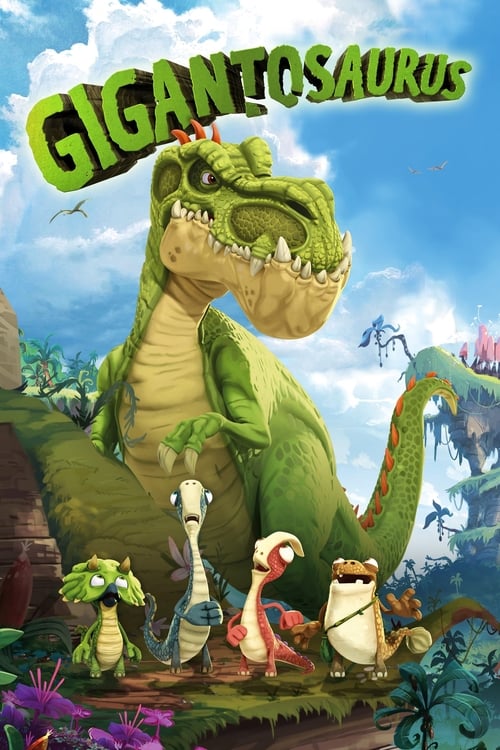
The Land Before Time, Dinosaur Train, Dino Dana and Gigantosaurus are the go-to picks, and the Magic Tree House book Dinosaurs Before Dark is a great early reader.
Did any dinosaur movies have real dinosaurs with feathers?
Most classic films show scaly dinosaurs, but the modern documentaries lead the change: Prehistoric Planet and the 2025 Walking with Dinosaurs depict many species with feathers, reflecting current paleontology.