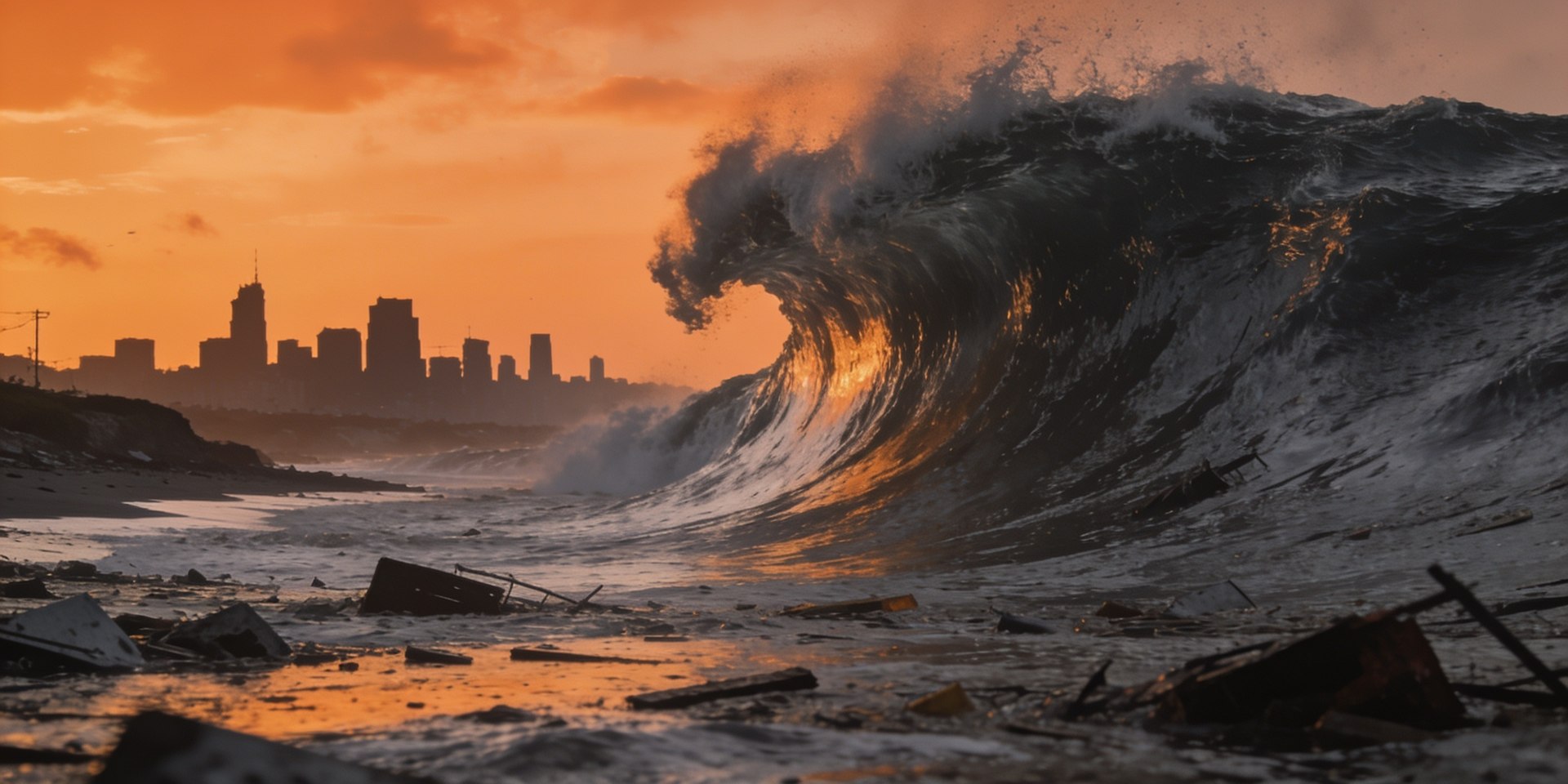

The disaster movie is one of cinema's oldest and most reliable forms. A force arrives -- fire, flood, wind, stone, wave -- that does not care about the characters' plans, their relationships, their goodness. It simply arrives. What follows is not really a story about the disaster. It is a story about people deciding, under pressure, who they are.
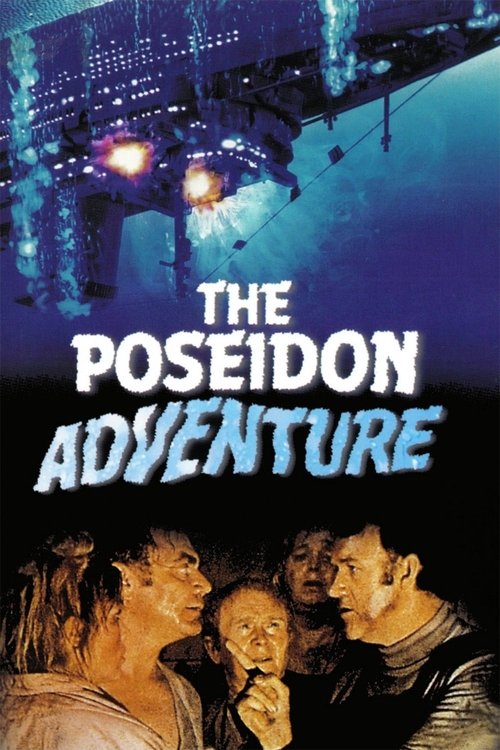
At its best, the genre is not about spectacle at all. It is about the moment before the worst thing happens, and the question of whether ordinary people can meet it. The building burns. The ship rolls. The water rises. What do you do next? That question has kept audiences in their seats since Irwin Allen sent Gene Hackman up a flooded staircase in 1972, and it has not stopped working since.
Ships, seas and survival
When water is the catastrophe
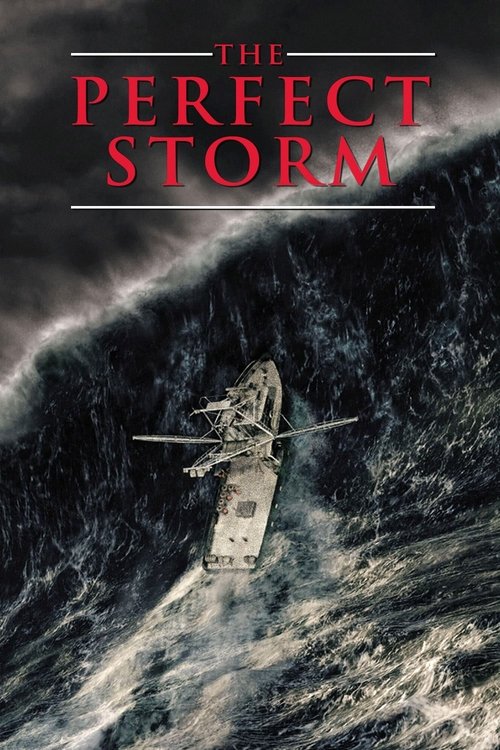
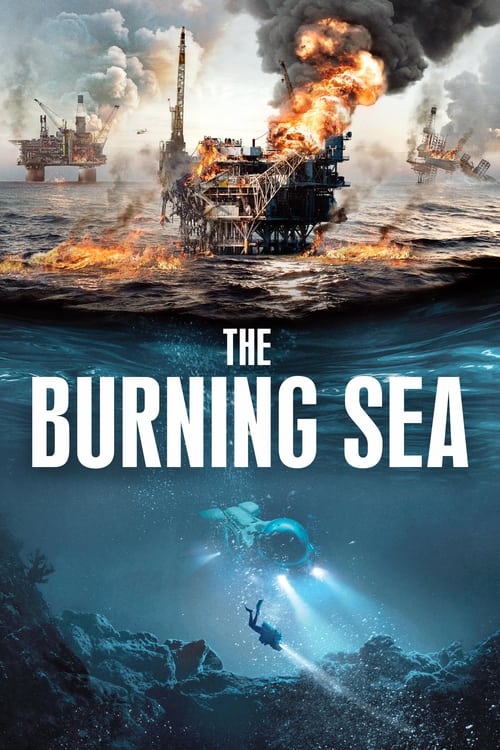
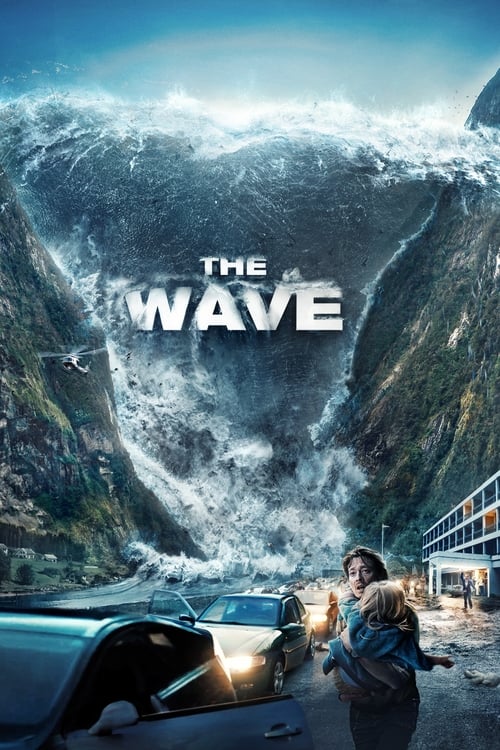
The golden age lasted exactly one decade
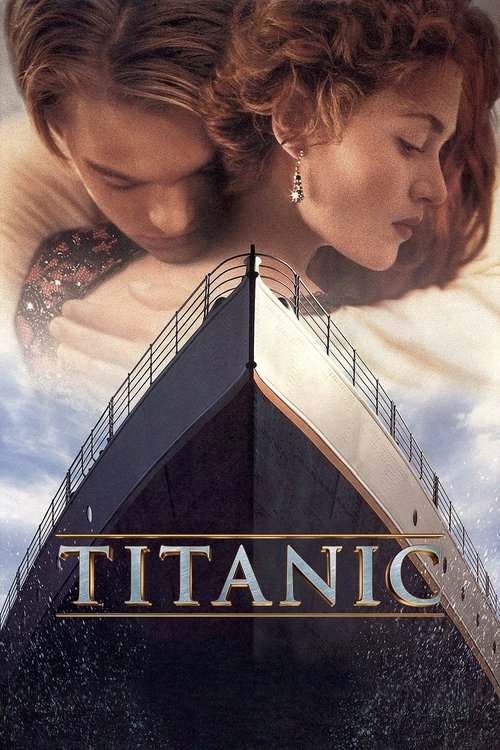
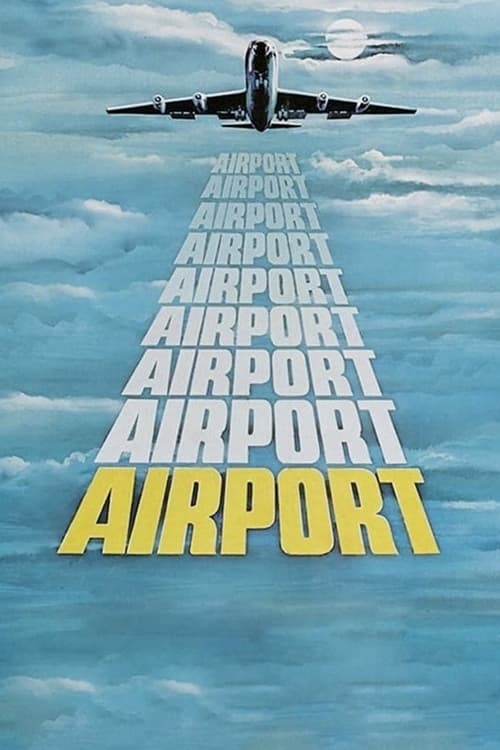
Between The Poseidon Adventure in 1972 and When Time Ran Out in 1980, Hollywood produced the disaster movie in its purest form: all-star ensemble casts, Irwin Allen's particular showmanship, and a frank deal with the audience -- we are going to kill some of these people, and you are going to watch them decide how to face it. The Towering Inferno remains the genre's formal high-water mark: two studios, two A-list leads, one burning skyscraper, and a script that takes seriously both the engineering failure and the human cost. The 1980s largely abandoned the form. It took a new generation of CGI tools to bring it back, but the second wave never quite recovered the first one's solemnity.
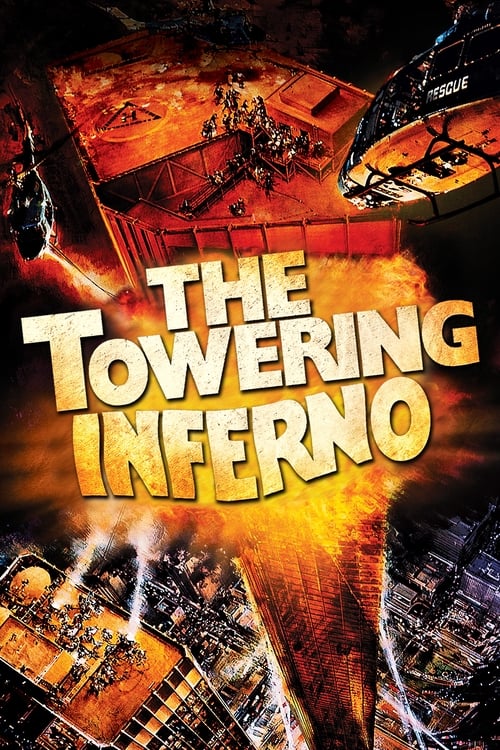
The 1970s classics
Irwin Allen's decade, and the films that defined the form
The spectacle arms race
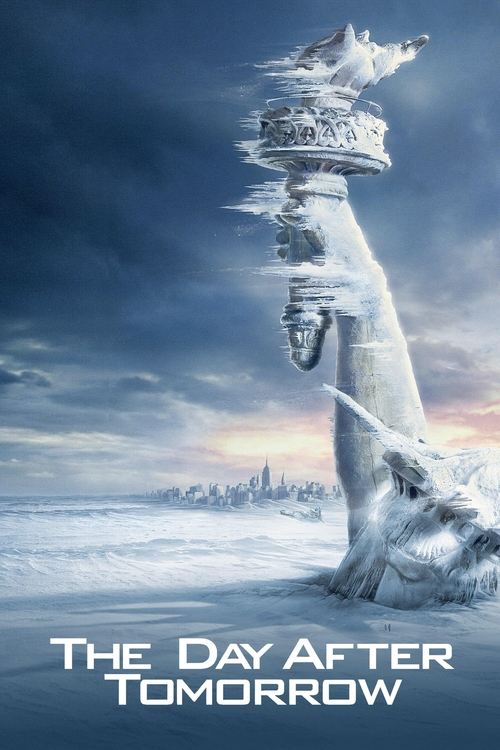
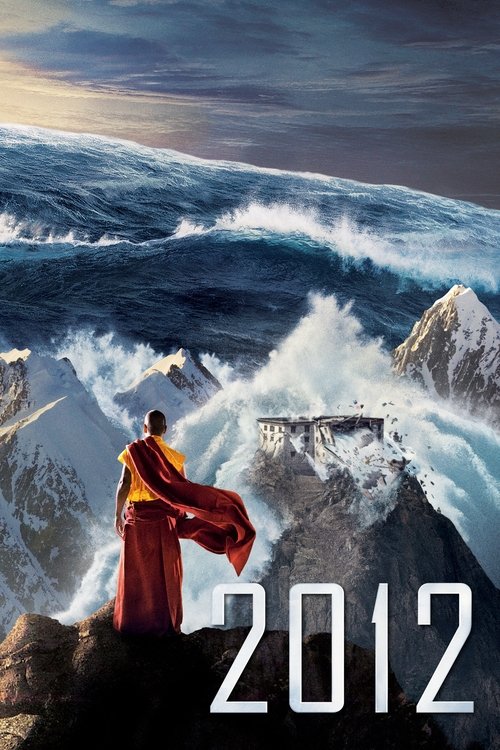
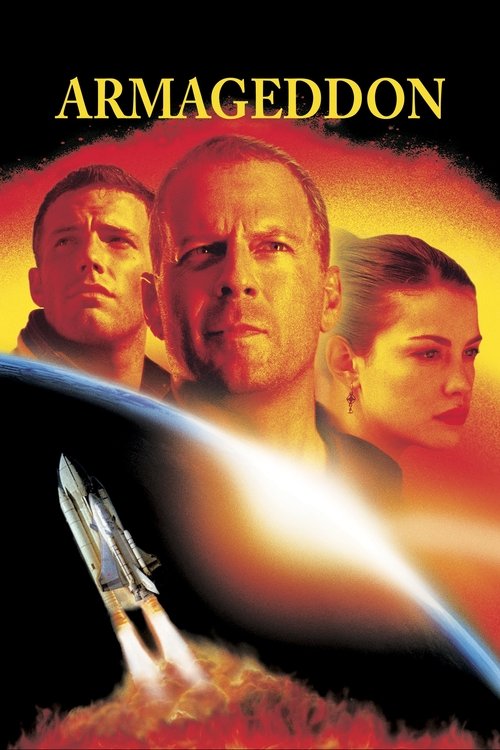
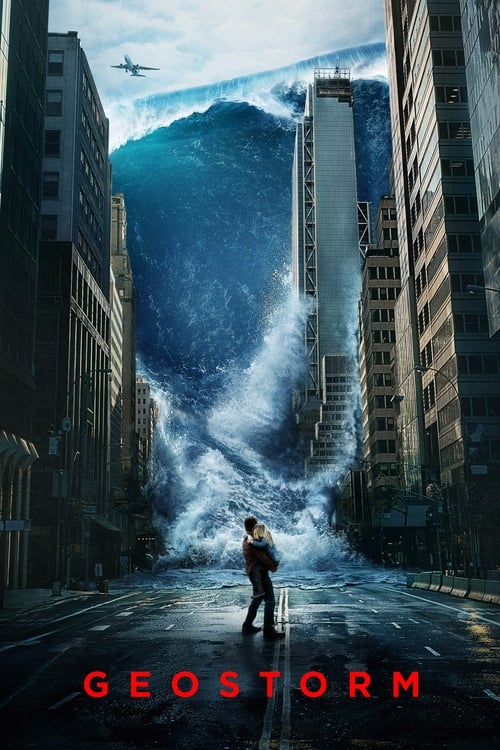
The CGI era brought the disaster movie back, and it brought it back bigger. Roland Emmerich destroyed Los Angeles in Independence Day, then froze Manhattan in The Day After Tomorrow, then sank most of the planet in 2012. Each film raised the ante on the last. At some point the destruction became so total, so planetary, that there was nobody left to care about. The best of the modern wave found a way to return to the genre's original scale: one city, one family, one wave. Greenland (2020) is the unexpected model -- a comet extinction scenario that stays stubbornly focused on a father trying to get his son to a bunker, and is more frightening for it.
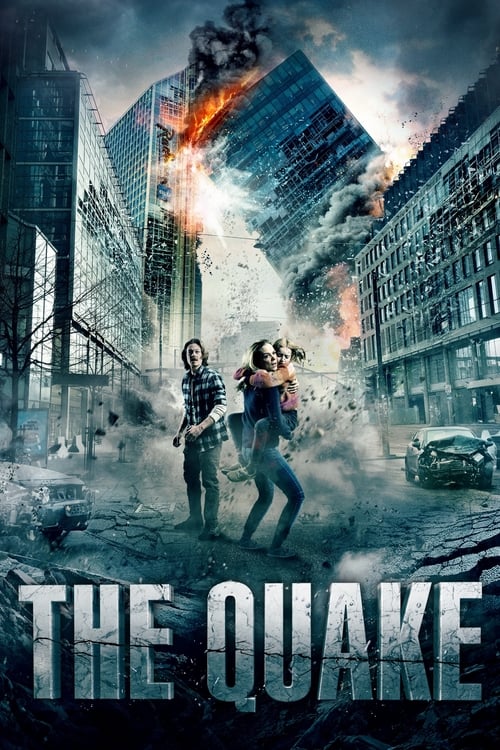
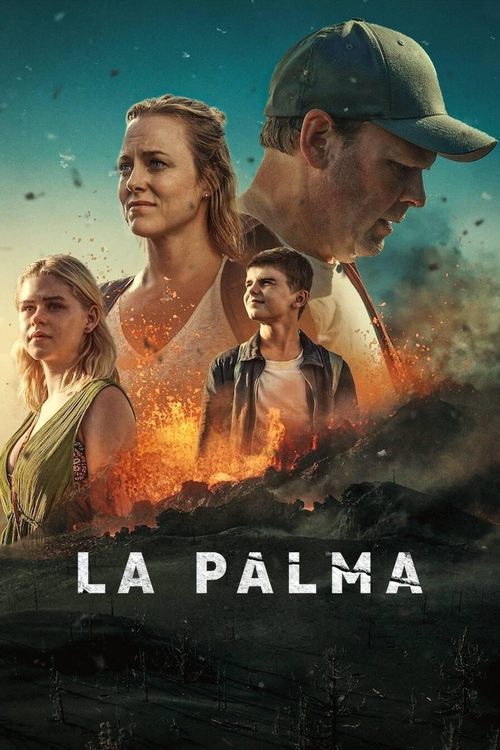
The Scandinavian counter-tradition is worth noting too. Norway's The Wave (2015) and The Quake (2018) are lean, scientifically grounded films about specific plausible catastrophes that Hollywood would inflate into global events. Netflix's La Palma (2024) extends this tradition to the Canary Islands. These are disaster stories that trust their geography.
The big-budget spectacle
When disaster went planetary
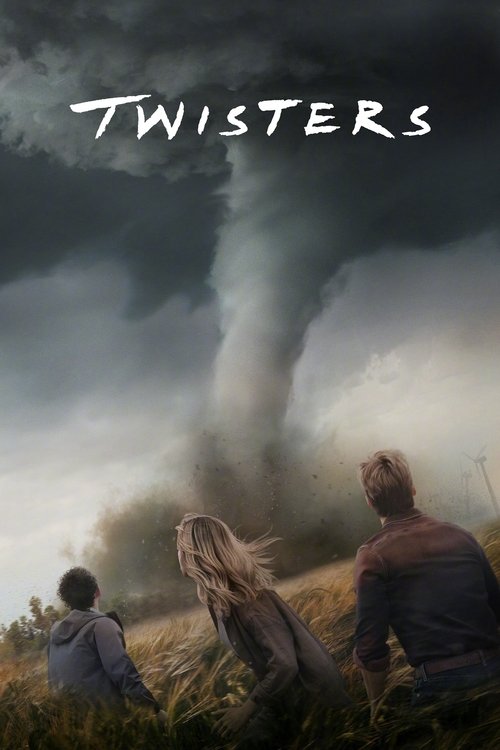
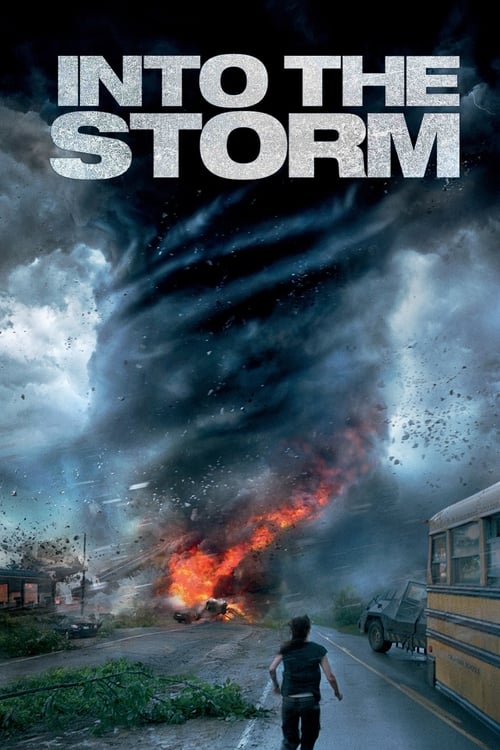
Twister is better than it has any right to be
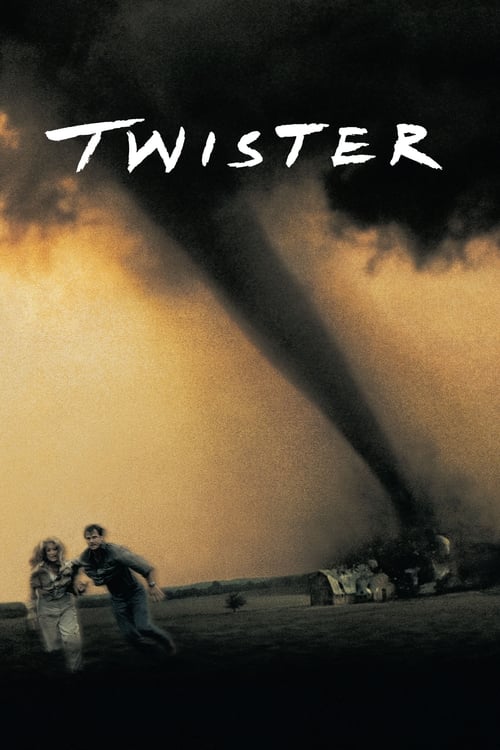
Jan de Bont's 1996 tornado-chaser film should not hold up. It is propelled by a rivalry subplot that barely makes sense, and the science is creative at best. What saves it is the storm itself: the practical effects, the genuine Oklahoma locations, and the conviction of its two leads selling the idea that chasing a tornado is something a person could want badly enough to risk everything. The sequel, Twisters (2024), is surprisingly confident -- it ditches the romance and doubles down on the procedural, and the result is one of the better late-franchise revivals in recent memory. Both films understand that the tornado is a character, not just a backdrop.
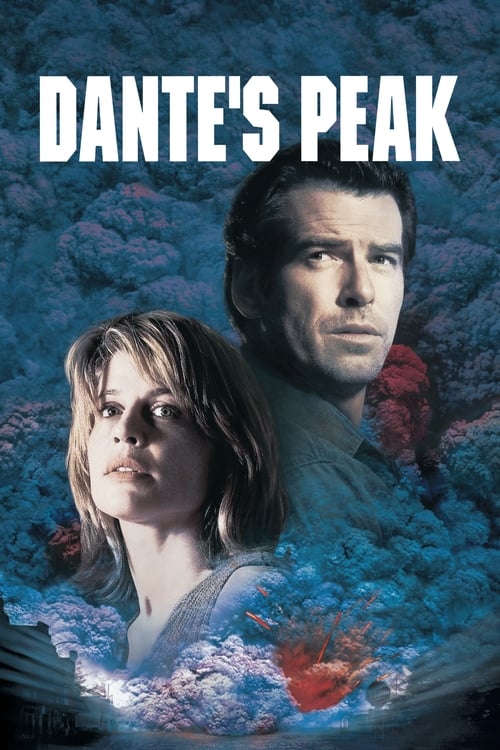
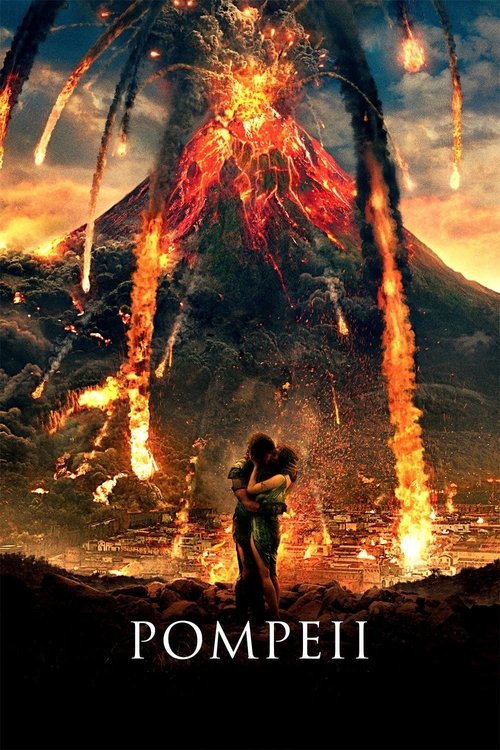
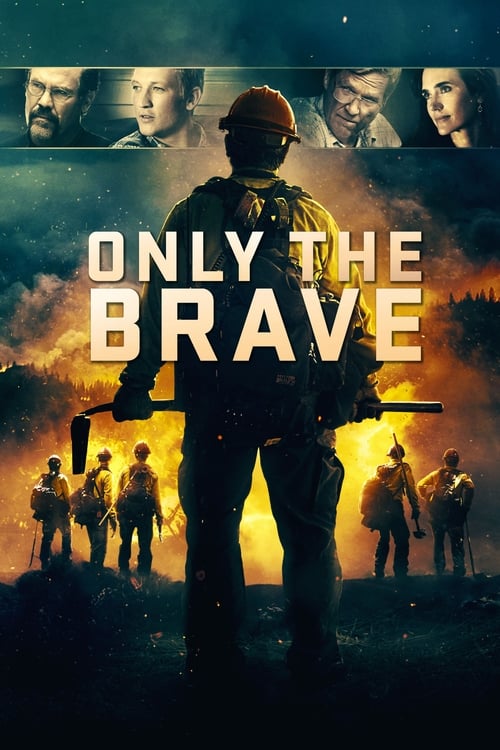
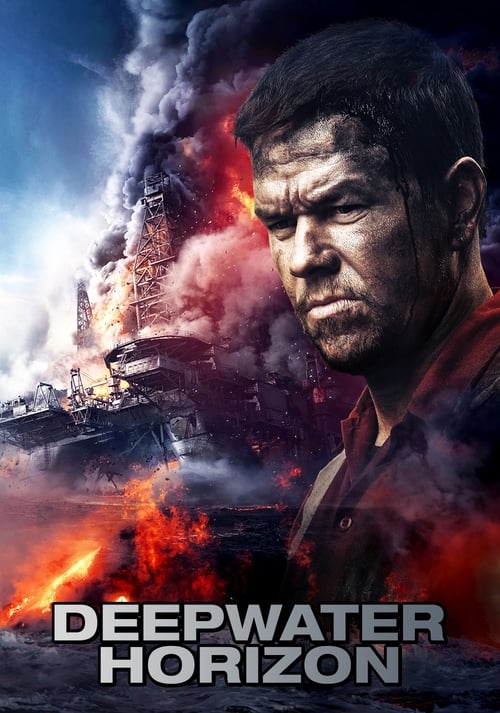
Fire and volcanoes
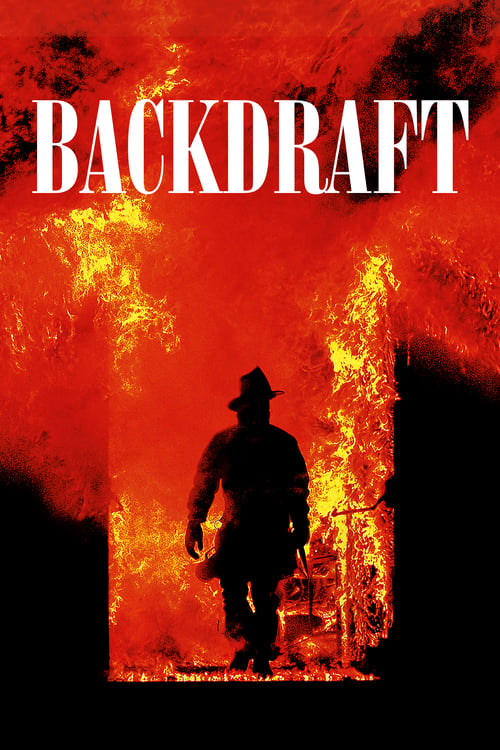
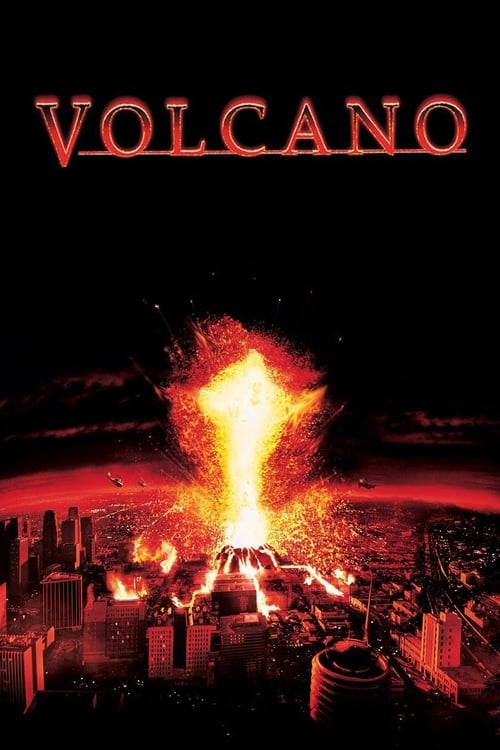
When the earth itself is the enemy
The real ones hit differently
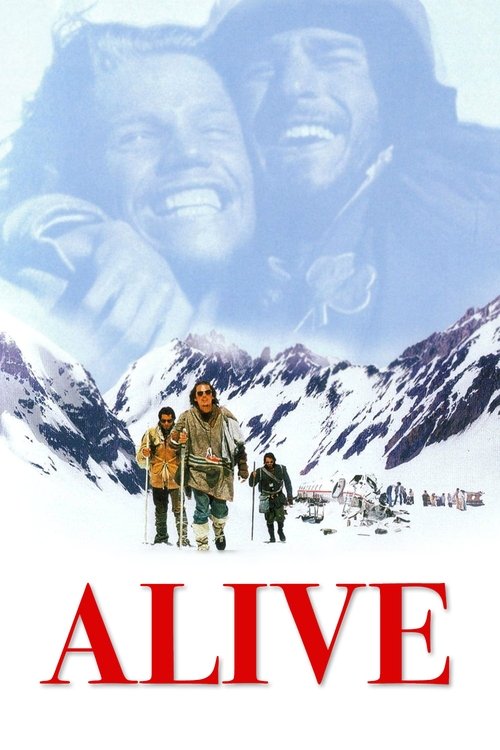
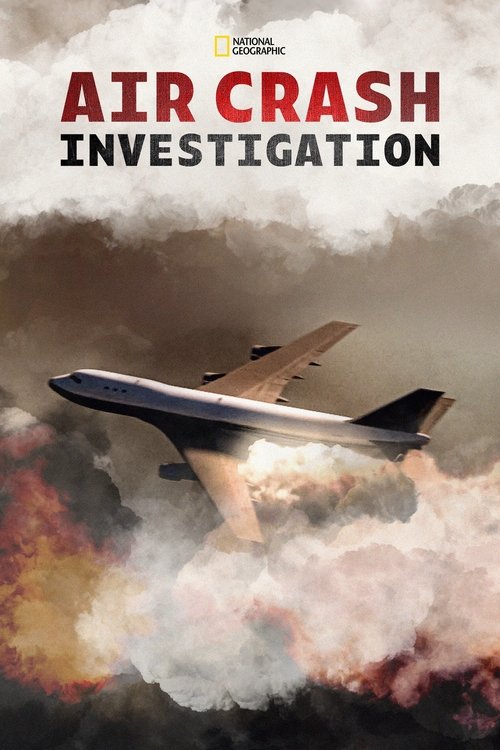
The most affecting disaster films are the ones based on actual events. United 93 is almost unbearable to watch -- Paul Greengrass uses real-time structure and documentary texture to place you inside the cabin, and it refuses to let the event become myth. Sully is quieter but equally precise: the miracle of the Hudson River landing becomes a film about institutional trust and the gap between what happened and what the investigation wanted to have happened. And Society of the Snow (2023), the Uruguayan plane crash retold for the third time on film, is the most formally beautiful of all -- what its survivors did to stay alive is not treated as horror but as a kind of terrible grace.
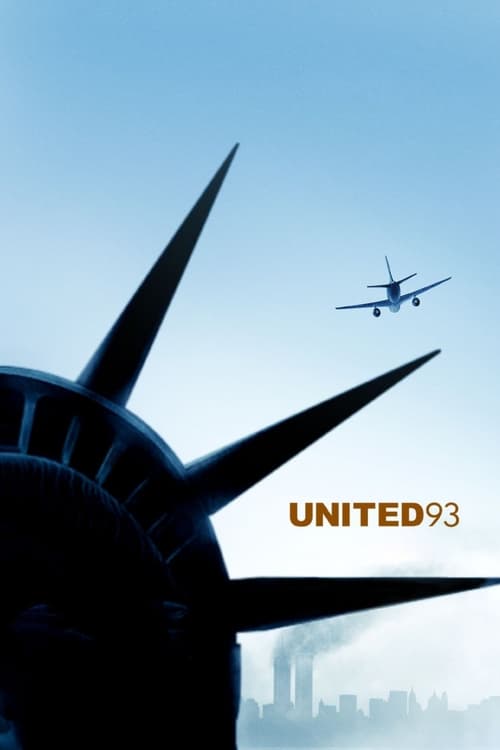
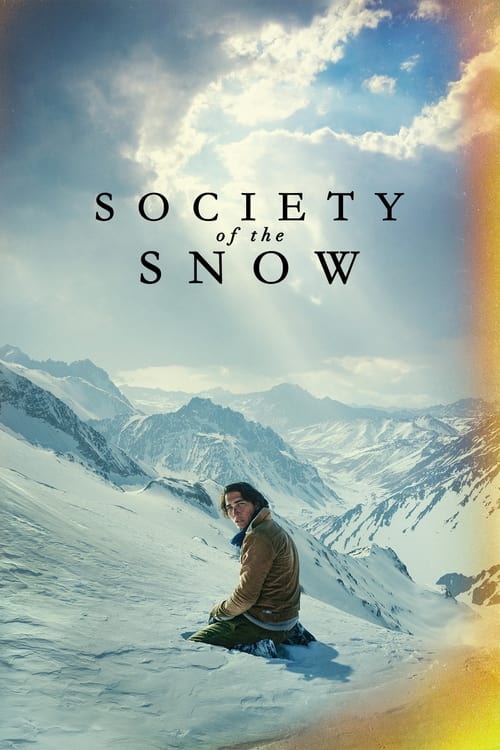
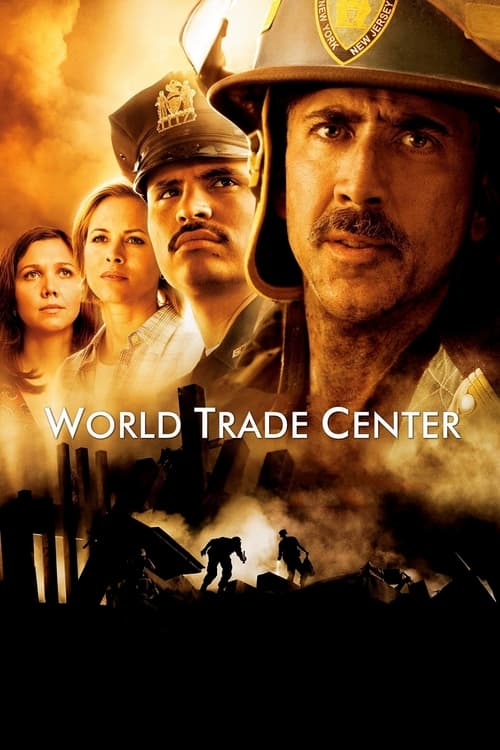
Based on real events
Catastrophes that actually happened, and the films that faced them

Disaster on television
Docuseries, dramas and the shows that reconstructed the worst days
Disaster games
Playing through the catastrophe, from the inside and the outside
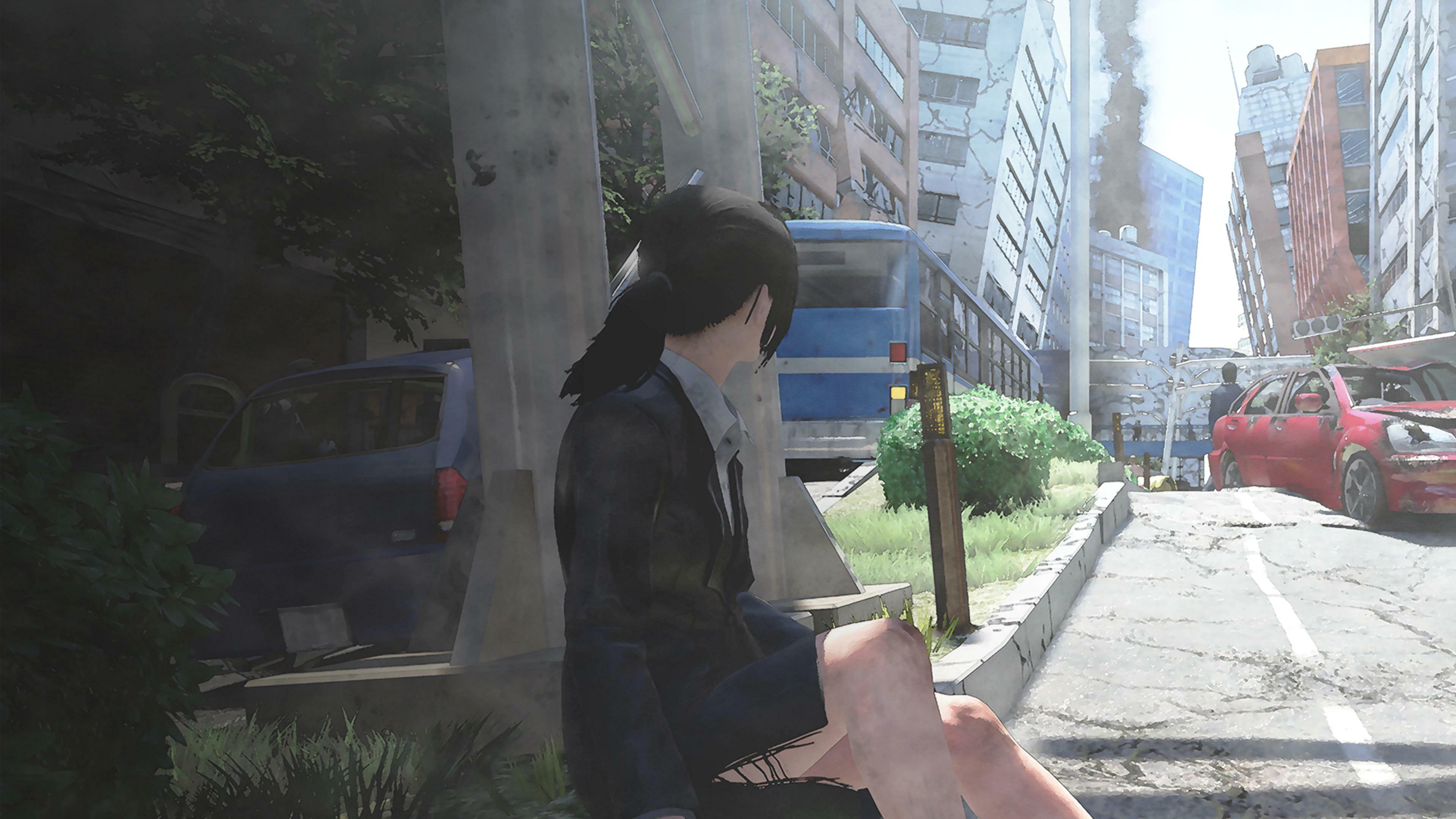
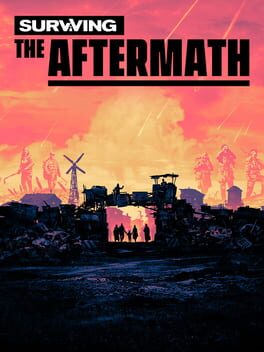



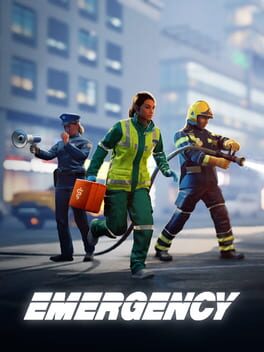
Disaster games put you on the wrong side of the cordon
The Disaster Report series (Irem, 2002 onwards) is a cult object for a reason: it puts you inside a collapsing city with limited supplies and asks you to make choices rather than solve puzzles. You are not the hero arriving to rescue people. You are a person trapped, making small decisions about which way to go when the ground keeps moving. Stormworks: Build and Rescue goes the other direction entirely -- you are the rescue services, designing the vehicles and systems that will reach survivors -- and it is unexpectedly engrossing. The dispatcher games (911 Operator, 112 Operator) occupy a different register: clinical, information-dense, and quietly devastating when you miss a call.
Disaster on the page
The non-fiction and fiction that understood catastrophe before the cameras arrived


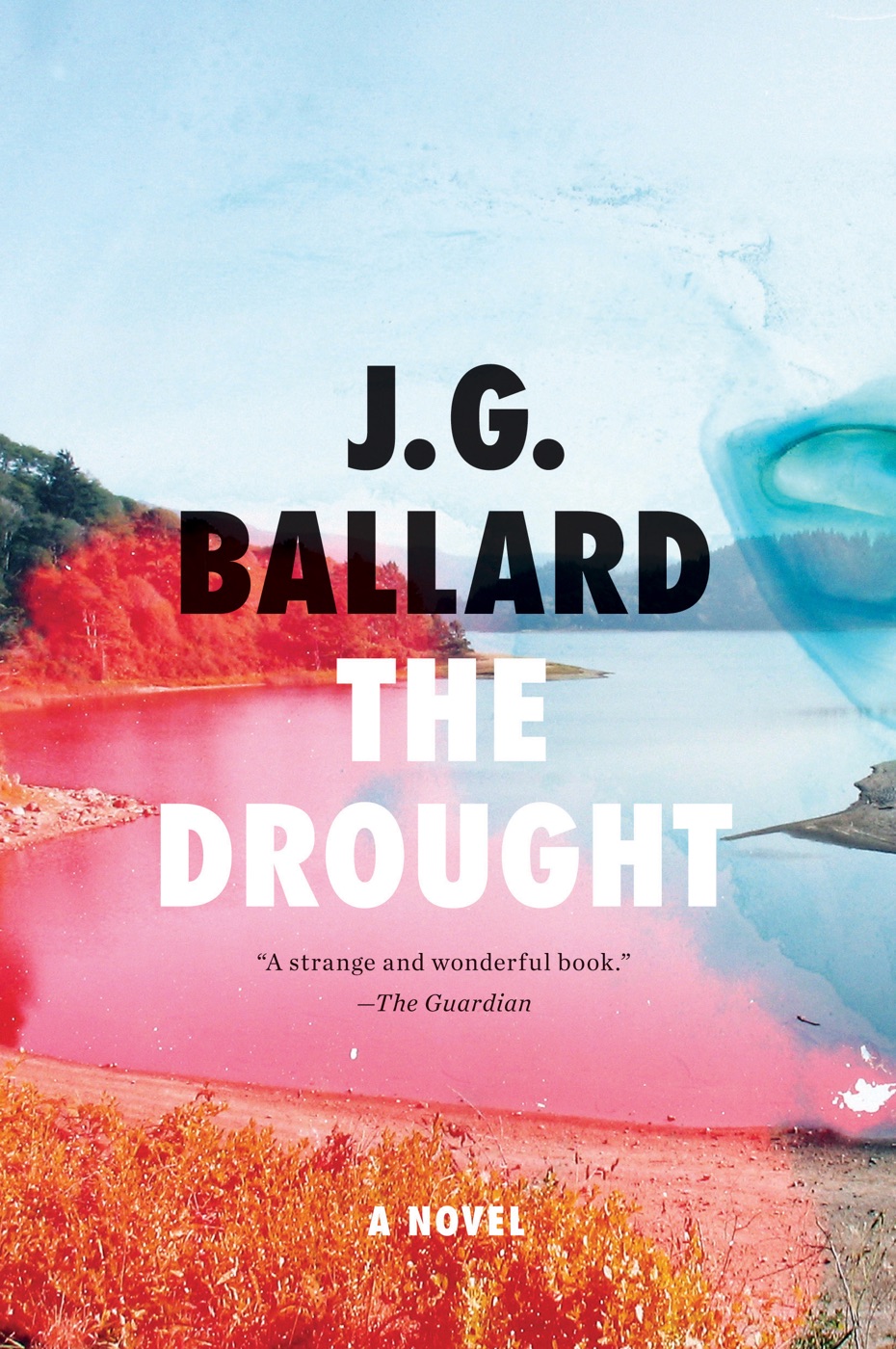
More catastrophe and the people who survive
Firefighters & First Responders
Explore the Firefighters & First Responders guide →A disaster story is not about what falls. It is about what holds.On why the genre keeps returning