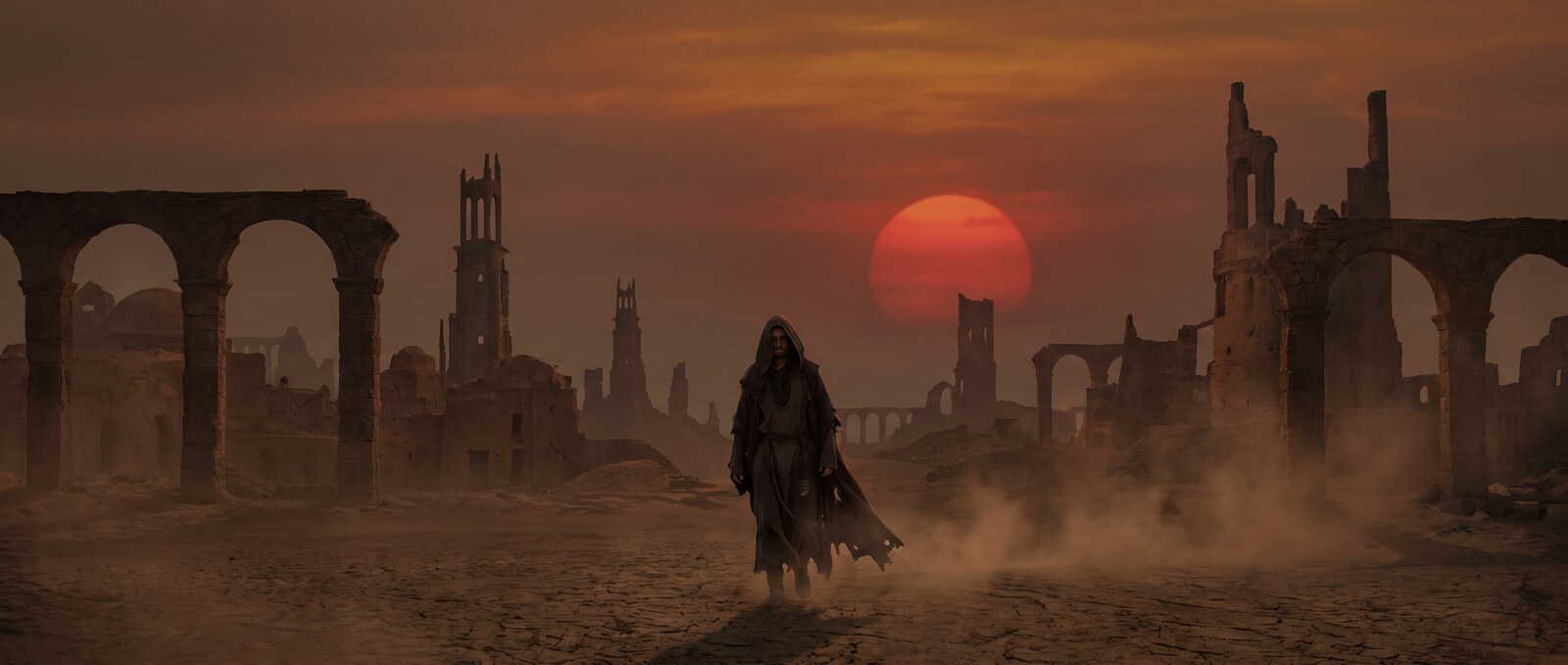

The Dying Earth is science fiction at the end of time. Its worlds are impossibly old, their suns guttering red, their civilizations sunk into decadence, superstition and forgotten technology that survivors can only treat as sorcery. H.G. Wells glimpsed the sun's red death in The Time Machine, Jack Vance named and defined the subgenre in 1950, and Gene Wolfe raised it to literary greatness. Today its melancholy grandeur, of a beautiful, exhausted world where science and magic have become the same thing, echoes through games like Dark Souls and Elden Ring.
This is the complete guide across every medium: the founding books, Gene Wolfe's towering Solar Cycle, the far-future sunset in fiction, the anime that dreamed of exhausted worlds, and the video games that made the fading of the light playable.
The essential dying earth





The founding books


The Book of the New Sun is the dying-earth masterpiece
Gene Wolfe's tetralogy follows Severian, an exiled torturer wandering a far-future Urth where the sun is dimming, cathedrals are starships, and every ruin holds a mystery its inhabitants can no longer read. Told by an unreliable narrator with a perfect memory, it rewards, and demands, rereading, hiding a science-fiction structure beneath the surface of a decadent fantasy. It is one of the towering achievements of the genre, and the dying earth's finest hour.
Gene Wolfe's Solar Cycle


The dying-world game
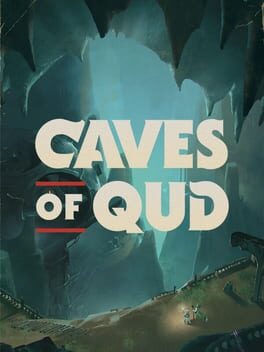



The last twilight on screen
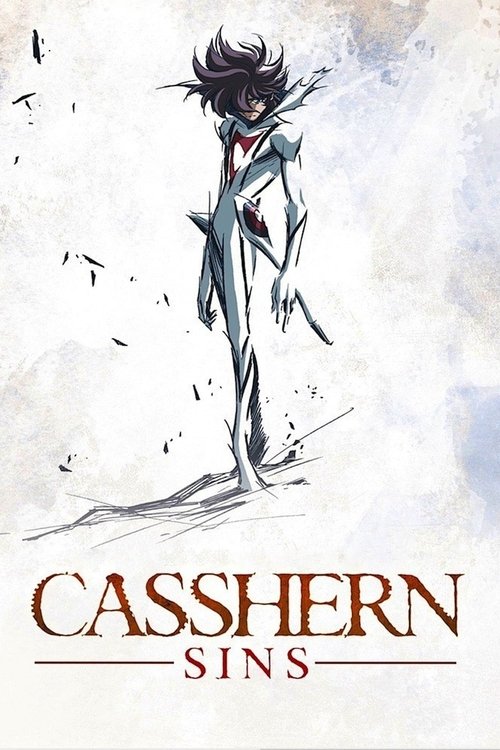

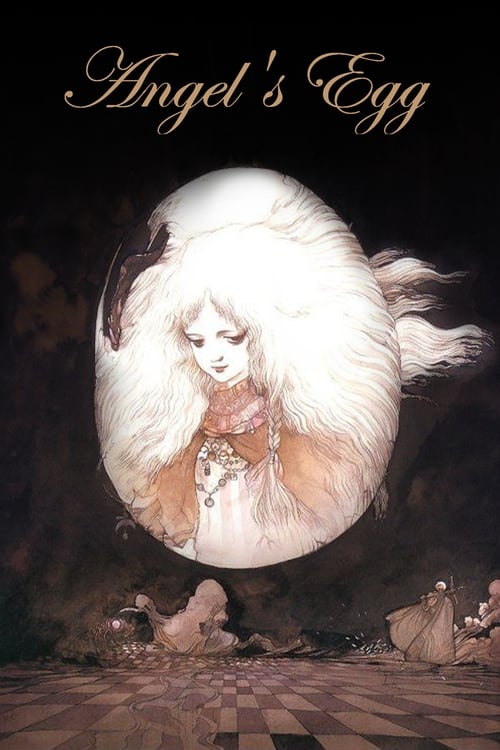
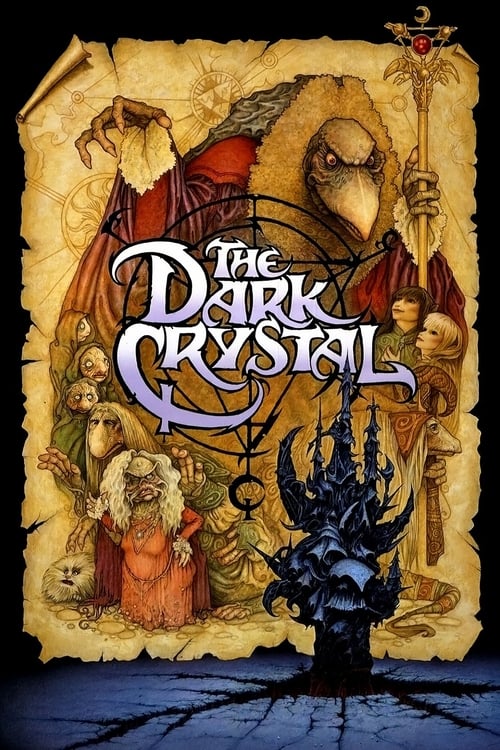
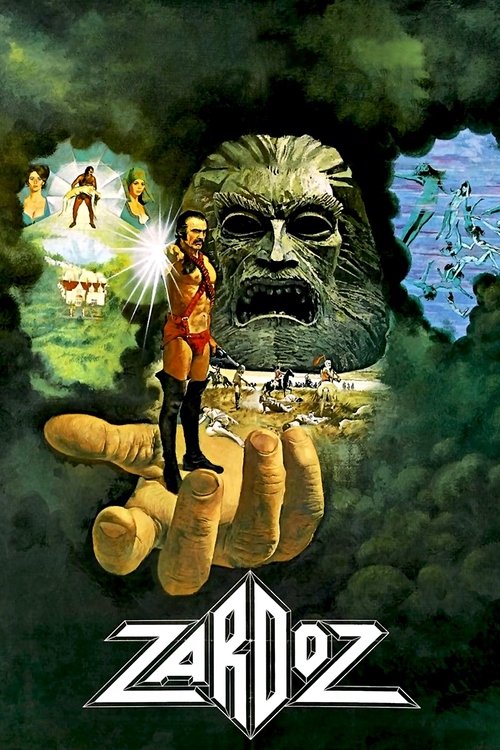
Jack Vance named and defined the whole subgenre
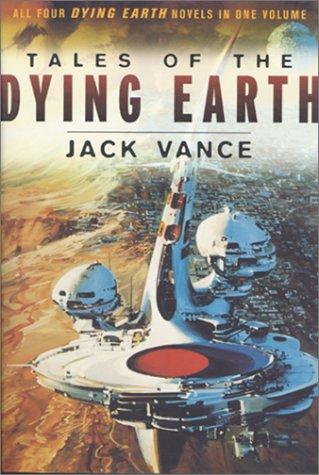
Vance's 1950 The Dying Earth imagined a far-future world where magic is simply science so old its principles have been forgotten, populated by decadent sorcerers, weary adventurers and monsters at the end of history. His baroque, ironic prose and his vision of a beautiful, exhausted world influenced everyone from Gene Wolfe to Dungeons & Dragons, whose spell system borrows his memorized-magic idea wholesale. The subgenre carries his book's name for a reason.
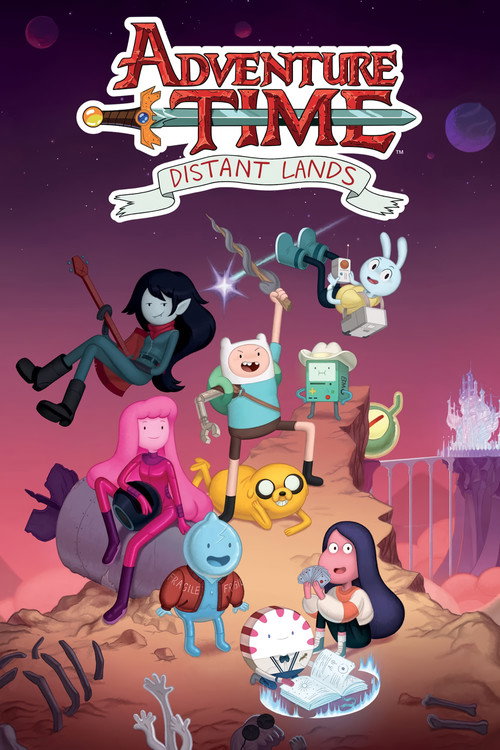
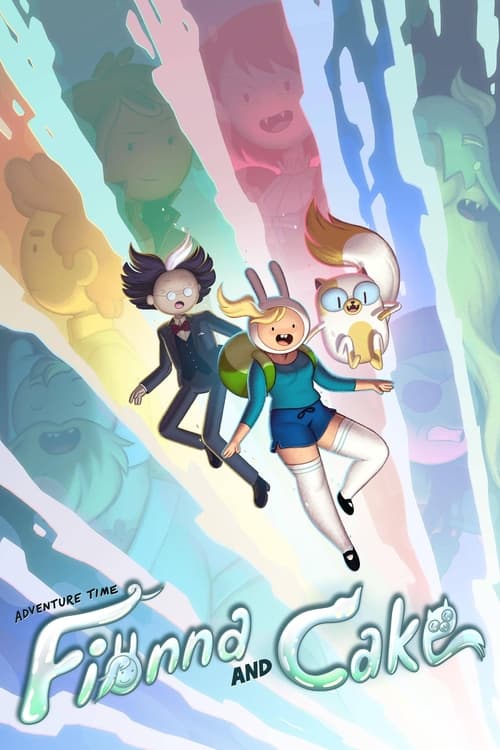
Adventure Time and the secret apocalypse
The timeline
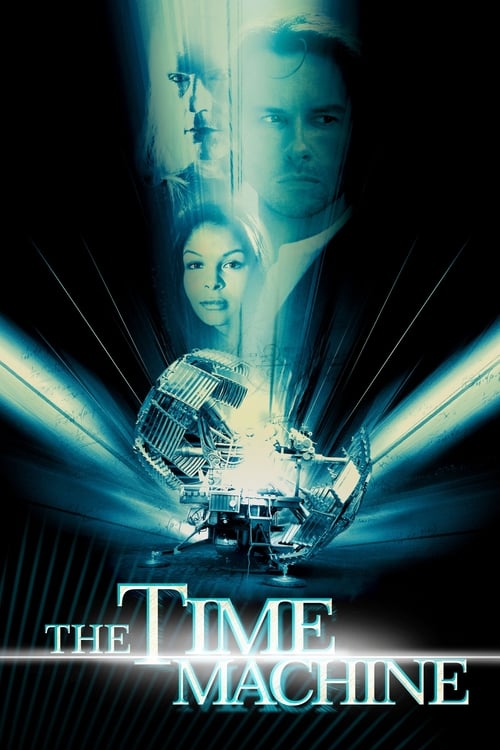
- 1895H.G. Wells's The Time Machine glimpses the red death of the sun at the end of time. The Time Machine
- 1912William Hope Hodgson's The Night Land envisions a lightless, dying far future. The Night Land Volume 1
- 1950Jack Vance's The Dying Earth names and defines the subgenre. Tales of the Dying Earth
- 1956Arthur C. Clarke's The City and the Stars pictures a billion-year-old Earth. The City and the Stars
- 1962Brian Aldiss's Hothouse fills a dying earth with monstrous vegetation. Hothouse
- 1980Gene Wolfe's The Shadow of the Torturer begins the Book of the New Sun. The Shadow of the Torturer
- 1984Nausicaä of the Valley of the Wind brings the exhausted world to anime. Nausicaä of the Valley of the Wind
- 2011Dark Souls turns the fading world into a video-game language. Dark Souls
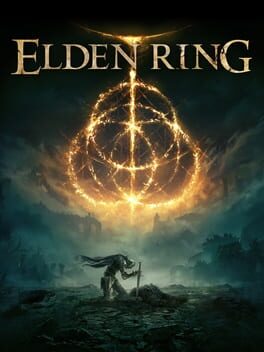
- 2022Elden Ring carries the dying earth to a mass global audience. Elden Ring
FromSoftware made the dying world playable
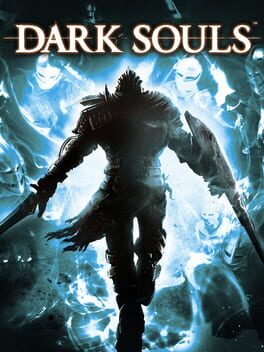
Dark Souls and Elden Ring are dying-earth stories in game form: worlds where a great flame or golden order is fading, civilization has collapsed into ruin and madness, and the player pieces together a fallen history from fragments. Their melancholy grandeur, their beauty-in-decay art direction and their sense of arriving too late to a world already ending are the purest interactive expression of the subgenre's mood.
Nausicaa imagines the dying earth healing itself
Hayao Miyazaki's Nausicaä of the Valley of the Wind sets its story a thousand years after an industrial apocalypse, in a world slowly being reclaimed by a toxic fungal jungle that is secretly purifying the poisoned earth. It takes the dying-earth premise of an exhausted, post-collapse world and finds in it not despair but a fragile, patient hope. It is the subgenre at its most beautiful and its most humane.
The chroniclers of the end
Keep exploring
After the End
Explore the After the End guide →Frequently asked
What is the Dying Earth subgenre?
Dying Earth is a subgenre of science fiction and science fantasy set in the extremely far future, when the sun is dying, the Earth is impossibly old, and civilizations have declined into decadence or superstition. A hallmark is technology so ancient it is treated as magic. The name comes from Jack Vance's 1950 book The Dying Earth, though H.G. Wells and William Hope Hodgson wrote foundational examples earlier.
Why does magic appear in Dying Earth science fiction?
In these far-future settings, science has advanced so far and then decayed so thoroughly that surviving humans no longer understand the technology around them and treat it as sorcery. This embodies Arthur C. Clarke's famous law that any sufficiently advanced technology is indistinguishable from magic. Jack Vance's memorized spells and Gene Wolfe's starship-cathedrals are really lost science.
Is Dark Souls a Dying Earth story?
Thematically, yes. FromSoftware's Dark Souls and Elden Ring depict worlds where a sustaining force (the First Flame, the Golden Order) is fading, civilization has collapsed into beautiful ruin, and the player uncovers a lost history. That mood of arriving at the end of a long, declining age is central to the Dying Earth tradition, even if the games are not usually labeled science fiction.
Where should I start with the Dying Earth?
Jack Vance's The Dying Earth is the short, foundational entry point; Gene Wolfe's The Shadow of the Torturer is the genre's literary peak (and rewards patience). For classic SF, H.G. Wells's The Time Machine and Arthur C. Clarke's The City and the Stars. For the mood in other media, Nausicaä of the Valley of the Wind and Elden Ring.