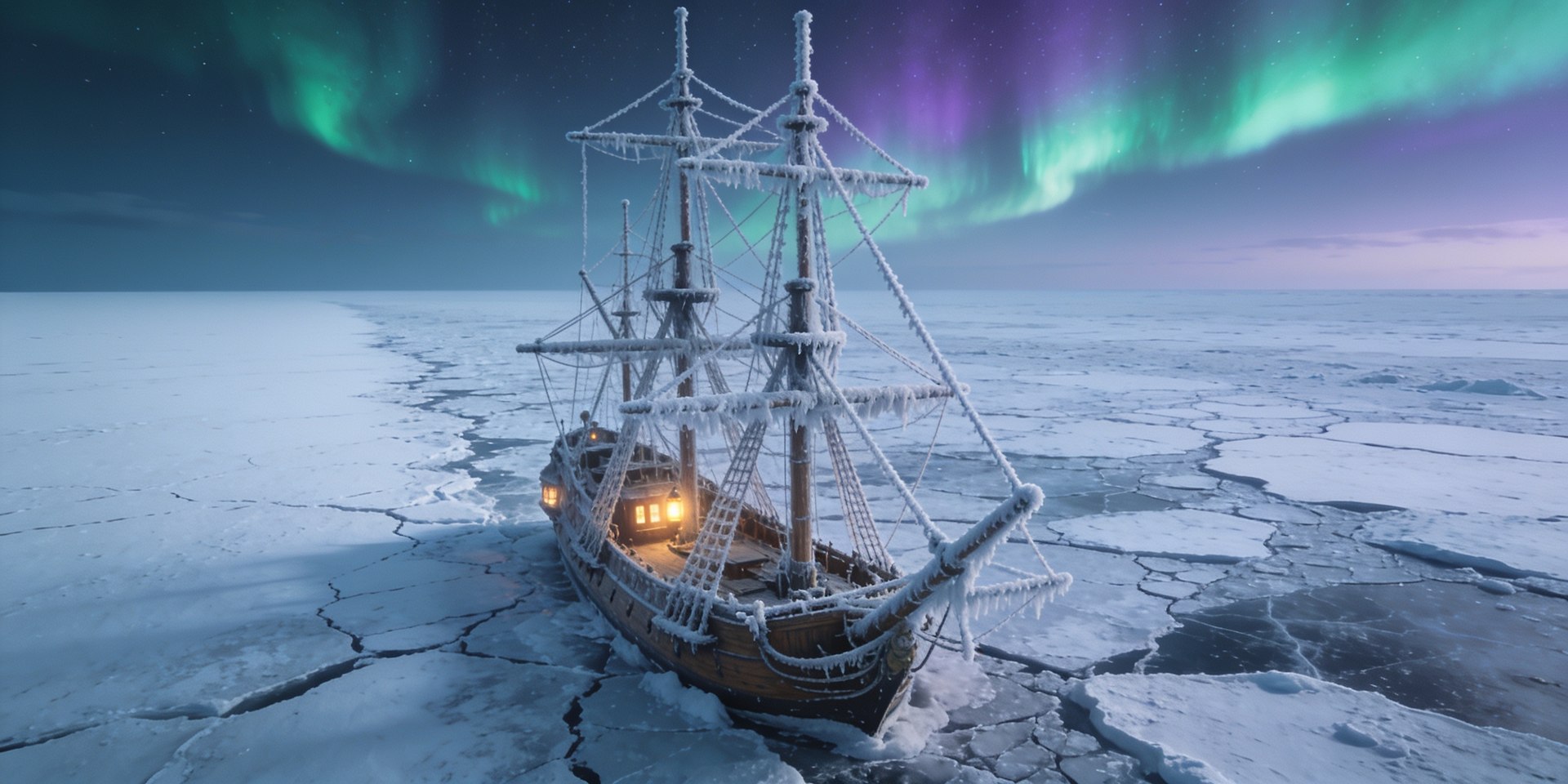

The poles are the only places on Earth that actively want you dead. Not in the way a predator wants you dead, with intent, but in the way a vacuum wants you dead: by indifference, by physics, by the simple fact that a human body at minus forty has hours to live and no appeal. That is why the ice keeps producing the same story across every medium. A small group of people, a long way from help, discover that the landscape is not a backdrop. It is the antagonist, and it does not negotiate.
This is the genre of the doomed expedition and the thing under the snow. It runs from the real horror of Franklin's lost ships and Scott's race to the pole through John Carpenter's paranoid masterpiece, into the survival logic of Frostpunk and Subnautica, and back to the page with Lovecraft mapping a dead alien city under the Antarctic plateau. What unites a Victorian polar diary, a creature feature and a city-builder is the cold itself: an enemy that cannot be killed, only outlasted, and usually not even that.
Essential Arctic and Antarctic
The canon of polar dread across film, television, games and the page
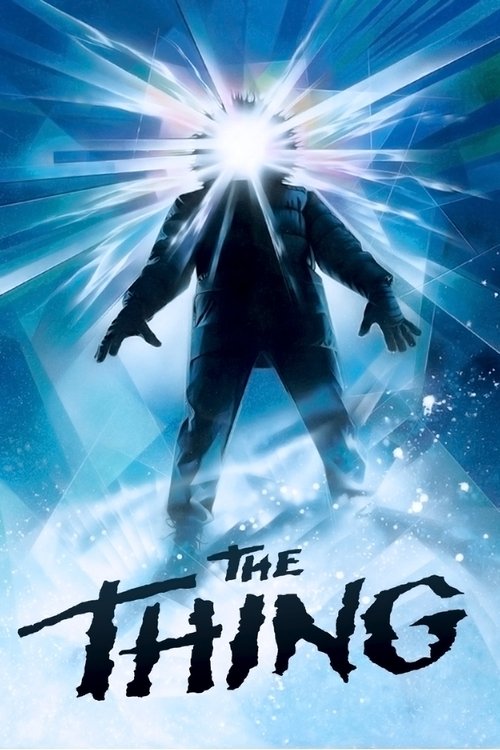

The Thing is the coldest film ever made
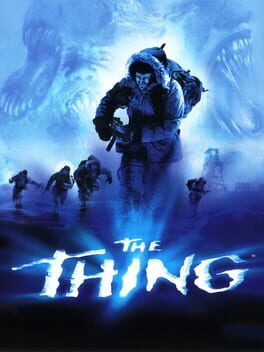
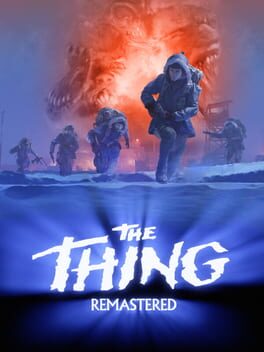
John Carpenter's The Thing (1982) understood something most polar horror misses: the monster is the second problem. The first problem is that there is nowhere to go. The American research station sits on an Antarctic plain with a storm closing in, and the men cannot leave even when they realize one of them is no longer a man. The creature only works because the cold has already sealed the trap. Rob Bottin's practical effects still curdle the stomach forty years on, but the film's real horror is social: paranoia in a room full of people you can no longer trust, with the temperature outside making the door a death sentence.
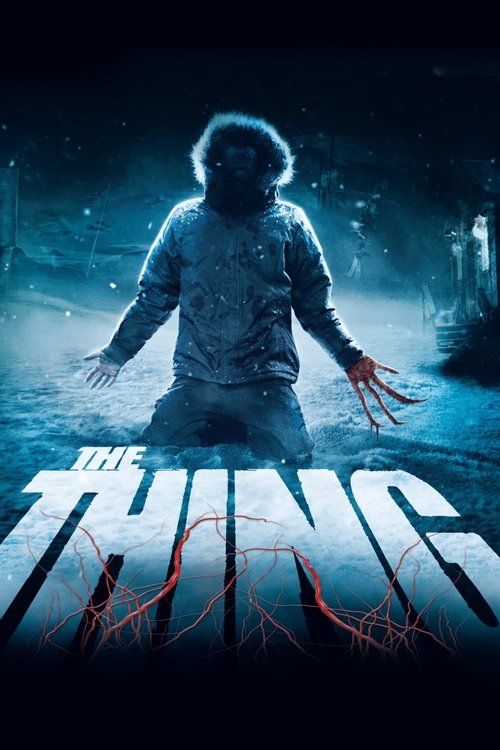
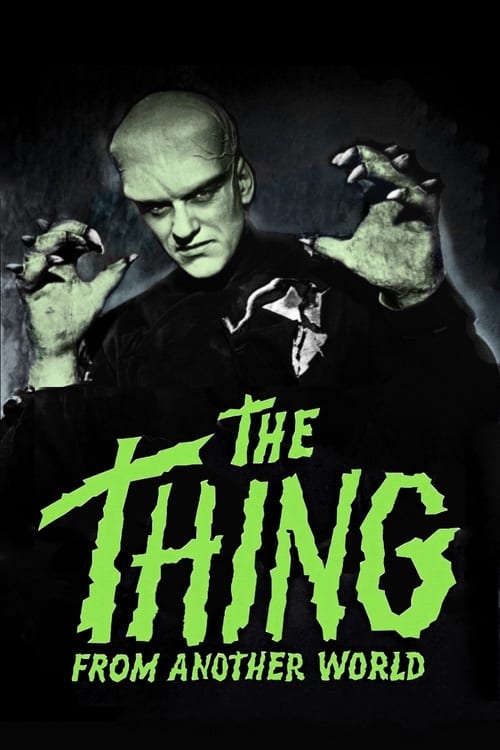
The 2011 film is a prequel, not a remake, set at the Norwegian camp that finds the creature first. It is more conventional, and its over-reliance on digital effects undercuts the dread, but it earns its place by ending exactly where Carpenter's film begins. The Thing from Another World (1951), where the menace is a vegetable Frankenstein from a downed saucer, is the colder, talkier original that started the whole lineage at an Arctic outpost.
The ice on film
Whiteouts, monsters and the long walk home
The expeditions that did not come back
The most frightening polar stories are the ones that happened. In 1845 Sir John Franklin sailed two ships, HMS Erebus and HMS Terror, into the Arctic to find the Northwest Passage. None of the one hundred and twenty nine men ever came home. The ships were crushed by ice, the crews abandoned them, and the survivors died on foot across King William Island, some of them, the forensic evidence suggests, eating each other. Dan Simmons turned that disaster into a novel and AMC turned the novel into a series, The Terror, which keeps almost everything real and adds a single supernatural predator stalking the men across the pack ice. It barely needed the monster. The scurvy, the lead poisoning and the slow social collapse are horror enough.
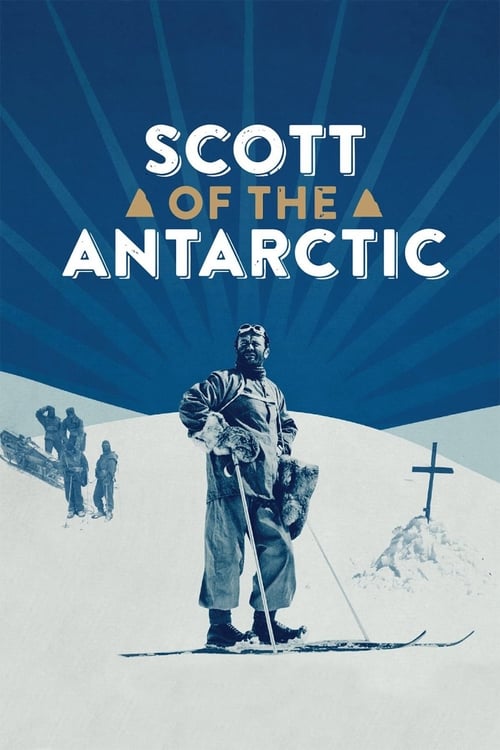
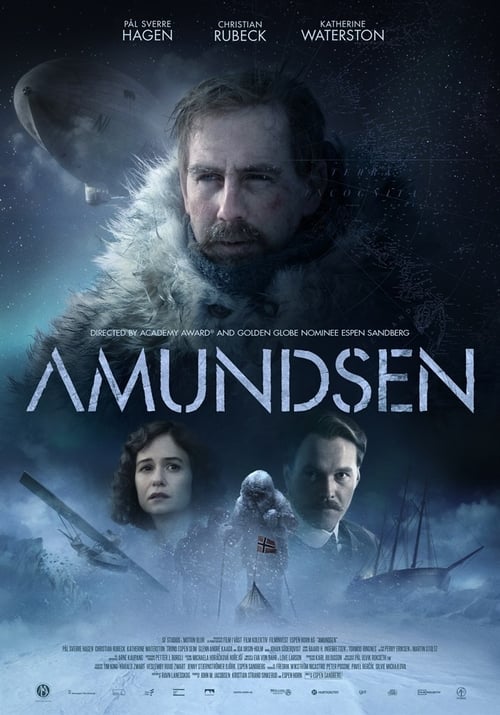
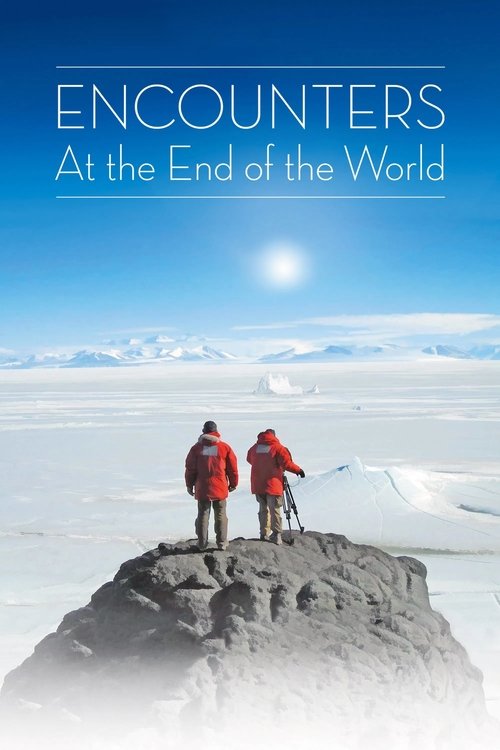
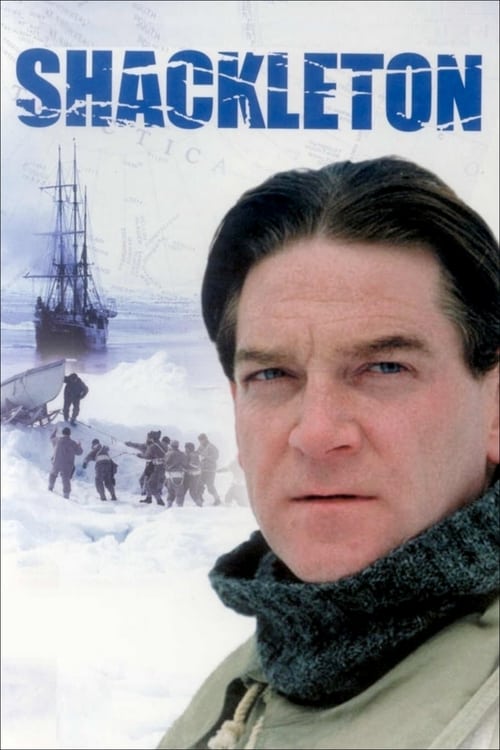
The Antarctic has its own roll of the dead. Scott of the Antarctic (1948) and the Norwegian biopic Amundsen (2019) dramatize the 1911 race to the South Pole that Roald Amundsen won and Robert Falcon Scott lost with his life, his entire return party freezing to death eleven miles from a supply depot. Documentaries like Encounters at the End of the World and March of the Penguins show the continent as it is now: still the emptiest, most hostile place a person can stand.
True expeditions and the cold continent
Franklin, Scott, Amundsen and the real Antarctic on screen

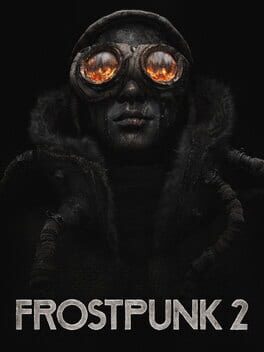
Frostpunk turns survival into a moral problem
Most survival games ask whether you can stay alive. Frostpunk asks what you are willing to become to do it. The premise is a frozen apocalypse: the last city of humanity huddles around a coal generator in a crater, the temperature falling past anything a person can survive, and you are in charge. Every decision has a cost paid in human dignity. Child labor keeps the mines running. A guard corps keeps order and crushes dissent. By the time the worst storm hits, you have usually signed off on things you would never have considered on day one, and the game makes you read your own laws back to yourself in the final screen.
Frostpunk 2 widens the scope to a whole society past the immediate crisis, trading the tight survival loop for political faction management. It is colder in a different way: the disaster is now other people. Both games understand that in the genre's logic, the cold is not the only thing that strips humans down to the bone.
The ice to play
Build a city, survive the depths, or face the thing in the dark
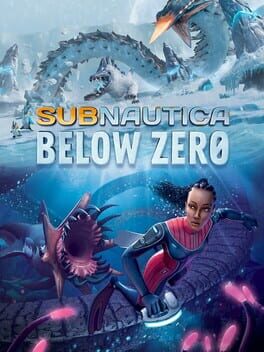
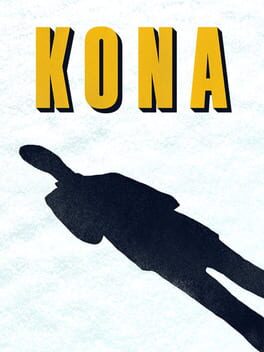
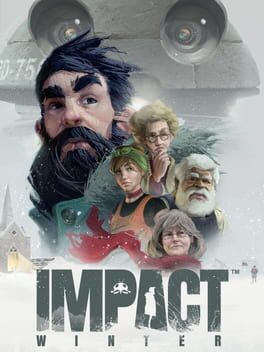
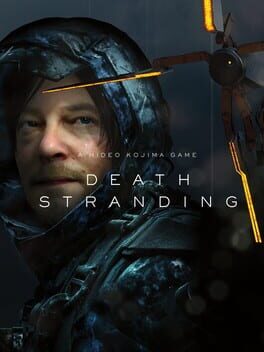
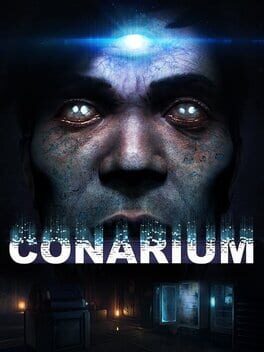
Subnautica makes the cold beautiful before it makes it lethal
Subnautica is set on an alien ocean world, but its sequel Below Zero relocates to an arctic biome, and the original already nails the core feeling of polar survival: you are alone, the environment is indifferent, and the most ordinary act, breathing, is on a timer. Diving into the dark with an oxygen meter ticking down is one of the purest expressions of the genre's central fear. There is somewhere you cannot stay, and the place you can stay is shrinking.
What lifts it above pure dread is the wonder. The deep is genuinely gorgeous, full of bioluminescence and strange architecture, and the game trusts you to be curious enough to keep descending even though every instinct says turn back. That tension between awe and terror is exactly what draws people to the real poles. Death Stranding runs the same wire across a ruined American tundra: a lone courier, brutal terrain, and the constant sense that the land is keeping score.
Cold cases and cabin fever on television
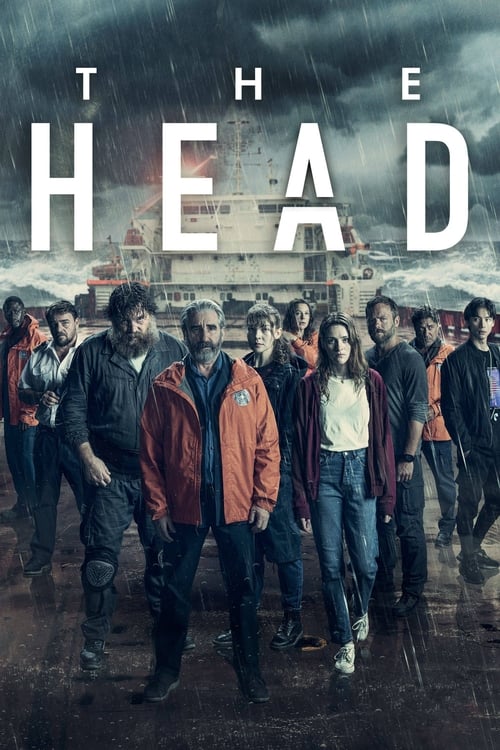
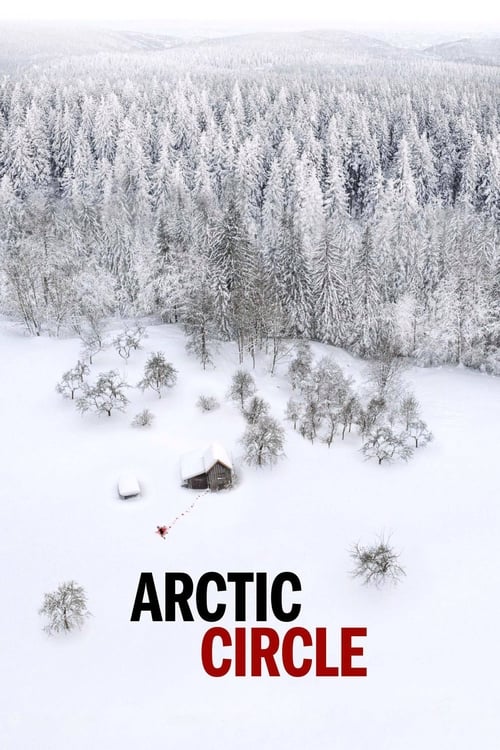
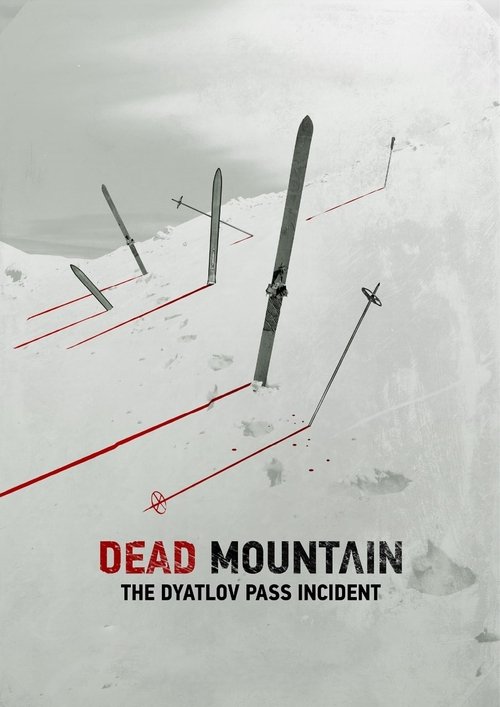
Series that strand you somewhere you cannot leave
For God's sake look after our people.From the final message in Robert Falcon Scott's diary, found beside his frozen body on the Ross Ice Shelf in 1912
What the page does that the screen cannot
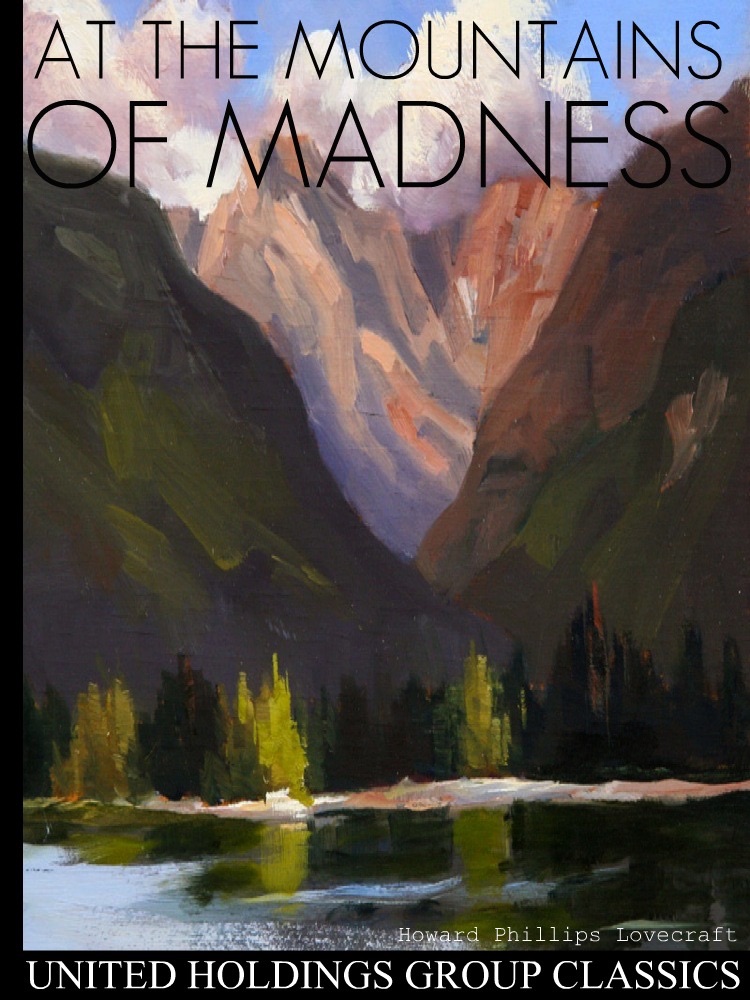
The cold is, in the end, an interior experience, and prose has always reached the inside of it best. H. P. Lovecraft's At the Mountains of Madness sends a geological expedition into the Antarctic interior and finds a vast dead city built by something that was here long before us. It invented the template for nearly every story on this page: the scientific party, the impossible discovery, the slow dawning that the white silence is not empty. The Terror on screen is great television, but the dread of the actual Franklin disaster lives in the survivor accounts and in books like I May Be Some Time, which traces how the British turned polar death into a national myth of noble sacrifice.
Peter Hoeg's Smilla's Sense of Snow is the great literary thriller of ice, built around a heroine who can read the difference between kinds of snow the way other people read faces, and Mary Shelley's Frankenstein is, people forget, a polar story: the entire novel is told to a ship's captain trapped in Arctic ice, and it ends with the creature vanishing across the floes toward the pole. Cold has been the genre's frame from the beginning.
The ice on the page
Lovecraft, Shelley, Hoeg and the polar canon in print


Smilla reads the snow, and the snow is hiding a body
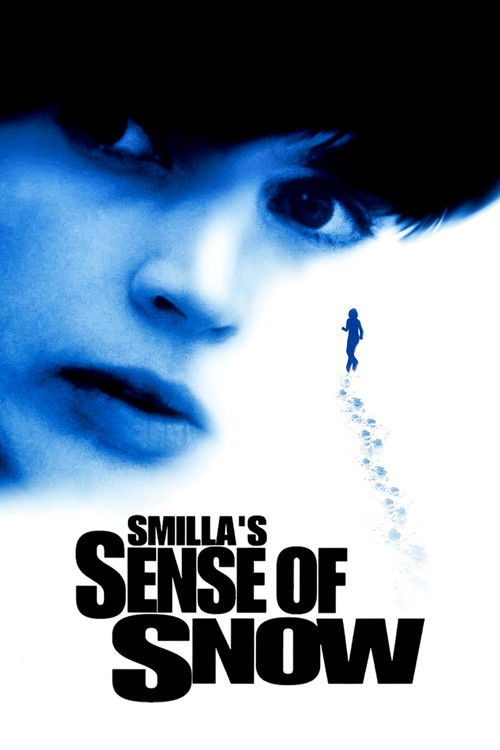
Bille August's Smilla's Sense of Snow (1997) is the rare polar story that puts a woman at the center and makes glaciology a murder weapon. Smilla Jaspersen, half Greenlandic Inuit, half Danish, refuses to accept that a child she knew fell from a Copenhagen rooftop by accident, because she can read the boy's footprints in the snow and they do not lie. The trail leads north, out of the city and onto a ship bound for the Greenland ice, where the cold stops being atmosphere and becomes the actual subject.
The film never quite matches Peter Hoeg's novel, which is one of the great works of icy fiction, as much an essay on snow and colonialism as a thriller. But Julia Ormond's Smilla is exactly right: prickly, brilliant, at home in the cold in a way that unsettles everyone around her. It is the best argument that the polar genre does not have to be men freezing to death. Sometimes it is one furious expert who understands the ice better than the people who think they own it.