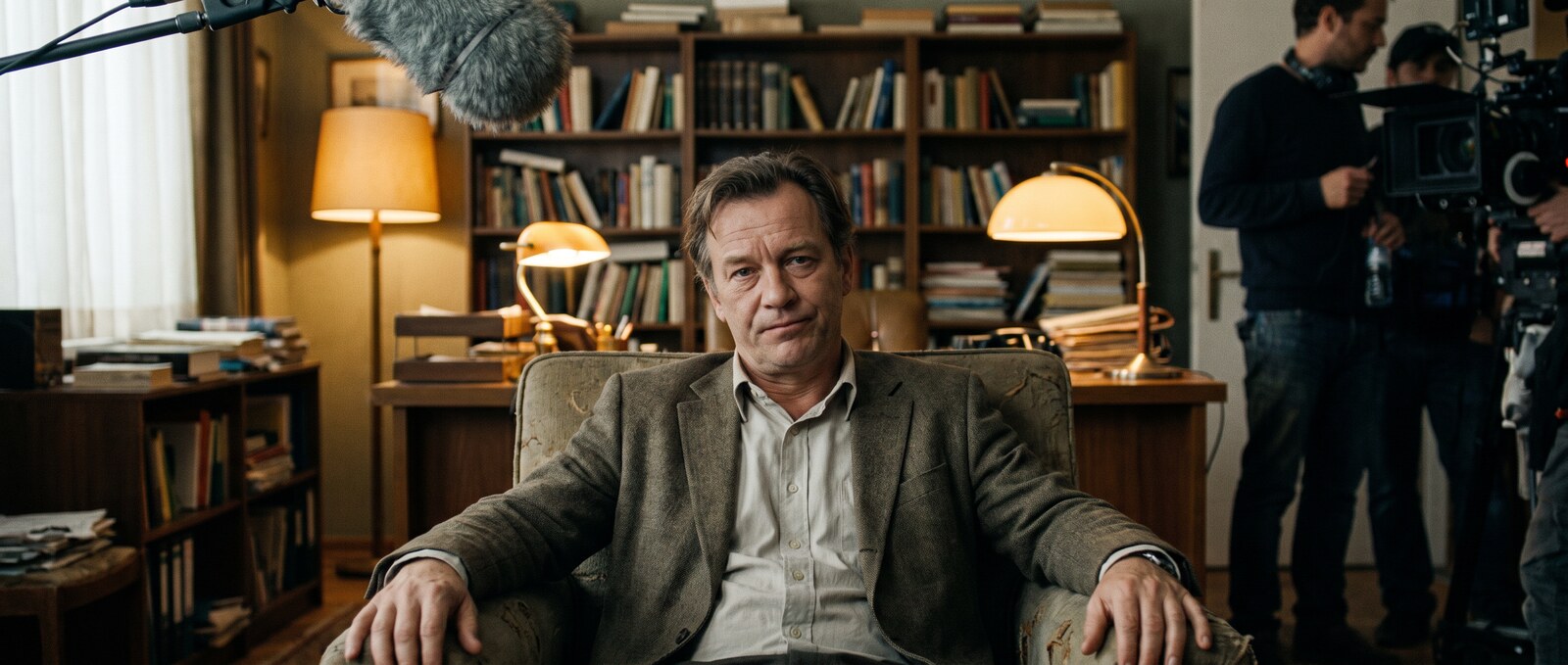

The mockumentary takes the earnest tools of the documentary, the fly-on-the-wall camera, the talking-head interview, the archival footage, and turns them to comedy or satire by pointing them at something entirely fake. The joke lives in the format itself: the deadpan sincerity, the glance to camera, the interview subject who has no idea how ridiculous they are. This Is Spinal Tap perfected the film version, Christopher Guest turned it into an art form, and The Office made it the dominant grammar of TV comedy for two decades.
This is the complete guide across screens: the workplace comedies, Christopher Guest's ensembles, Sacha Baron Cohen's prank films, the faux true-crime and news satire, mockumentary horror, the music spoofs, and the comedies of cringe.
The essential mockumentaries


The workplace mockumentary

This Is Spinal Tap invented the modern mockumentary
Rob Reiner and his cast improvised their way to the definitive fake documentary: a straight-faced profile of the dimmest heavy-metal band in history, complete with amps that go to eleven and drummers who keep dying in bizarre accidents. It is so committed to its format that many viewers on release thought Spinal Tap was a real band. Every mockumentary since, on film and television, is working in the language it wrote.
Christopher Guest's ensembles

The prank mockumentary

Faux true-crime and news satire

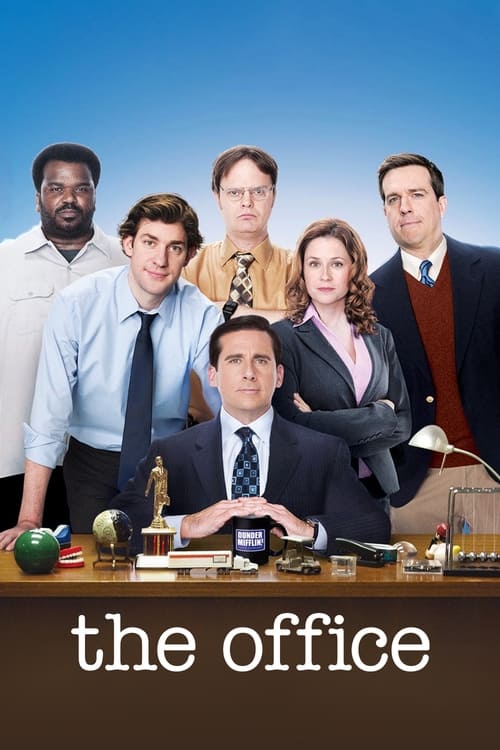
The Office made the mockumentary the default TV comedy
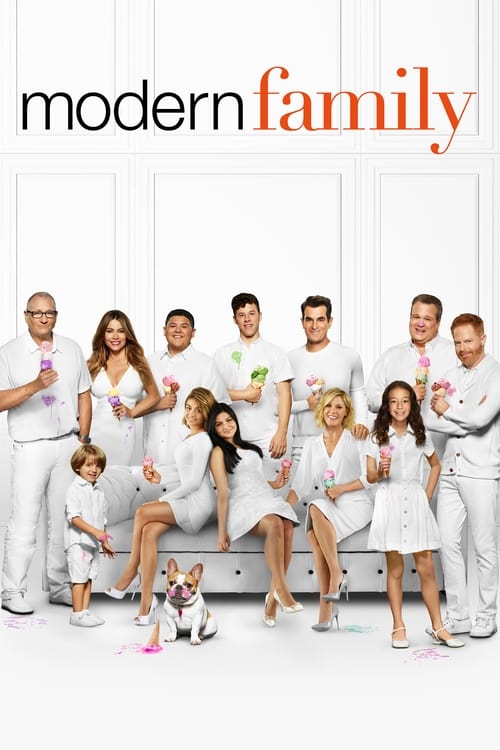
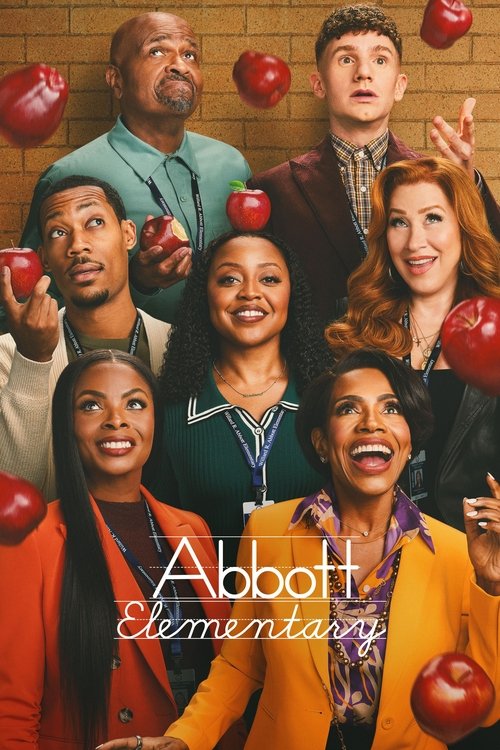
Ricky Gervais and Stephen Merchant's original and its enormous American remake proved the format could sustain an entire series: the talking-head confessional, the squirming silence, and above all the glance to camera that lets a character share their disbelief directly with the audience. It became the single most influential comedy grammar of its era, shaping Parks and Recreation, Modern Family, Abbott Elementary and countless others.
Mockumentary horror

The music mockumentary
The timeline
- 1984This Is Spinal Tap perfects the mockumentary film. This Is Spinal Tap
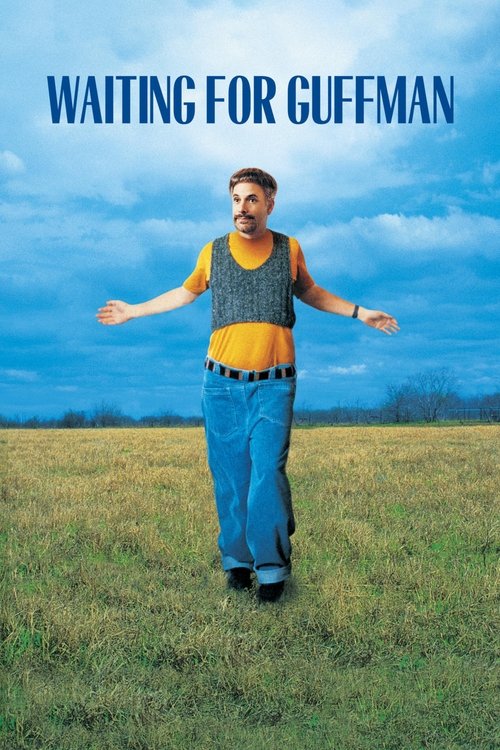
- 1996Waiting for Guffman launches Christopher Guest's run of ensemble mockumentaries. Waiting for Guffman
- 2001The Office brings the mockumentary format to television. The Office
- 2005The American Office and Reno 911! make the format a TV staple. The Office
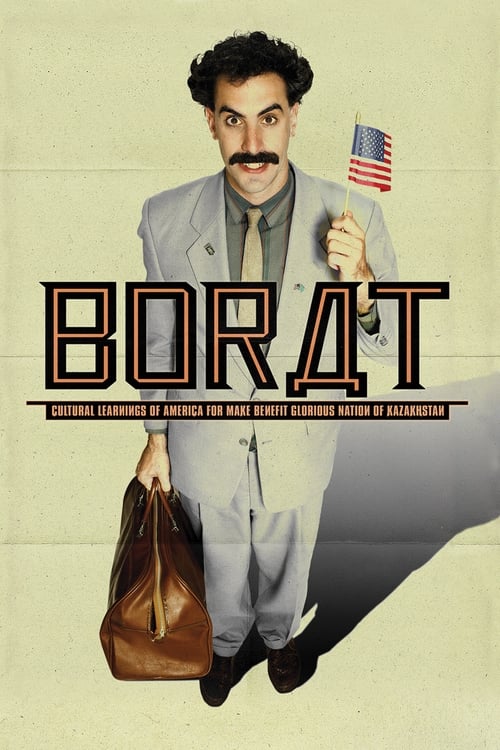
- 2006Borat takes the prank mockumentary to a global audience. Borat: Cultural Learnings of America for Make Benefit Glorious Nation of Kazakhstan
- 2009Modern Family and Parks and Recreation cement the mockumentary sitcom. Parks and Recreation
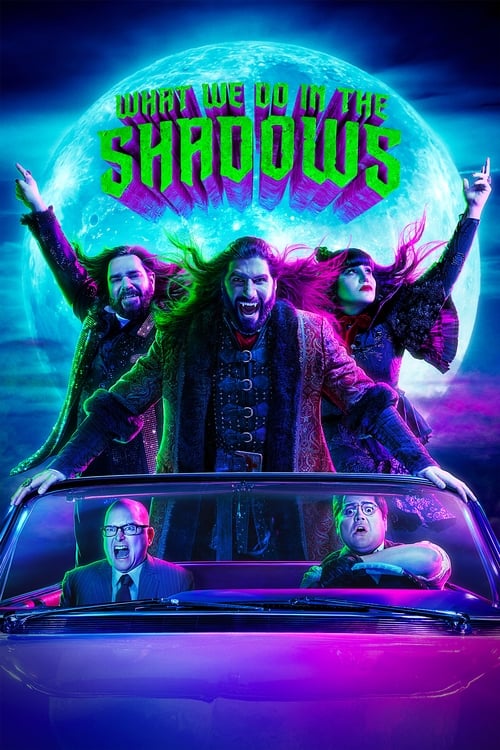
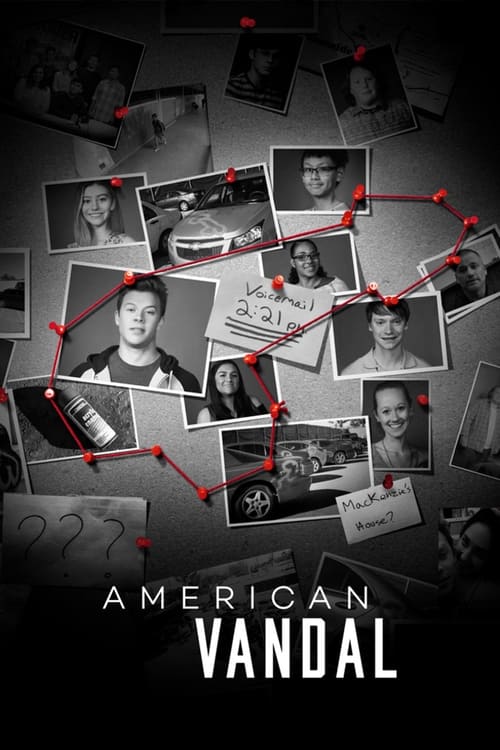
- 2019What We Do in the Shadows and American Vandal expand the format's range. What We Do in the Shadows
Borat weaponized the prank mockumentary
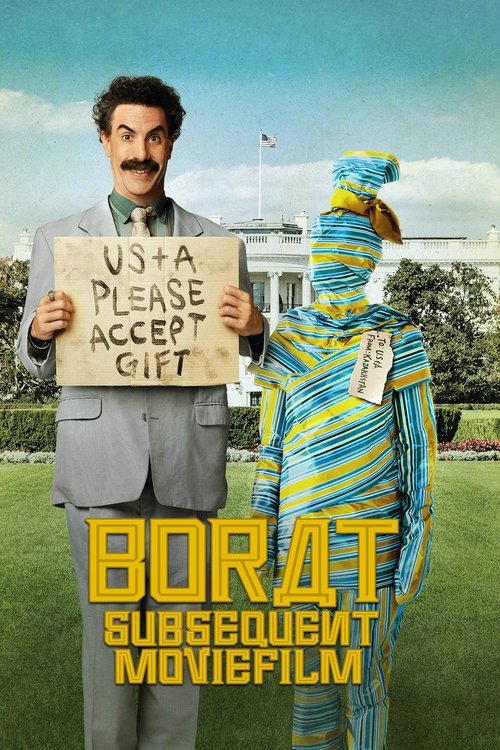
Sacha Baron Cohen took the fake documentary out of the writers' room and into the real world, sending a clueless foreign reporter to interview unsuspecting Americans and letting their genuine reactions do the satirical work. It is a high-wire act that is part character comedy, part guerrilla journalism, and its willingness to make real people the unwitting cast pushed the form somewhere genuinely dangerous and revealing.
Christopher Guest turned the mockumentary into an art form
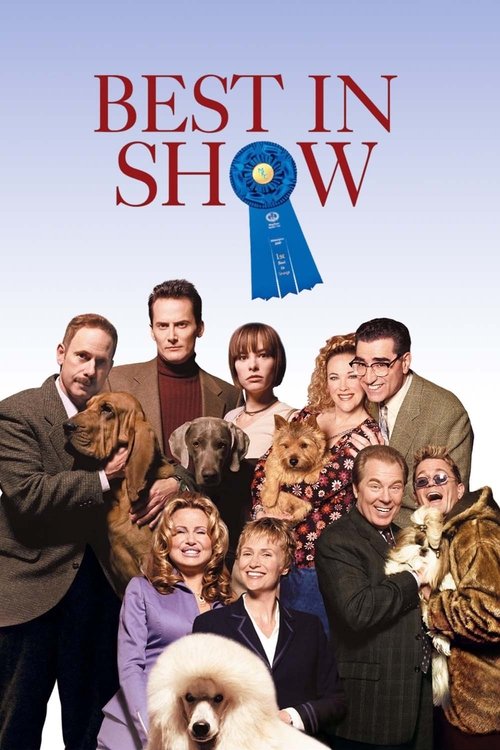
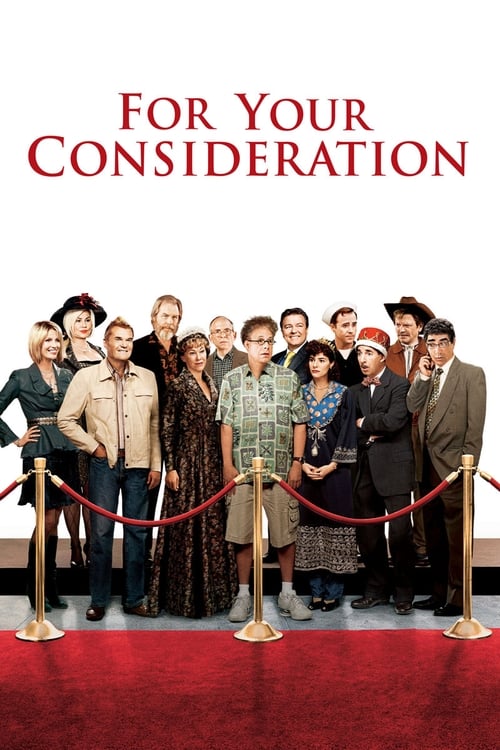
Across Waiting for Guffman, Best in Show and A Mighty Wind, Christopher Guest and his repertory company built the warmest, most humane corner of the genre: loosely improvised ensemble portraits of eccentric amateurs, dog-show obsessives and washed-up folk singers, treated with real affection even as they are gently skewered. His films proved the mockumentary could be as tender as it is funny.
The straight faces
Keep exploring
Comedy
Explore the Comedy guide →Frequently asked
What is a mockumentary?
A mockumentary (a blend of mock and documentary) is a work of fiction presented in the style and format of a documentary: with handheld camerawork, talking-head interviews, voiceover narration and archival footage, all applied to invented subjects. The comedy or satire comes from the contrast between the earnest documentary form and the ridiculous or fictional content. This Is Spinal Tap and The Office are defining examples.
What was the first mockumentary?
Fake-documentary techniques date back decades (Orson Welles and Woody Allen's Take the Money and Run and Zelig are important forerunners), but Rob Reiner's This Is Spinal Tap (1984) is widely credited with perfecting the modern comic mockumentary and popularizing the form. Christopher Guest, who co-wrote and starred in it, went on to define the genre.
Why is the glance to camera so important in mockumentaries?
The look to camera is the mockumentary's signature move. Because the premise is that a documentary crew is filming, characters can acknowledge the camera directly, sharing a reaction, a moment of disbelief or a private thought with the audience without breaking the fictional frame. Popularized by The Office, it became one of the most imitated comic devices in television.
Where should I start with mockumentaries?
This Is Spinal Tap is the essential film, followed by Christopher Guest's Best in Show and Waiting for Guffman. On television, The Office (either version), Parks and Recreation and What We Do in the Shadows. For the prank variety, Sacha Baron Cohen's Borat; for faux true-crime, American Vandal.