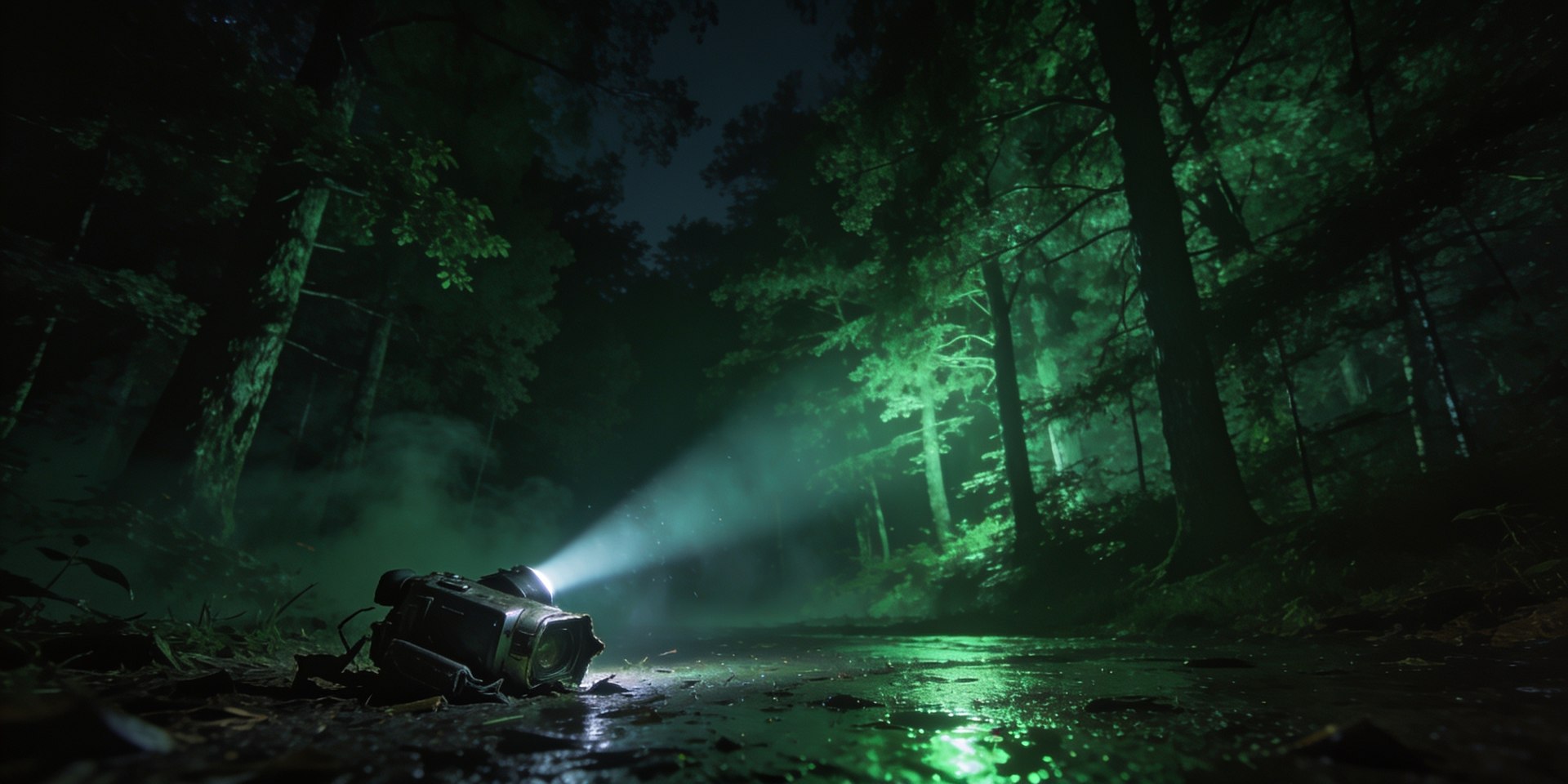

The found footage film works because it cheats in your favour. Strip away the score, the crane shots, the colour grade, and what remains is an agreement between you and the screen: this actually happened to real people. Your brain cannot help but take the bait. Camcorder grain, handheld shudder and a dead battery are more frightening than any orchestrated jump scare because they borrow the visual grammar of home video, of evidence, of the clip someone posted online at 2 a.m. that you could not stop watching.
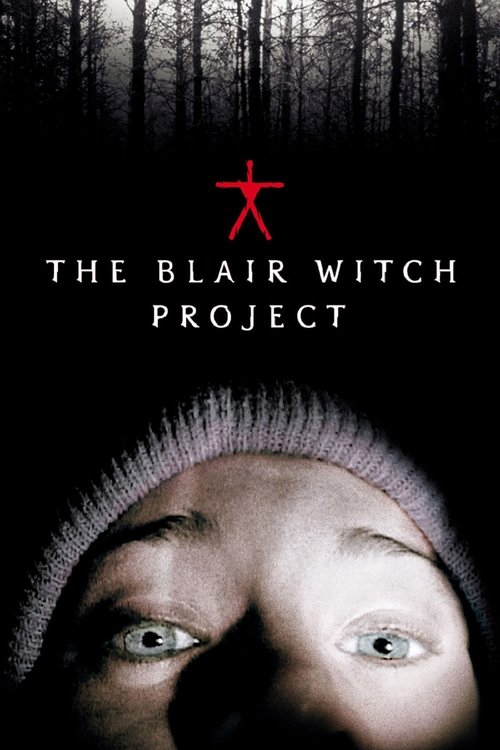
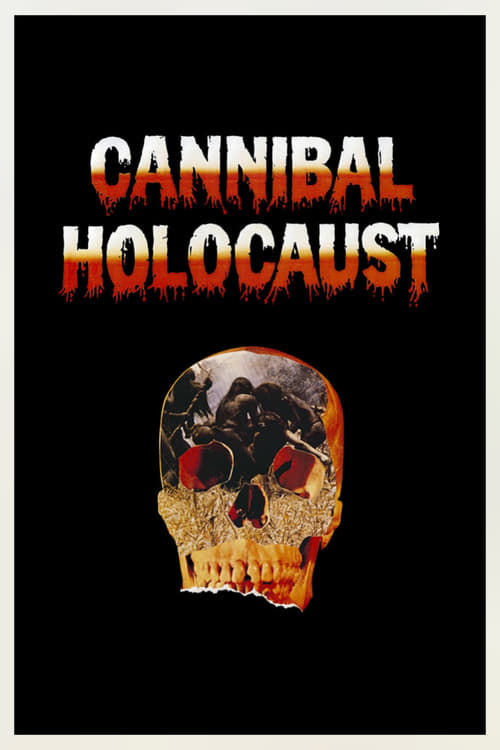
The form has a clear lineage. Cannibal Holocaust in 1980 did it first and most brutally, presenting footage as recovered film reels so convincing that director Ruggero Deodato was briefly charged with real murder. But found footage as a mainstream phenomenon began in a Maryland forest in 1999, when three film students pointed a camera at the dark and changed horror's relationship with a camera forever.
Essential found footage
The canon: recovered tapes, dropped cameras, last transmissions
![[REC]](https://image.tmdb.org/t/p/w500/hgyJR4sgMsee6xMFM3xYiG6cDCh.jpg)
The one that built the template
Before The Blair Witch Project, horror directors understood that a camera was a way to show an audience things. After it, they understood that a camera could also be the thing the audience is afraid of. Daniel Myrick and Eduardo Sanchez made the camera the witness, the perpetrator and the victim all at once. What they never showed sold more tickets than what they did: a pair of legs sticking out of a hole in the basement, a last frame of someone facing a corner. The film cost around $60,000 and grossed nearly $250 million worldwide, a ratio that still sits unchallenged in the genre's history. Every found footage film made since inherits its logic, whether it copies it, reacts against it, or pretends not to have seen it.
The ghost hunters
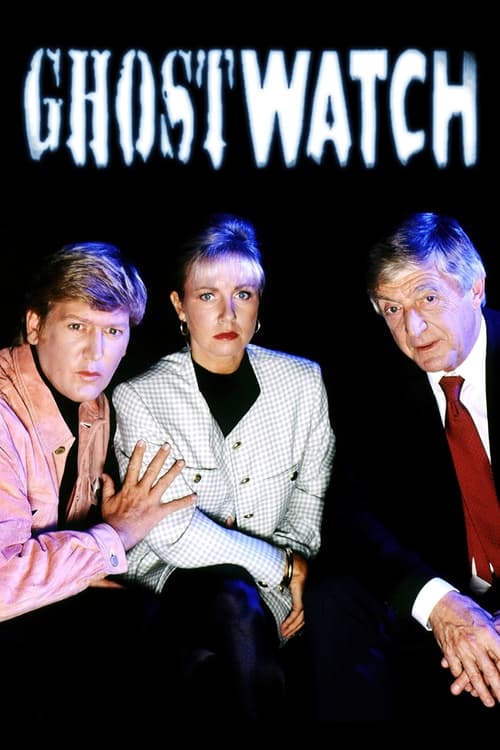
Haunted houses, paranormal investigations, cameras rolling through the night


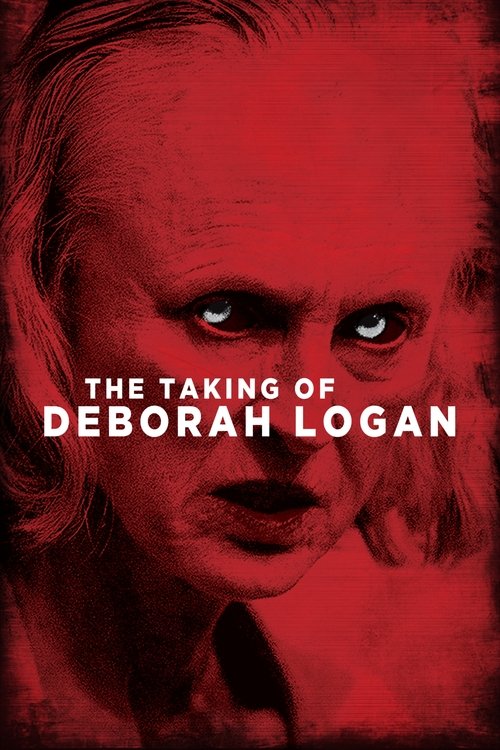
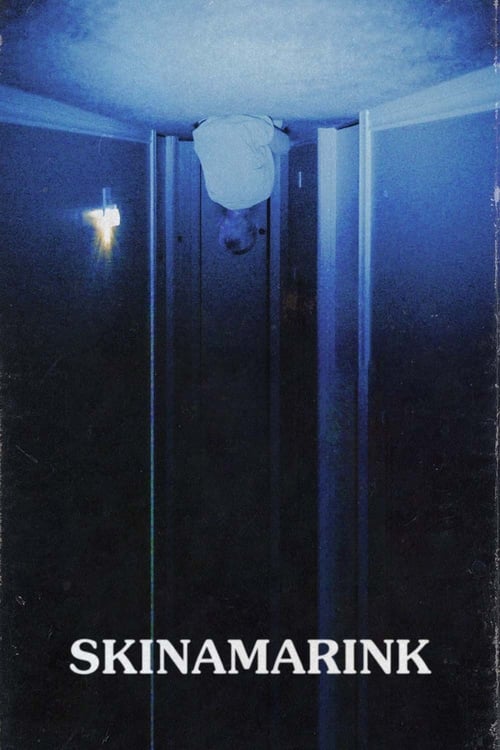
Why the camera is always rolling
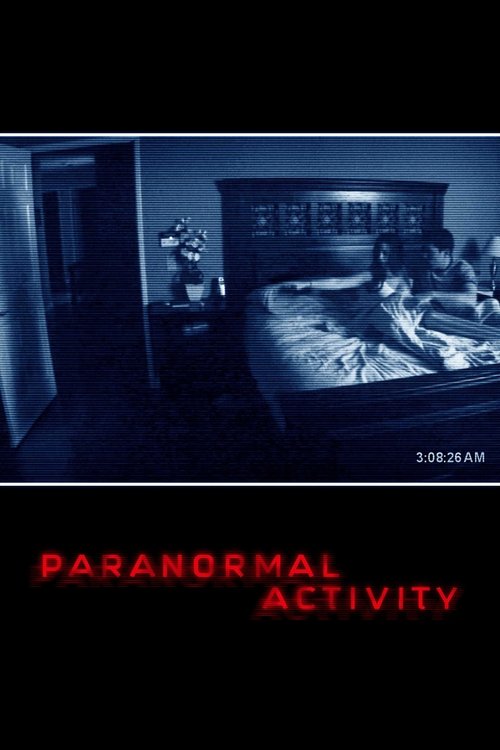
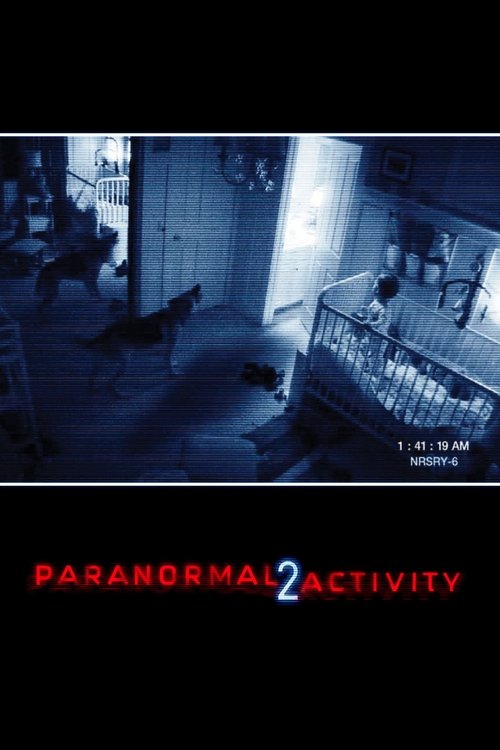
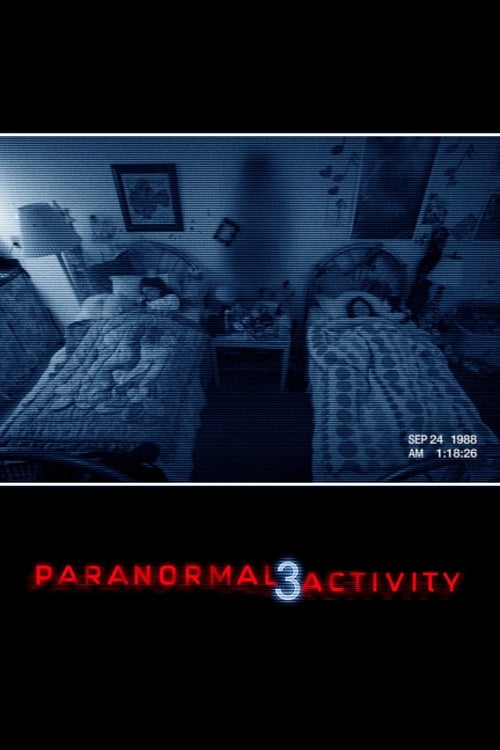
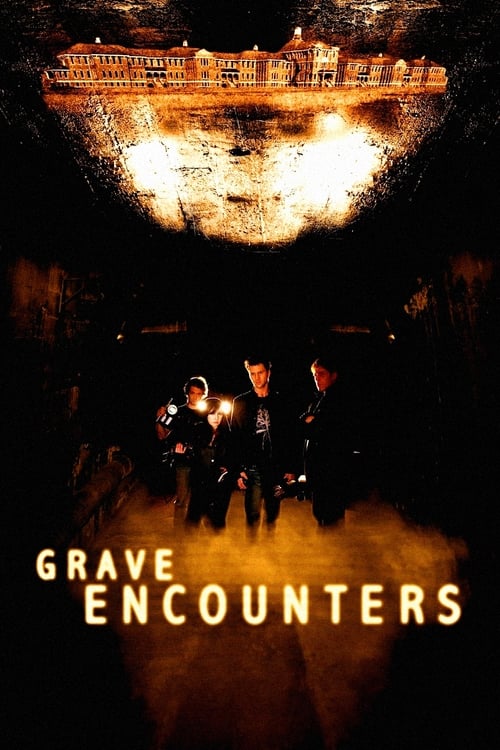
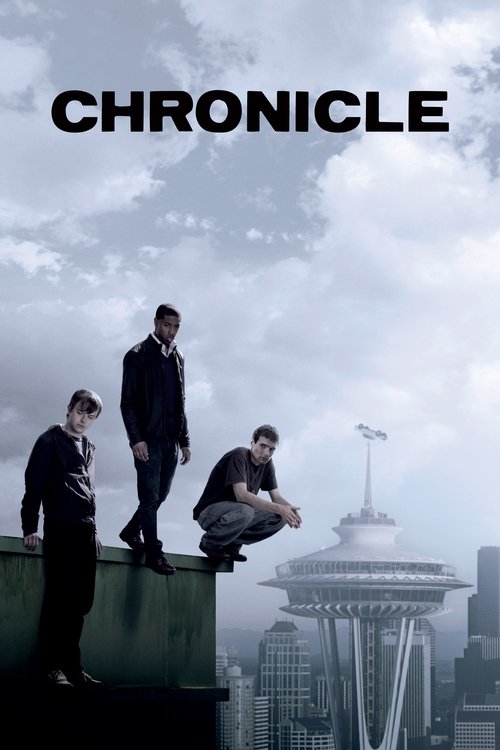
The genre demands a contract. Before the first scare you need to believe, at least partly, that someone had a reason to keep filming. The answer has evolved across thirty years of the format: journalism (the documentary crew in [REC]), evidence (the supernatural investigators in Grave Encounters), obsession (the slow-build domestic surveillance in Paranormal Activity), the instinct of a generation that documents everything (Chronicle, Afflicted, Unfriended), or simple professional habit. When the camera keeps rolling past the point of reason, the film has already admitted something: whoever held it did not make it out. The footage exists because someone else found it.
The format's best practitioners understand that the camera is a false security blanket. It makes the character feel less alone. It makes us feel like witnesses rather than victims. Both feelings are wrong.
Infection, containment and the running camera
Outbreak horror through the lens of people who cannot escape
![[REC]²](https://image.tmdb.org/t/p/w500/4JG5WKfIGD6r7hdbqJVr2WKIxEe.jpg)
![[REC]³ Genesis](https://image.tmdb.org/t/p/w500/tI1534q0Up7PBcLdXdFerLmIXn3.jpg)
![[REC]⁴ Apocalypse](https://image.tmdb.org/t/p/w500/vbflx4rDj3YrRAAk4HSWsEgZVlK.jpg)
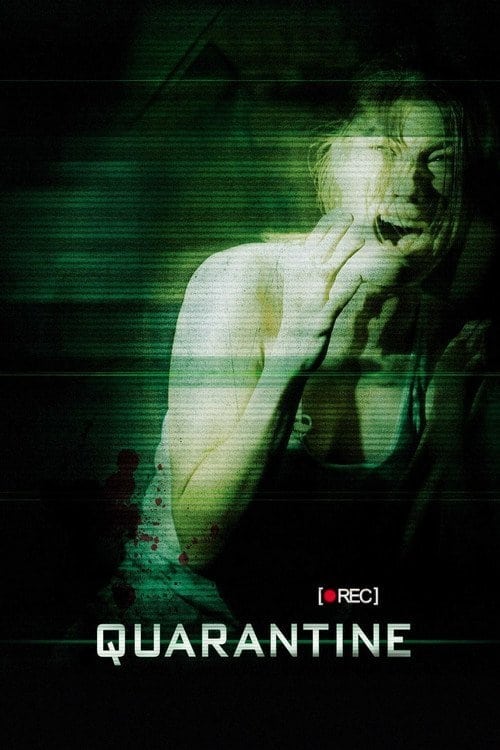
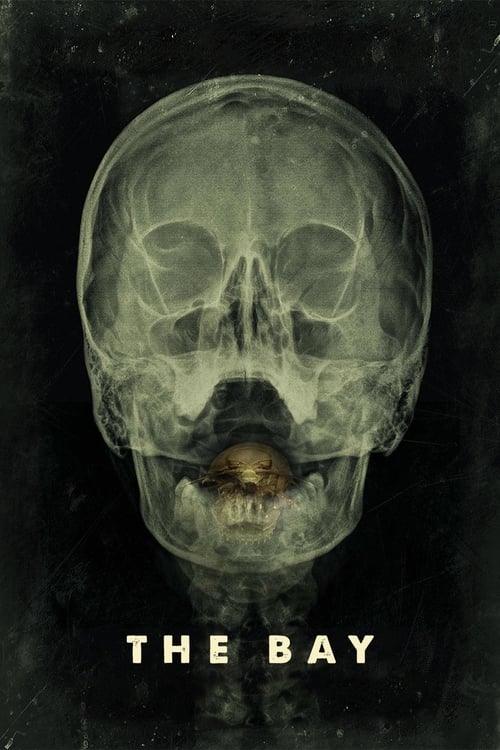
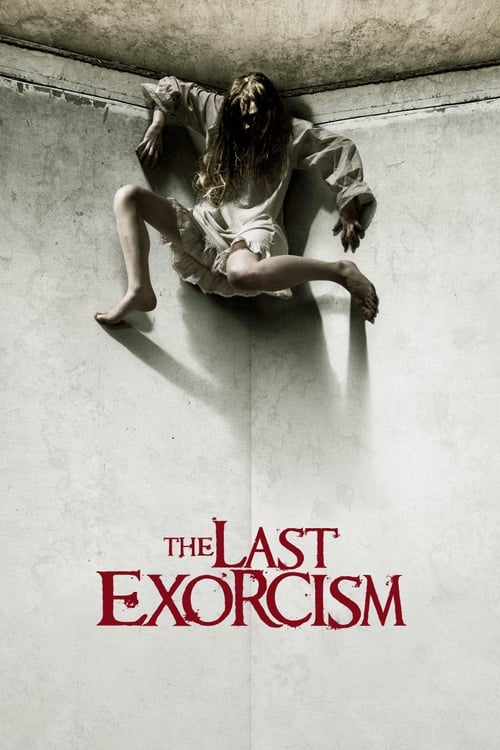
The zoomed-out innovation: screenlife horror
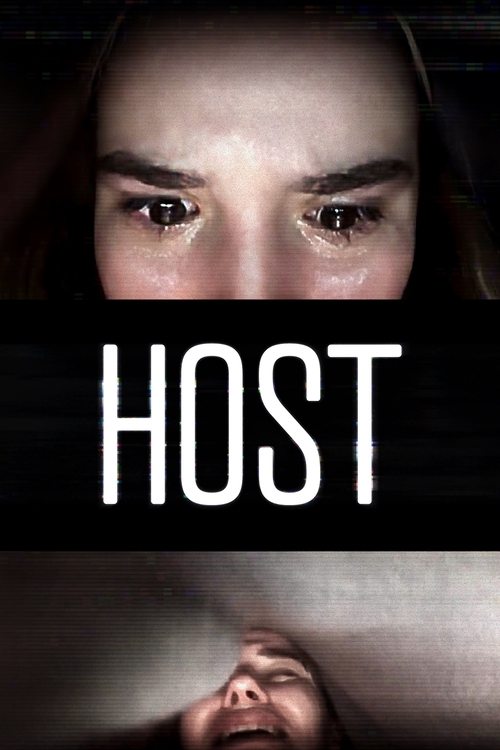
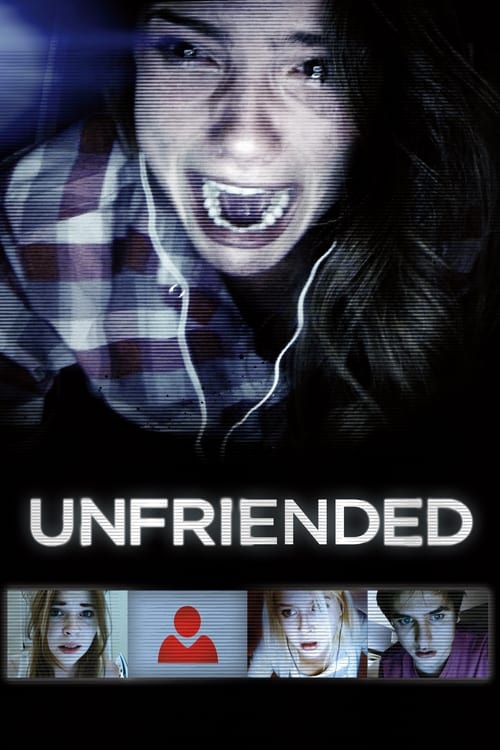
When the whole world started living through screens, horror followed. Unfriended in 2014 took place entirely within a laptop's desktop: browser tabs, Skype calls, Facebook chat. It replaced the camcorder with the cursor and the forest with a friend group's group video call. The format captured something the shaky-cam film could not: the specific dread of watching something terrible happening on a screen that you cannot close, in a chat window you cannot leave. Host, made during the pandemic lockdowns of 2020 and filmed entirely over Zoom, carried the same logic into a moment when video calls were the only way many people felt connected to the world. Both films are micro-budget, both are tight, and both prove that the form can move without a single frame of video camera footage.
The deep cuts and the global form
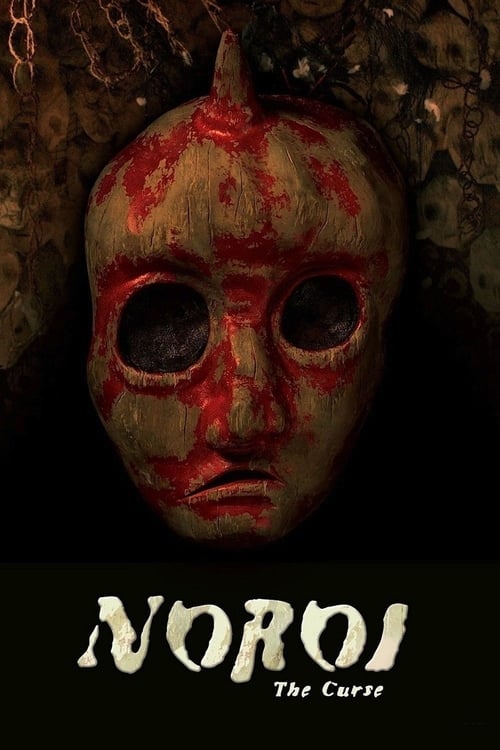
Found footage beyond the American template: Japan, Korea, Australia, Norway
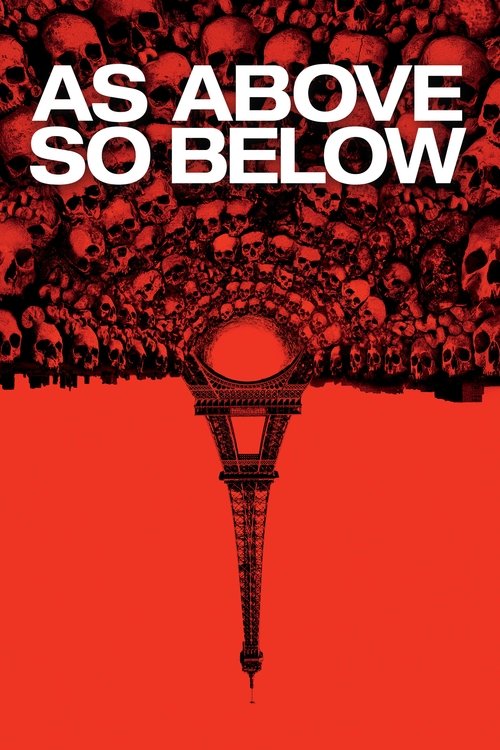

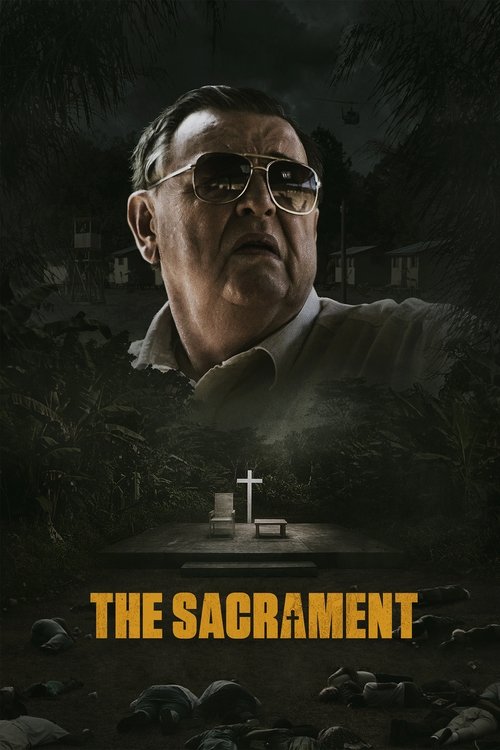

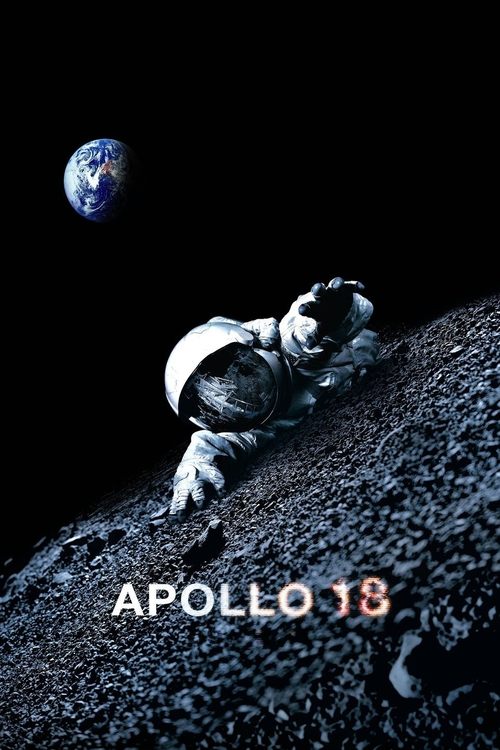
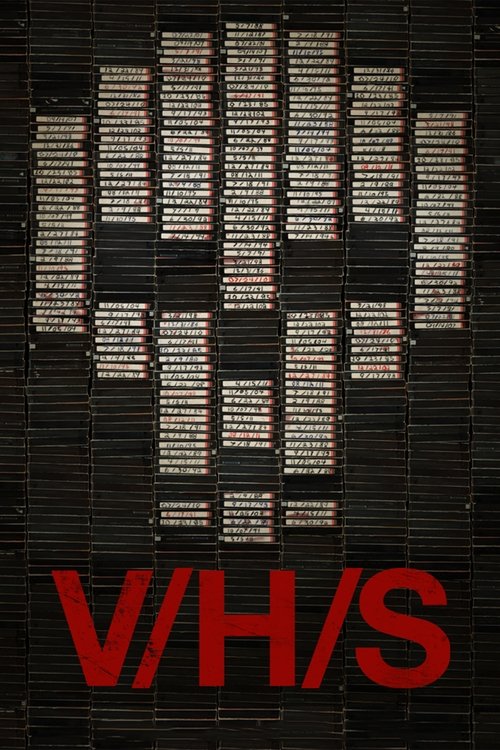
The anthology format found its home here
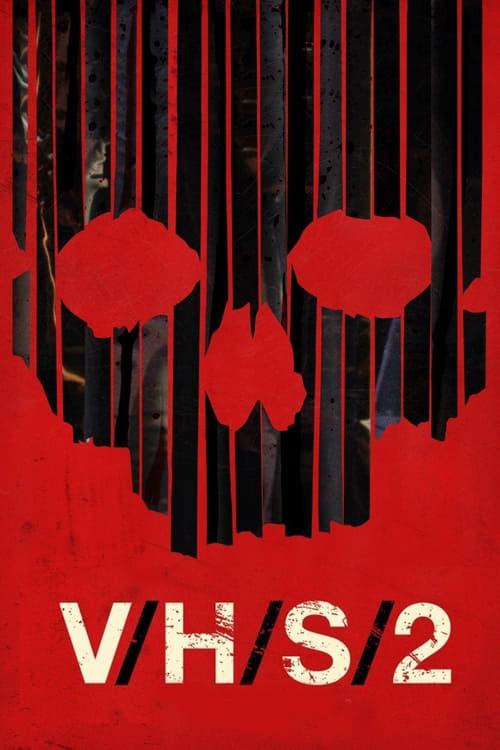
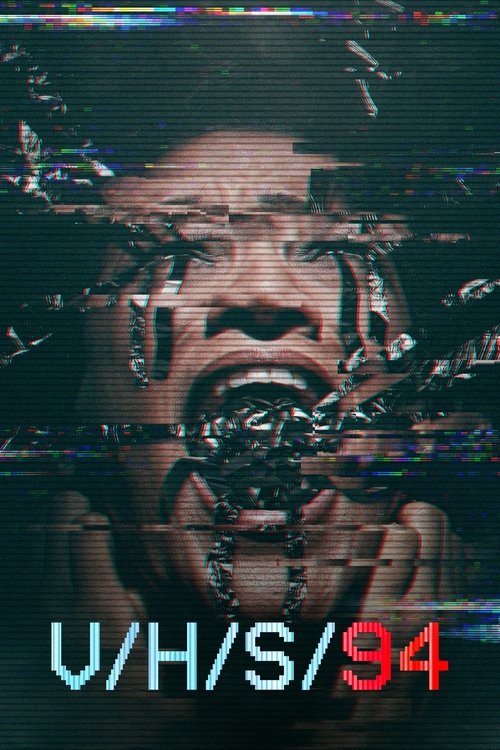
No subgenre of horror took to the anthology format more naturally than found footage. A wraparound that establishes the discovery of a box of tapes, each tape its own contained nightmare: the structure was there from the start. The V/H/S series, which launched in 2012, gave the anthology model its purest expression. Each segment has its own director, its own rules, its own reason for the camera. The best of them, Ti West's Second Honeymoon or Adam Wingard's framing sequences, are as tight as anything the format has produced. The anthology also solved found footage's core structural problem: a feature-length run time requires increasingly strained justifications for why someone keeps filming. A segment can sprint.
Creature features and the POV monster
When the camera catches something that should not exist


Found footage to play
Games that put the camera in your hands and the monster behind you
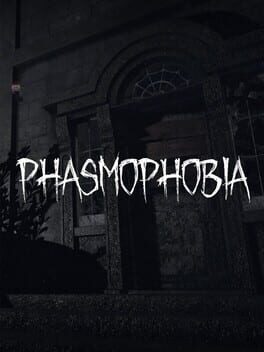
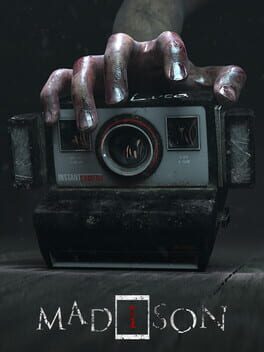
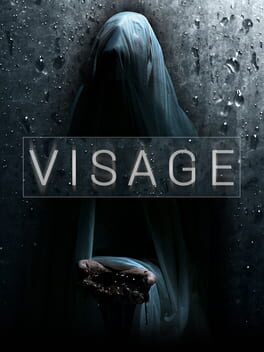
Games understood the format differently
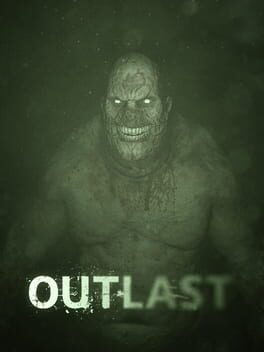
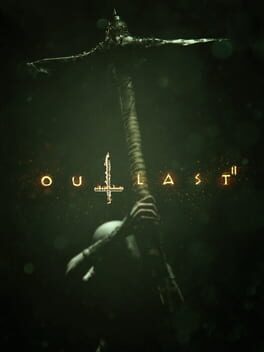
A film camera separates you from the threat. A game camera closes the distance. When Outlast (2013) put a camcorder's night-vision viewfinder between you and a psychiatric asylum full of patients who wanted you dead, it was borrowing the visual grammar of found footage but making it interactive. The camera gave you a tool (the night-vision lens, vital for navigating the dark) and a liability (batteries drain, and replacing them means stopping, which means being caught). Phasmophobia took the multiplayer ghost-hunting show format and made the ghost real enough to kill the session. MADiSON used an old Polaroid camera as a portal between worlds. Visage made the house itself a recovered tape, moving through domestic horror in first-person with the procedural dread of someone going through evidence.
Books are thinner territory. The genre is overwhelmingly visual, and prose cannot deliver a handheld wobble or a dropped camera thud. The closest the written form has come is Mark Z. Danielewski's House of Leaves, a novel structured as found documents, footnotes, annotations and appendices: a recovered manuscript about a recovered film about a house that is bigger on the inside than it is on the outside. It is doing something else entirely, and it is brilliant.
The footage survives because someone found it. That is the first and most unsettling fact about every film in this guide.On the recovered-tape premise and why it works
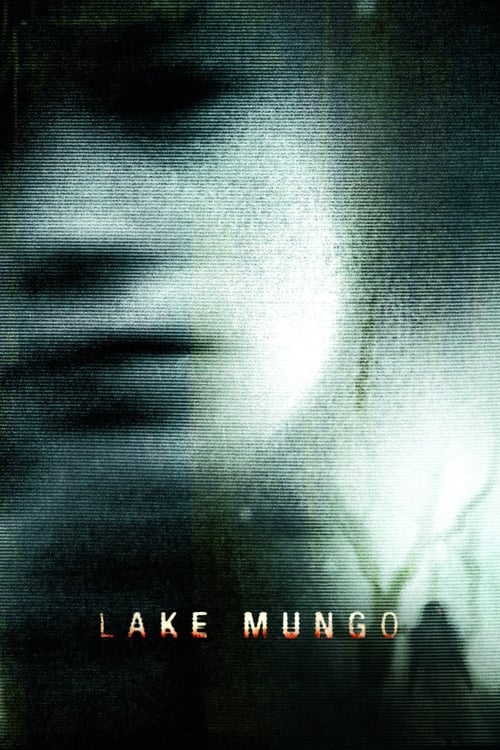
Lake Mungo is not what the genre looks like. It is what it can be.
Most found footage films treat the format as a delivery mechanism for scares. Lake Mungo, Joel Anderson's 2008 Australian debut, treats it as a way to grieve. The film is structured as a true-crime mockumentary about a family coping with the drowning of their teenage daughter, Alice. It uses talking-head interviews, home video and phone footage to build a portrait of a person who, it turns out, nobody fully knew. The horror arrives slowly and sideways and the final revelation recontextualises everything that came before. It may be the only found footage film that made audiences cry rather than flinch. It sat unseen for nearly a decade before streaming quietly made it one of the most-recommended films in the genre, passed between friends with the note: do not look it up first.