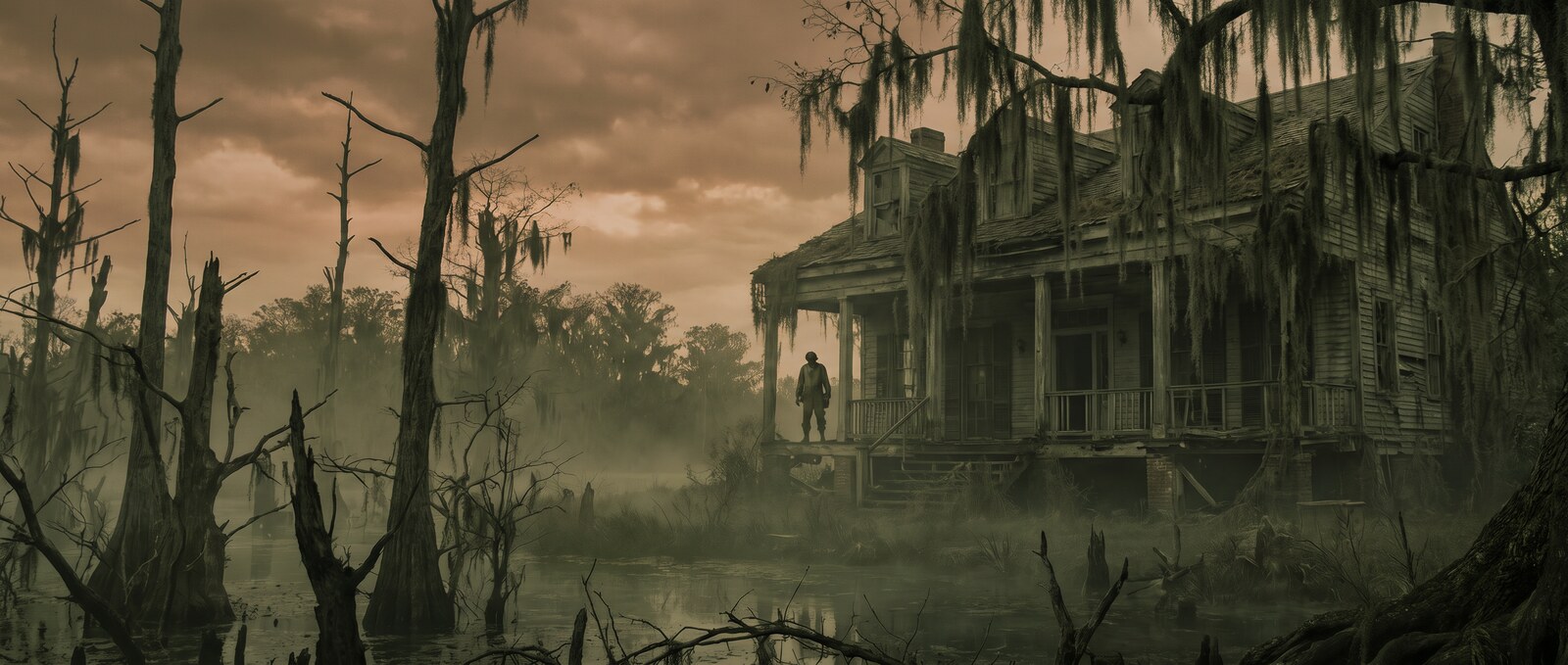

Southern Gothic takes the decay and dread of the Gothic and roots it in the American South: in ruined plantations and small towns, in oppressive heat and deeper history, in grotesque characters and the tangled weight of race, religion, poverty and family. William Faulkner mapped its imaginary county, Flannery O'Connor gave it a savage moral vision, Tennessee Williams put it on the stage, and a modern wave of prestige television and literary thrillers has kept the swamp mist rolling.
This is the complete guide across every medium: the literary canon, Faulkner and O'Connor's worlds, the classic and modern cinema, the prestige television, the supernatural South of New Orleans, and the games that walk its haunted roads.
The essential southern gothic


The Southern Gothic canon
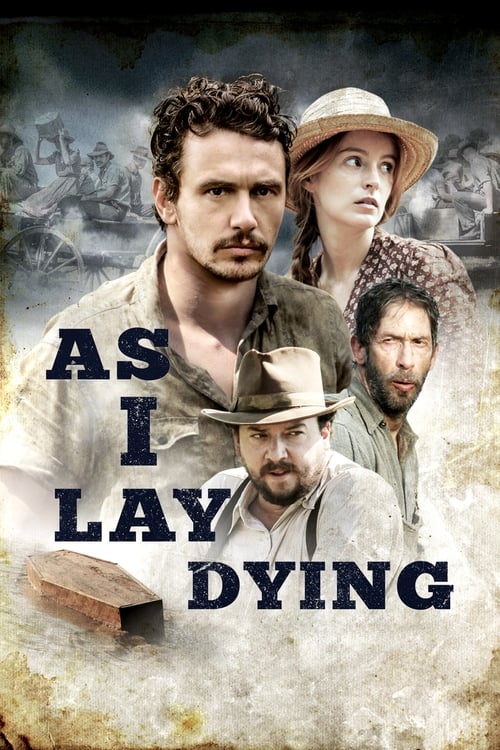
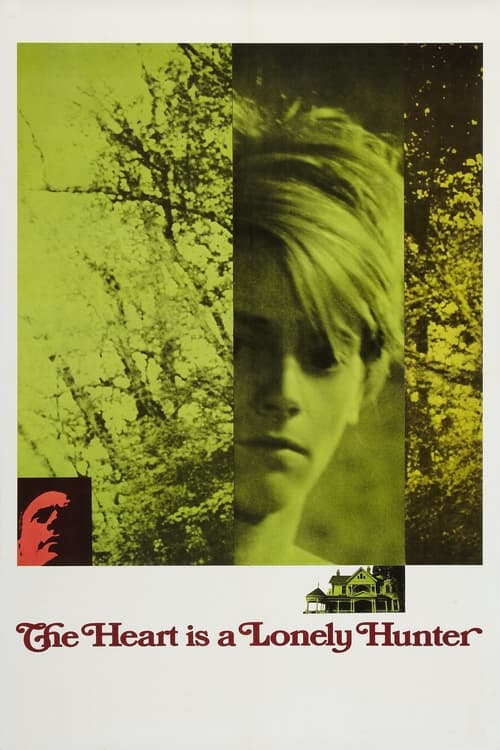

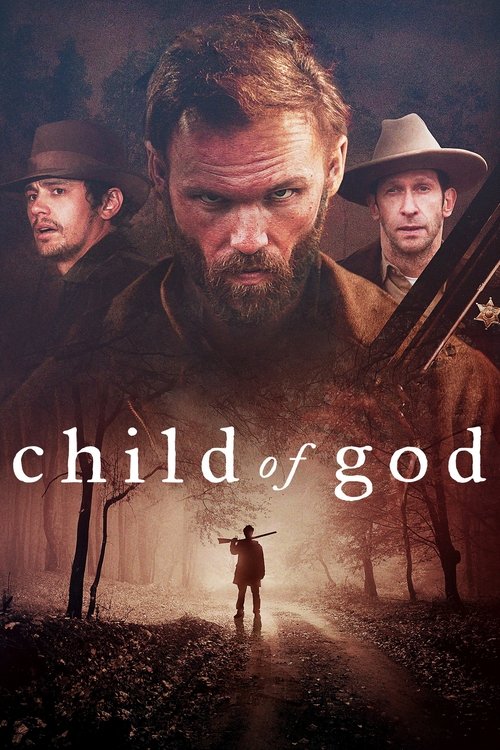

Flannery O'Connor made the grotesque holy
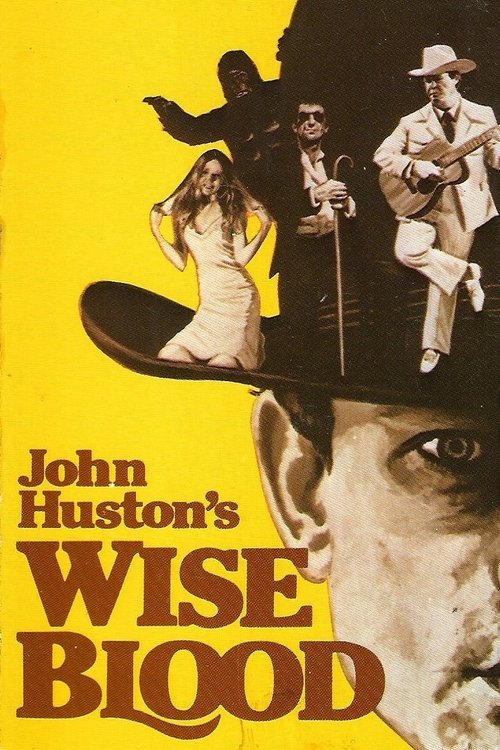
No one wrote the Southern Gothic with more savage precision than Flannery O'Connor. Her stories of misfit prophets, con-men preachers and sudden, shocking violence use the grotesque not for shock but for grace, forcing her characters (and her readers) into moments of terrible revelation. A Good Man Is Hard to Find and the novel Wise Blood are the genre at its most morally serious and its most darkly funny. She is its fiercest and most essential voice.
Faulkner and Flannery O'Connor


Southern Gothic cinema
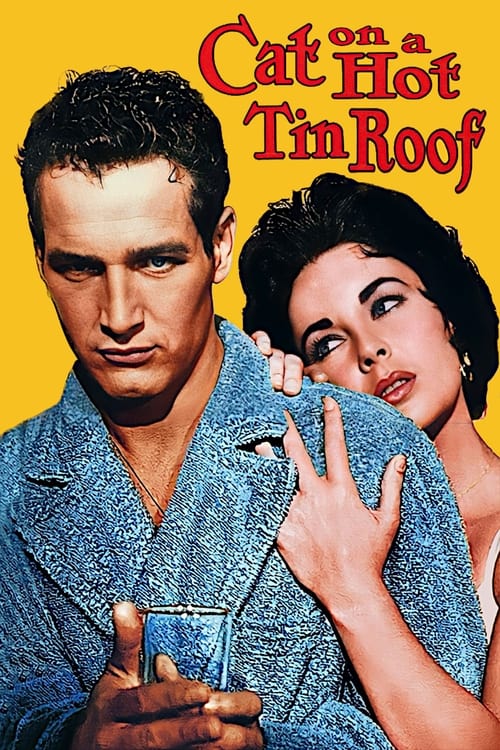
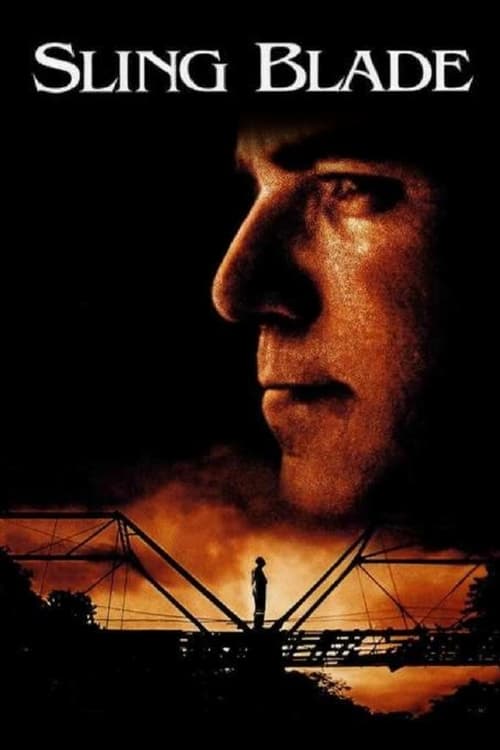
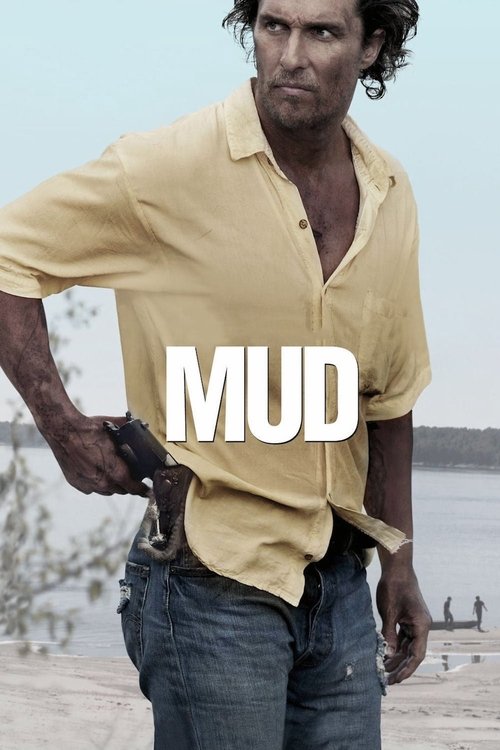
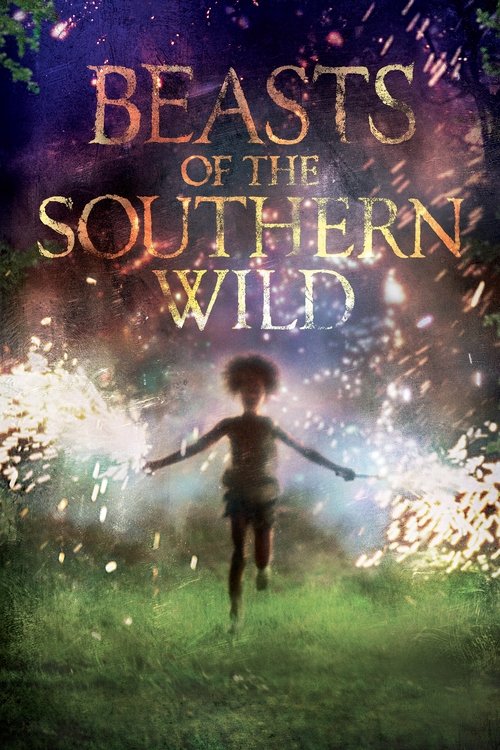
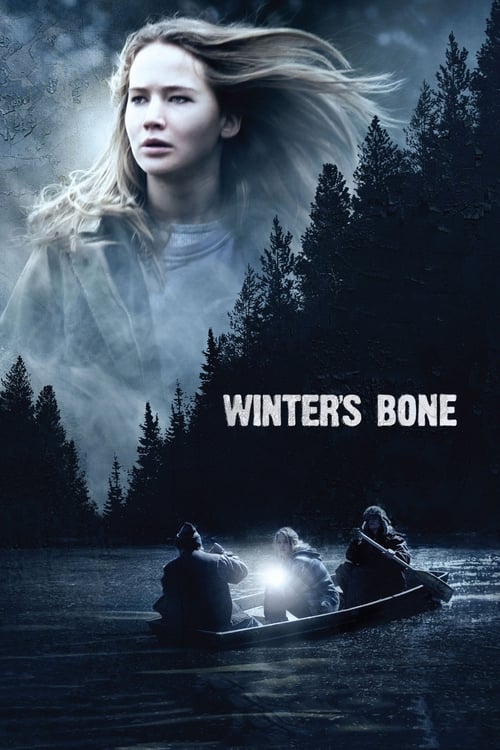
The modern southern thriller

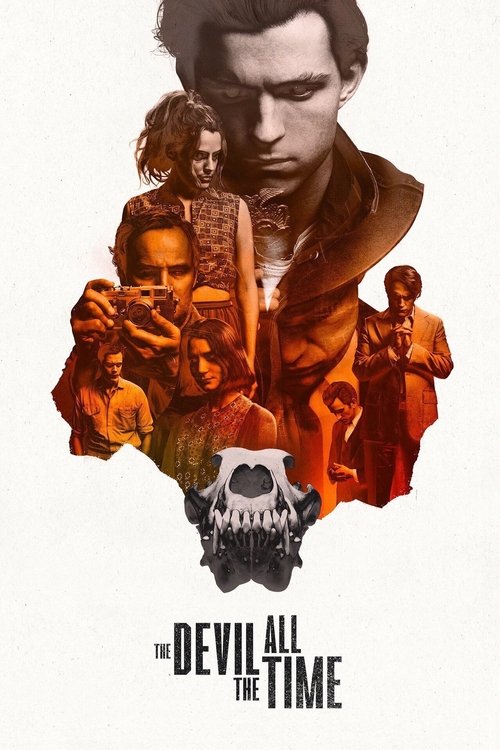
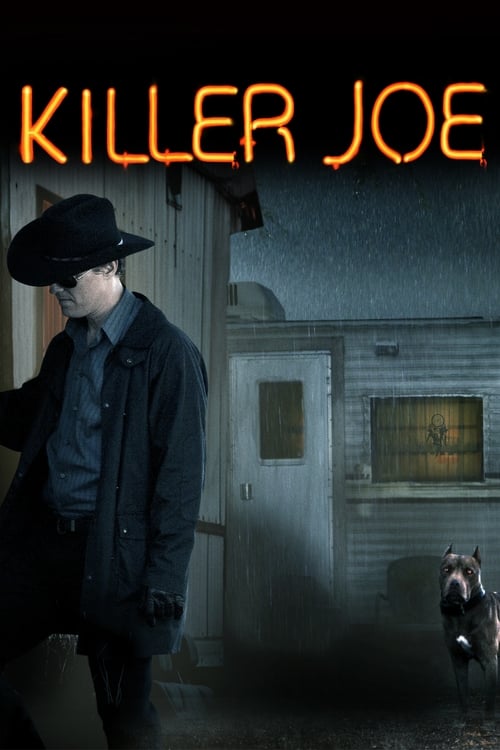
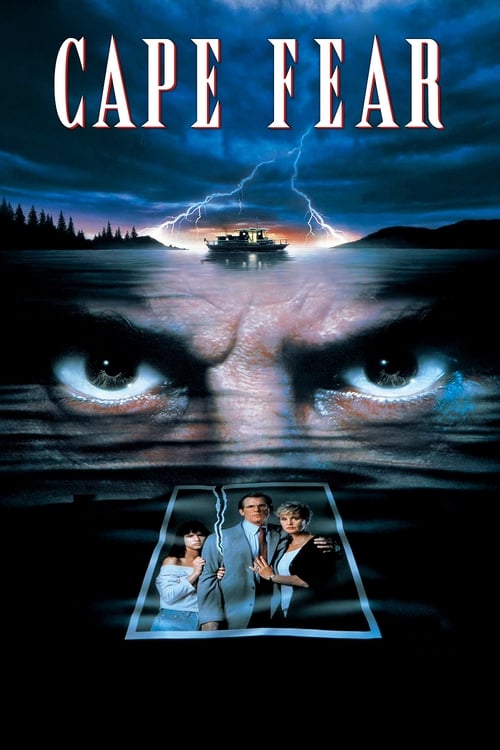
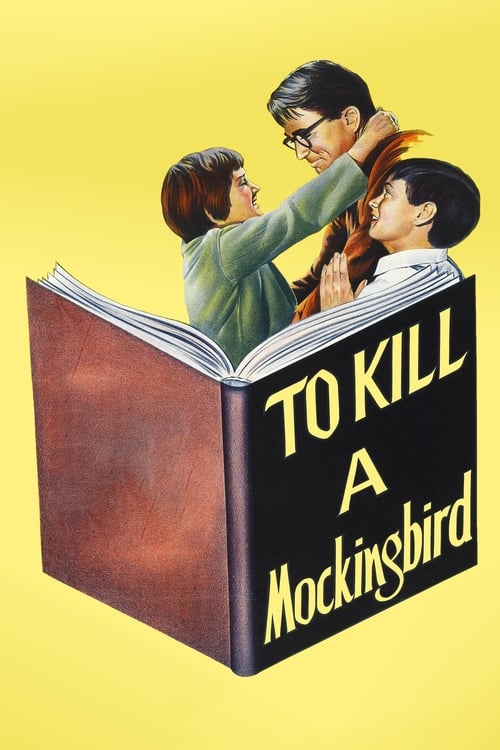
To Kill a Mockingbird is the South's conscience
Harper Lee's novel wraps a child's-eye memory of a sleepy Alabama town around a devastating account of racial injustice, and in doing so gave the Southern Gothic its most beloved and most morally clear expression. Its warmth and its horror sit side by side: Boo Radley's haunted house and Tom Robinson's trial are the same South seen from two angles. Few American books have shaped how a nation sees itself so profoundly.
On TV: the haunted South
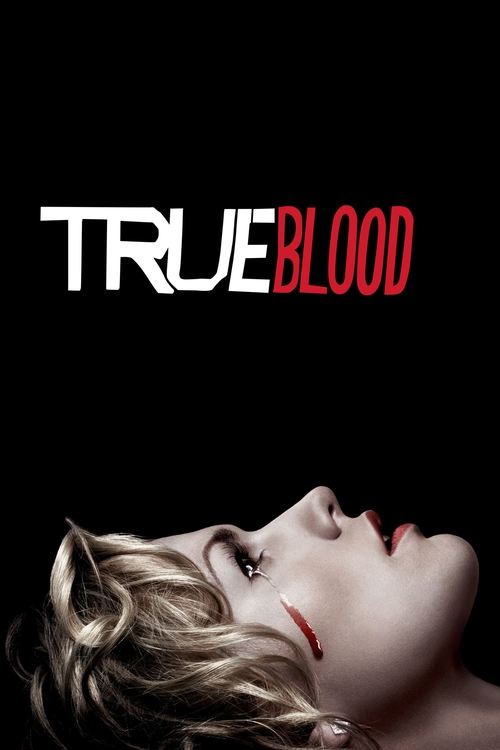
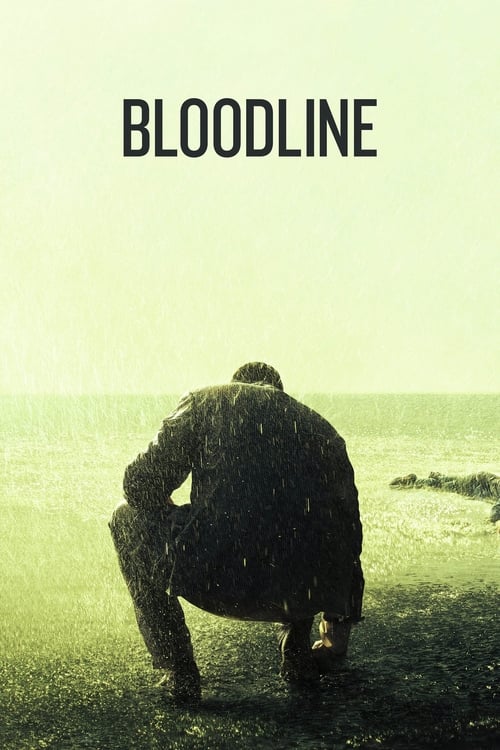
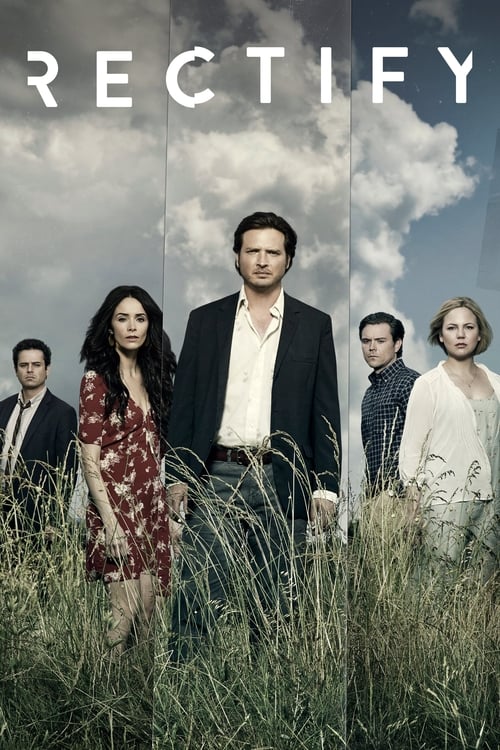


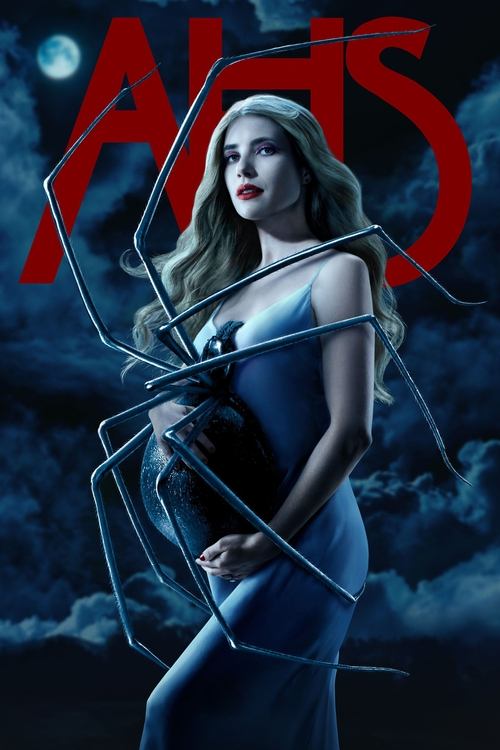
New Orleans and the supernatural South


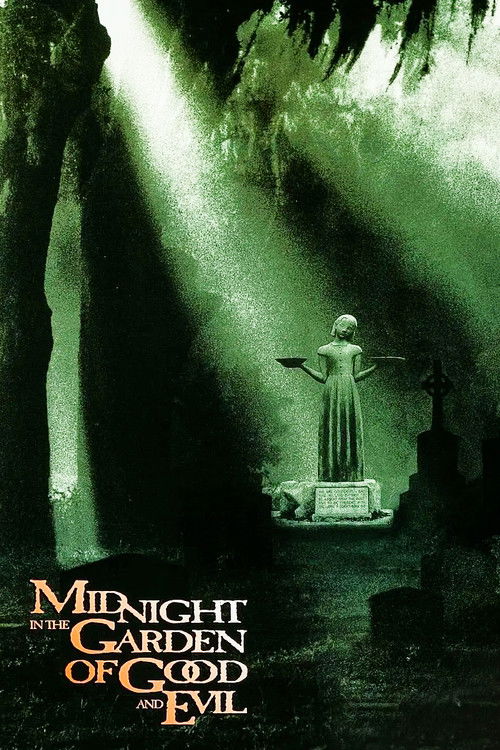
Play the gothic South
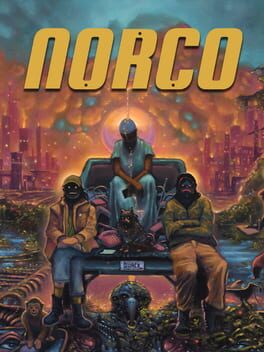
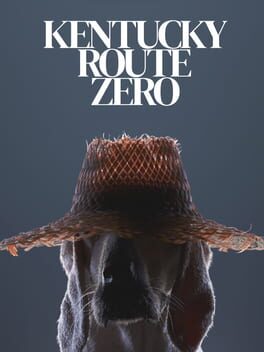
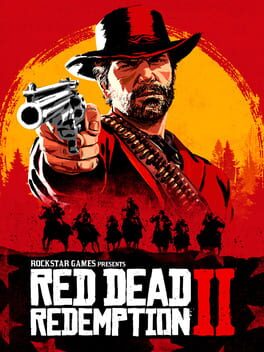
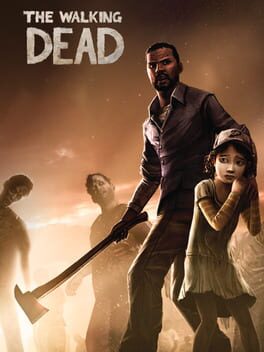
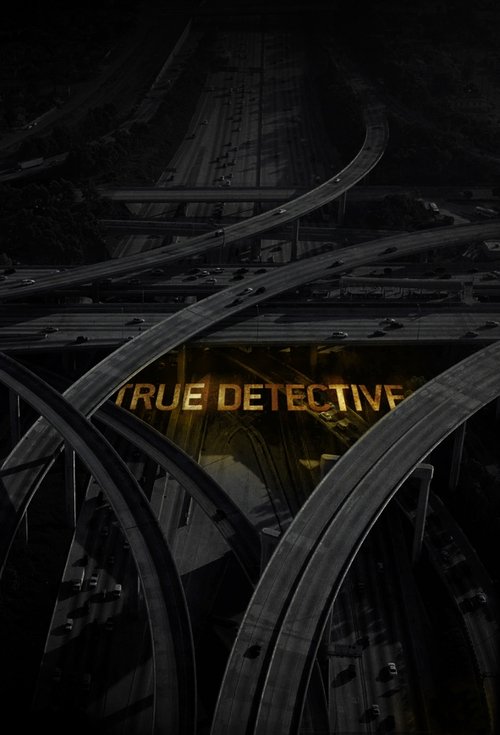
True Detective brought the Southern Gothic to prestige TV
Nic Pizzolatto and Cary Fukunaga's first season is Southern Gothic distilled: two haunted detectives, a ritual murder in the Louisiana bayou, decaying churches and refineries, and a pervasive sense of cosmic rot beneath the sunlit surface. Its flat-earth philosophy, its unforgettable long take and its atmosphere of doomed Southern decay made it a landmark, and proved the genre's swampy dread was perfect for long-form television.
The timeline
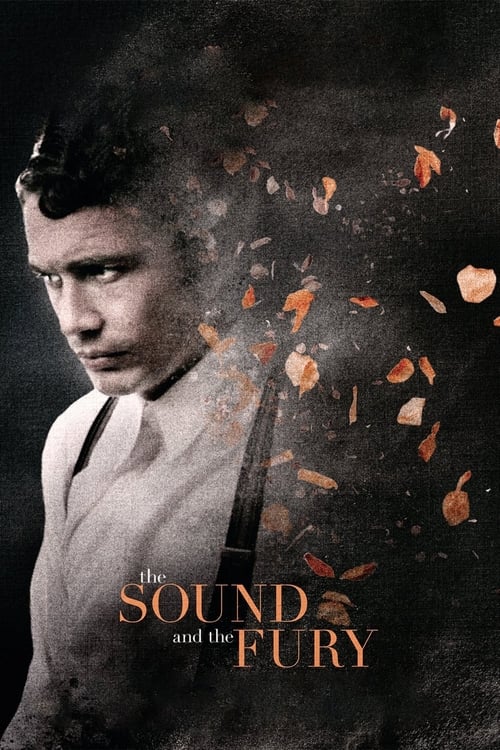
- 1929William Faulkner's The Sound and the Fury maps the Southern Gothic's imaginary county. The Sound and the Fury
- 1940Carson McCullers's The Heart Is a Lonely Hunter deepens the genre's tenderness. The Heart Is a Lonely Hunter
- 1952Flannery O'Connor's Wise Blood gives the grotesque a savage moral vision. Wise Blood
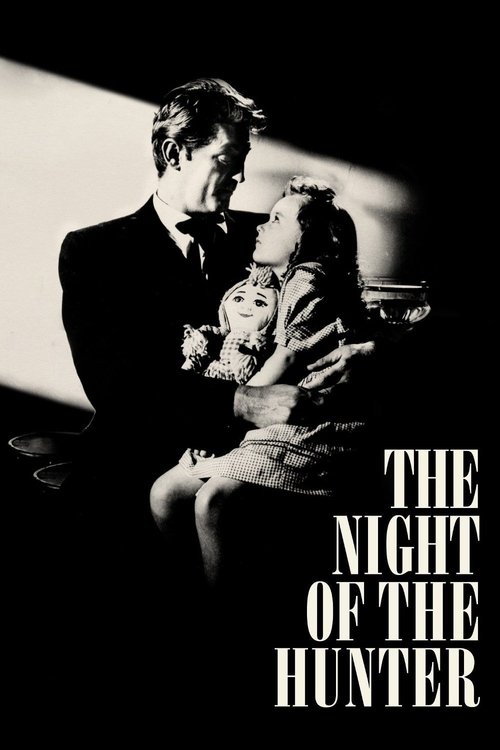
- 1955The Night of the Hunter sets the genre's expressionist visual template. The Night of the Hunter
- 1960Harper Lee's To Kill a Mockingbird becomes the South's conscience. To Kill a Mockingbird
- 1987Toni Morrison's Beloved brings the haunting of slavery to the fore. Beloved
- 2014True Detective carries the Southern Gothic to prestige television. True Detective
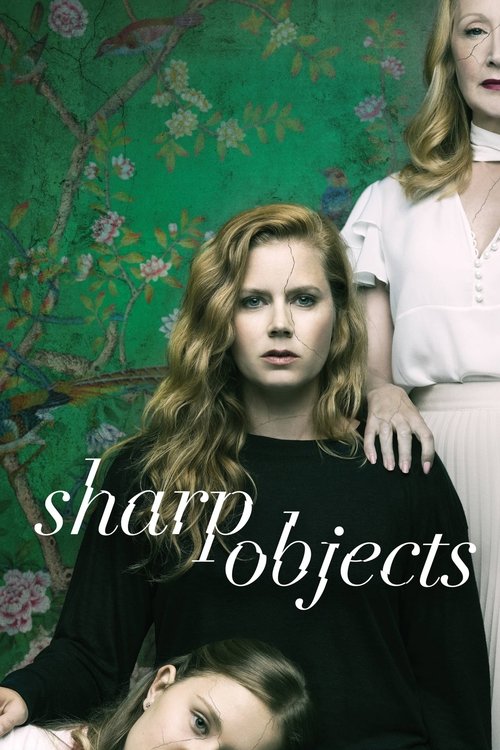
- 2018Sharp Objects proves the modern Southern thriller's grip. Sharp Objects
The Night of the Hunter is the genre's cinematic masterpiece
Charles Laughton's only film as director is a nightmare fairy tale of the South: a murderous false preacher with LOVE and HATE on his knuckles pursuing two children down a moonlit river. Its stark, expressionist black-and-white imagery is unlike anything else in American cinema, at once beautiful and terrifying. Ignored on release, it is now recognized as one of the greatest films ever made, and the visual bible of Southern Gothic on screen.
The voices of the South
Keep exploring
Gothic Romance
Explore the Gothic Romance guide →Frequently asked
What is Southern Gothic?
Southern Gothic is a genre of American fiction, film and television set in the American South and marked by decay, grotesque characters, dark humor, moral and social unease, and the weight of history, especially the legacies of slavery, racism, poverty and religion. It transplants Gothic dread from crumbling castles to ruined plantations, small towns and swamps. Faulkner, Flannery O'Connor and Tennessee Williams are foundational.
What makes a character grotesque in Southern Gothic?
The grotesque, physical deformity, mental illness, moral corruption or eccentric extremity, is central to the genre. But in the best Southern Gothic, especially Flannery O'Connor's, the grotesque is not mere shock: it externalizes spiritual and social sickness, and often becomes the vehicle for a harsh kind of grace or revelation. The freak, the outcast and the fallen preacher are recurring figures.
How is Southern Gothic different from regular Gothic?
Classic Gothic uses European settings, haunted castles, aristocratic decay and supernatural menace. Southern Gothic keeps the mood of dread and decay but grounds it in the specific realities of the American South: its landscapes, dialects, social hierarchies and above all its unresolved history. The horror is usually psychological, social and moral rather than supernatural, though a supernatural strand (New Orleans, vampires) also thrives.
Where should I start with Southern Gothic?
For fiction, Flannery O'Connor's stories (A Good Man Is Hard to Find), Harper Lee's To Kill a Mockingbird and William Faulkner's As I Lay Dying. On film, The Night of the Hunter and Deliverance. On television, the first season of True Detective and Sharp Objects capture the genre's modern prestige form.