Blade Runner (1997)
Blade Runner is a 1997 point-and-click video game made by Westwood Studios.
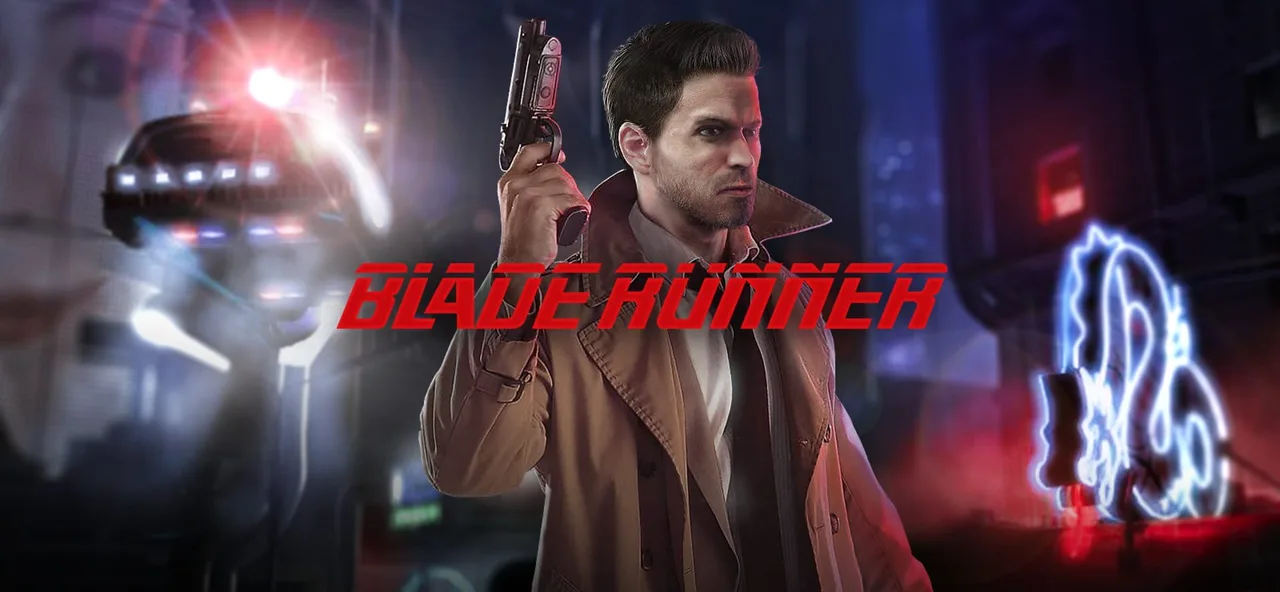
Westwood's take on Blade Runner puts you in the coat of Ray McCoy, a blade runner working a fresh case in a rain-slick, neon-soaked Los Angeles alongside the events of the film. This is detective work ahead of puzzles: you question suspects, sift evidence, run the Voight-Kampff test, and decide who might be a replicant and who is human. Your choices steer the story toward one of several endings, and characters go about their own schedules whether you are watching or not. It is moody, deliberate, and built to make you sit with hard calls.
Similar games
Explore Blade Runner guides
Blade Runner in our writing
- Companion guide: Film Noir & Neo-Noir: The Complete Guide
- Companion guide: Westwood Studios: The Studio That Invented Real-Time Strategy
A few thoughts on Blade Runner
Blade Runner 2049 returns to this exact world decades on, trading interrogation for a slow, gorgeous mystery about who counts as human. If the game's noir mood and moral fog landed, the film chases the same questions with the same rain and neon, and a detective who cannot trust his own footing.
Procedurals where solving the case matters more than the shootout
Blade Runner's real hook is the questioning: you sit across from a suspect and decide if the story holds up, same tension as these procedurals. Law & Order and Law & Order: SVU build entire episodes around building a case that sticks, NCIS runs its own version through forensics, and The Mentalist gets there by reading people instead of running tests.
Neo-noir mysteries about who you can trust when identity is a mask
Ray McCoy spends Blade Runner figuring out who around him is even human, and this angle follows that unease. Blade Runner 2049 picks up decades later with the question still open. Ghost in the Shell asks it about a cyborg cop instead of a replicant. Death Note makes it a duel between a killer and his hunter, and Metropolis, Pt. 2 wraps a hypnotist's murder case in a rock opera.
Crime stories where the moral line keeps moving
Blade Runner never lets McCoy's choices feel clean, and this shelf sits in that same gray zone. The Godfather traces how far a family will go to protect its own, Mr. Mercedes puts a retired detective back on a case that gets personal fast, Nebraska tells small, bleak crime stories in plain, unadorned songs, and The Punisher: One Last Kill pushes vigilante justice about as far as it goes.