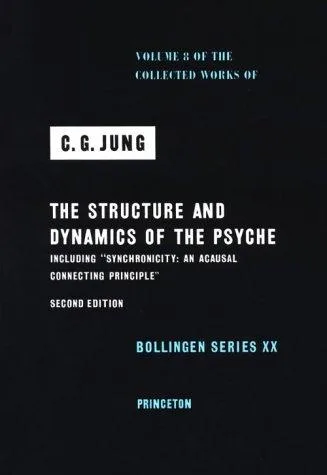
Critique of psychoanalysis (1956)
Critique of psychoanalysis is a 1956 psychoanalysis book written by Carl Gustav Jung.
A gathering of Carl Jung's writings on the borderland between psychology and the occult, drawn from across his Collected Works. The pieces run from his early clinical study 'On the Psychology and Pathology of So-called Occult Phenomena' to later reflections in 'The Soul and Death' and 'Psychology and Spiritualism,' plus short forewords on apparitions and precognition. Jung treats seances, spirit belief, and premonition less as frauds to expose than as material thrown up by the psyche, tracing how the mind produces figures it experiences as visitors from elsewhere. A slim volume for readers following his lifelong interest in the irrational.
Similar books
A few thoughts on Critique of psychoanalysis
Best approached by readers already inside Carl Gustav Jung's project, as a companion to his central work on the unconscious rather than a starting point. Man and His Symbols makes a gentler first door into his thinking, and the memoir Memories, Dreams, Reflections shows where this occult material sat in Jung's own life.
More Jung on symbols, dreams and coincidence
Critique of psychoanalysis collects the seance case reports and the short forewords on apparitions and precognition. These titles carry the same method further, into mandalas, kundalini, fairy-tale motifs and the correspondences Jung called meaningful. Start with Synchronicity if the precognition pieces held you, or the letters if you want the man behind the argument.
Freud and Jung on screen, from the letters to the fallout
Critique of psychoanalysis comes from the decades after Jung split with Freud, and the quarrel shadows the volume. Follow it into Cronenberg's account of Jung, Freud and Sabina Spielrein, the early papers and correspondence the films draw on, and two biopics that stage the birth of analysis as consulting-room drama.
Seances taken seriously, then put to the test
Jung wrote up a teenage medium as a clinical case rather than a fraud, and Critique of psychoanalysis keeps returning to that stance. This row runs the same argument from both sides: Maeterlinck on premonition, a skeptic's survey of paranormal claims, an occult doctor's casebook, and screen investigators who lose their footing in the field.
Stories where the mind produces its own monsters
Jung reads apparitions as material the psyche throws up, figures the mind meets as visitors from elsewhere. These films and comics run that idea as plot: the regression tank in Altered States, the therapy that grows teeth in The Brood, a boy whose coma talks back, and psychic-kid manga playing the same wish in a lighter key.