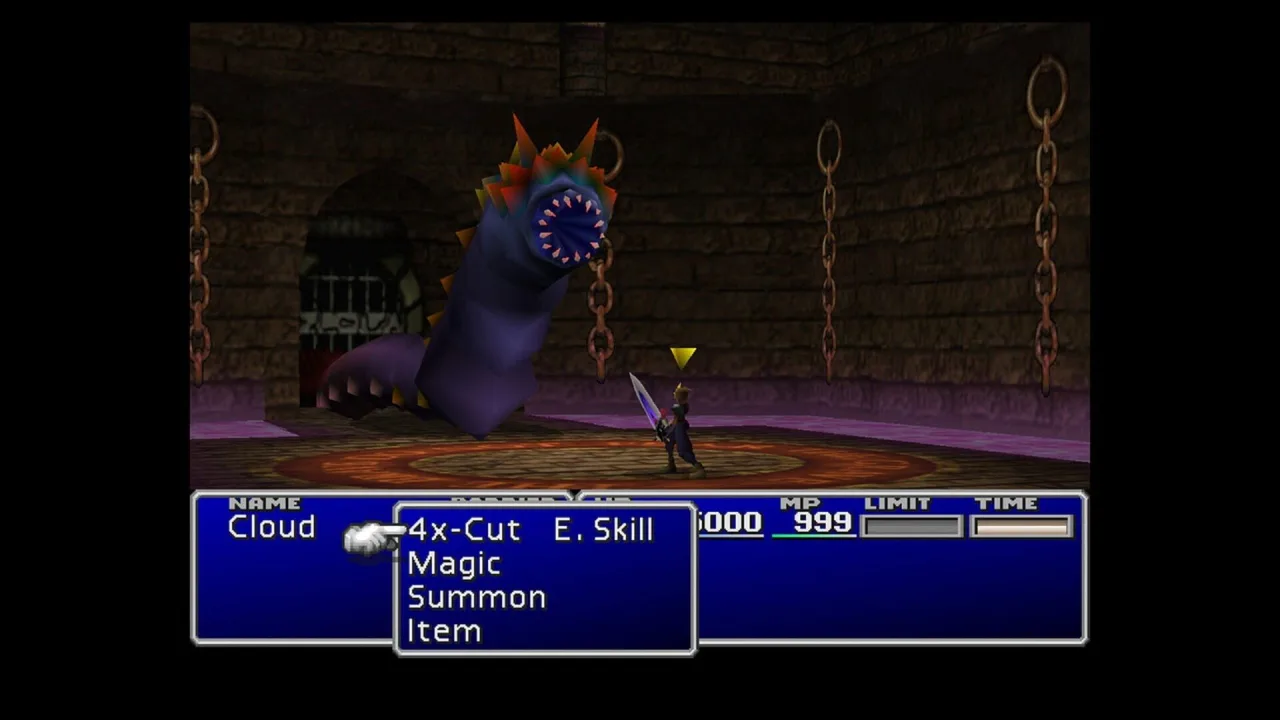
Final Fantasy VII (2012)
Final Fantasy VII is a 2012 role-playing (rpg) video game made by DotEmu and Square Enix Business Division 3.
Cloud Strife, a mercenary with a murky past, joins an eco-terrorist cell called AVALANCHE in the city of Midgar, which is built on a Mako reactor network slowly draining the planet's life force. What starts as a focused act of sabotage quickly expands into something far larger, drawing Cloud and a memorable cast of companions across a world of industrial cities, ancient temples, and open plains. The PC re-release adds cloud saves, achievements, and a character booster for those who want to experience the story without grinding, preserving one of the most influential RPGs ever made.
Similar games
Final Fantasy VII in our writing
- Companion guide: JRPGs: The Complete Guide to the Japanese Role-Playing Game
- Companion guide: Squaresoft: Final Fantasy, Chrono Trigger and the Golden Age of the JRPG
- Companion guide: Villains & Great Antagonists
A few thoughts on Final Fantasy VII
Final Fantasy VII: Original Soundtrack by Nobuo Uematsu is inseparable from the game's emotional impact. The score alone carries the world's atmosphere, and listening to it is practically a companion experience.
The rest of Cloud's story, in games and on screen
Final Fantasy VII left thread hanging around Midgar and the crew Cloud picked up on the way out. Square kept pulling on it: a multi-part remake that rebuilds the opening city block by block, Vincent's shooter, a mobile anthology of side stories, and a short animated piece set before Cloud reached the city. Start with the remake for the same story at eye level.
JRPG soundtracks worth owning on their own
Nobuo Uematsu scored Final Fantasy VII on a PlayStation sound chip and wrote tunes people still play on piano. The soundtrack sits in this catalog as its own release, alongside his work on VI, VIII, IX, III and the main theme he wrote for XIV. Queue these up if the battle fanfare or the chocobo theme has stayed in your head since 1997.
Company towns that own the power and the people
AVALANCHE blows up a reactor because Shinra runs Midgar as a company town and sells the planet's life force back to it as electricity. These pick up the same setup: Kaiji works off his debt in a corporate labor pit, the espers in E's belong to the outfit that raised them, and 7 Seeds opens on a planet already spent.
Art books and companions for worlds you want to stay in
Midgar rewards the kind of attention people usually save for books: transit lines, numbered sector plates, a slum bar that doubles as a hideout. These are the shelf for that habit, from a design study of what games do to a Baldur's Gate city guide and the art history of Dungeons & Dragons. Read them between playthroughs.